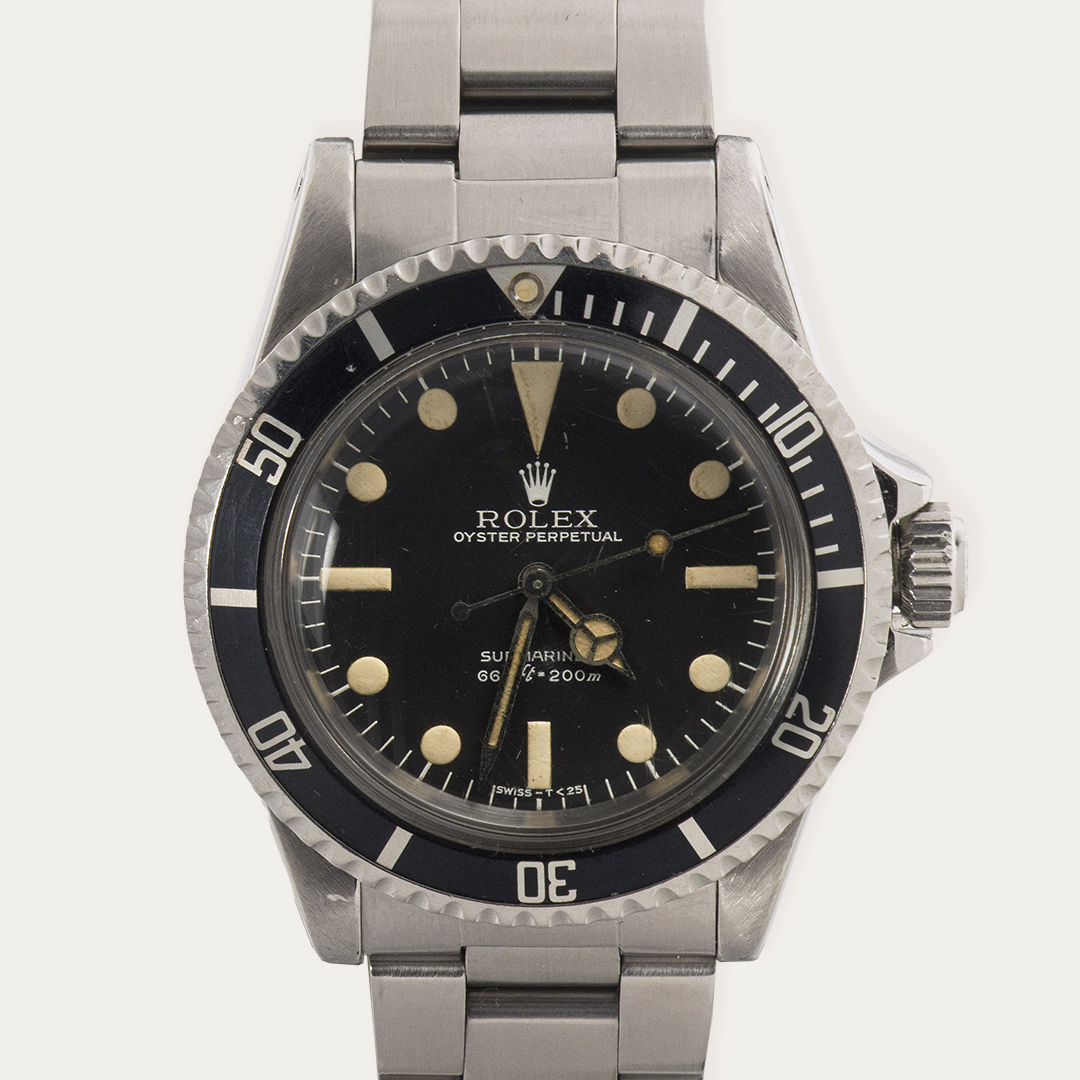
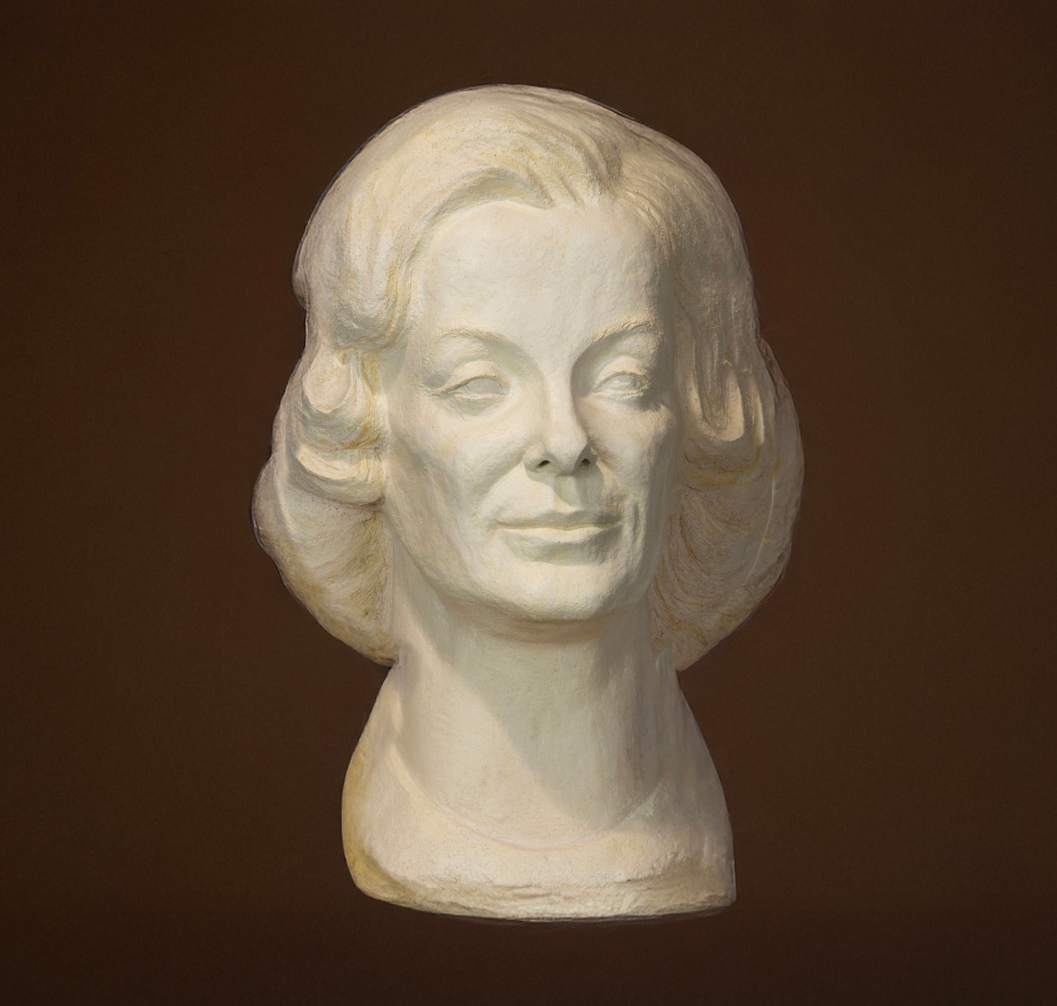
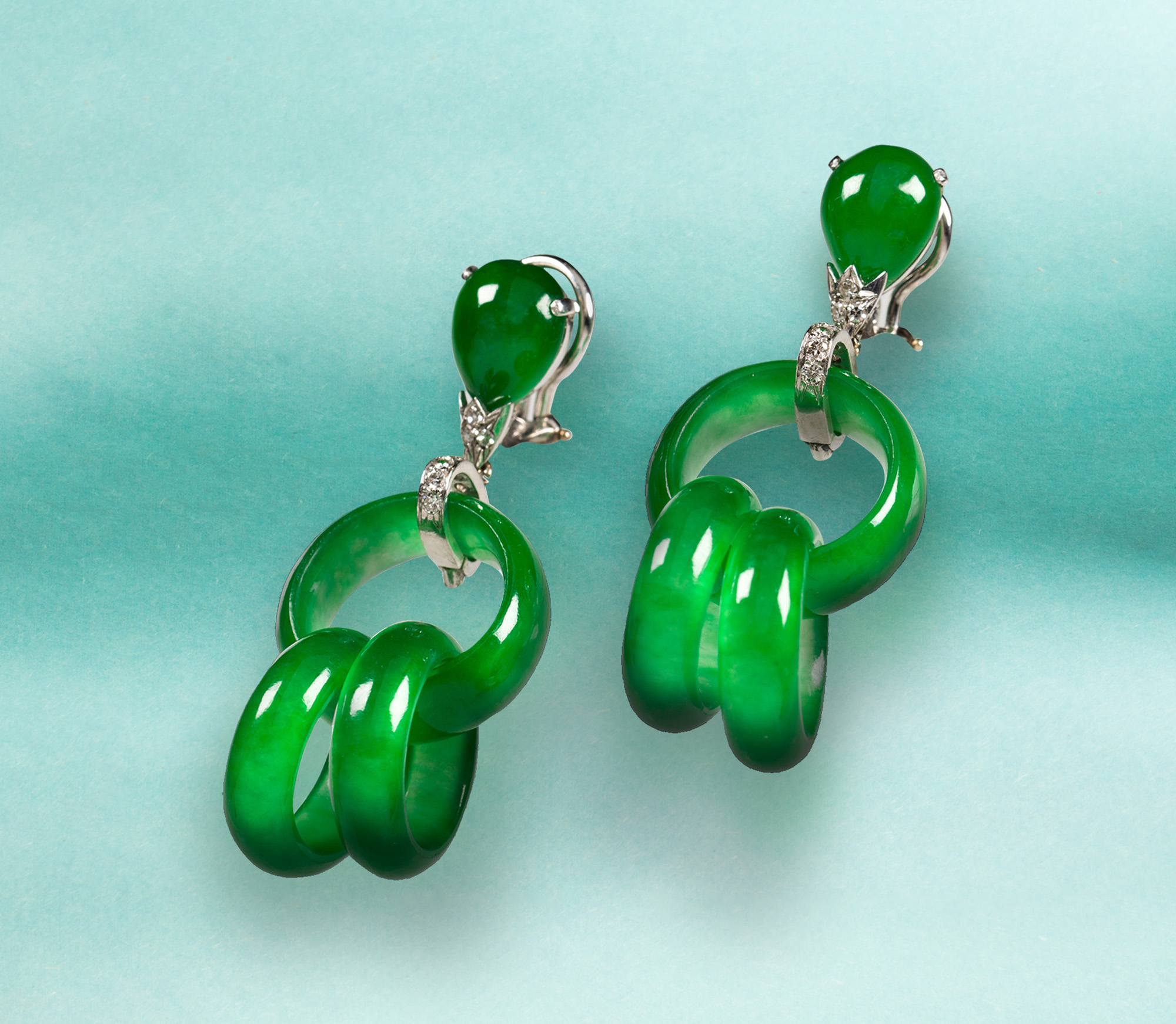
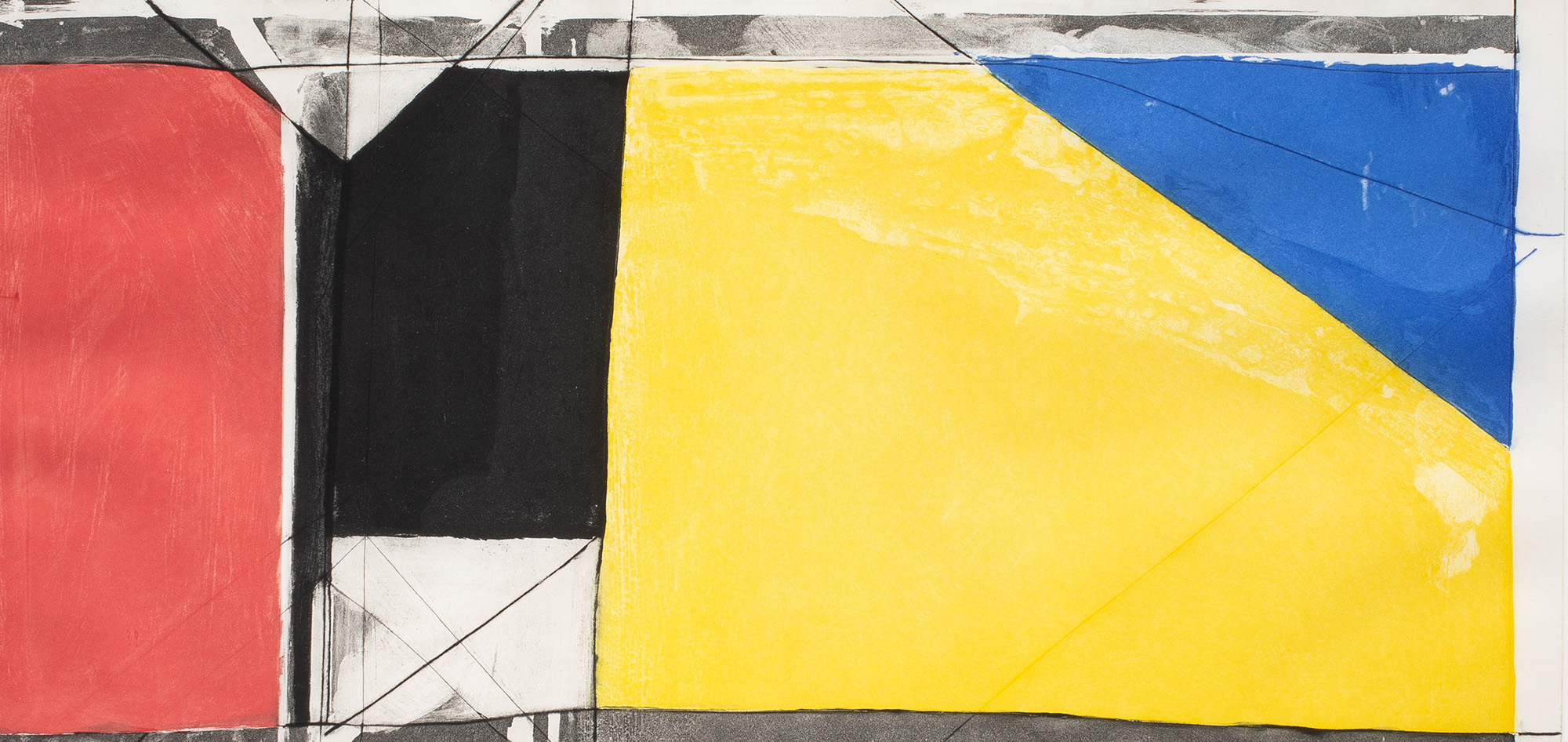
This April we are honored to present the extraordinary art collection of Lila Mae “Peggy” Azad — a woman whose lifelong devotion to the arts lives on through her legacy.
Peggy once wrote: “I am the temporary custodian. In exchange for the privilege of living with and caring for my objects I am leaving them all for a museum or art gallery for the ‘public’ to enjoy after Manouch and I are no longer alive.” Her wish was to ensure that her collection would one day be shared with the world.
John Seery (American, b. 1941), Sagamore Bridge, 1970, acrylic on canvas, 60″ x 50″. Estimate: $4,000–$6,000
This significant collection includes over 90 Chinese and Japanese ivory sculptures and more than 114 diverse works from around the globe — spanning American, Chinese, French, Iranian, Italian, Japanese, Korean, Native American, Russian, Thai, and Vietnamese origins. The pieces vary in form and material, including porcelain, cloisonné, glass vases, plates, bowls, bronze and carved alabaster sculptures, a Russian brass samovar, Japanese woodblock prints, and hand-woven Iranian silk tapestry panels threaded with gold and silver.
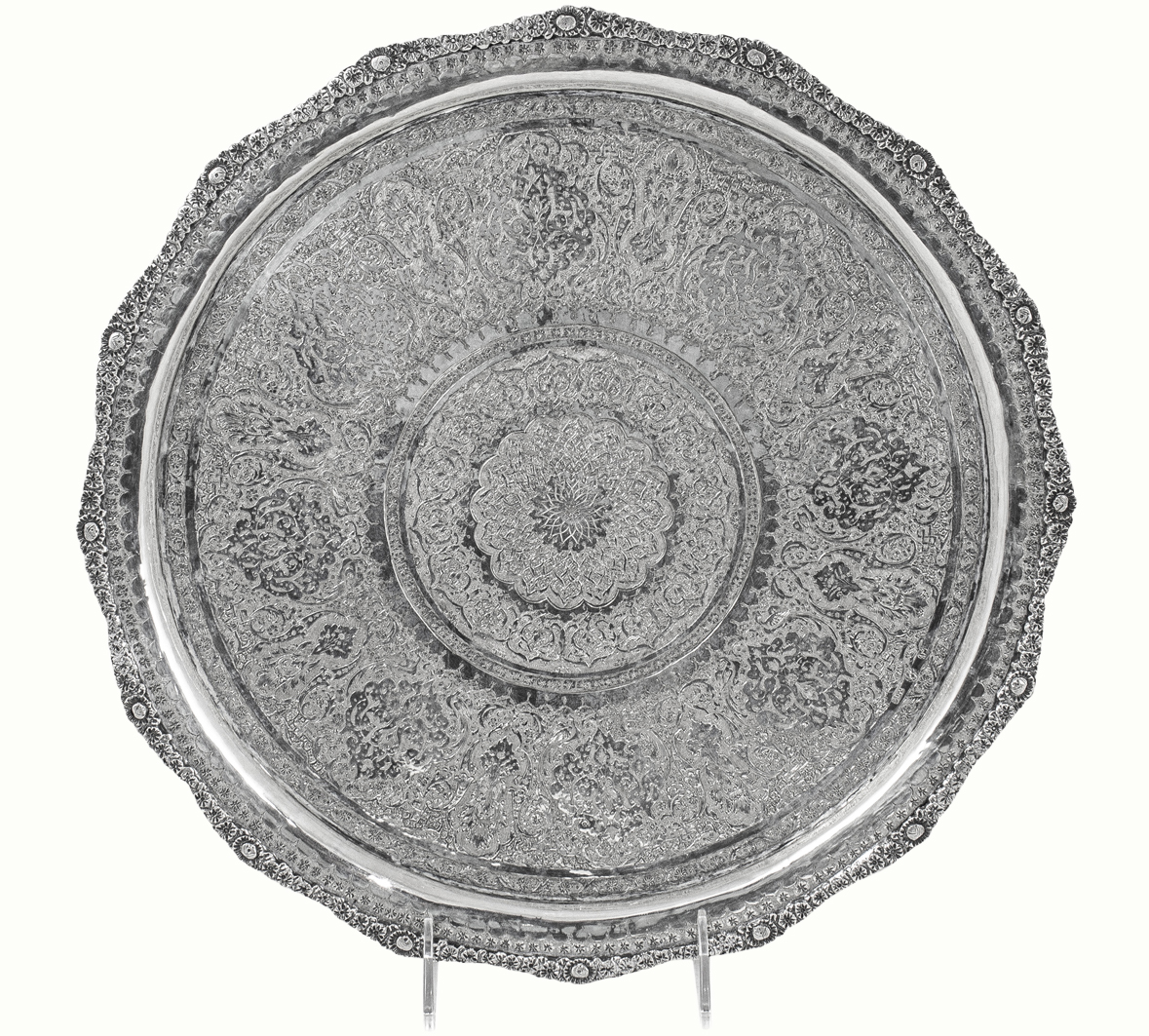
A Persian .875 silver tray 13″d, 22.6 ozt. Estimate: $600–$900
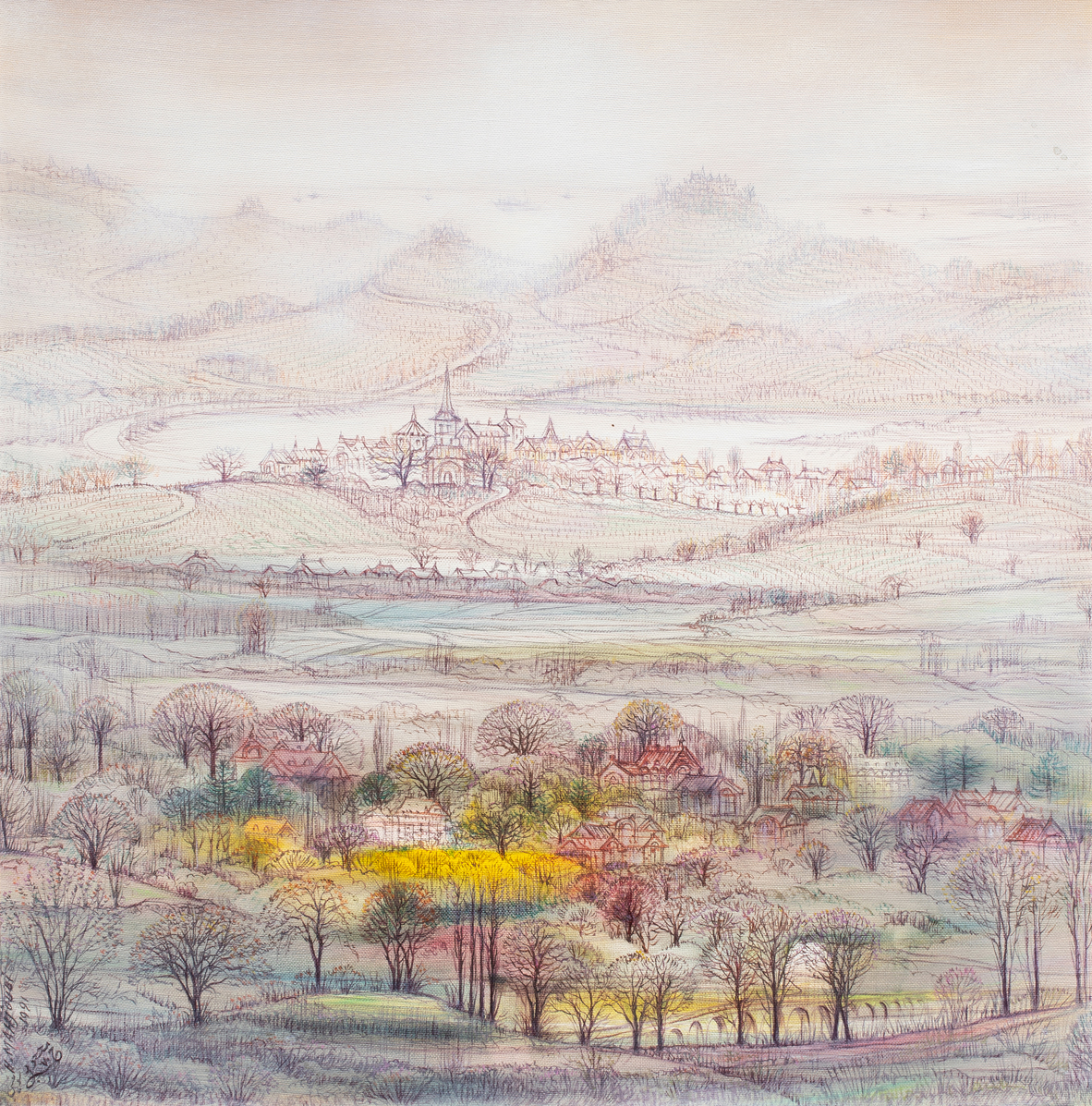
Hossein Mahjoubi (Iranian, b. 1930), No. 20, 1991, oil on canvas, 20″ x 20″. Estimate: $4,000–$6,000
A 14k gold cigarette case with 7 amethysts set in half moon shape, 3.75″ x 2.25″, 103g. Estimate: $5,000–$7,000
Notably, the collection features works by renowned Iranian artists Parviz Tanavoli and Sia Armajani, reflecting Peggy’s deep connection to both international and Iranian art and culture.
Paul Jacoulet, various woodblock prints. Estimate: $400–$600 (each)
Born on May 5, 1933, in her family’s home in St. Paul, Minnesota, to Jesse Joseph Schneider and Laura Harriette Ronning Schneider, Peggy — known to many simply as Peggy Azad — lived a life filled with purpose, passion, and artistic appreciation.
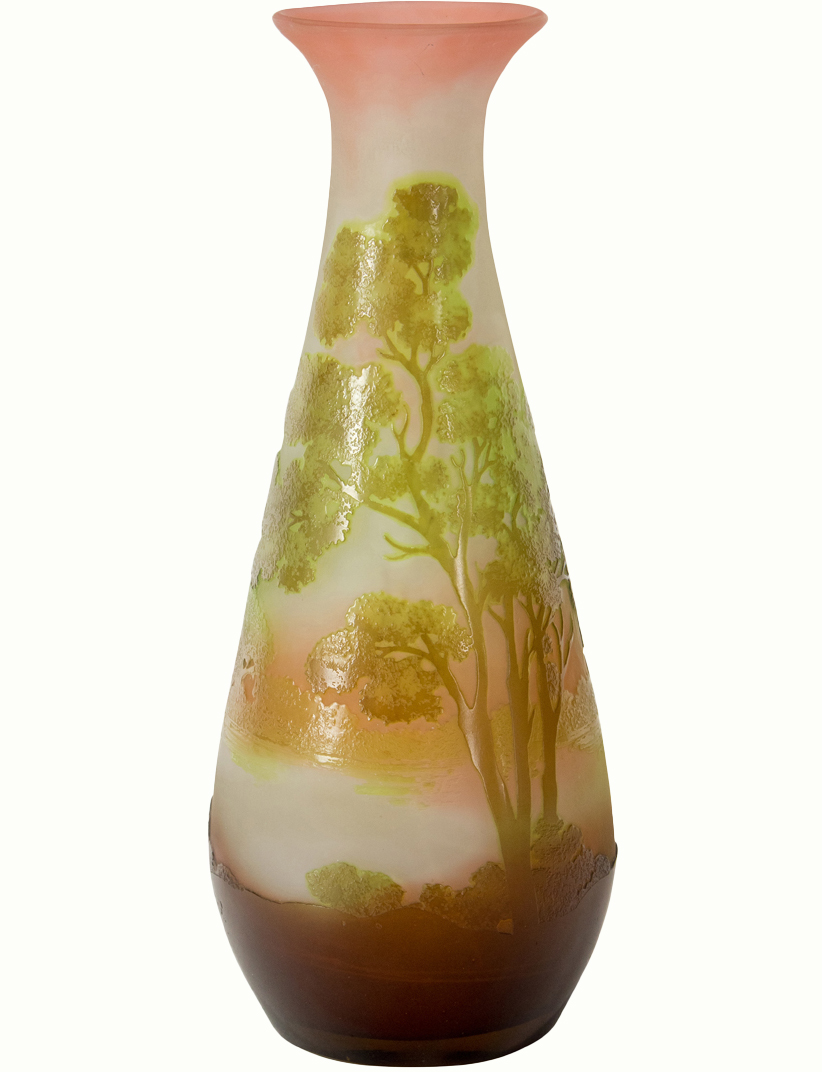
A Galle cameo glass vase. Estimate: $700–$1,000
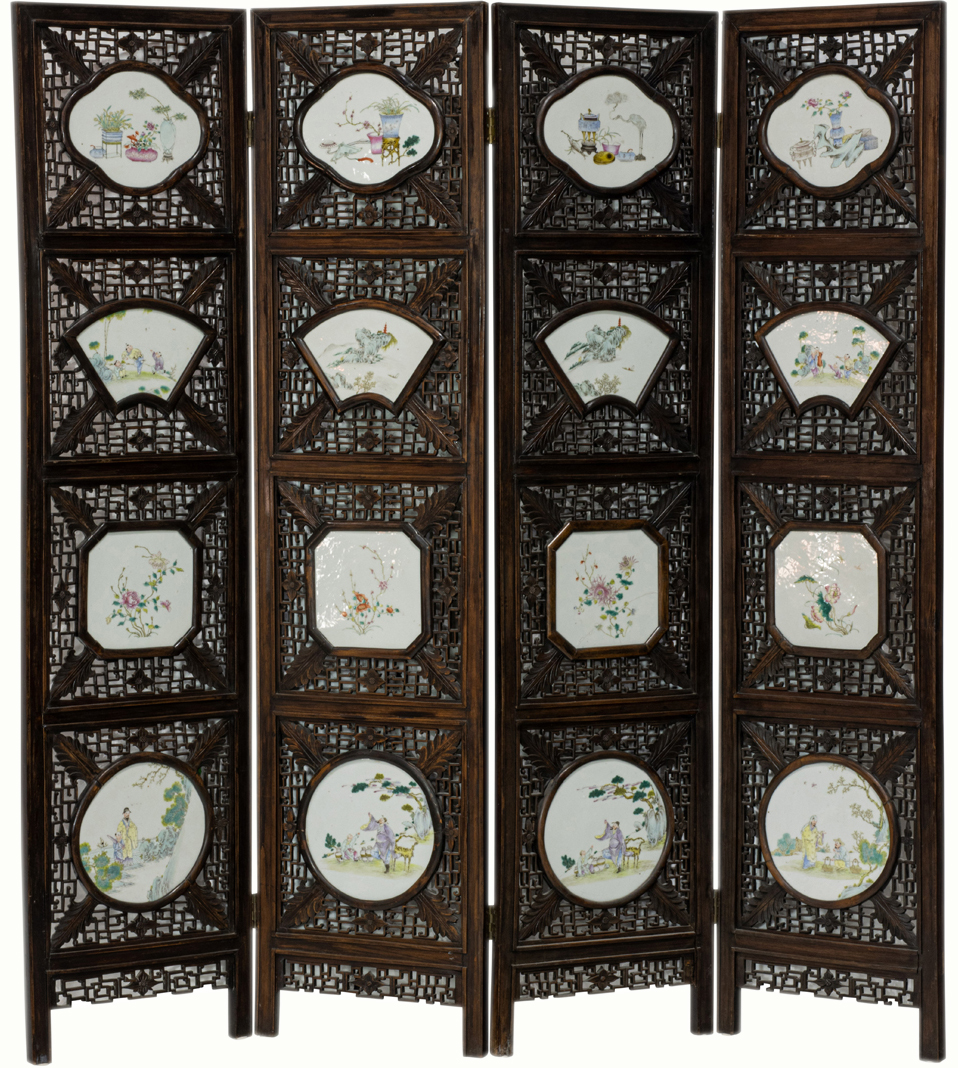
A Chinese four-panel porcelain mounted hardwood folding screen. Estimate: $3,000–$5,000
When a jade bangle bracelet or necklace fetches millions of dollars at auction, collectors worldwide wonder if their jade is also valuable. What is jade and where does it come from?
As we bid farewell to 2025, we take a moment to reflect on the remarkable moments and milestones we’ve shared with you throughout the year.
Highlights
Stories & News
Abstract & Rooted in Tradition — Seasons Page
Asian Art
Stories & News
The contemporary Asian section of our April 18th auction will feature two important works by Chuang Che (Zhuang Ze), a Chinese-American abstract artist.
One of the works, Seasons Page, was created in 1971 using mixed media on canvas and measures 33 inches in height and 49.5 inches in width, with Zhuang’s signature in Chinese at the lower left corner. This piece was exhibited at the DuBose Gallery in Houston, Texas, in 1972, and comes with Zhuang’s handwritten signature and an exhibition catalog, making it highly collectible.
Chuang’s art style blends Eastern and Western aesthetics, interpreting Chinese cultural themes through Abstract Expressionism and is highly regarded in the international art scene.
Chuang Che (Zhuang Zhe, b. 1934), Seasons Page, mixed media on canvas, 33″ x 49.5″. Estimate: $12,000–$18,000
When a jade bangle bracelet or necklace fetches millions of dollars at auction, collectors worldwide wonder if their jade is also valuable. What is jade and where does it come from?
Our February 20th Auction will present an exceptional selection from the Emmy & Dolph Andrews Estate
Estate Spotlight
Stories & News
Effortless Sophistication in Motion
Design
Stories & News
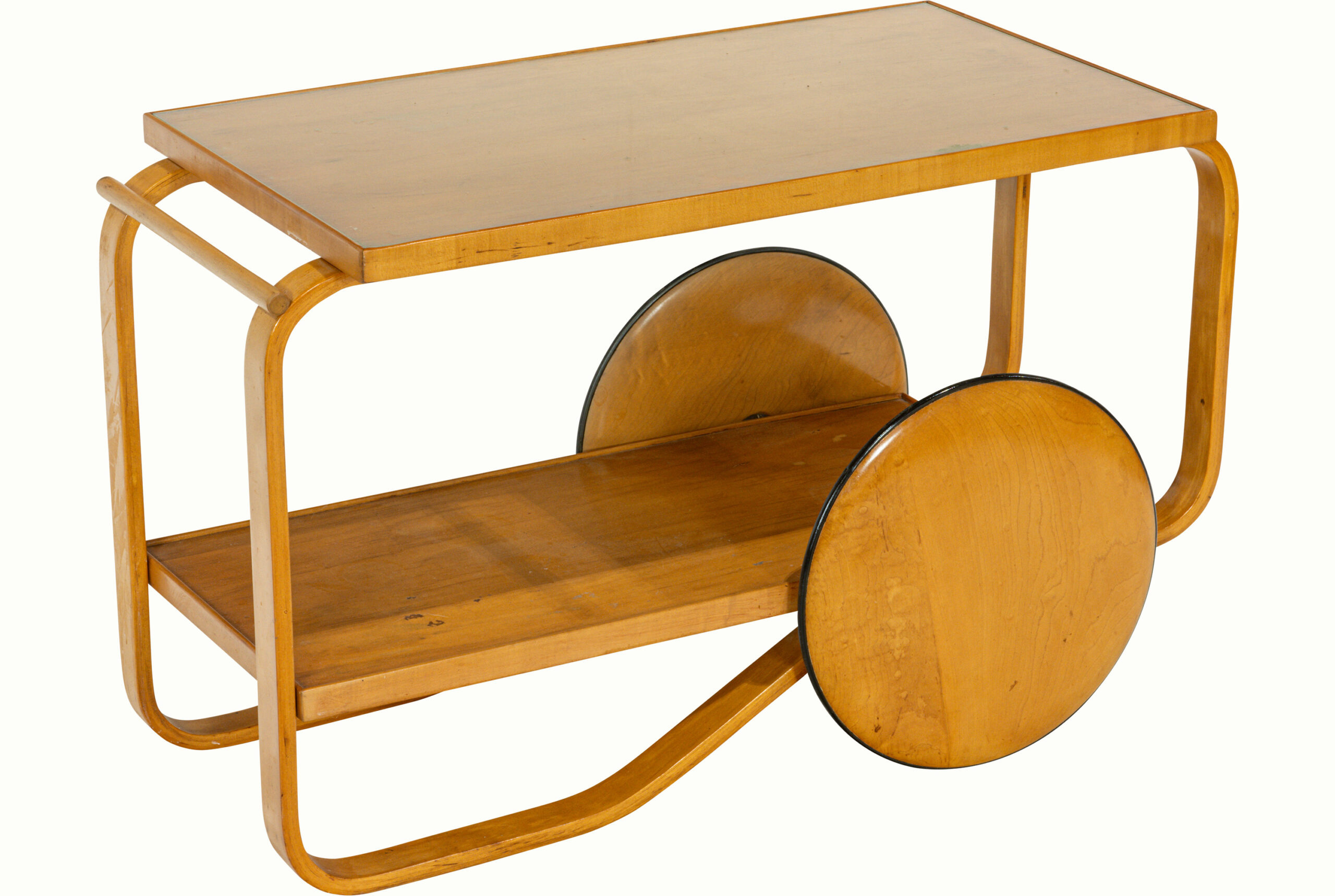
The Furniture & Decorative Arts portion of the April 18th auction will feature an impressive selection pieces. Featured is a sculptural Alvar Aalto bentwood tea trolley.
Crafted by Finnish modernist master Alvar Aalto, this elegant tea trolley exemplifies his signature minimalist form. Aalto’s visionary approach to design brought warmth and humanity to modernism — balancing clean lines with natural materials.
This piece is not only functional — it’s a sculptural icon of 20th-century design.
An Alvar Aalto bentwood tea trolley. Estimate: $2,500–$3,500
When a jade bangle bracelet or necklace fetches millions of dollars at auction, collectors worldwide wonder if their jade is also valuable. What is jade and where does it come from?
As we bid farewell to 2025, we take a moment to reflect on the remarkable moments and milestones we’ve shared with you throughout the year.
Highlights
Stories & News
Sculptural, Iconic, and Effortlessly Modern
Design
Stories & News
This April 18th we will offer pair of Arne Jacobsen for Fritz Hansen Swan chairs — sculptural, iconic, and effortlessly modern.
Designed in 1958 for the SAS Royal Hotel in Copenhagen, the Swan chair is one of Arne Jacobsen’s most celebrated works. A master of Danish modernism, Jacobsen blended form and function with striking elegance. His designs, including the Egg and Swan chairs, continue to shape interiors worldwide.
This pair, produced by Fritz Hansen, represents the enduring legacy of Scandinavian design — minimalist, organic, and timeless. Offered at an estimate of $1,200–$1,500, these iconic chairs will be sure to enhance any space.
A pair of Arne Jacobsen for Fritz Hansen Swan chairs. Estimate: $1,200–$1,500
When a jade bangle bracelet or necklace fetches millions of dollars at auction, collectors worldwide wonder if their jade is also valuable. What is jade and where does it come from?
As we bid farewell to 2025, we take a moment to reflect on the remarkable moments and milestones we’ve shared with you throughout the year.
Highlights
Stories & News
Imperial Elegance at Auction
Asian Art
Stories & News
This season, we will introduce a series of selected embroidery pieces, with the highlight being an 18th-century Qing dynasty imperial yellow satin brocade robe, chuba with gold dragon patterns among colorful clouds.
From the end of the Tang dynasty, China’s relationship with Tibet evolved with continuous political and religious exchanges during the Yuan, Ming, and Qing dynasties, sending precious court-manufactured silk fabrics to Tibet. Initially reserved for the imperial court, these fabrics later became significant gifts for Tibetan nobility and high-ranking monks. In the 18th century, the Qing court custom-made luxurious silk garments for Buddhist ceremonies, granting many dragon robes, which gradually became traditional attire for Tibetan nobility.
This Chuba-style robe was custom-made in Tibet from 18th-century Chinese yellow ground brocade, adorned with a five-clawed golden dragon clutching a fiery pearl amidst colorful clouds in pink, blue, green, and ochre, with a terrestrial map motif at the hem. The collar and trim are in pale blue silk depicting original wave-like edges, measuring 55 inches in height and 70 inches in width. This robe not only showcases the exquisite craftsmanship of the Qing court but also serves as an important physical testament to the historical exchanges between China and Tibet.
An Imperial yellow satin brocade robe, chuba. Estimate: $30,000–$50,000
When a jade bangle bracelet or necklace fetches millions of dollars at auction, collectors worldwide wonder if their jade is also valuable. What is jade and where does it come from?
Our February 20th Auction will present an exceptional selection from the Emmy & Dolph Andrews Estate
Estate Spotlight
Stories & News
Pawn Stars featuring Clars’ Deric Torres
Furniture & Decorative Arts
Stories & News
Big moment on Pawn Stars! Our very own appraiser, Deric Torres from Clars Auctions, helped a customer who thought she had a rare Oscar Bach Hall telephone table worth a fortune. After closely inspecting the piece, Deric revealed it wasn’t authentic — here’s why:
…because the casting was not well done, not marked, and not executed in the same manner one would expect on a well-documented authentic example. Below is information about the history of the firm, and Bach’s bitter break up with business partner Bertram Segar — who is infamous for making poor reproductions of designs created by Bach.
Deric Torres, Clars Senior Vice President and Furniture specialist, on Pawn Stars (Airdate 4/2/25).
A reproduction of an Oscar Bach Hall telephone table which was evaluated by Deric on the show (Airdate 4/2/25).
Oscar Bach was a technically adept, stylistically diverse, and commercially successful master metalsmith. Born in Germany, he studied at both the Royal Academy and Imperial Academy of Art in Berlin before becoming the artistic director of a metallic arts firm in Hamburg. In 1911, Bach won the Grand Prix at the World’s Exposition in Turin for a bed he designed for Kaiser Wilhelm II. That same year, he moved to the United State to establish a business with his brother Max in New York City.
The brothers quickly opened a metal design studio and flourished throughout the 1920s and 30s, with Oscar creating beautiful objects for wealthy New York clientele and custom architectural elements for country estates. He designed a multitude of domestic objects and grand commissions, including the lobby panel for the Empire State Building and monumental plaques for Radio City Music Hall — created in collaboration with Hildreth Meiere. Bach was awarded the prestigious Medal of Honor in 1926 from the Architectural League of New York for a set of bronze doors he designed for their club room. Not just a talented designer, but a savvy marketer and self-promoter, Bach enjoyed a long and successful career. His work can be found in the permanent collections of The Metropolitan Museum of Art, The Minneapolis Museum of Art, The Wolfsonian, and Reynolda House.
Deric explains to the customer that the casting on her piece is not crisp as it would be on an Oscar Bach piece (Airdate 4/2/25).
In April of 1923, upon an acrimonious split with a third business partner named Bertram Segar, the Bach brothers moved to a new studio at 511 West 42nd Street and renamed their firm Oscar B. Bach and Associated Craftsmen. Bertram Segar remained in the West 17th Street studio, renaming it The Segar Studios. There, Bertram Segar continued to reproduce many of Bach’s original designs and variations on Bach’s designs, either selling them in an unmarked state or stamping them with his SEGAR STUDIOS mark.
Desperate to set the record straight, Bach put full page advertisements in multiple issues of Arts & Decorations stating that, “All products designed and executed in my studios bear my facsimile signature, and no other articles are genuine.” And, “It is distressing to find other things — ugly things that I could not create, put before the public with the insinuation that they are my work. It is not only distressing but a fraud on the public.”
In Deric’s opinion, although the table is an inauthentic Bach reproduction, it is still a showcase piece that would be worth around a retail price of $2,000 (Airdate 4/2/25).
This is why the conclusion of it not being authentic was determined. Watch the full story unfold and how Deric gently let the buyer down easy (we hope). Catch the episode and let us know what you think!
When a jade bangle bracelet or necklace fetches millions of dollars at auction, collectors worldwide wonder if their jade is also valuable. What is jade and where does it come from?
As we bid farewell to 2025, we take a moment to reflect on the remarkable moments and milestones we’ve shared with you throughout the year.
Highlights
Stories & News
Sold! Rare Robin’s Egg Glazed hu-form Vase
Asian Art
Stories & News
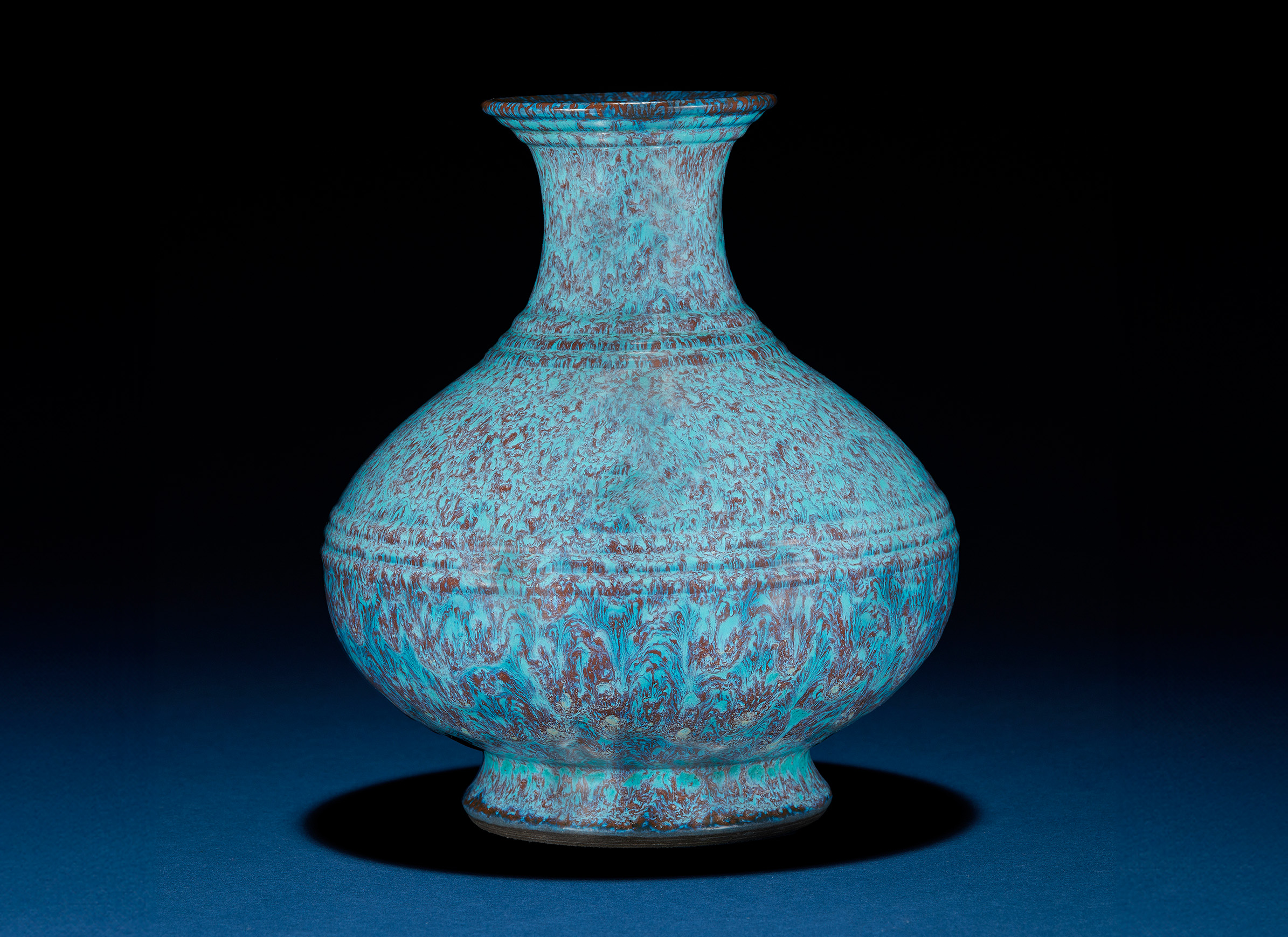
At our Fine Asian Art Auction on December 20th 2024, Clars presented an exceptionally rare Qing Yongzheng Robin’s Egg Glazed hu-form Vase which sold for an astounding $630,000.
Are you interested in learning about the value of your items?
CONSIGN NOW for our next Fine Asian Art Auction on April 18th.
The story of this vase is as compelling as the piece itself. According to the consignor, the vase originally belonged to his mother-in-law, who lived in Brooklyn, New York, in the 1970s. She was of Swedish immigrant descent, sent to an orphanage at the age of six after her mother’s passing, and later adopted by a kind family. As an adult, she married a man who worked for Nestlé and had two sons. After her husband’s death, she returned to Brooklyn, where she lived with her family and was beloved for her involvement in church activities, playing the piano, and teaching Sunday school.
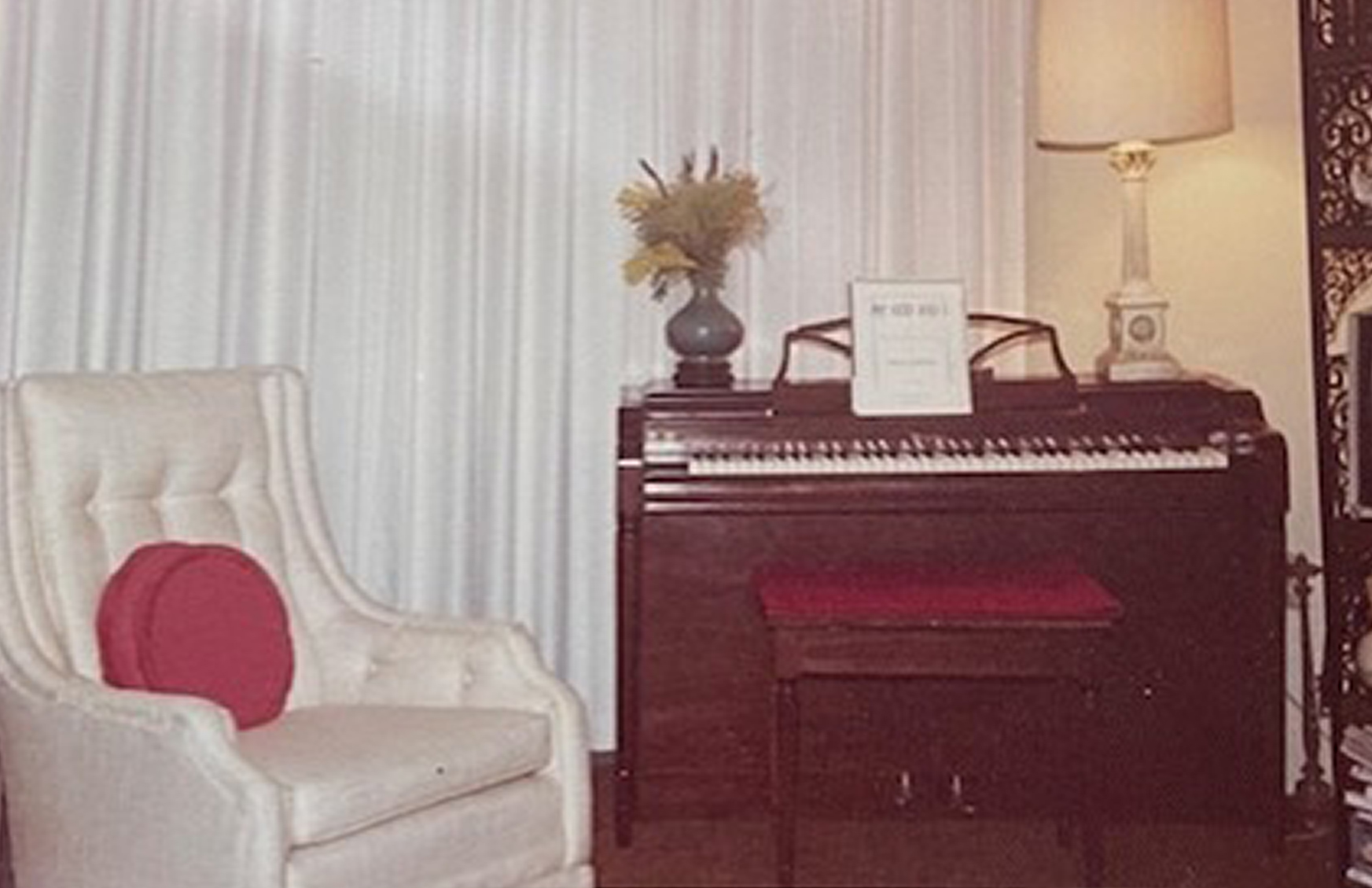
In the 1970s, she bought the vase from a street vendor’s stall in Brooklyn for a small amount. She treasured it and often displayed it on her piano, filled with dried leaves. In 1986, she moved to California to live with her son, bringing the vase along. However, the vase was forgotten for decades, stored in a shoebox in a closet until Clars Auctions rediscovered the vase, unveiling a story that had been hidden for years.
The consignor expressed, “Such a beautiful and historically significant vase should not be hidden away in a closet; it deserves to be admired by many.” And that’s exactly what happened. The remarkable vase took center stage at auction and captured the attention of collectors worldwide.
The robin’s egg glazed hu-form vase as seen in the previous owner’s home, filled with flowers on top of a piano.
The “Lujun Glaze” porcelain, also known as Robin’s Egg glaze, originated during the Yongzheng period of the Qing Dynasty, crafted at the Jingdezhen Imperial Kiln under the supervision of Tang Ying. It was named for its resemblance to the low-temperature Jun wares of the Song Dynasty. The glaze combines techniques from both Jun ware and Yixing drip-glaze, resulting in unique flowing shades of red, blue, and purple. The surface is smooth and silky, with colors that change dynamically under natural light, evoking the beauty of nature.
An exceptionally fine and rare robin’s egg glazed hu-form vase, seal mark and period of Yongzheng. Photo Credit: Wyatt Beserra @ BESERRA PHOTO Sold: $630,000
As recorded in the Record of Ceramics Completion Stele, the Lujun glaze “resembles the Eastern Kiln and Yixing drip-glaze,” with distinctive fluid patterns and colors. It represents Tang Ying’s innovative fusion of traditional styles and highlights the Qing Dynasty’s dedication to ceramic artistry and aesthetic perfection. Due to its complex production process, surviving pieces are rare and mostly palace ware, making them highly valuable collectibles and a pinnacle of Qing porcelain craftsmanship.
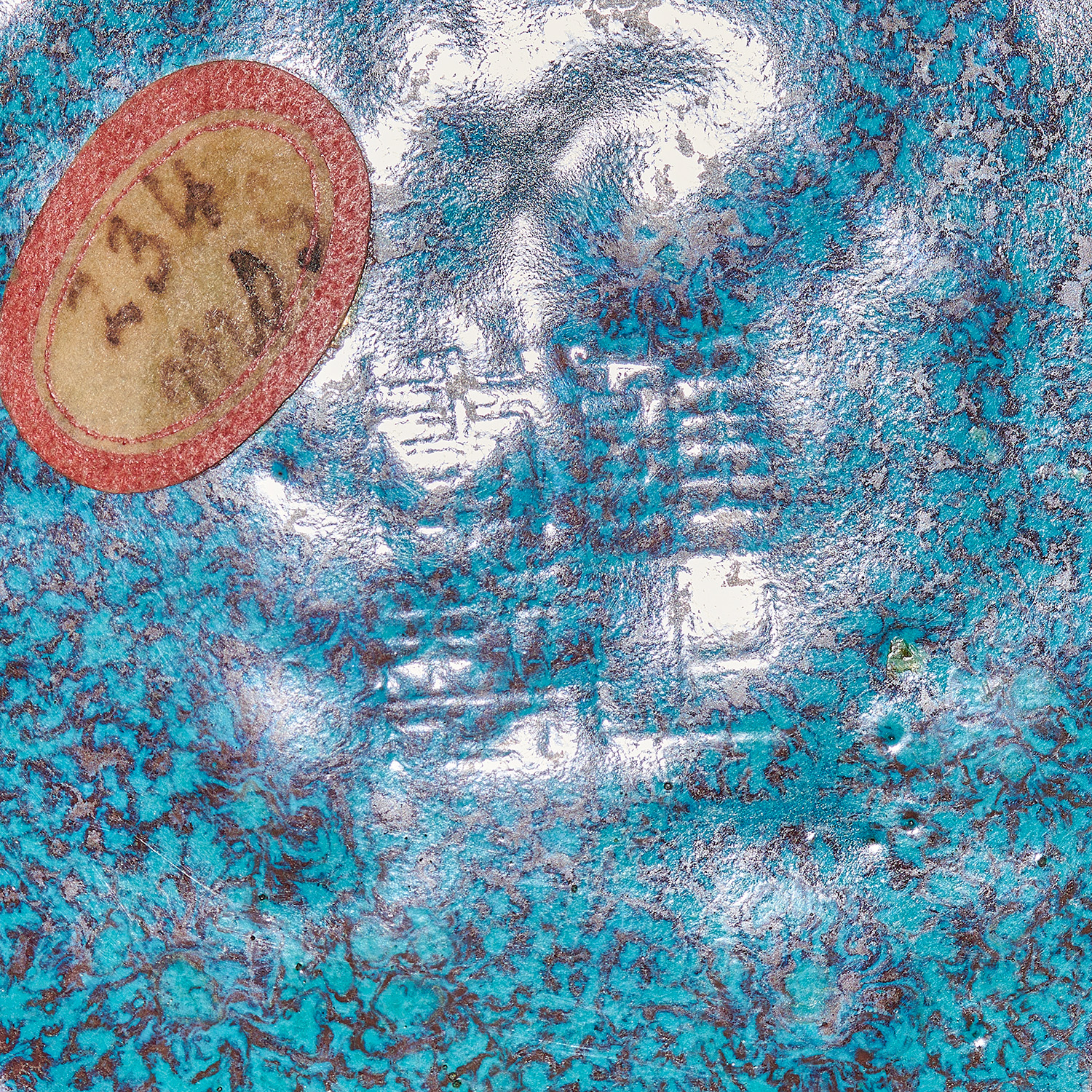
Detail of seal mark and base of vase.
The Chinese Robin’s egg glazed hu-form vase sold by Clars has an elegant and dignified form, showcasing a flared mouth, short neck, elongated curved body, and wide splayed foot, standing at approximately 19 centimeters tall. The mouth, neck, and belly of the vase are adorned with three string patterns, which are simple yet graceful, adding a three-dimensional effect and enhancing the visual appeal of the piece. This design reflects the refined and majestic style typical of Yongzheng porcelain. The base is engraved with a two-line, four-character mark: “Yongzheng Nian Zhi,” further indicating its imperial provenance and outstanding craftsmanship.
When a jade bangle bracelet or necklace fetches millions of dollars at auction, collectors worldwide wonder if their jade is also valuable. What is jade and where does it come from?
Our February 20th Auction will present an exceptional selection from the Emmy & Dolph Andrews Estate
Estate Spotlight
Stories & News
Rare Northern Baroque Carved Altar Table
Furniture & Decorative Arts
Stories & News
The Furniture & Decorative Arts segment will feature a number of standout pieces in our March 21st auction.
One such piece is a rare Northern Baroque carved altar table with tabernacle, dating to the late 17th century, estimated at $8,000–$12,000. Fully carved with biblical reserves, this exquisite table highlights the exceptional craftsmanship of the period.
A fine and rare Northern Baroque carved altar table with tabernacle, late 17th century, fully carved with biblical reserves. Provenance: Property from the collection of Santa Sabina Center, San Rafael, and the Sisters of St. Dominic. Estimate: $8,000–$12,000
When a jade bangle bracelet or necklace fetches millions of dollars at auction, collectors worldwide wonder if their jade is also valuable. What is jade and where does it come from?
As we bid farewell to 2025, we take a moment to reflect on the remarkable moments and milestones we’ve shared with you throughout the year.
Highlights
Stories & News
Eight Immortals Verte Globular Vase
Asian Art
Stories & News
The Asian Art department will showcase a range of rare and desirable items at our March 21st auction, including a 19th-century Chinese famille verte globular vase.
This exquisite vase, decorated with the legendary Eight Immortals, showcases exceptional craftsmanship and vibrant colors. Valued between $1,000–$1,500, it presents an opportunity for collectors to acquire a piece of Chinese cultural history.
A Chinese famille verte reticulated globular vase. Estimate: $1,000–$1,500
When a jade bangle bracelet or necklace fetches millions of dollars at auction, collectors worldwide wonder if their jade is also valuable. What is jade and where does it come from?
Our February 20th Auction will present an exceptional selection from the Emmy & Dolph Andrews Estate
Estate Spotlight
Stories & News
Armorial Dinner Service Up For Auction
Furniture & Decorative Arts
Stories & News
In our upcoming March 21st Auction, we will be offering a Chamberlains Worcester armorial porcelain part dinner service made for the Scott Family of Great Barr Hall, early 19th century.
Sir Joseph Scott of Great Barr Hall, Worcester’s parliamentary representative, was granted a baronetcy in 1806. This armorial service, created for him, was appropriately crafted by the Chamberlains Worcester factory, highlighting the connection between the patron and the local craftsmanship.
A Chamberlains Worcester armorial porcelain part dinner service made for the Scott Family of Great Barr Hall, early 19th century. Estimate: $4,000–$6,000
When a jade bangle bracelet or necklace fetches millions of dollars at auction, collectors worldwide wonder if their jade is also valuable. What is jade and where does it come from?