The Asian Works of Art Auction, featuring a curated selection of Chinese and Japanese works, will take place at Clars Auctions on February 19th, 2PM PST.
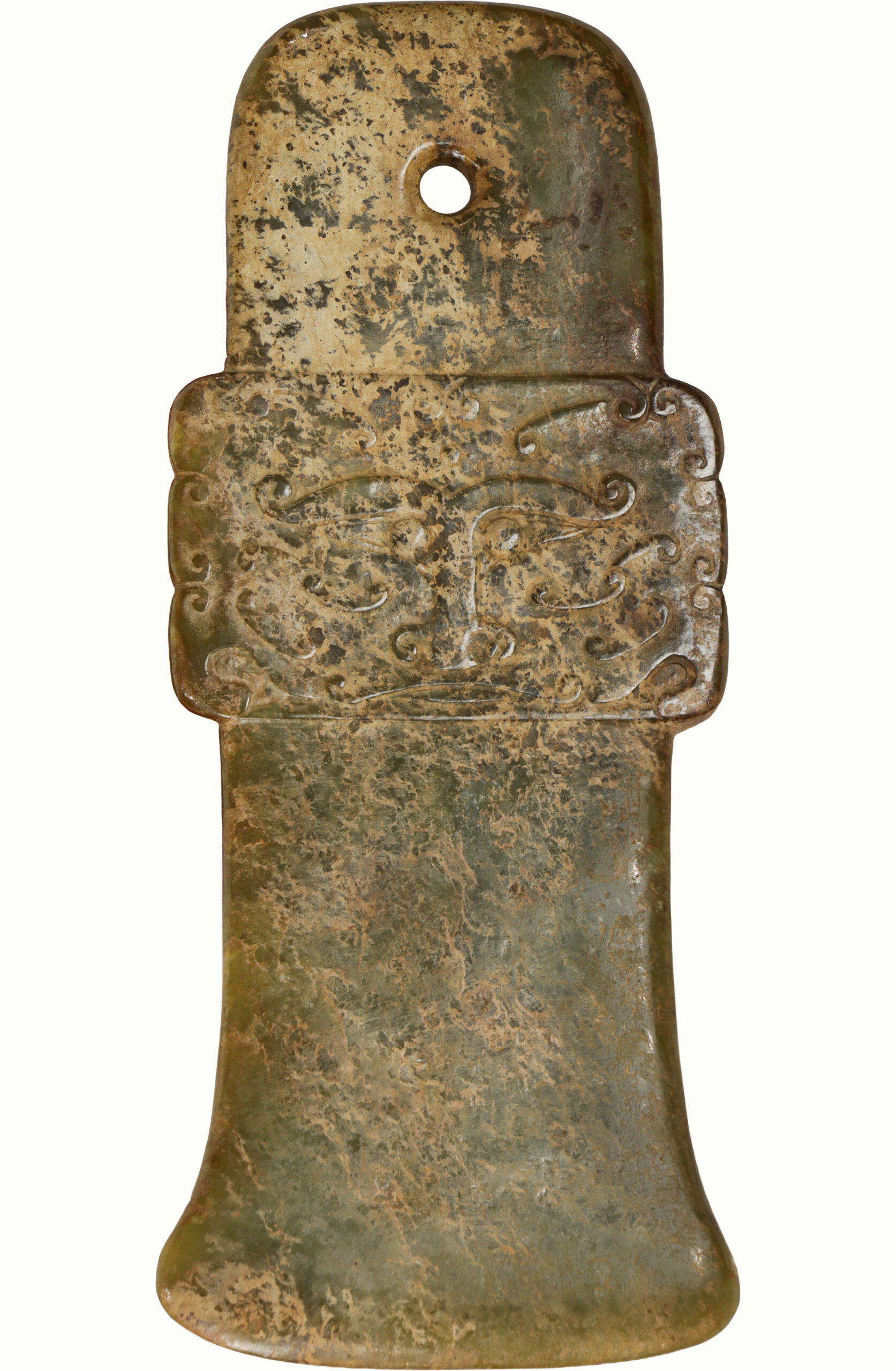
A Chinese sacrificial jade axe, Western Zhou dynasty. Estimate: $8,000–$12,000
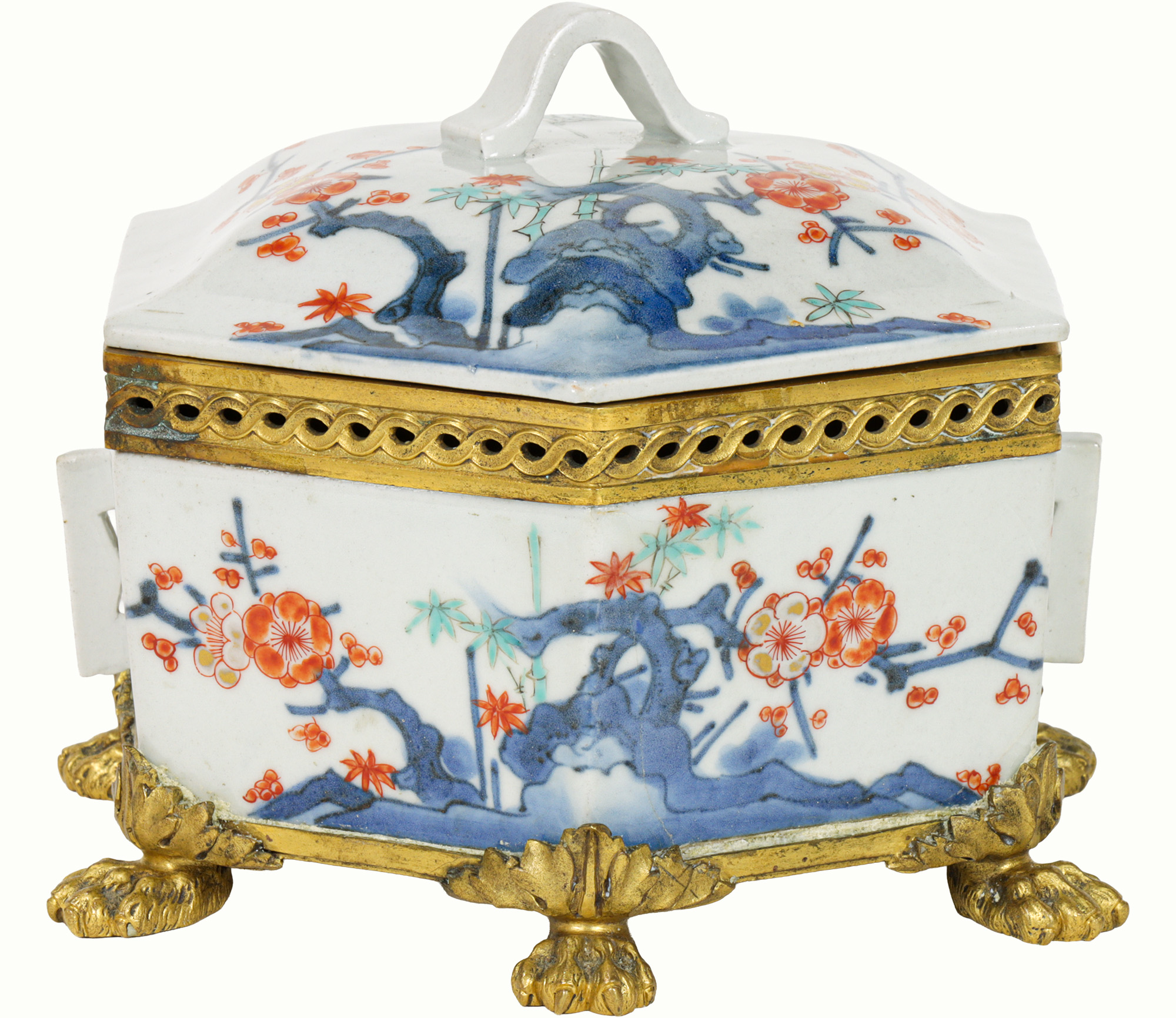
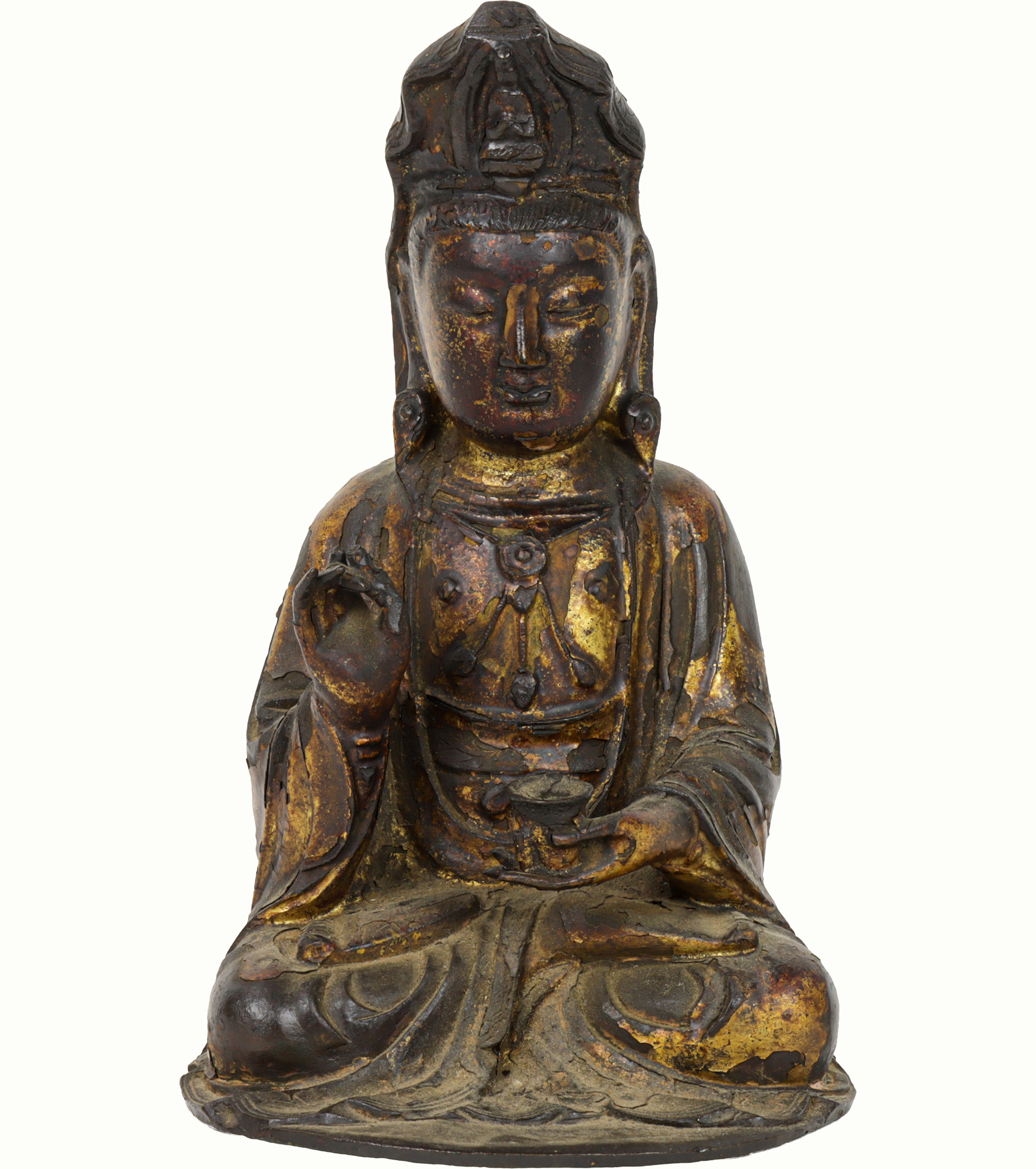
Highlights include an elegant 18th-century Japanese Kakiemon lidded potpourri vase estimated at $4,000–$6,000, and a Chinese Ming dynasty bronze seated figure of Guanyin estimated at $2,000–$4,000.
A Japanese Kakeimon lidded pot-pourri vase, 18th century. Estimate: $4,000–$6,000
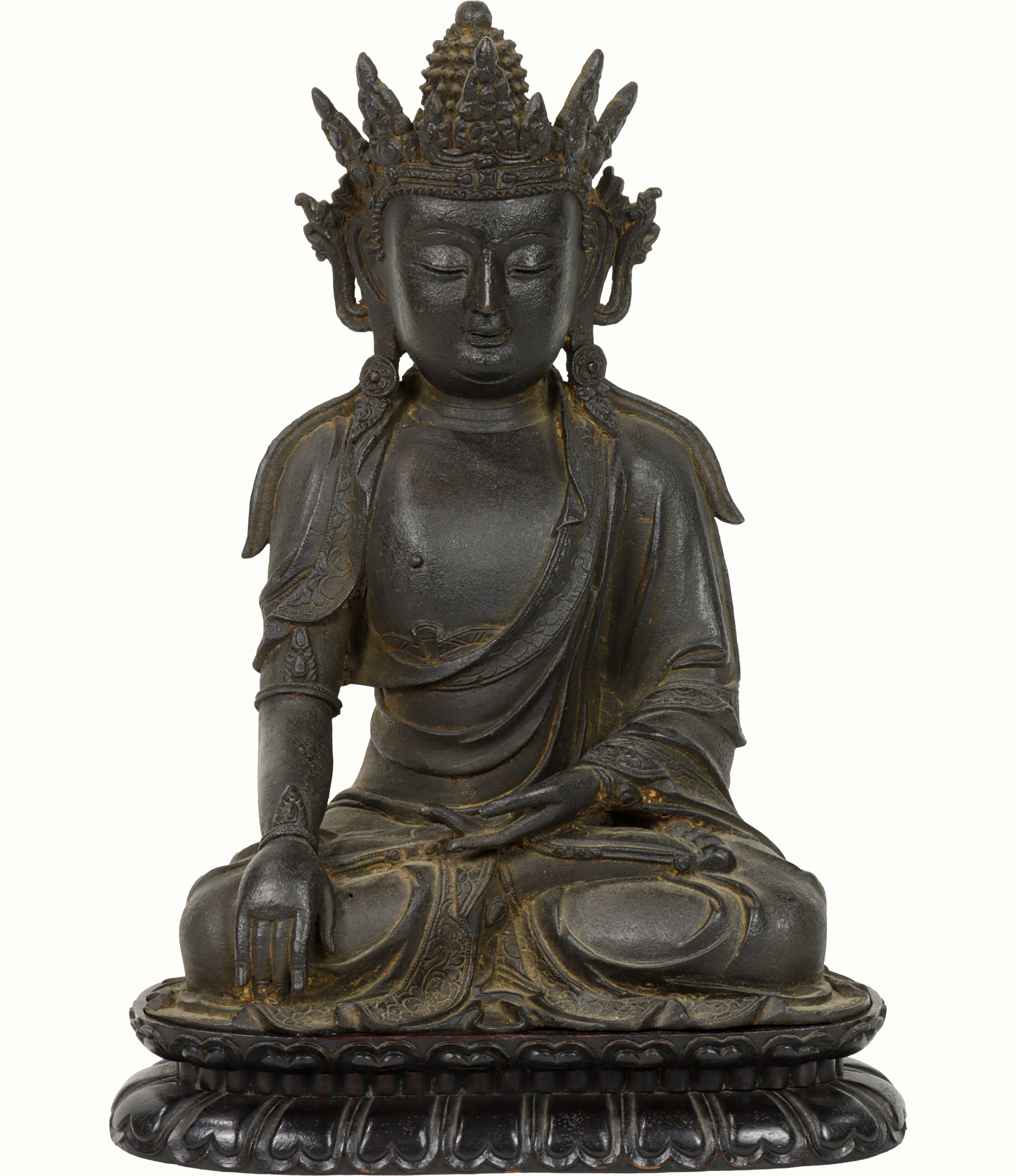
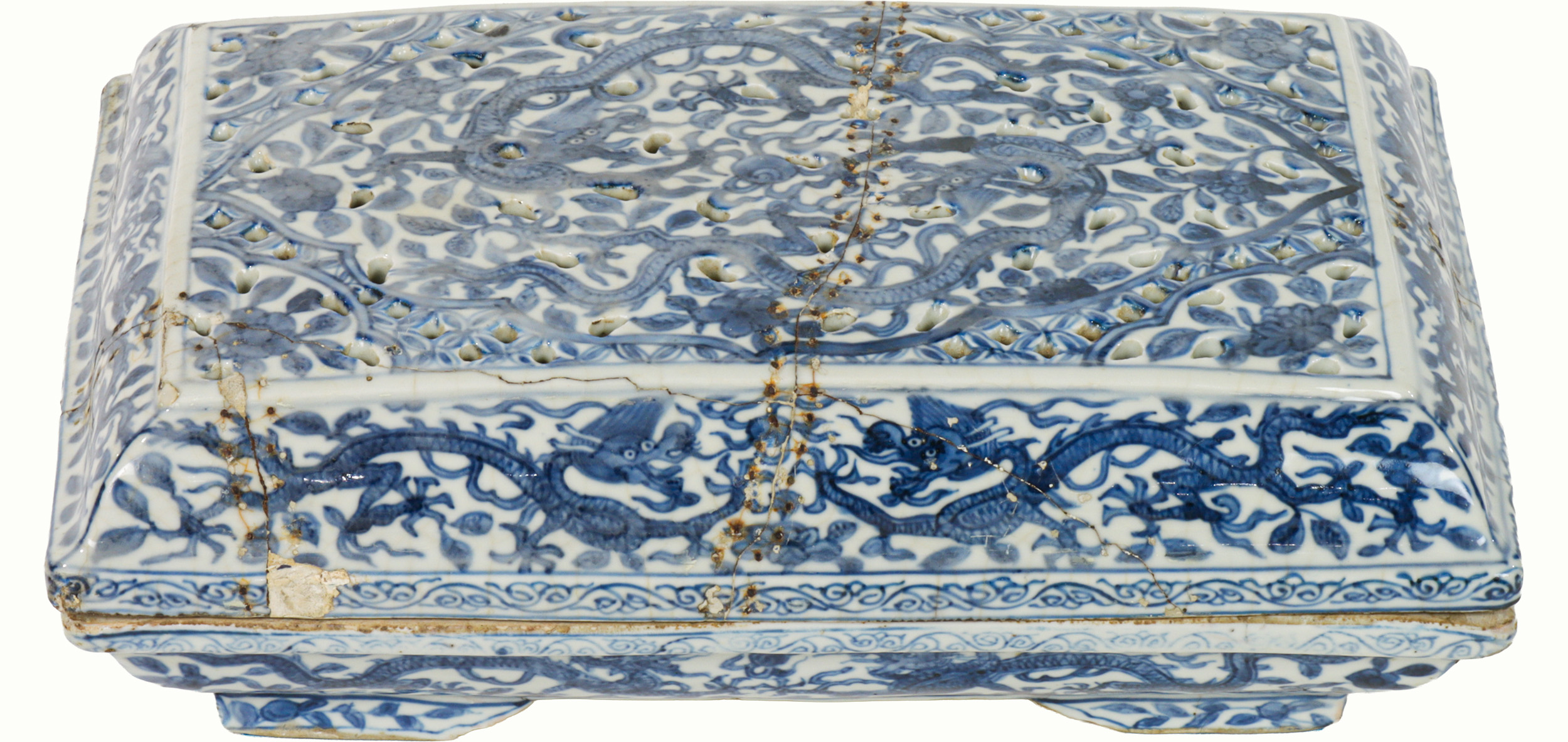
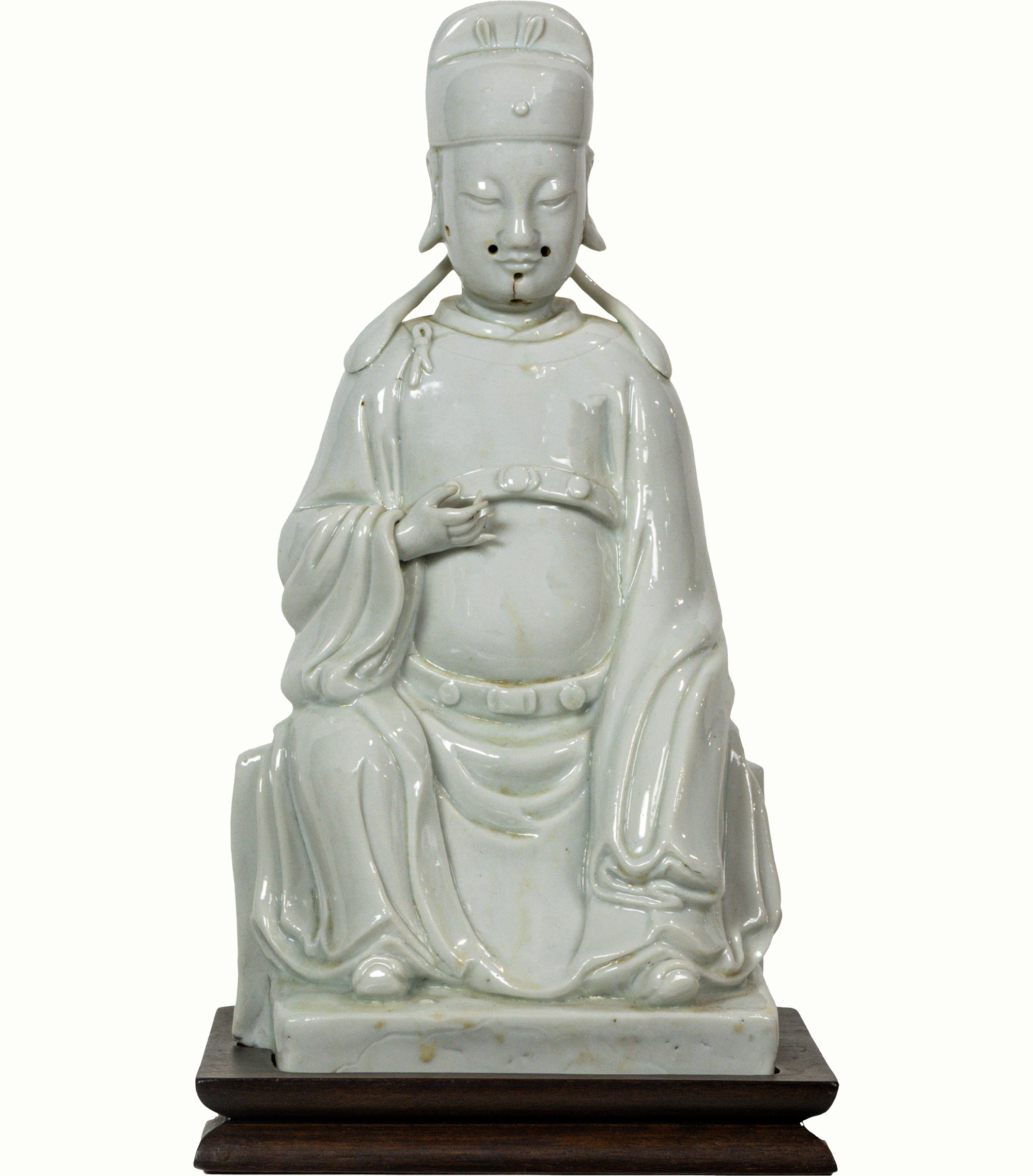
The auction also presents an important private San Francisco collection of Chinese ceramics and bronze sculptures spanning the Tang, Song, Ming, and Qing dynasties. Notable works include Ming dynasty Buddhist bronze figures of Guanyin and Akshobhya Buddha, a Wanli mark and period blue-and white ‘dragon’ box, a late Ming dynasty Dehua figure of Wenchang, and a rare Chinese ceremonial jade axe blade dating to the Western Zhou dynasty.
A Chinese bronze seated figure of Guanyin, Ming dynasty. Estimate: $2,000–$4,000
A Chinese bronze seated figure of Akshobhya, Ming dynasty. Estimate: $2,000–$4,000
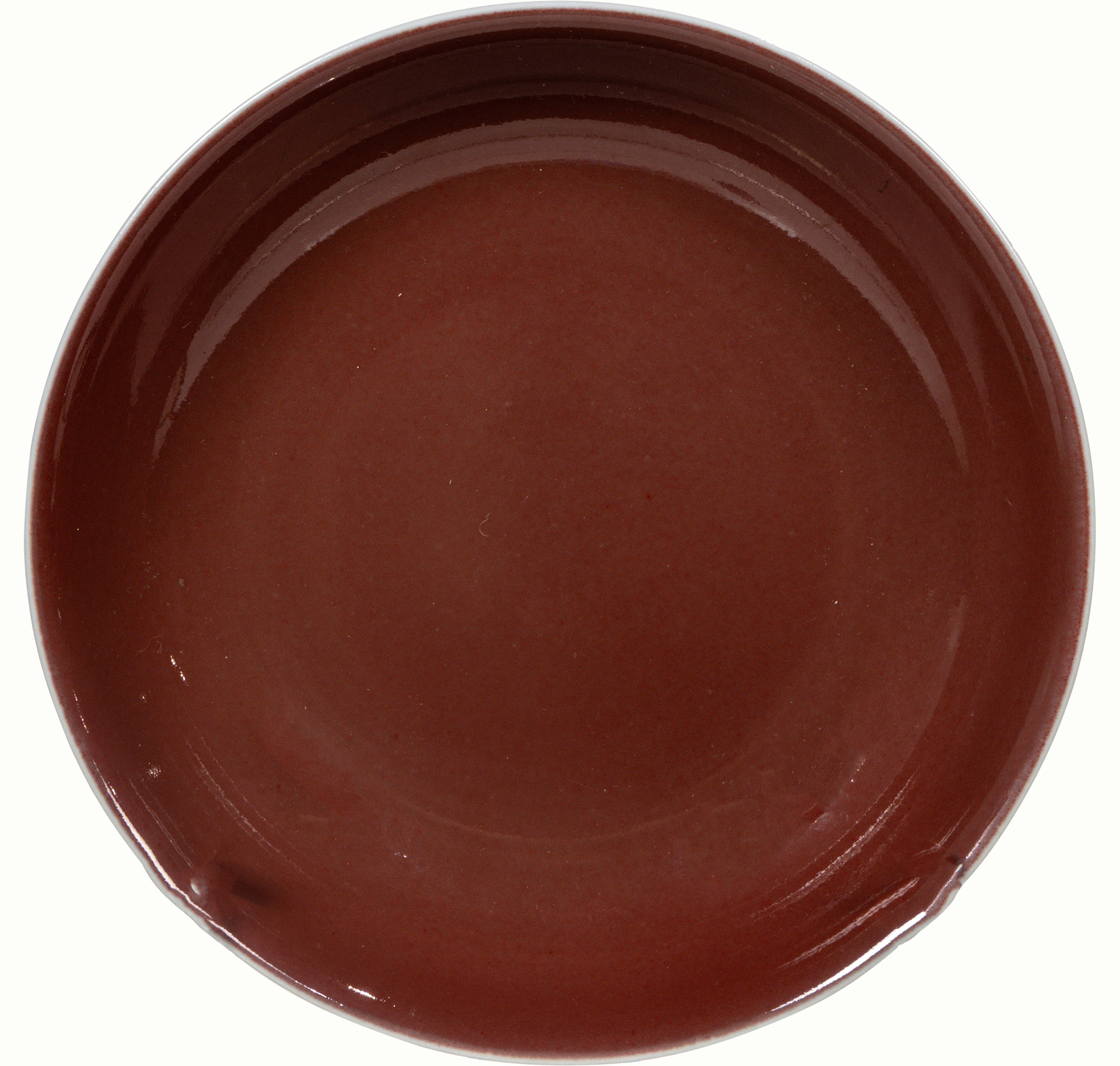
A Chinese copper-red glazed dish, Daoguang six-character mark and of the period. Estimate: $2,000–$4,000
A Chinese blue and white rectangular box and cover, Wanli mark and of the period. Estimate: $1,000–$1,500
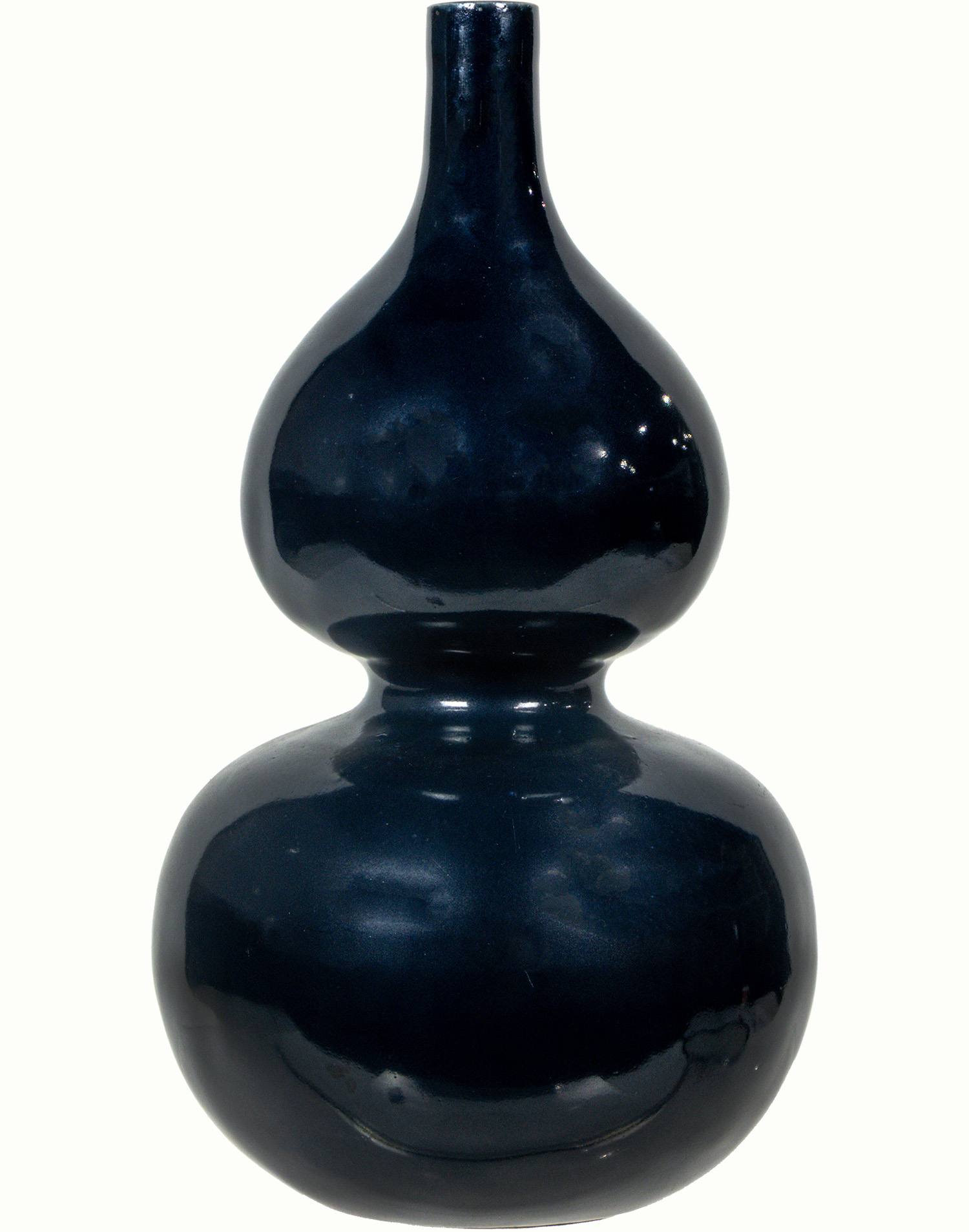
A Chinese blue glazed double gourd vase, Guangxu six-character mark and of the period. Estimate: $800–$1,200
A Chinese Dehua seated figure of Wenchang, late Ming dynasty. Estimate: $800–$1,200
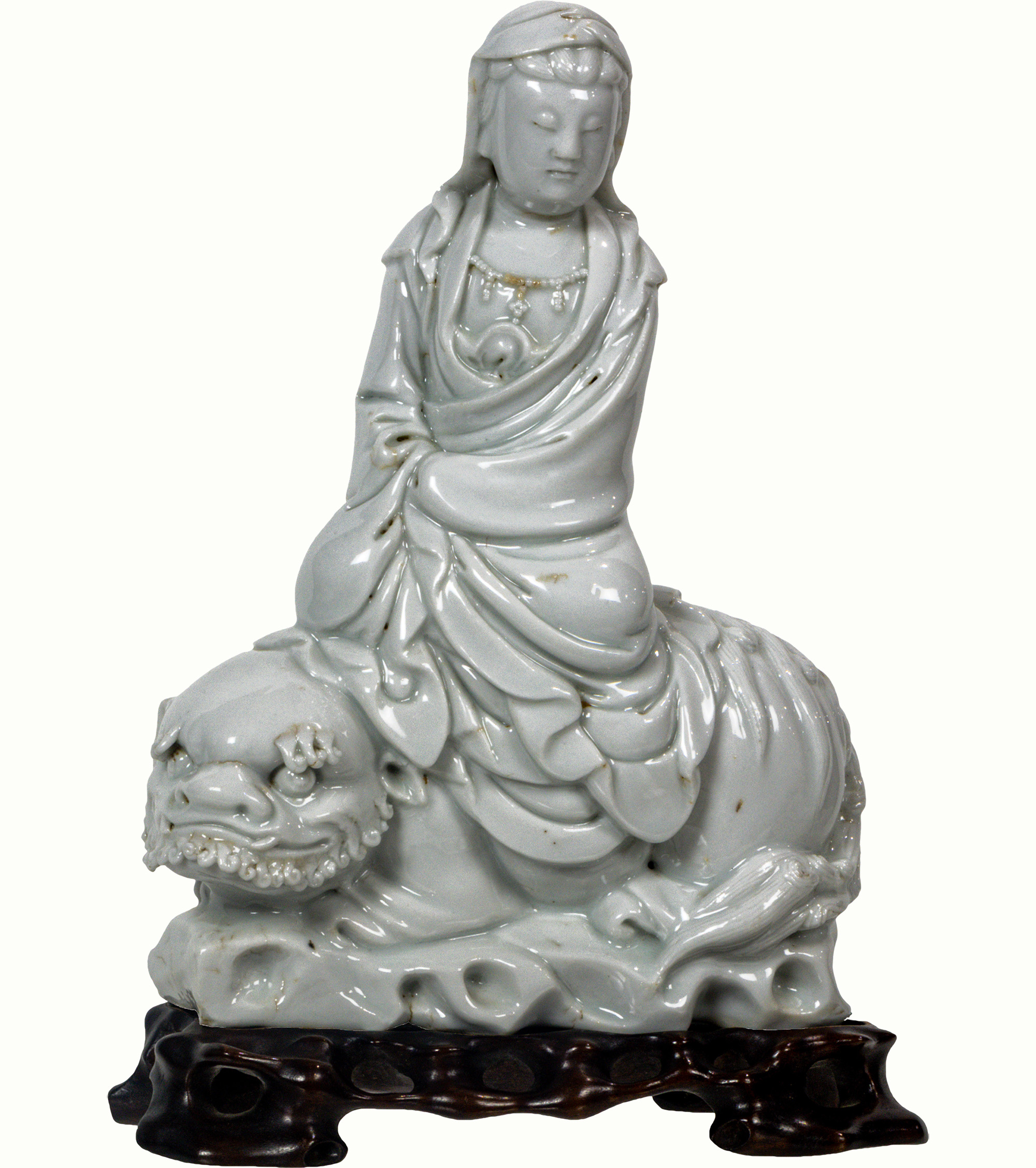
A Chinese Dehua seated figure of Guanyin, 19th century. Estimate: $600–$900
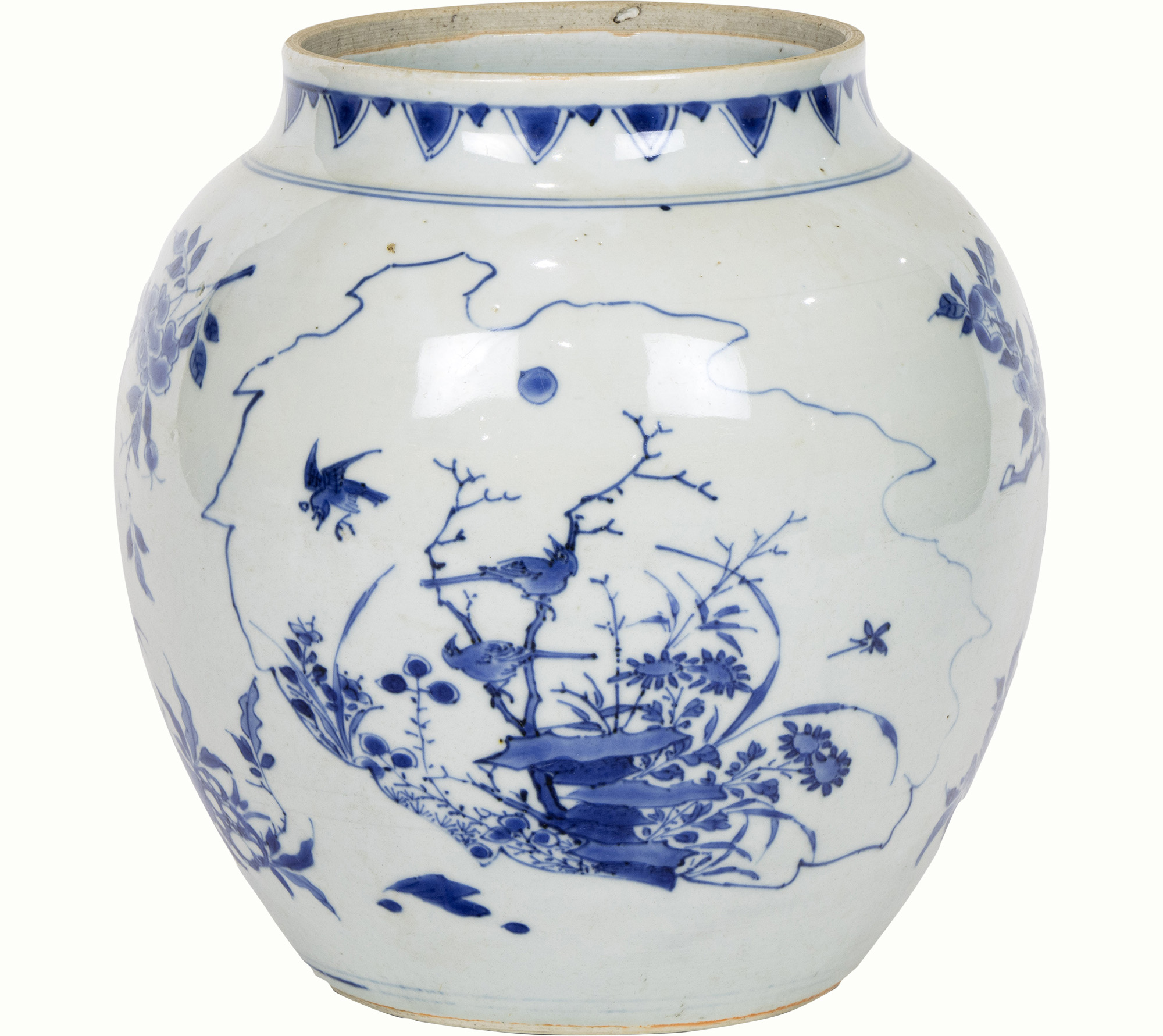
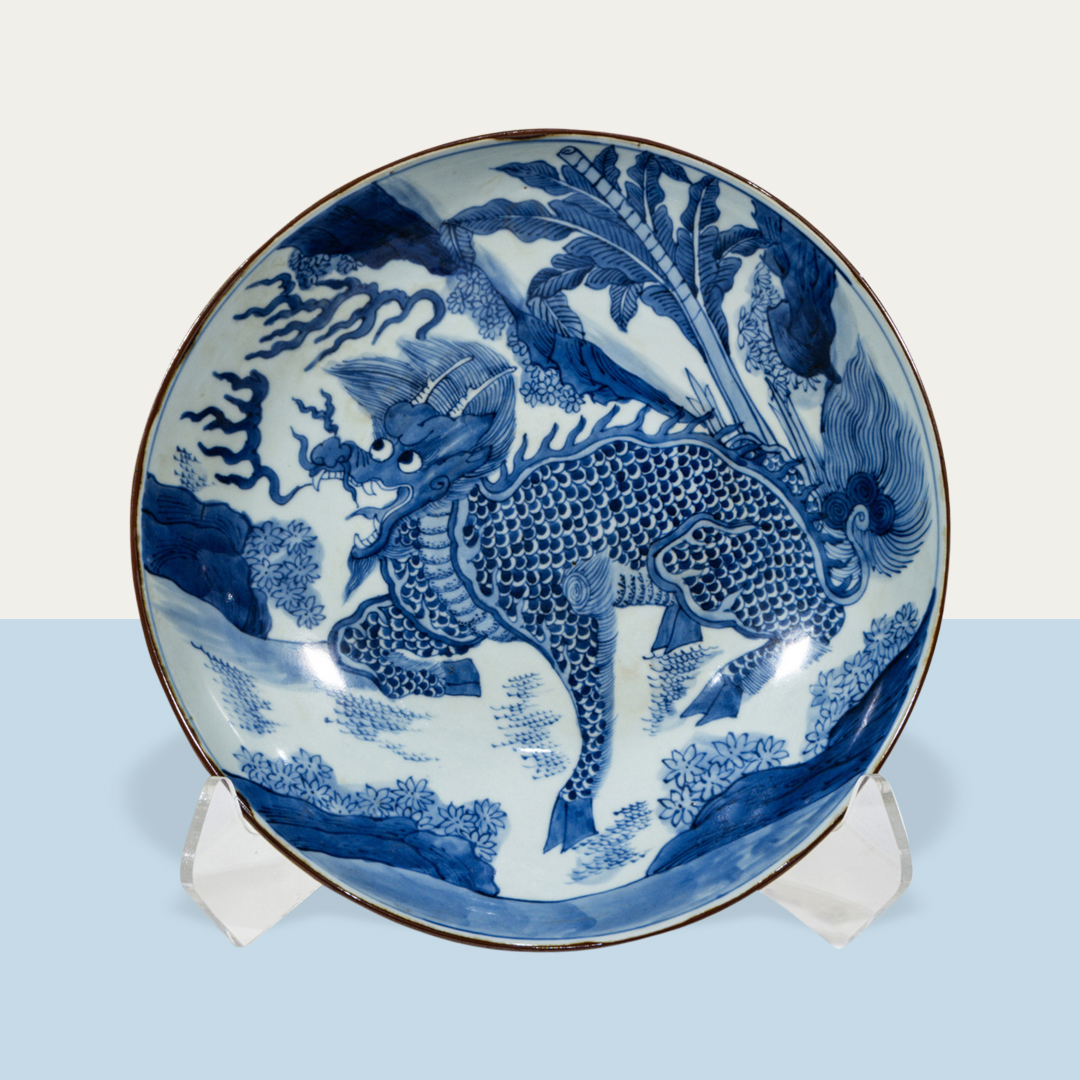
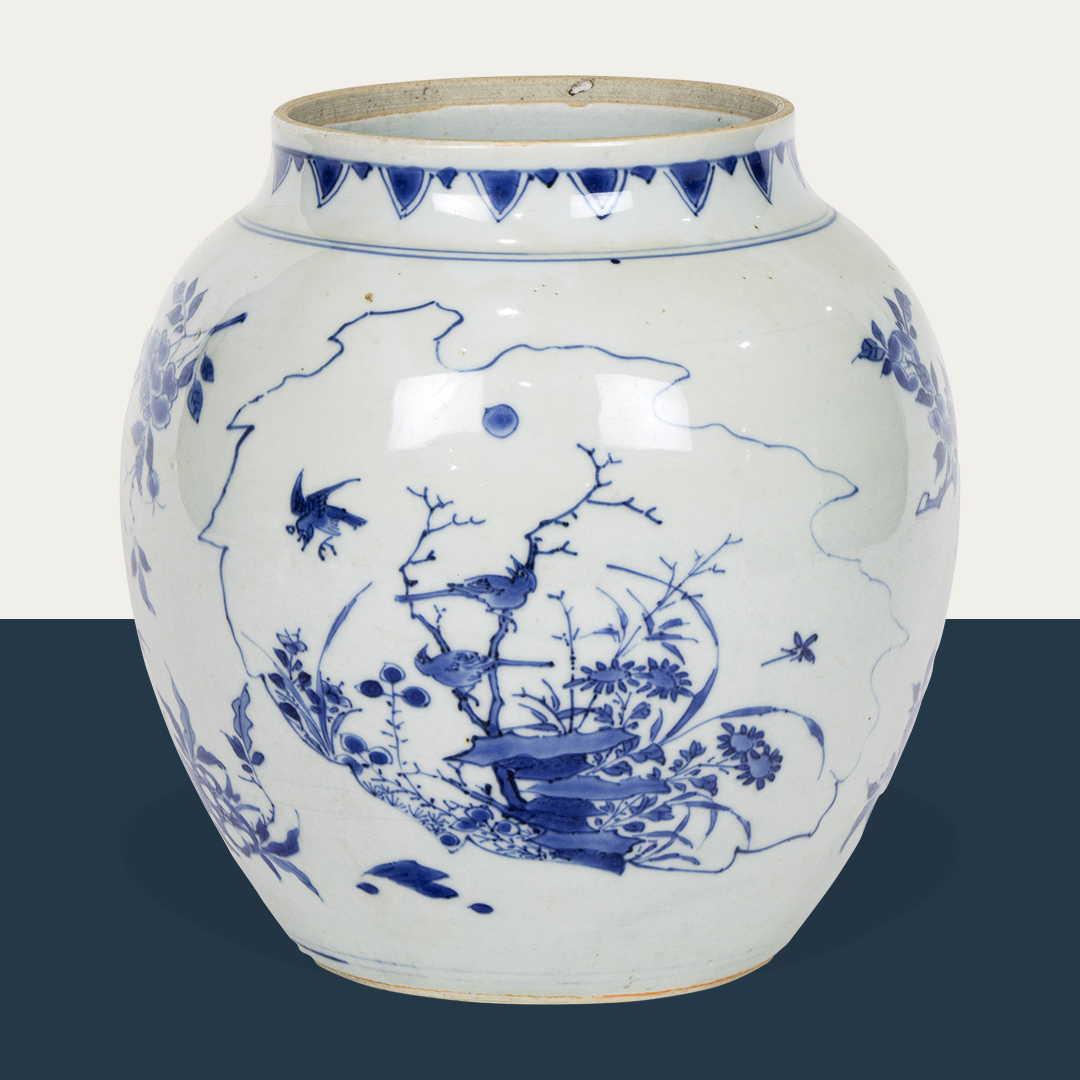
A Chinese blue and white jar, Transitional period. Estimate: $600–$900
Our April 17th auction will feature distinguished design, craftsmanship, and notable works by artists across cultures and periods.
Auction
Highlights
Naomi Lindstrom: Worldwide Beads & Tribal Jewelry
Asian Art
Estate Spotlight
The second installment of the Naomi Lindstrom collection on October 16th will include over one hundred lots of silver beads and ornaments from various cultures and an array of worldwide beads. Bidding begins at 1 PM PDT.
The silver portion of the auction consists of many examples from India, the Middle East, and part of Africa. The bead portion of the auction will feature glass examples from ancient Egypt, Venice, West Africa, and parts of Southeast Asia. There will also be beads of various minerals such as turquoise, carnelian agate, shell and many others.
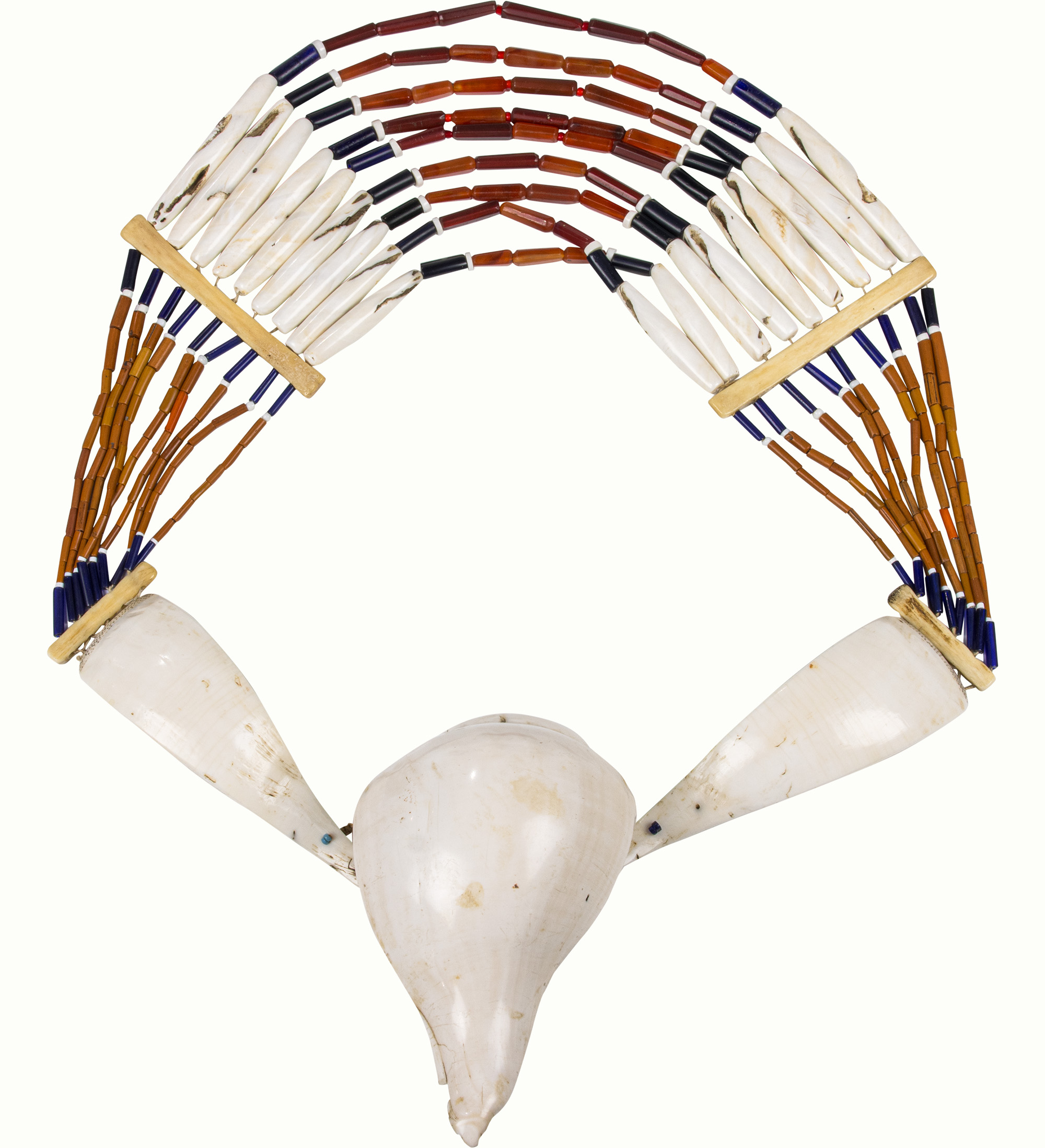
An Angami chank shell and glass necklace. Estimate: $2,000–$4,000
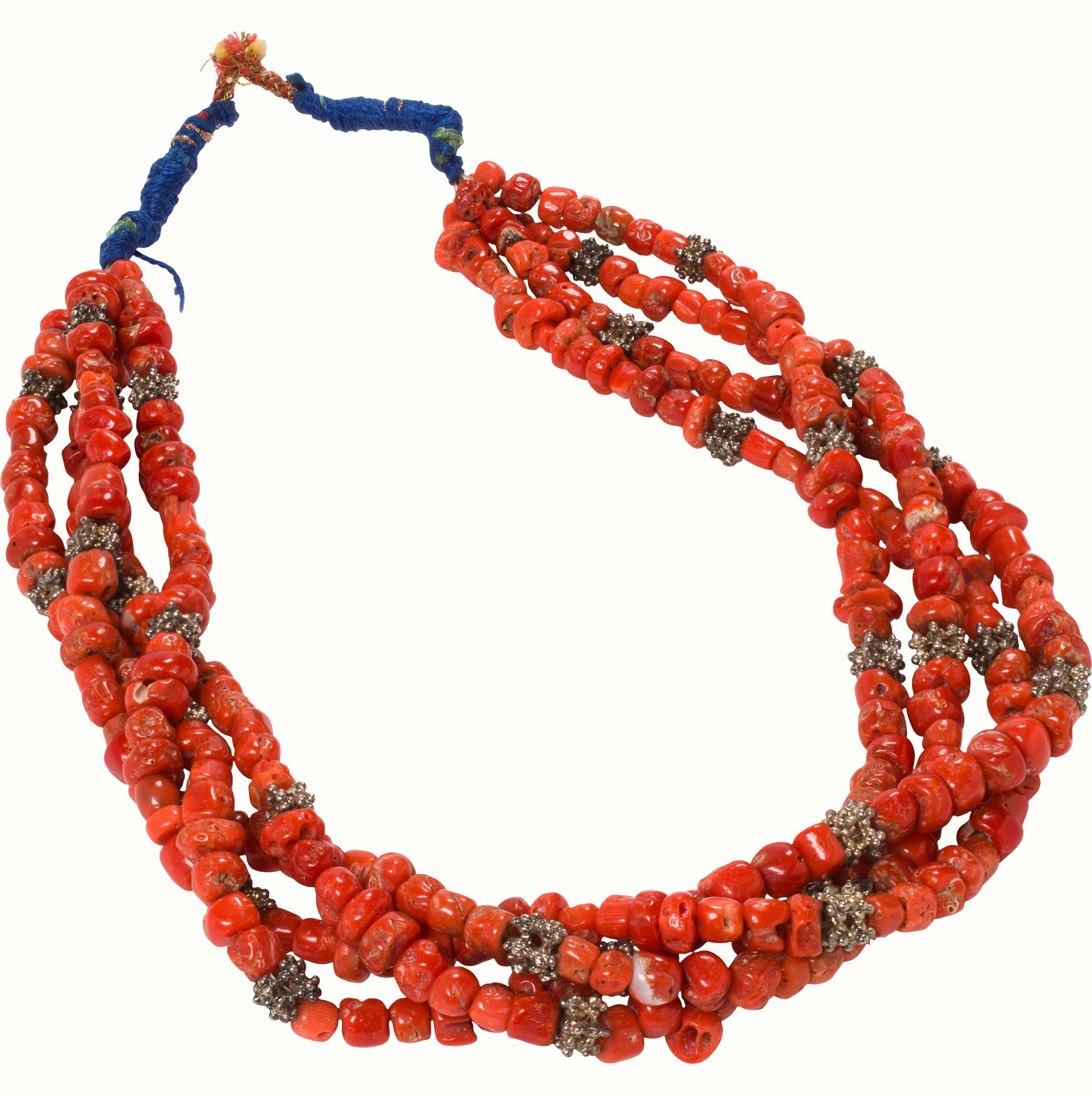
A Tibetan multi-strand red coral and silver beads necklace. Estimate: $1,000–$1,500
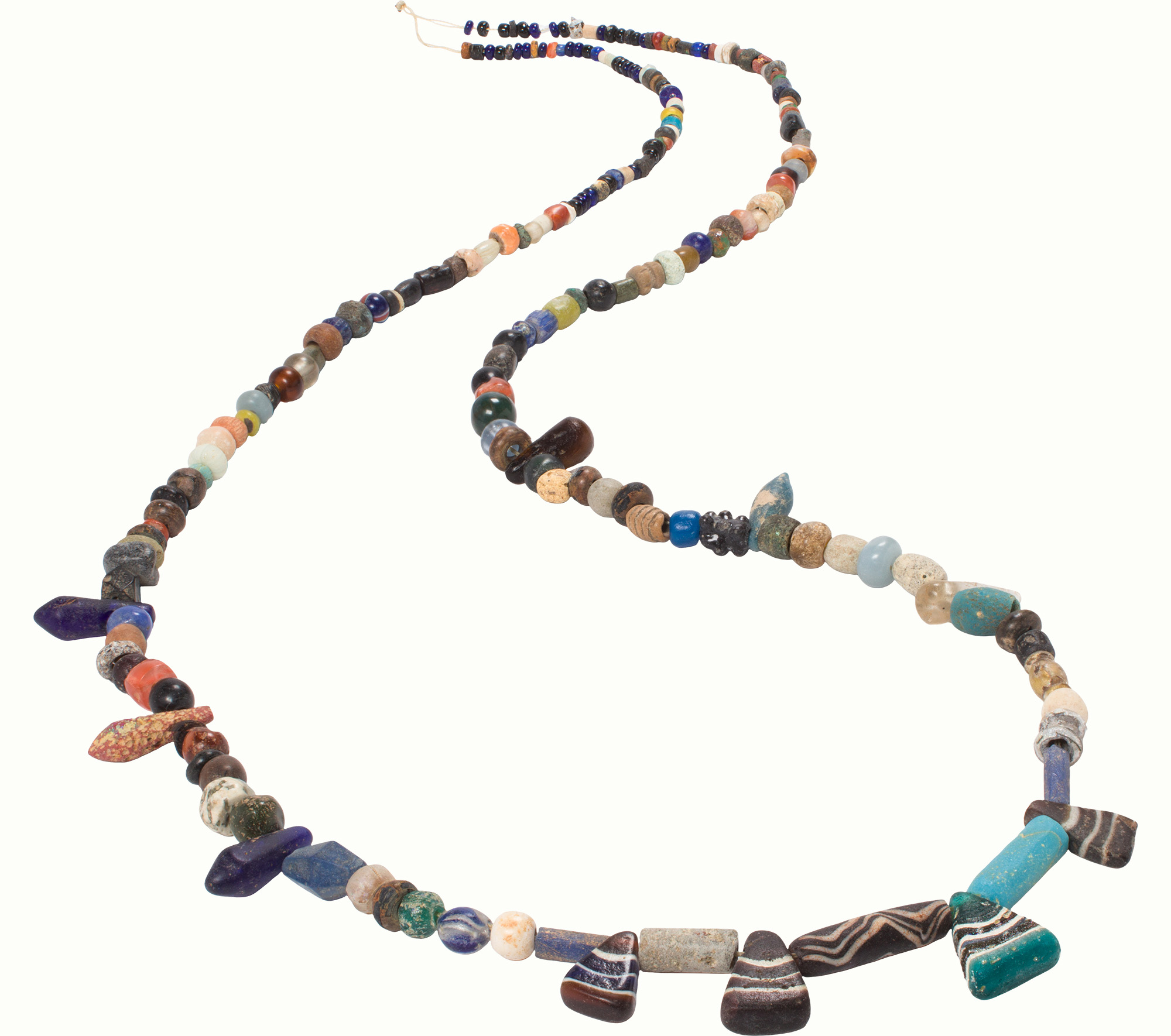
A strand of ancient Egyptian glass beads. Estimate: $1,000–$1,500
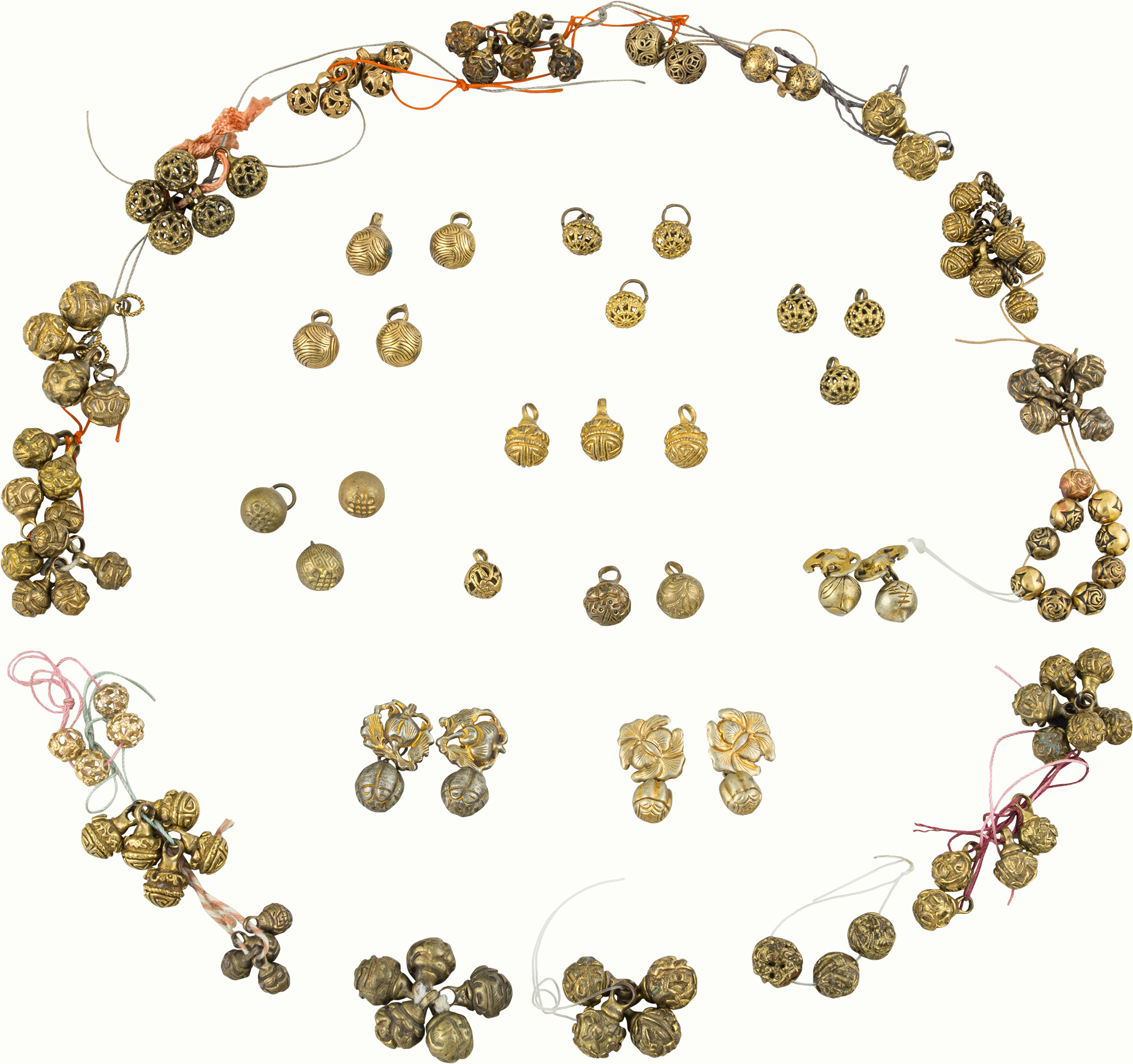
A group of Chinese gilt bronze buttons. Estimate: $1,000–$1,500
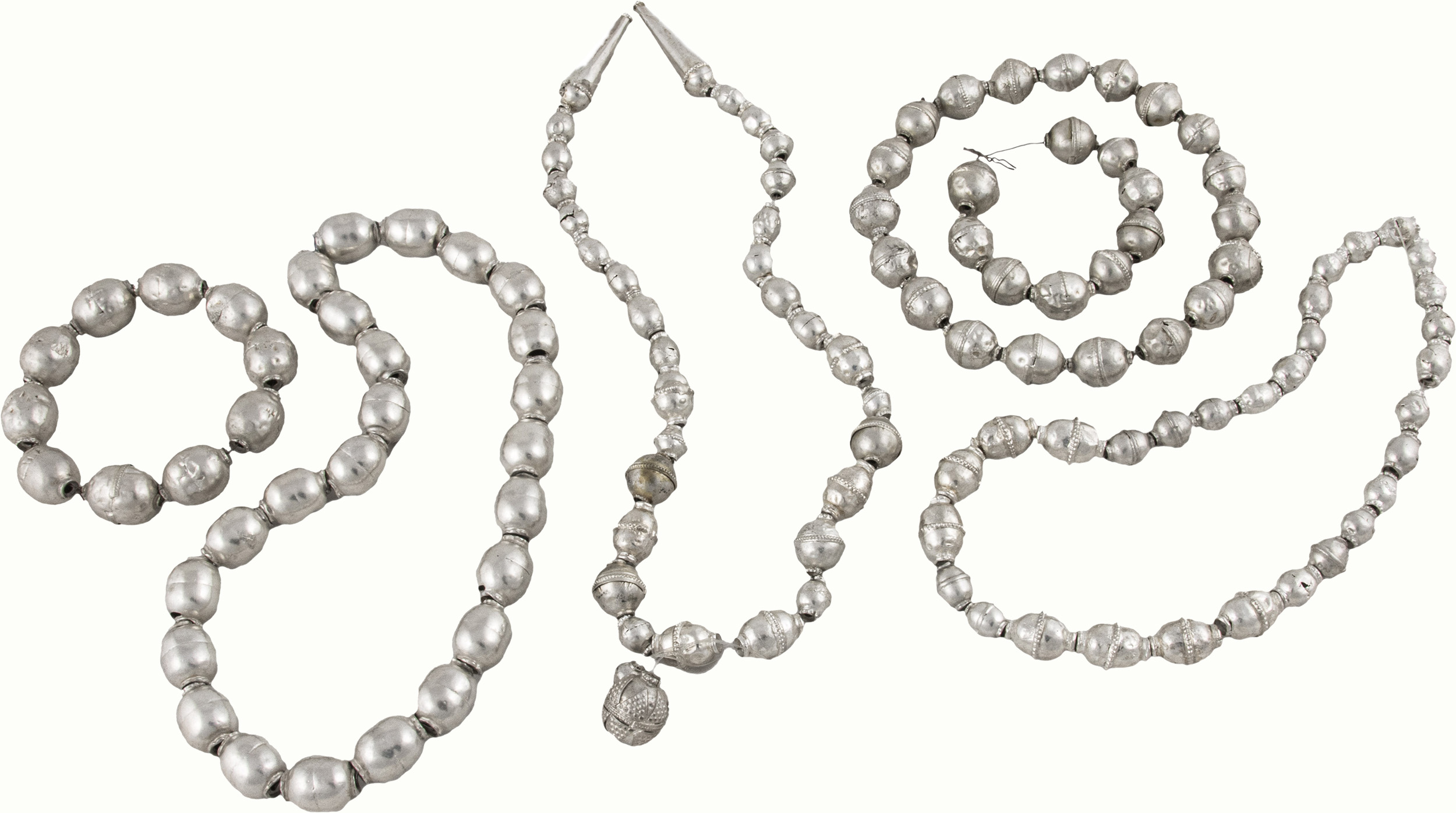
A group of Yemeni silver beads. Estimate: $800–$1,200
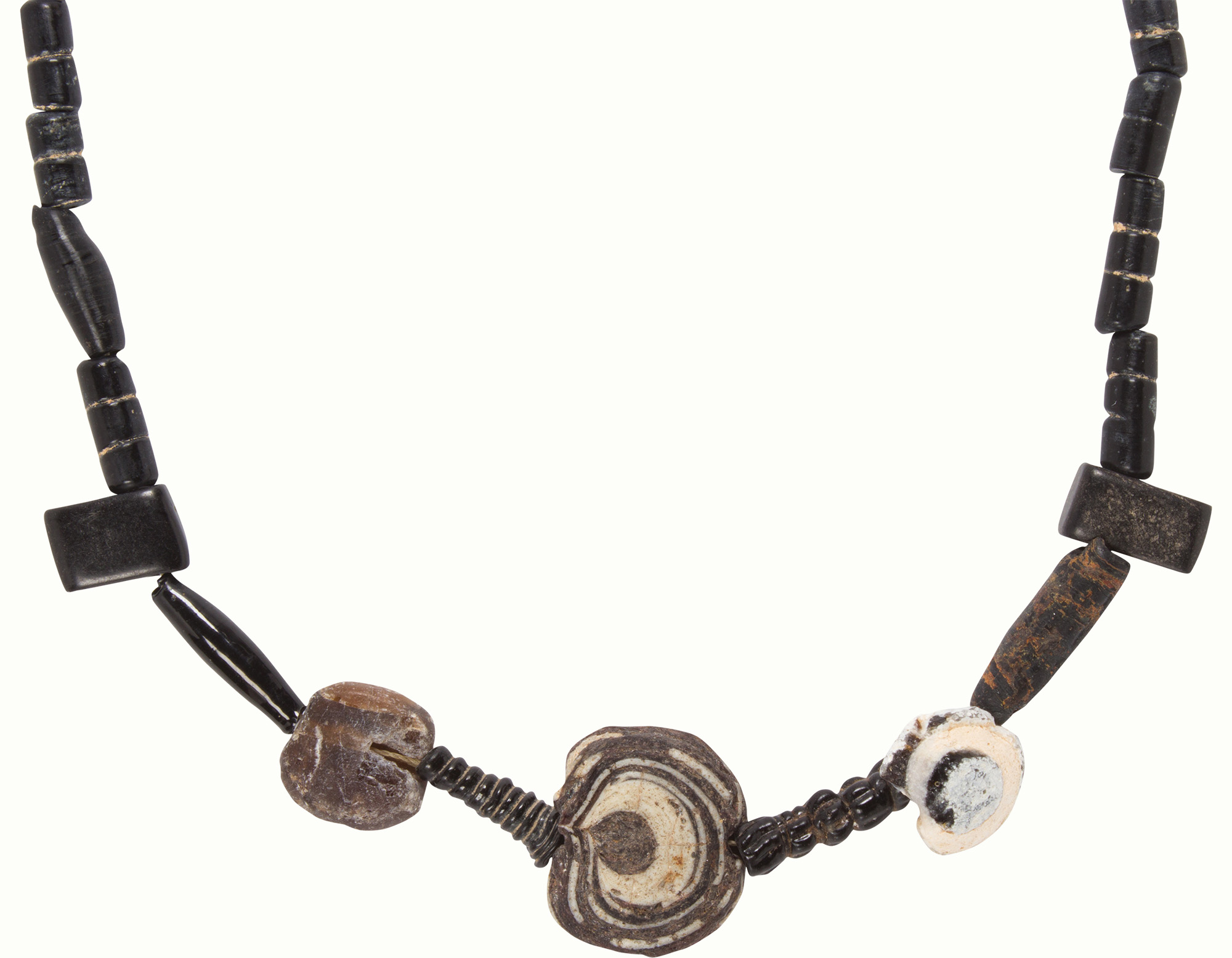
A strand of ancient Afghanistan glass beads. Estimate: $800–$1,200
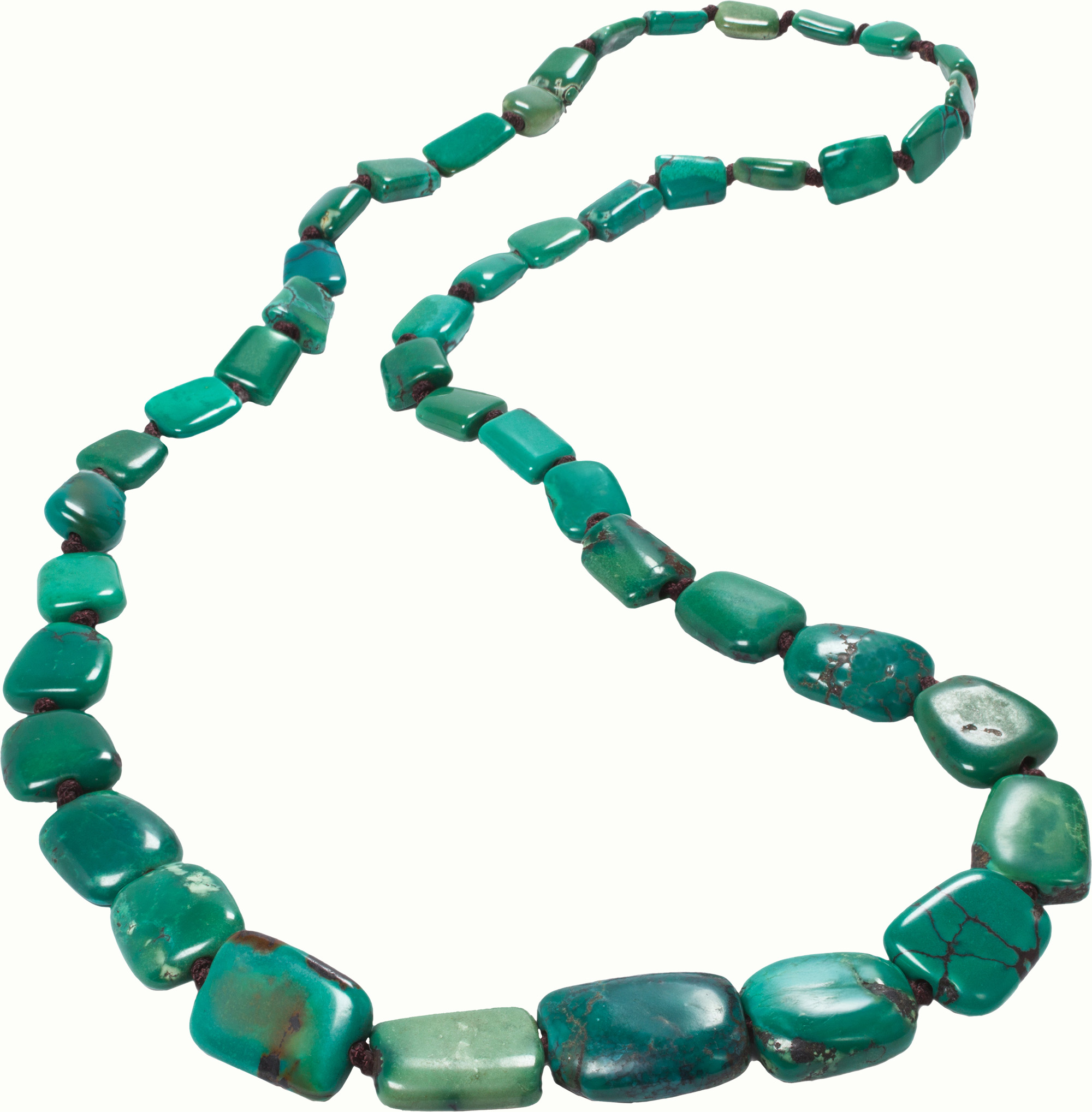
A Tibeten turquoise bead necklace. Estimate: $800–$1,200
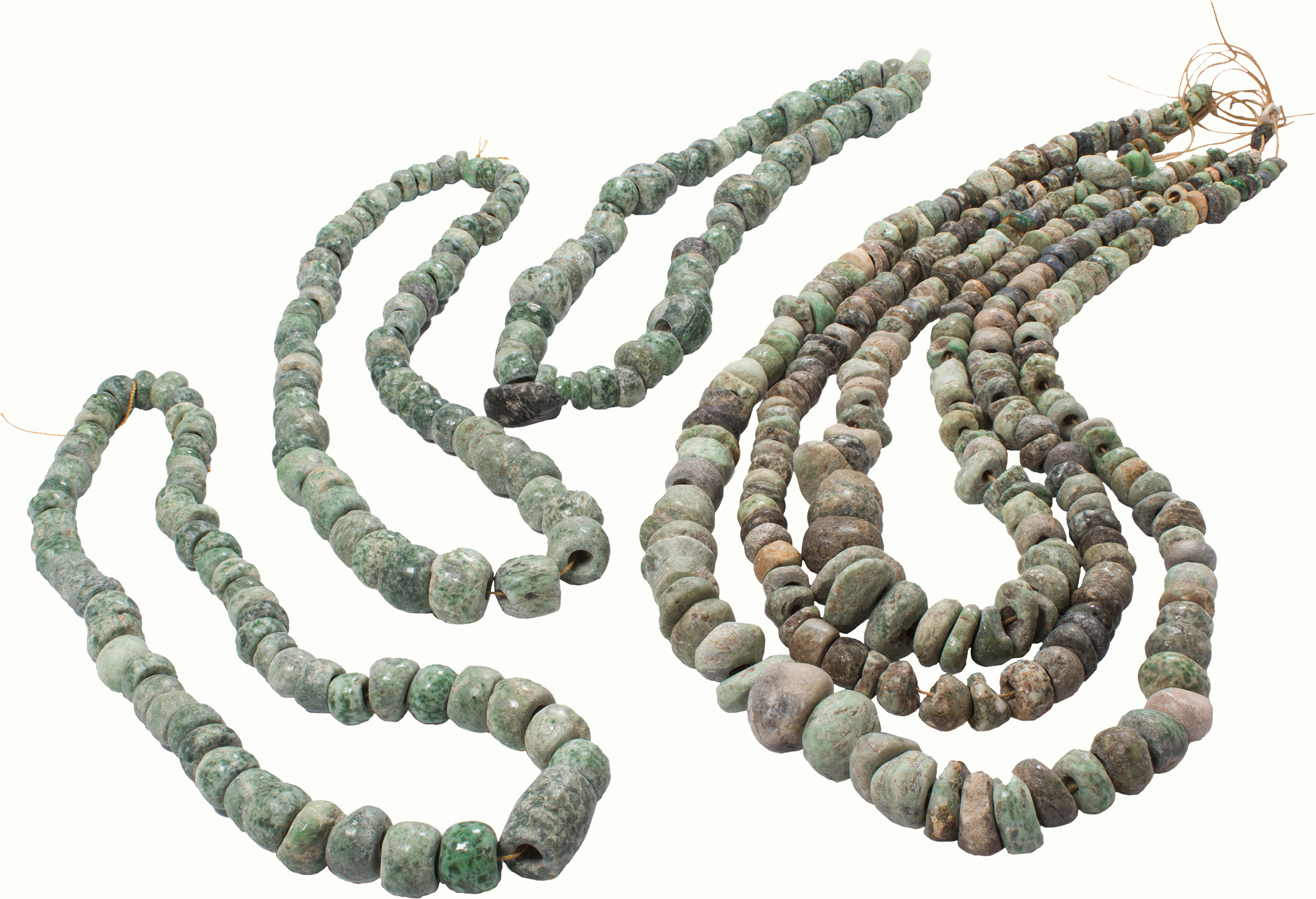
A group of Pre-Columbian green stone beads from Mexico. Estimate: $600–$900
The Asian Works of Art Auction on February 19th will feature a curated selection of Chinese and Japanese works.
Asian Art
Highlights
April Fine AsianArt Highlights
Asian Art
Auction
On April 18th, Clars Auctions will present a series of exquisite collectibles at its Spring Fine Asian Art Auction for collectors. This auction will feature a multitude of valuable artworks, spanning categories such as furniture, porcelain, embroidery, modern contemporary art, and miscellaneous high-quality items.
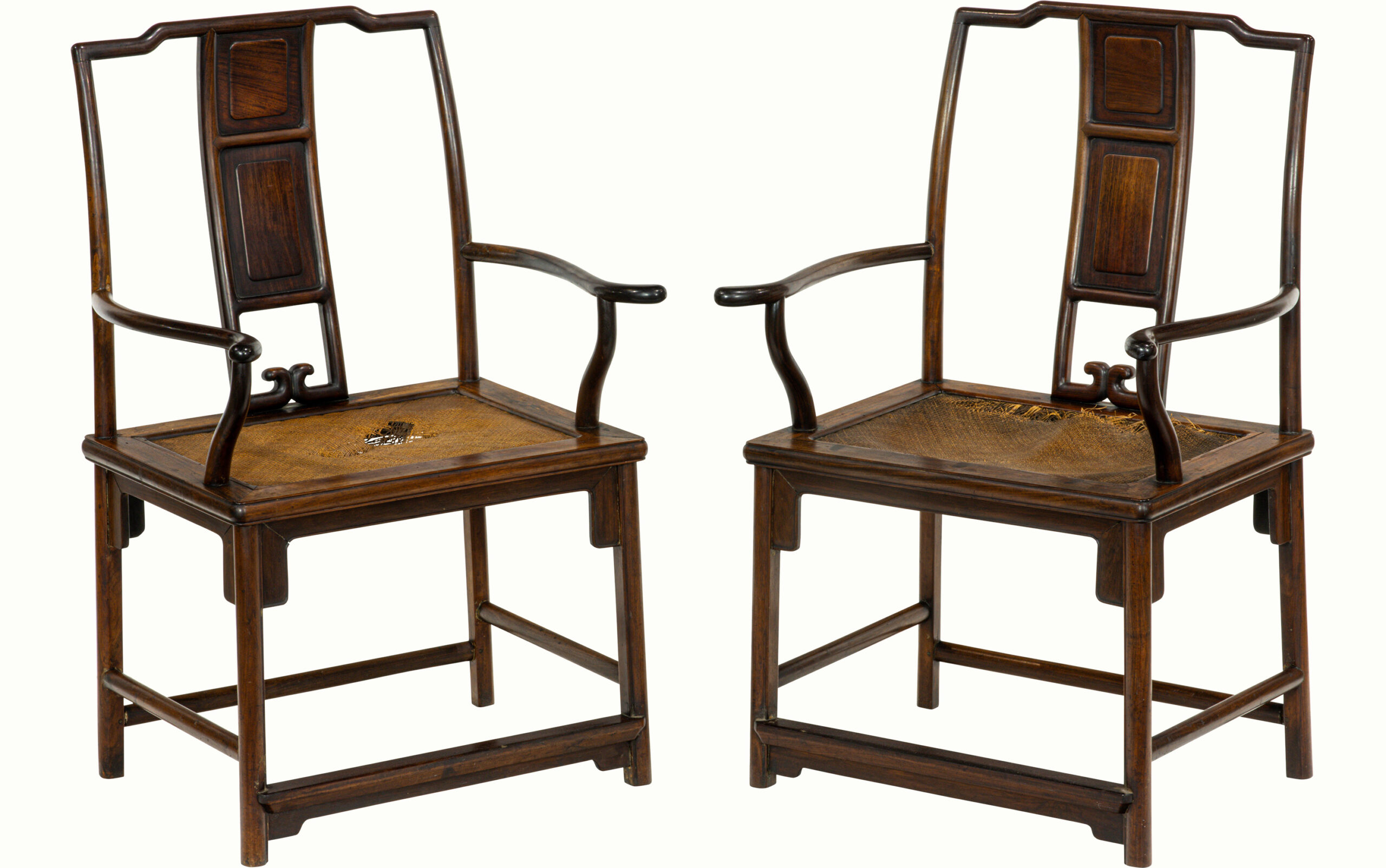
The furniture section is led by a pair of 18th-century Chinese Huanghuali Southern official hat chairs. The official hat chairs originated in the Song Dynasty and became popular during the Ming and Qing dynasties. Due to their outstanding appearance and positive symbolism, they have long been favored by officials and scholars and are also loved by people worldwide. The name “official hat chair” comes from its design, where the back is high and the front low, resembling the ancient official’s hat. In fact, chairs with armrests generally have this shape. Today, artisans in Beijing often refer to chairs with both the backrest and armrests protruding as “Four-headed official hat chairs,” while those with non-protruding are called “Southern official hat chairs.” Clars presents a pair of official hat chairs with the distinctive style of the Jiangnan region. The piece features a rare three-section backrest design, with clean, flowing armrest lines, and no use of stretchers, showcasing the classic charm of craftsmanship.
A pair of Chinese Huanghuali Southern official hat chairs. Estimate: $20,000–$40,000
The porcelain section prominently features a Chinese yellow-ground famille rose foliate jardiniere and stand. Both the jardiniere and stand are elegantly shaped like a chrysanthemum, with the jardiniere having relatively deep walls featuring two round holes; the stand has low, shallow side walls and is without holes. Both pieces are supported by four ruyi-cloud-shaped feet. The exteriors are meticulously painted with lotus patterns and the eight Buddhist symbols’ motif. The base is marked with the iron-red Jiaqing six-character mark.
A Chinese yellow-ground famille rose foliate jardinière and stand. Estimate: $6,000–$9,000
This season, we will also introduce a series of selected embroidery pieces, with the highlight being an 18th-century Qing dynasty imperial yellow satin brocade robe, chuba with gold dragon patterns among colorful clouds. From the end of the Tang dynasty, China’s relationship with Tibet evolved with continuous political and religious exchanges during the Yuan, Ming, and Qing dynasties, sending precious court-manufactured silk fabrics to Tibet. Initially reserved for the imperial court, these fabrics later became significant gifts for Tibetan nobility and high-ranking monks. In the 18th century, the Qing court custom-made luxurious silk garments for Buddhist ceremonies, granting many dragon robes, which gradually became traditional attire for Tibetan nobility.
An Imperial yellow satin brocade robe, chuba. Estimate: $30,000–$50,000
This Chuba-style robe was custom-made in Tibet from 18th-century Chinese yellow ground brocade, adorned with a five-clawed golden dragon clutching a fiery pearl amidst colorful clouds in pink, blue, green, and ochre, with a terrestrial map motif at the hem. The collar and trim are in pale blue silk depicting original wave-like edges, measuring 55 inches in height and 70 inches in width. This robe not only showcases the exquisite craftsmanship of the Qing court but also serves as an important physical testament to the historical exchanges between China and Tibet.
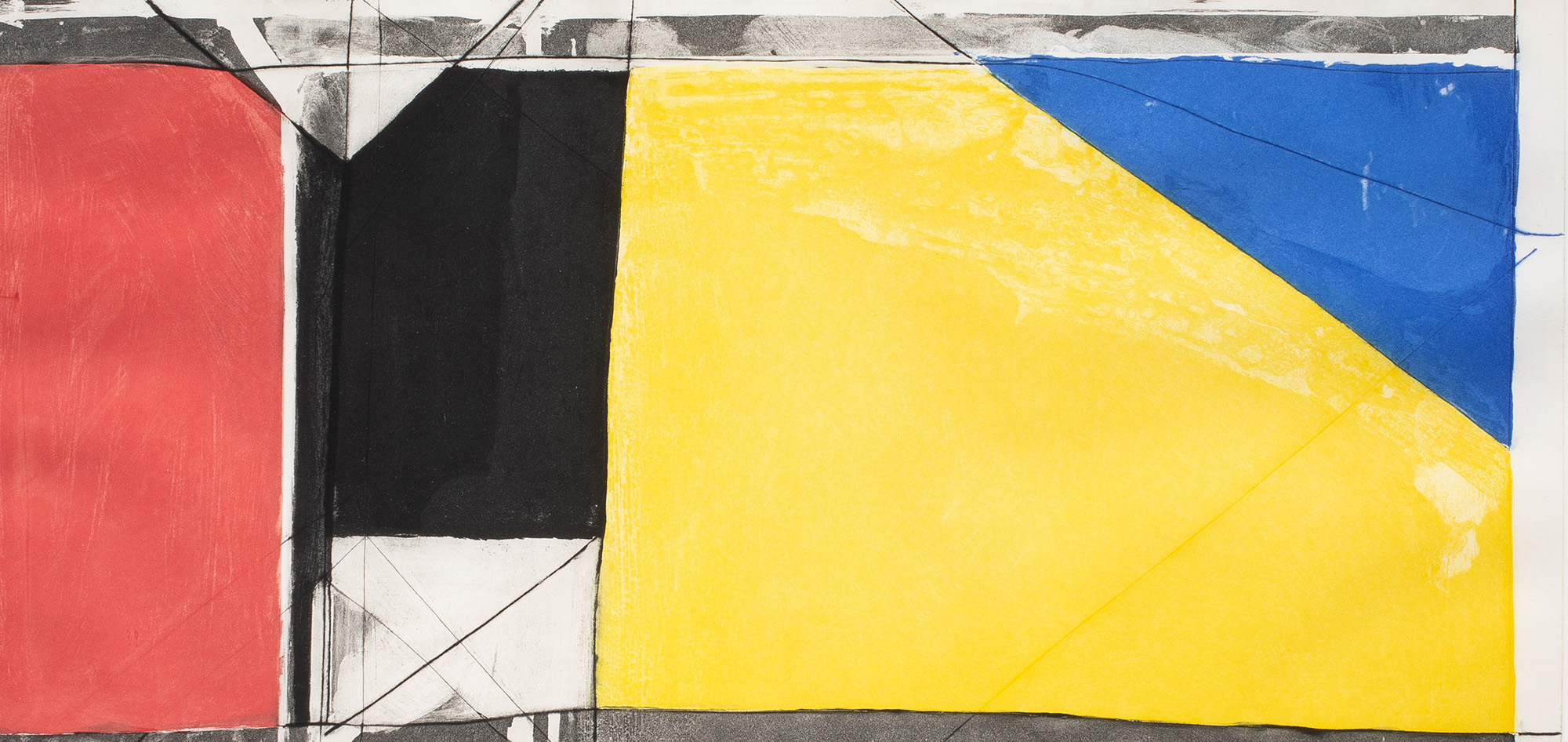
Chuang Che (Zhuang Zhe, b. 1934), Seasons Page, mixed media on canvas, 33″ x 49.5″. Estimate: $12,000–$18,000
The contemporary Asian section will feature two important works by Chuang Che (Zhuang Ze), a Chinese-American abstract artist. The first work, Seasons Page, was created in 1971 using mixed media on canvas and measures 33 inches in height and 49.5 inches in width, with Zhuang’s signature in Chinese at the lower left corner. This piece was exhibited at the DuBose Gallery in Houston, Texas, in 1972, and comes with Zhuang’s handwritten signature and an exhibition catalog, making it highly collectible. The second piece, Untitled Abstract Landscape, an oil painting on canvas, features the artist’s signature in Chinese at the lower right corner, framed dimensions are 39.25 inches in height and 49.5 inches in width. This painting was acquired from a San Francisco gallery in the early 1980s and originates from a private collection. Chuang’s art style blends Eastern and Western aesthetics, interpreting Chinese cultural themes through Abstract Expressionism and is highly regarded in the international art scene.
Chuang Che (Zhuang Zhe, b. 1934), Untitled Abstract Landscape, oil on canvas, 39.25″ x 49.5″. Estimate: $10,000–$15,000
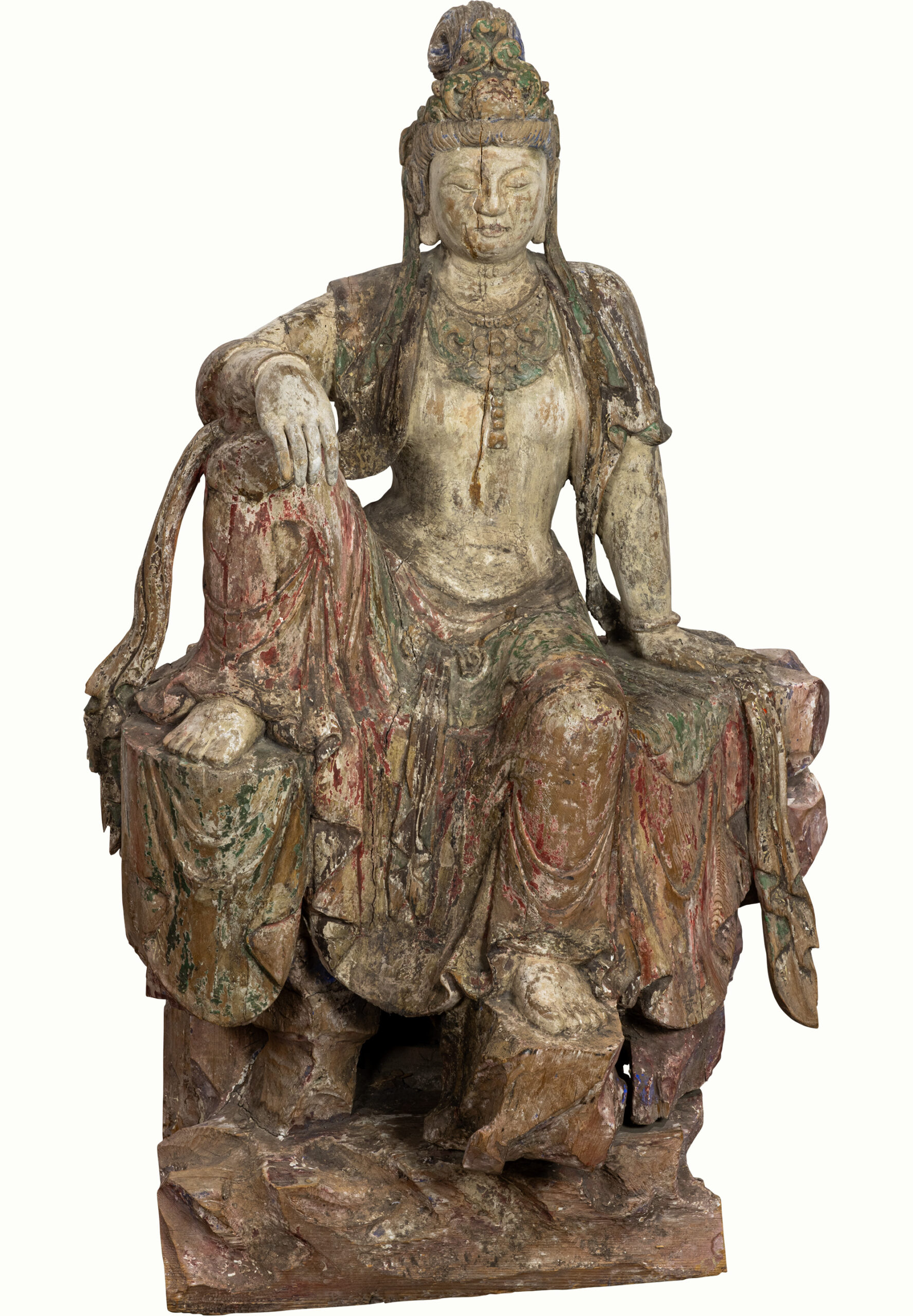
Additionally, a Chinese polychrome painted wood figure of Guanyin from the Ming dynasty also make its appearance at this auction. The statue stands approximately 1.1 meters tall and is depicted in a relaxed and casual pose seated on a rock, with the right leg bent and resting against the right arm, and the left leg stretched out, stepping on a base. The sculpture is vivid and lifelike, with Guanyin wearing an exquisite, jeweled crown, displaying a serene and compassionate demeanor, and a richly detailed, delicate face. The neck and chest are adorned with a beautifully carved necklace and lavalier decorations, with elegantly flowing robe patterns, and faintly visible colors, fully reflecting the leisurely and comfortable artistic style of Water Moon Guanyin that has been prevalent since the Song and Yuan dynasties, possessing significant historical and artistic value.
A Chinese polychrome painted wood figure of Guanyin. Estimate: $10,000–$15,000
We look forward to meeting you at the Spring Fine Asian Art Auction at Clars Auctions on April 18th!
Bidding for Clars’ April auctions is available by phone, absentee bid, live online at Live.Clars.com and through Liveauctioneers.com and Invaluable.com. Clars Auctions is located at 5644 Telegraph Avenue, Oakland, CA 94609. Clars Auctions is based in Oakland (CA) and is the largest full-service auction gallery in the Western United States. Clars Auctions has been the chosen auction gallery of a number of institutions and distinguished private collectors across the country, including the Richard Mellon Scaife Estate, the Thomas J. Perkins Estate and The Metropolitan Museum of Art (NYC). In the last 5 years, Clars Auctions has sold well over $500,000,000 of Fine Art, Furnishings, Jewelry, Vehicles and Collectibles and has set multiple new world auction records. Follow Clars on Facebook, Instagram and Twitter! Auction Inquiries:
Harry Huang: [email protected] | Wechat ID: harry_xi_huang
Shannon Liu: [email protected] | Wechat ID: Shannon_Liu575
The Asian Works of Art Auction on February 19th will feature a curated selection of Chinese and Japanese works.
Asian Art
Highlights
Abstract & Rooted in Tradition — Seasons Page
Asian Art
Stories & News
The contemporary Asian section of our April 18th auction will feature two important works by Chuang Che (Zhuang Ze), a Chinese-American abstract artist.
One of the works, Seasons Page, was created in 1971 using mixed media on canvas and measures 33 inches in height and 49.5 inches in width, with Zhuang’s signature in Chinese at the lower left corner. This piece was exhibited at the DuBose Gallery in Houston, Texas, in 1972, and comes with Zhuang’s handwritten signature and an exhibition catalog, making it highly collectible.
Chuang’s art style blends Eastern and Western aesthetics, interpreting Chinese cultural themes through Abstract Expressionism and is highly regarded in the international art scene.
Chuang Che (Zhuang Zhe, b. 1934), Seasons Page, mixed media on canvas, 33″ x 49.5″. Estimate: $12,000–$18,000
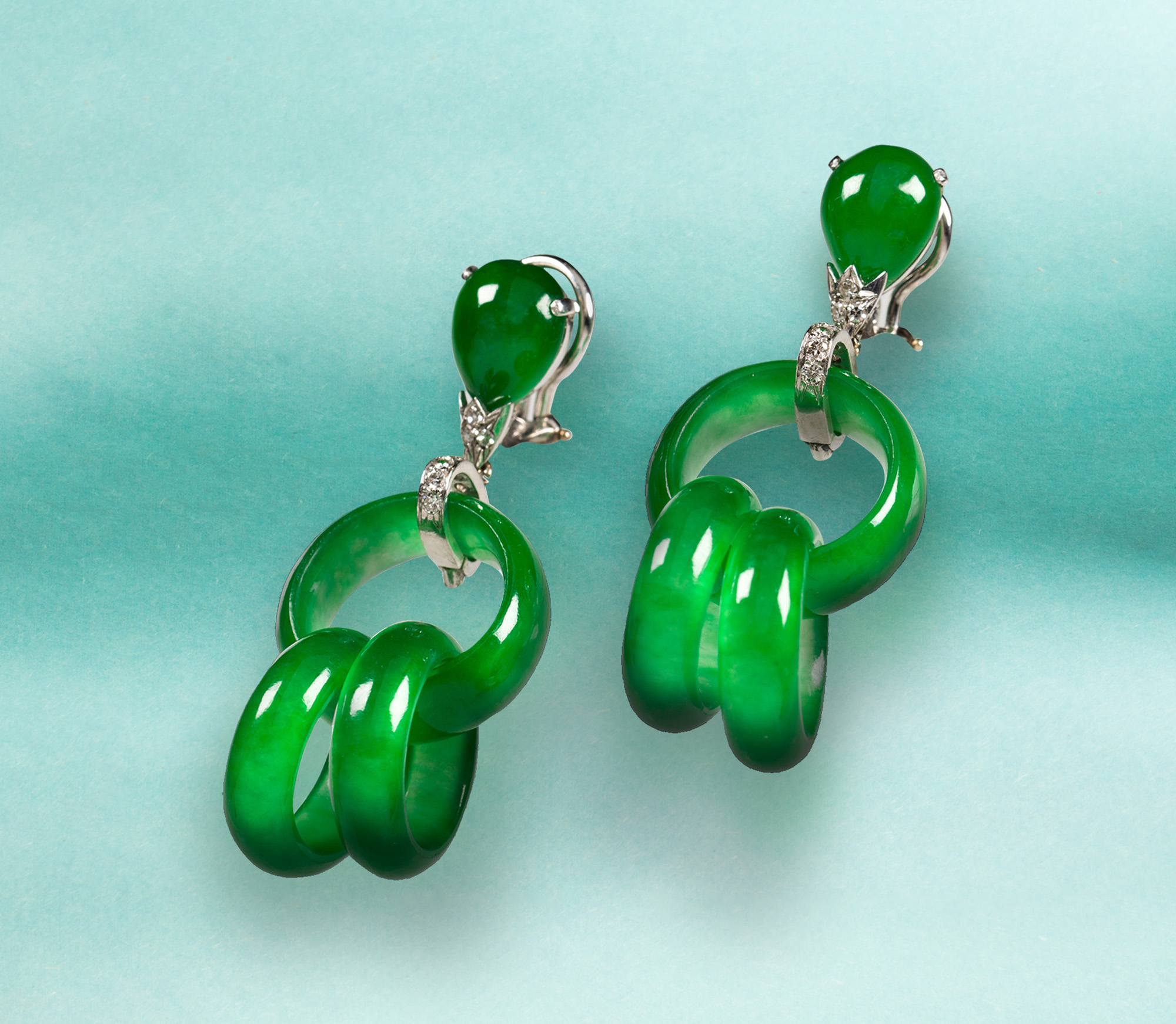
When a jade bangle bracelet or necklace fetches millions of dollars at auction, collectors worldwide wonder if their jade is also valuable. What is jade and where does it come from?
As we bid farewell to 2025, we take a moment to reflect on the remarkable moments and milestones we’ve shared with you throughout the year.
Highlights
Stories & News
Imperial Elegance at Auction
Asian Art
Stories & News
This season, we will introduce a series of selected embroidery pieces, with the highlight being an 18th-century Qing dynasty imperial yellow satin brocade robe, chuba with gold dragon patterns among colorful clouds.
From the end of the Tang dynasty, China’s relationship with Tibet evolved with continuous political and religious exchanges during the Yuan, Ming, and Qing dynasties, sending precious court-manufactured silk fabrics to Tibet. Initially reserved for the imperial court, these fabrics later became significant gifts for Tibetan nobility and high-ranking monks. In the 18th century, the Qing court custom-made luxurious silk garments for Buddhist ceremonies, granting many dragon robes, which gradually became traditional attire for Tibetan nobility.
This Chuba-style robe was custom-made in Tibet from 18th-century Chinese yellow ground brocade, adorned with a five-clawed golden dragon clutching a fiery pearl amidst colorful clouds in pink, blue, green, and ochre, with a terrestrial map motif at the hem. The collar and trim are in pale blue silk depicting original wave-like edges, measuring 55 inches in height and 70 inches in width. This robe not only showcases the exquisite craftsmanship of the Qing court but also serves as an important physical testament to the historical exchanges between China and Tibet.
An Imperial yellow satin brocade robe, chuba. Estimate: $30,000–$50,000
When a jade bangle bracelet or necklace fetches millions of dollars at auction, collectors worldwide wonder if their jade is also valuable. What is jade and where does it come from?
The Asian Works of Art Auction on February 19th will feature a curated selection of Chinese and Japanese works.
Asian Art
Highlights
Sold! Rare Robin’s Egg Glazed hu-form Vase
Asian Art
Stories & News
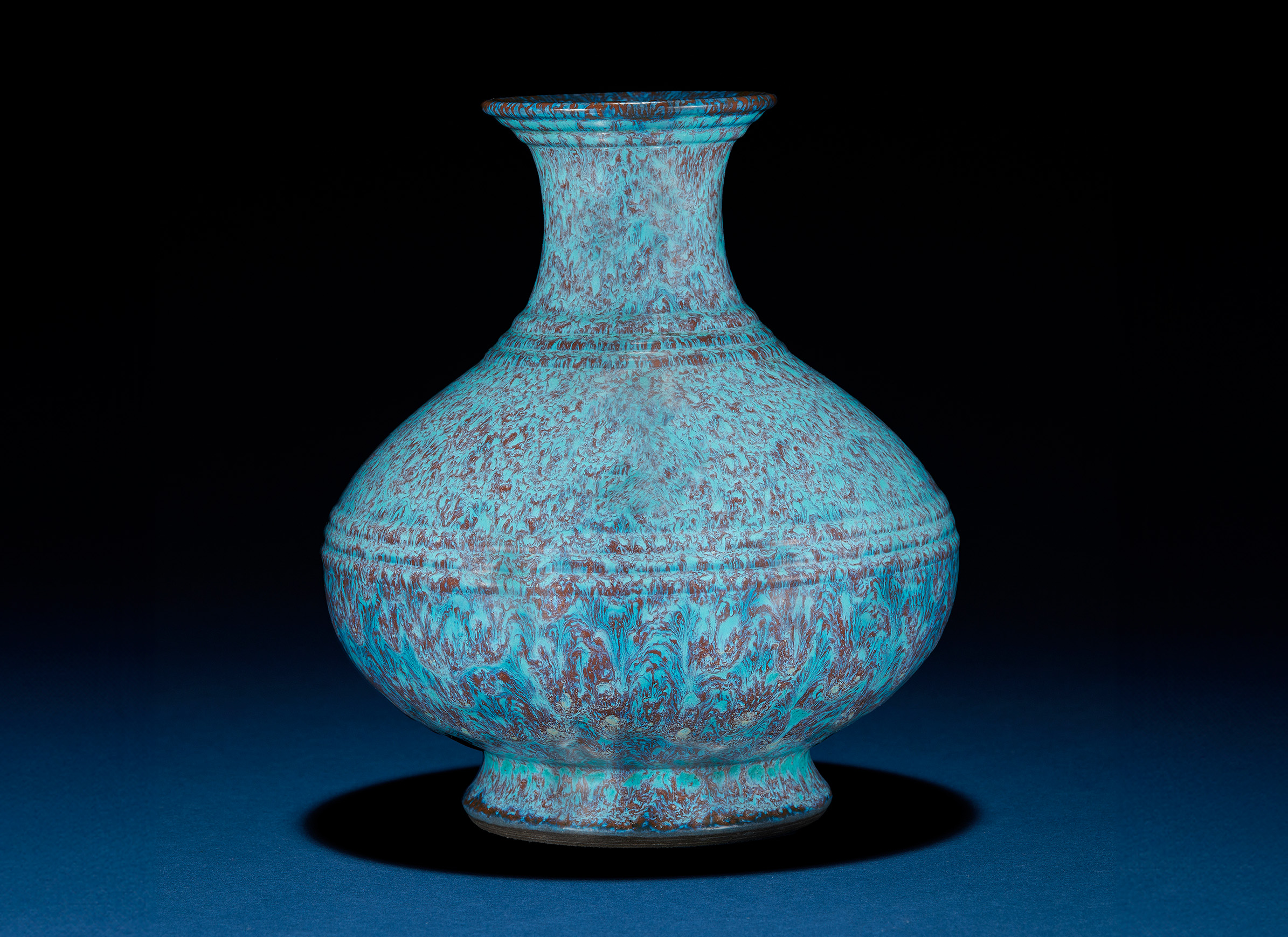
At our Fine Asian Art Auction on December 20th 2024, Clars presented an exceptionally rare Qing Yongzheng Robin’s Egg Glazed hu-form Vase which sold for an astounding $630,000.
Are you interested in learning about the value of your items?
CONSIGN NOW for our next Fine Asian Art Auction on April 18th.
The story of this vase is as compelling as the piece itself. According to the consignor, the vase originally belonged to his mother-in-law, who lived in Brooklyn, New York, in the 1970s. She was of Swedish immigrant descent, sent to an orphanage at the age of six after her mother’s passing, and later adopted by a kind family. As an adult, she married a man who worked for Nestlé and had two sons. After her husband’s death, she returned to Brooklyn, where she lived with her family and was beloved for her involvement in church activities, playing the piano, and teaching Sunday school.
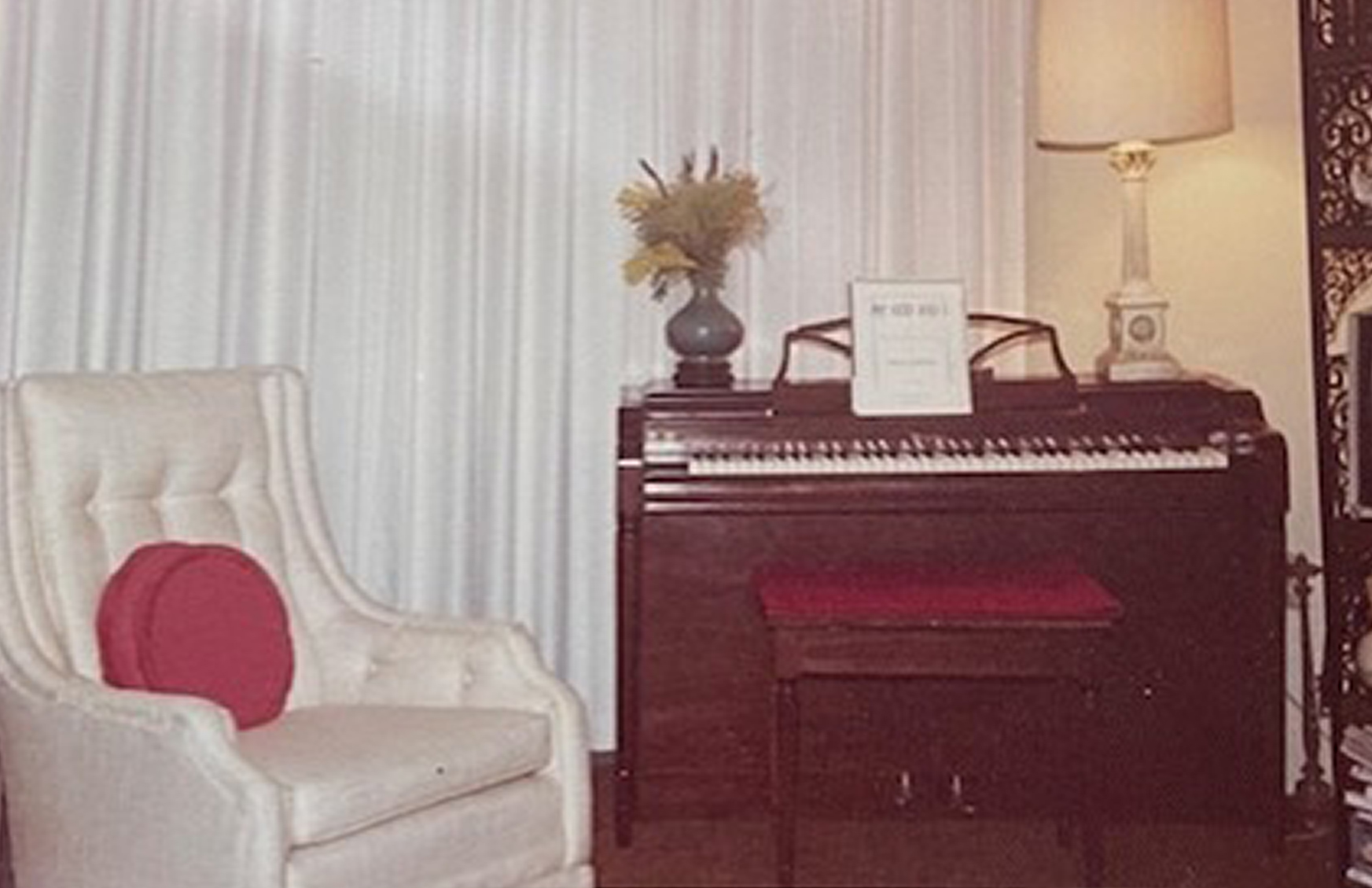
In the 1970s, she bought the vase from a street vendor’s stall in Brooklyn for a small amount. She treasured it and often displayed it on her piano, filled with dried leaves. In 1986, she moved to California to live with her son, bringing the vase along. However, the vase was forgotten for decades, stored in a shoebox in a closet until Clars Auctions rediscovered the vase, unveiling a story that had been hidden for years.
The consignor expressed, “Such a beautiful and historically significant vase should not be hidden away in a closet; it deserves to be admired by many.” And that’s exactly what happened. The remarkable vase took center stage at auction and captured the attention of collectors worldwide.
The robin’s egg glazed hu-form vase as seen in the previous owner’s home, filled with flowers on top of a piano.
The “Lujun Glaze” porcelain, also known as Robin’s Egg glaze, originated during the Yongzheng period of the Qing Dynasty, crafted at the Jingdezhen Imperial Kiln under the supervision of Tang Ying. It was named for its resemblance to the low-temperature Jun wares of the Song Dynasty. The glaze combines techniques from both Jun ware and Yixing drip-glaze, resulting in unique flowing shades of red, blue, and purple. The surface is smooth and silky, with colors that change dynamically under natural light, evoking the beauty of nature.
An exceptionally fine and rare robin’s egg glazed hu-form vase, seal mark and period of Yongzheng. Photo Credit: Wyatt Beserra @ BESERRA PHOTO Sold: $630,000
As recorded in the Record of Ceramics Completion Stele, the Lujun glaze “resembles the Eastern Kiln and Yixing drip-glaze,” with distinctive fluid patterns and colors. It represents Tang Ying’s innovative fusion of traditional styles and highlights the Qing Dynasty’s dedication to ceramic artistry and aesthetic perfection. Due to its complex production process, surviving pieces are rare and mostly palace ware, making them highly valuable collectibles and a pinnacle of Qing porcelain craftsmanship.
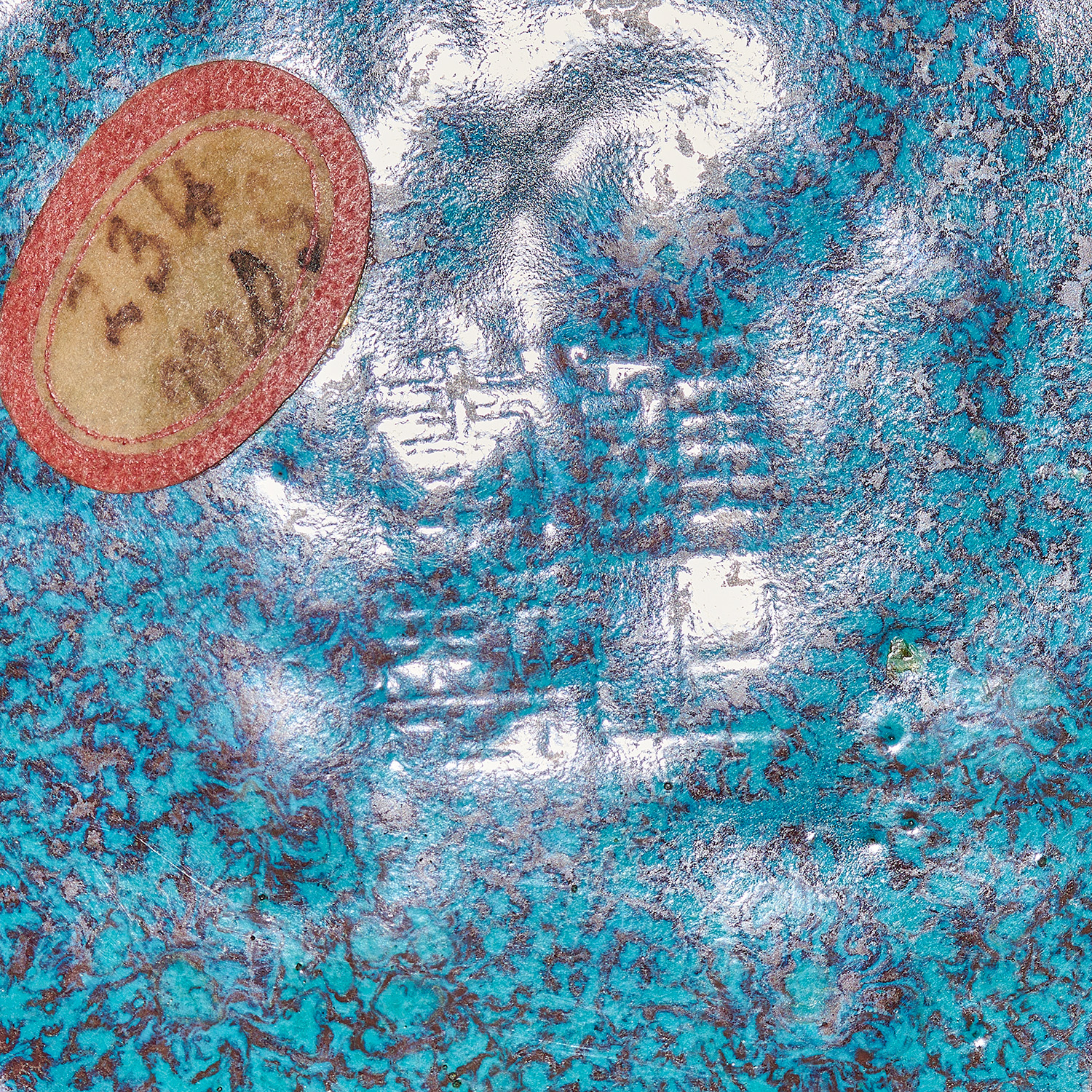
Detail of seal mark and base of vase.
The Chinese Robin’s egg glazed hu-form vase sold by Clars has an elegant and dignified form, showcasing a flared mouth, short neck, elongated curved body, and wide splayed foot, standing at approximately 19 centimeters tall. The mouth, neck, and belly of the vase are adorned with three string patterns, which are simple yet graceful, adding a three-dimensional effect and enhancing the visual appeal of the piece. This design reflects the refined and majestic style typical of Yongzheng porcelain. The base is engraved with a two-line, four-character mark: “Yongzheng Nian Zhi,” further indicating its imperial provenance and outstanding craftsmanship.
When a jade bangle bracelet or necklace fetches millions of dollars at auction, collectors worldwide wonder if their jade is also valuable. What is jade and where does it come from?
As we bid farewell to 2025, we take a moment to reflect on the remarkable moments and milestones we’ve shared with you throughout the year.
Highlights
Stories & News
Eight Immortals Verte Globular Vase
Asian Art
Stories & News
The Asian Art department will showcase a range of rare and desirable items at our March 21st auction, including a 19th-century Chinese famille verte globular vase.
This exquisite vase, decorated with the legendary Eight Immortals, showcases exceptional craftsmanship and vibrant colors. Valued between $1,000–$1,500, it presents an opportunity for collectors to acquire a piece of Chinese cultural history.
A Chinese famille verte reticulated globular vase. Estimate: $1,000–$1,500
When a jade bangle bracelet or necklace fetches millions of dollars at auction, collectors worldwide wonder if their jade is also valuable. What is jade and where does it come from?
As we bid farewell to 2025, we take a moment to reflect on the remarkable moments and milestones we’ve shared with you throughout the year.
Highlights
Stories & News
Jingdezhen – The Porcelain Capital
Asian Art
Stories & News
Historically, the highest quality of porcelain produced in Jingdezhen was shaped by the preferences of the imperial family. However, by the end of the Qing dynasty (1644–1912) and the Republic period (1912–1949), these constraints began to dissolve.
Amid internal conflicts and political struggles with the Western World in the 19th century, China’s porcelain commissions dwindled. To survive, artisans had to appeal to a broader audience, which now included not only the imperial court but also officials, scholars, and the rising merchant class.
Chinese underglaze blue porcelain brush pot, attributed to Wang Bu (Chinese, 1898–1968). Sold: $534,300
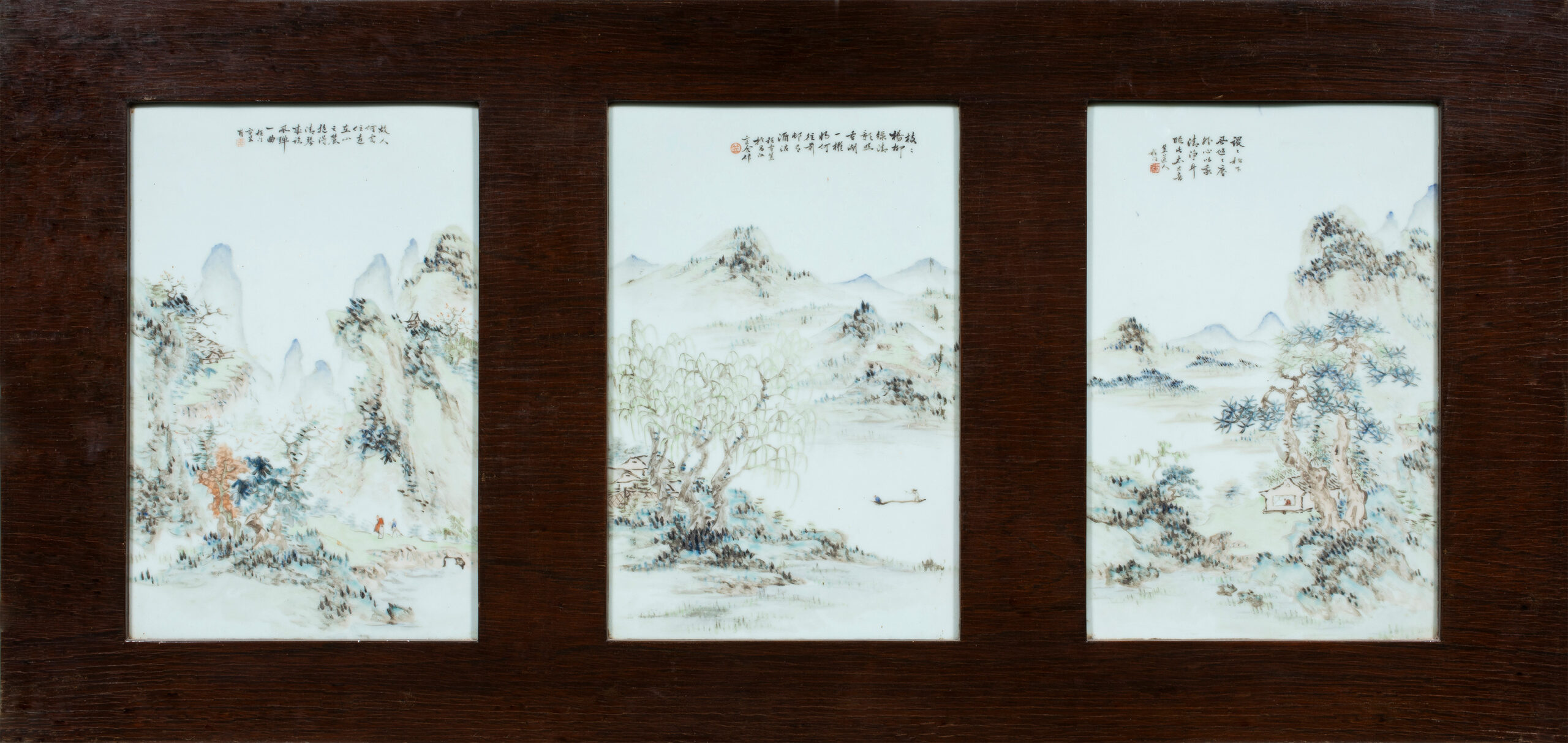
This period of upheaval gave rise to a new porcelain style. Known as ‘qianjiang cai,’ this aesthetic is distinguished by its soft, subtle hues, a stark contrast to the bold and opaque enamels that had been popular before. Translated as “light umber,” ‘qianjiang cai’ drew inspiration from the literati paintings of the Song and Yuan dynasties, which achieved a sense of atmosphere through the gradual blending of ink tones. To appeal to the scholarly class, artisans in Jingdezhen began to replicate these paintings on porcelain. These soft-colored enamels were used not only for landscape scenes but also for subjects like birds-and-flowers, still-life compositions featuring auspicious objects, and figures from history, mythology, or religion.
With such a talented community of artisans, creativity and innovation were essential for survival. Among the success stories from this era are the ‘Zhushan bayou’ (Eight Friends of Zhushan), a group of artists who gathered on the full moon of every lunar month. Each member of the group had their own area of expertise and unique aesthetic preferences. Wang Qi, widely regarded as the leader of the group, was known for his depictions of figures. His masterful use of graduated, soft tones, especially in delicate facial features, created striking and evocative images that continue to captivate viewers today.
(lot of 3) Chinese ‘qianjiang’ enameled ‘landscape’ porcelain plaques. Sold: $4,095
Another notable figure from this period is Wang Bu, who sought to create a more realistic style, though not in the muted tones of ‘qianjiang cai.’ Specializing in ceramics and trained in the blue-and-white art, Wang Bu revived the portrayal of birds and flowers with his innovative technique, employing lighter shades of cobalt to contrast with the traditionally dense and bold blue of the past.
The artists of Jingdezhen during the late 19th and early 20th centuries experienced significant changes, but their creativity and adaptability ensured their survival, leaving a lasting legacy.
When a jade bangle bracelet or necklace fetches millions of dollars at auction, collectors worldwide wonder if their jade is also valuable. What is jade and where does it come from?
As we bid farewell to 2025, we take a moment to reflect on the remarkable moments and milestones we’ve shared with you throughout the year.
Highlights
Stories & News
Rare Chinese Zodiac Figures
Asian Art
Highlights
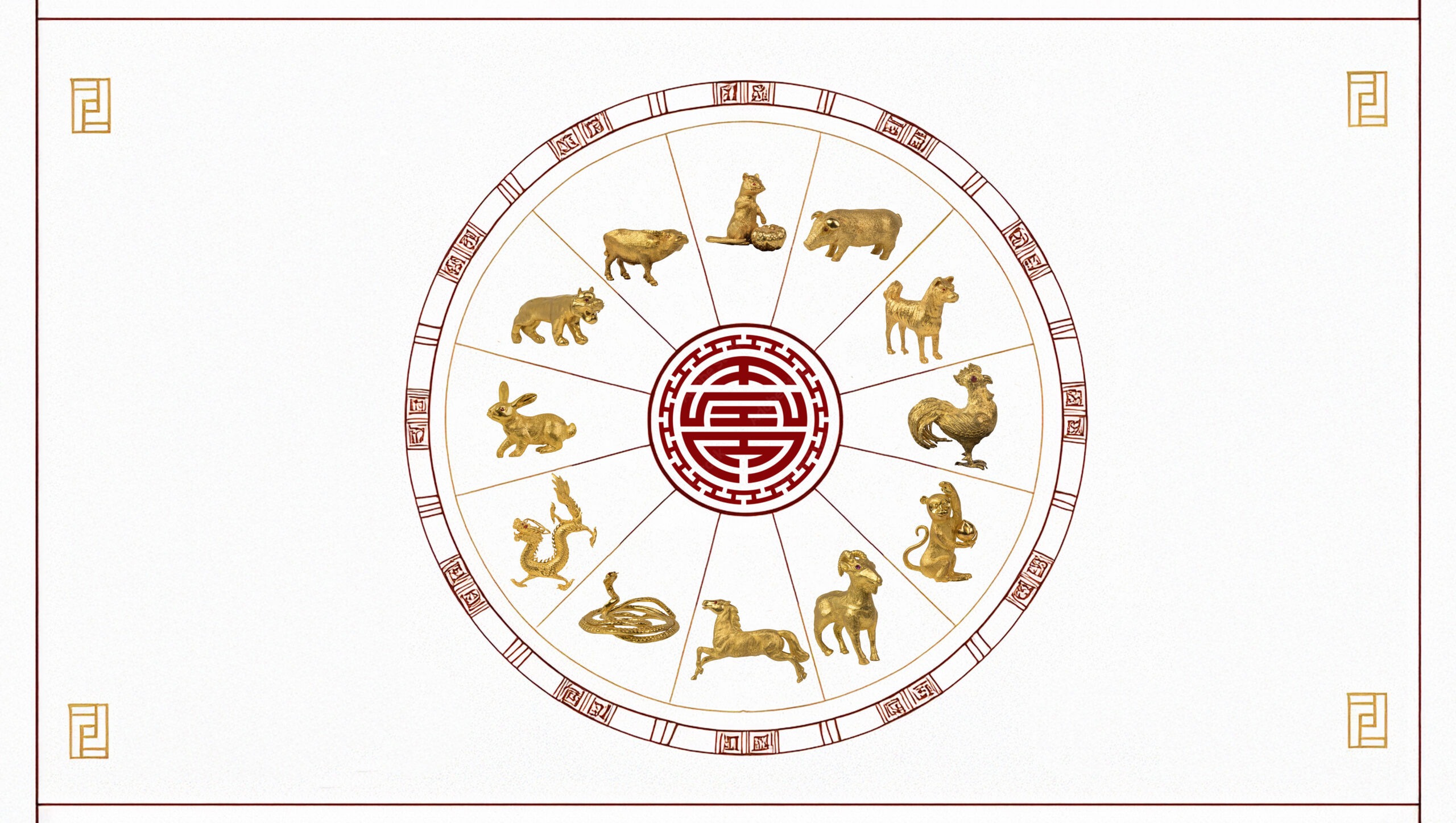
The Asian Art department is offering remarkable pieces in our upcoming February 21st auction. Featured is a stunning and rare set of Chinese 24-karat gold zodiac figures, with all twelve zodiac animals rendered in high karat gold.
A set of twelve Chinese 24k gold zodiac animal figures. Estimate: $40,000–$60,000