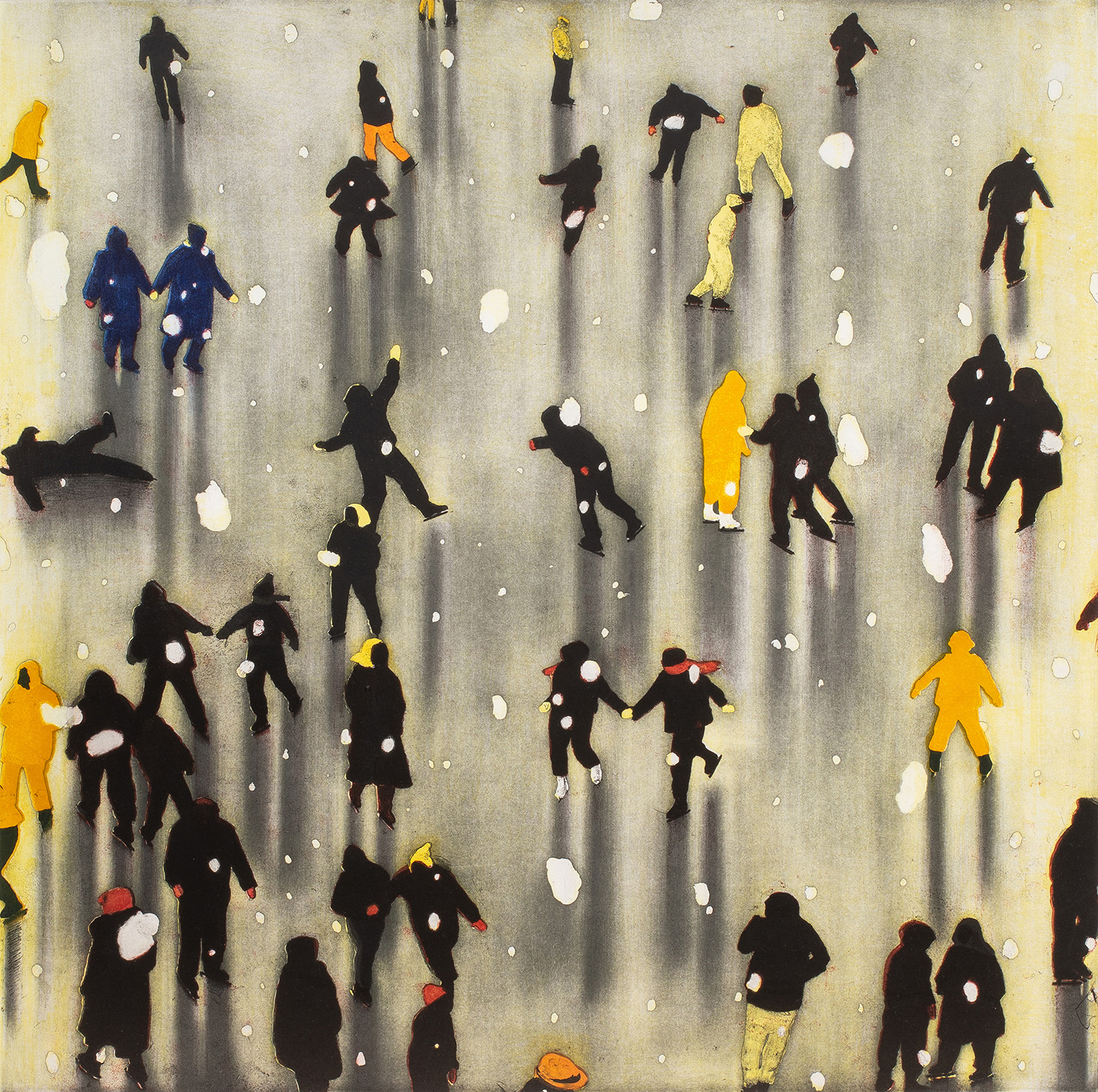
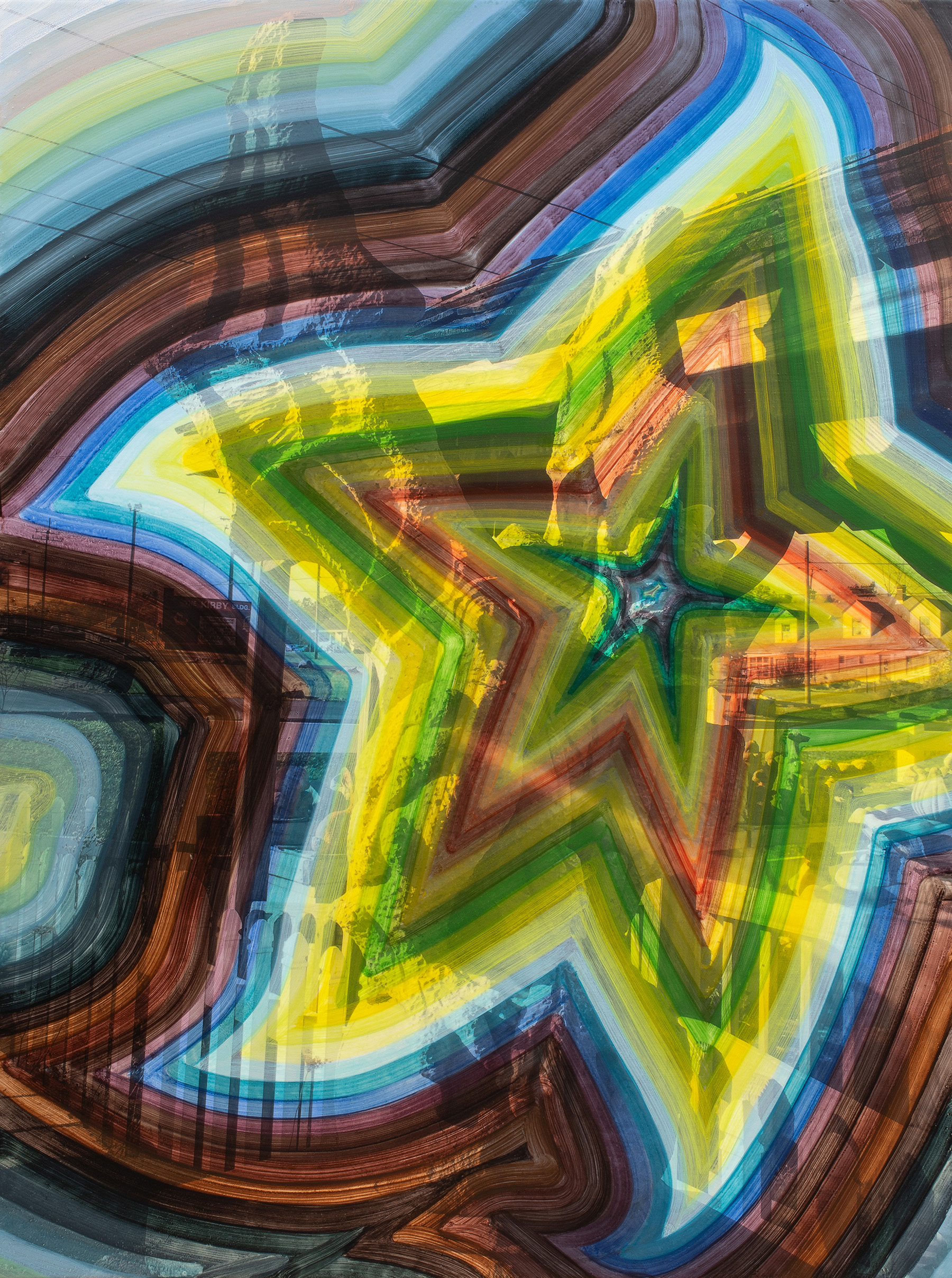
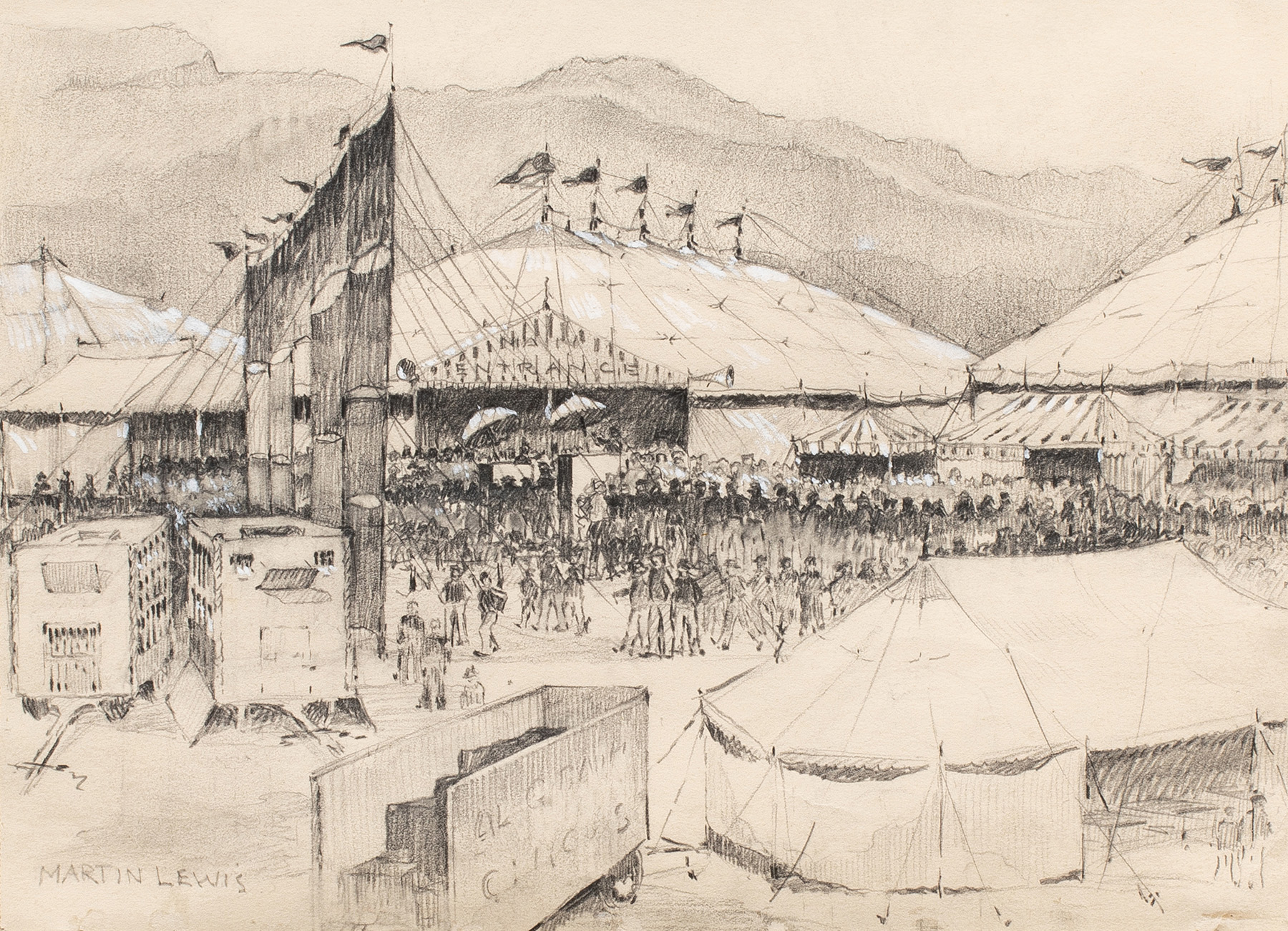
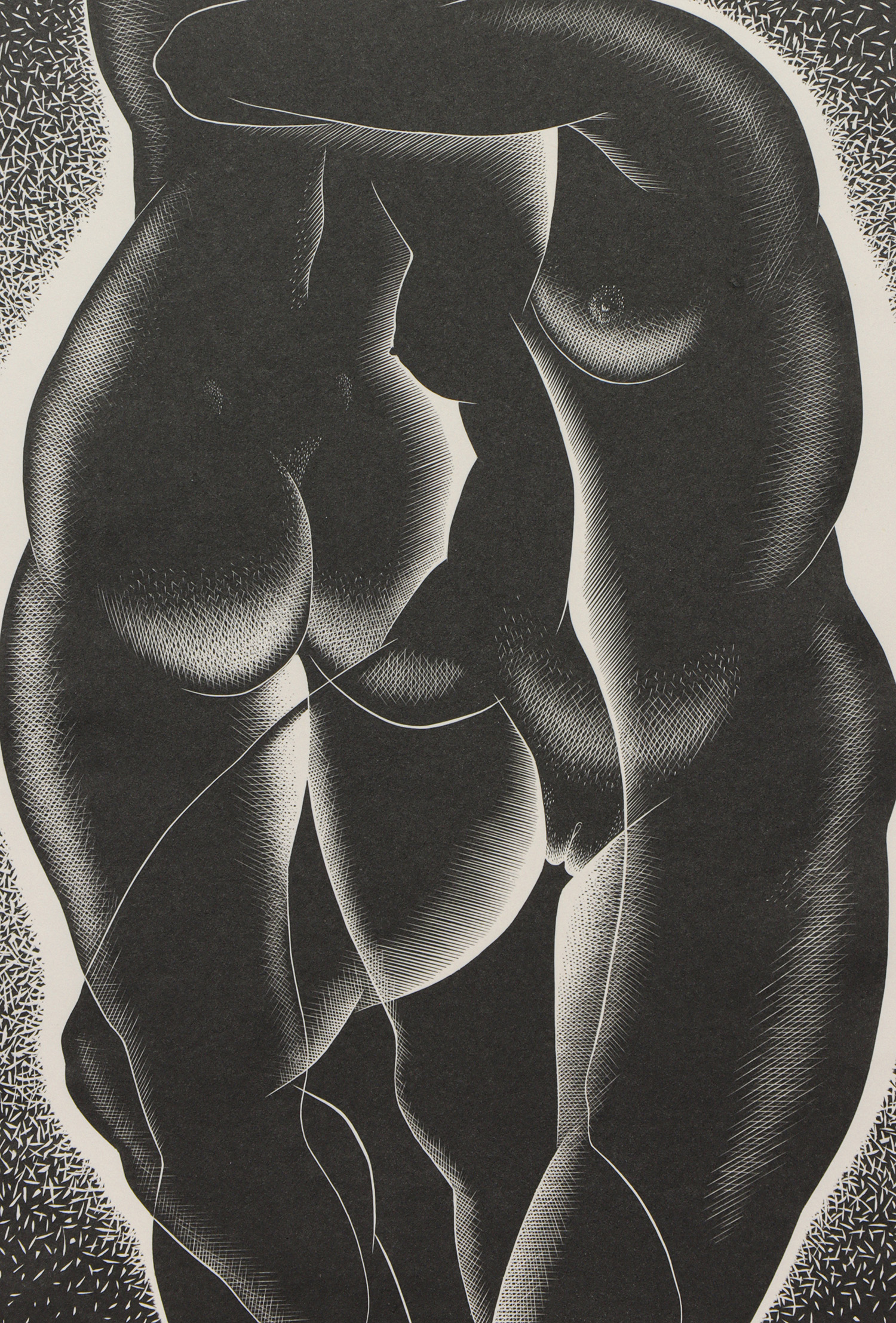
This premier opening segment brings together an exceptional and thoughtfully curated group of works spanning American, European, and contemporary art, now further enriched by the inclusion of works by Fernando C. Amorsolo — one of the most celebrated figures in Philippine art — underscoring Clars’ continued strength in presenting high-caliber, globally significant fine art to the market.
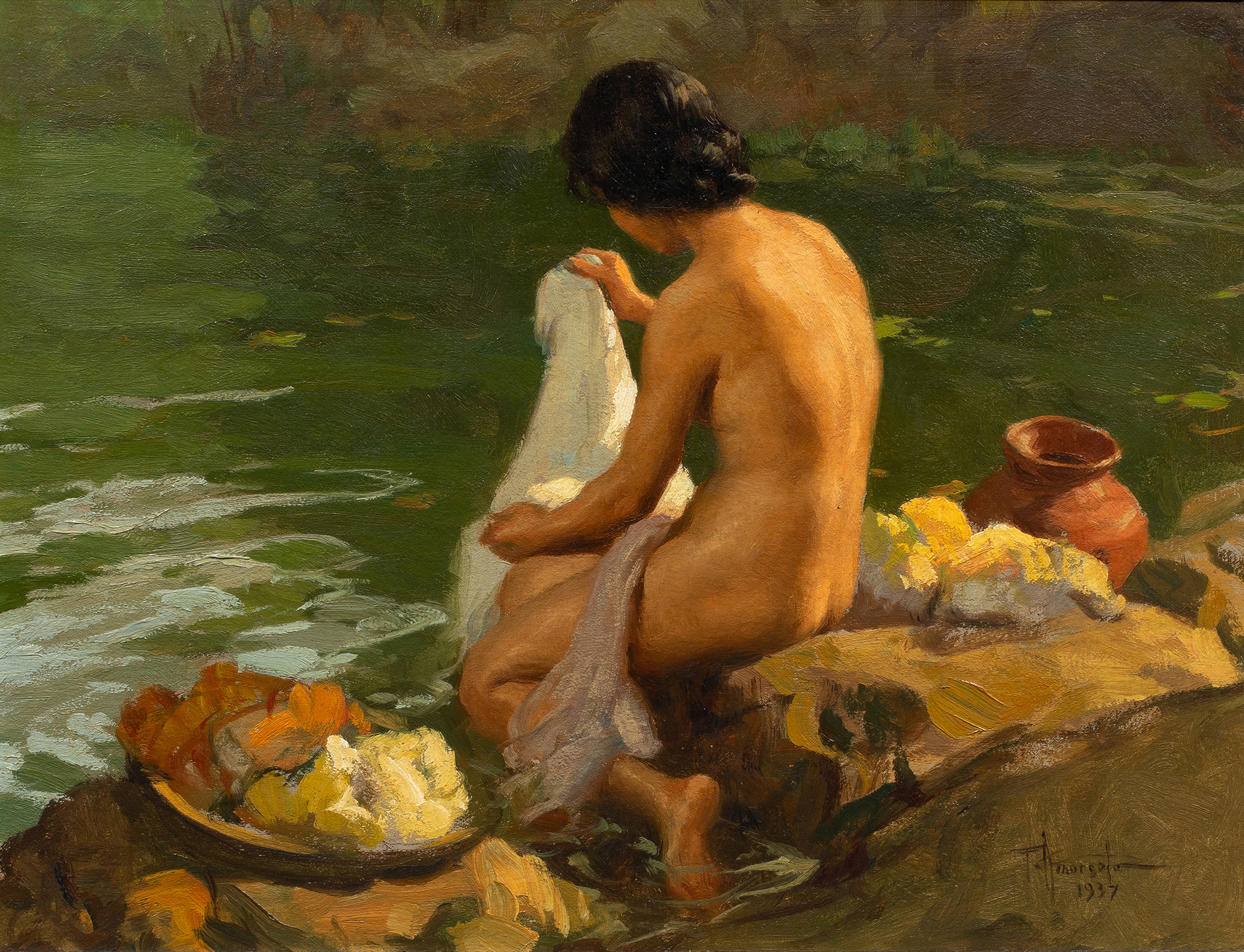
Fernando Amorsolo (Filipino, 1892–1972), La Lavandera, 1937, oil on board, 13″ x 17″. Estimate: $80,000–$120,000
A major highlight of the sale is La Lavandera (1937) by Fernando Amorsolo (Filipino, 1892–1972), an exceptional oil on board measuring 13 x 17 inches, estimated at $80,000–$120,000. Exemplifying Amorsolo’s masterful handling of light and his iconic depictions of rural Philippine life, this work stands as a rare and significant offering within the auction’s international fine art selection.
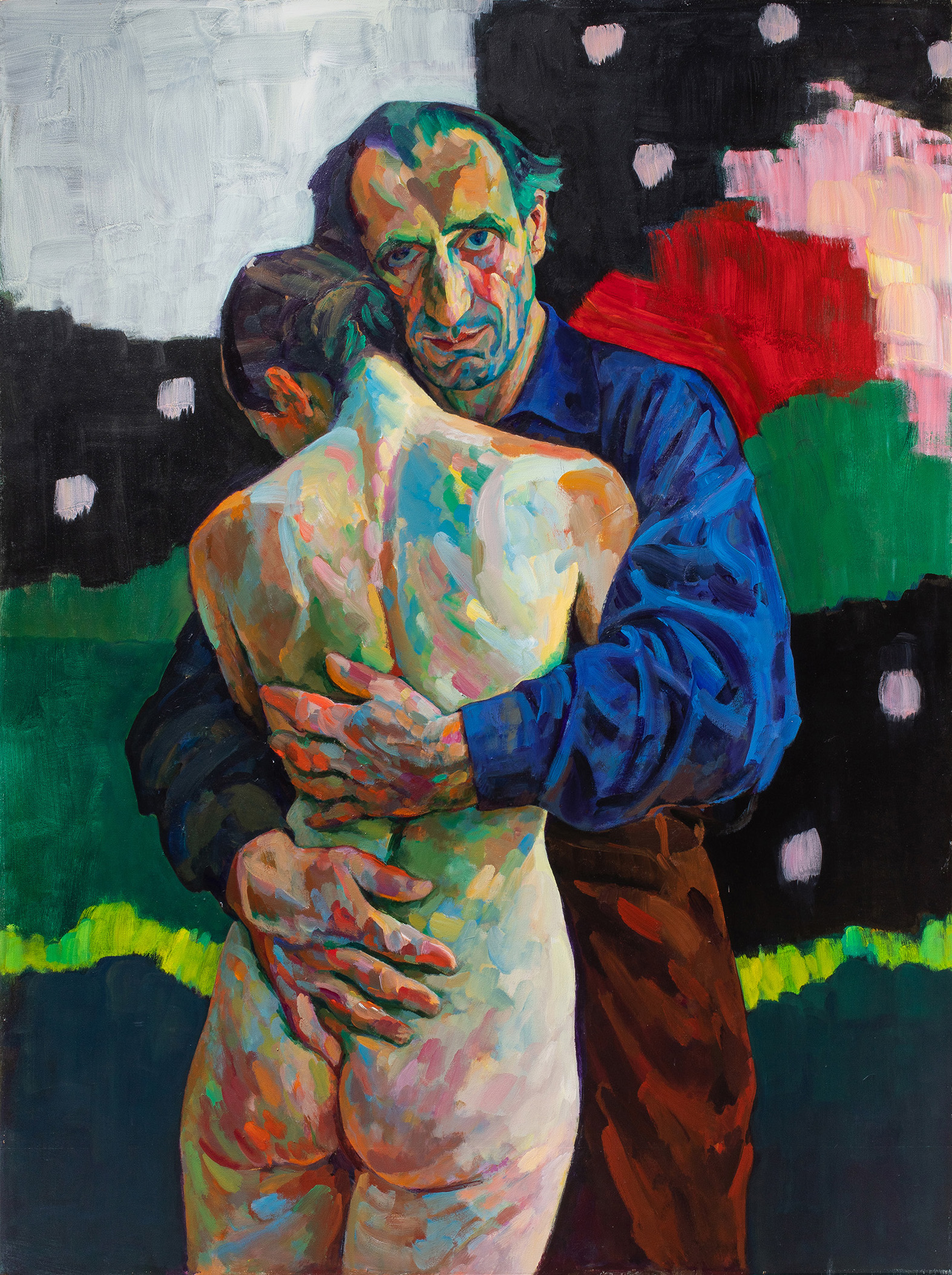
Xenia Hausner (Austrian, b. 1951), Death Maiden, 1999, acrylic on fiberboard, 78.75″ x 59″. Estimate: $50,000–$70,000
Also among the highlights is Xenia Hausner’s monumental Death Maiden (1999), estimated at $50,000–$70,000, a striking acrylic on fiberboard with provenance to Forum Gallery, New York, and a San Francisco private collection. In addition to its artistic significance, proceeds from this work will benefit Access Institute for Psychological Services, a nonprofit dedicated to providing critical mental health care to underserved communities.
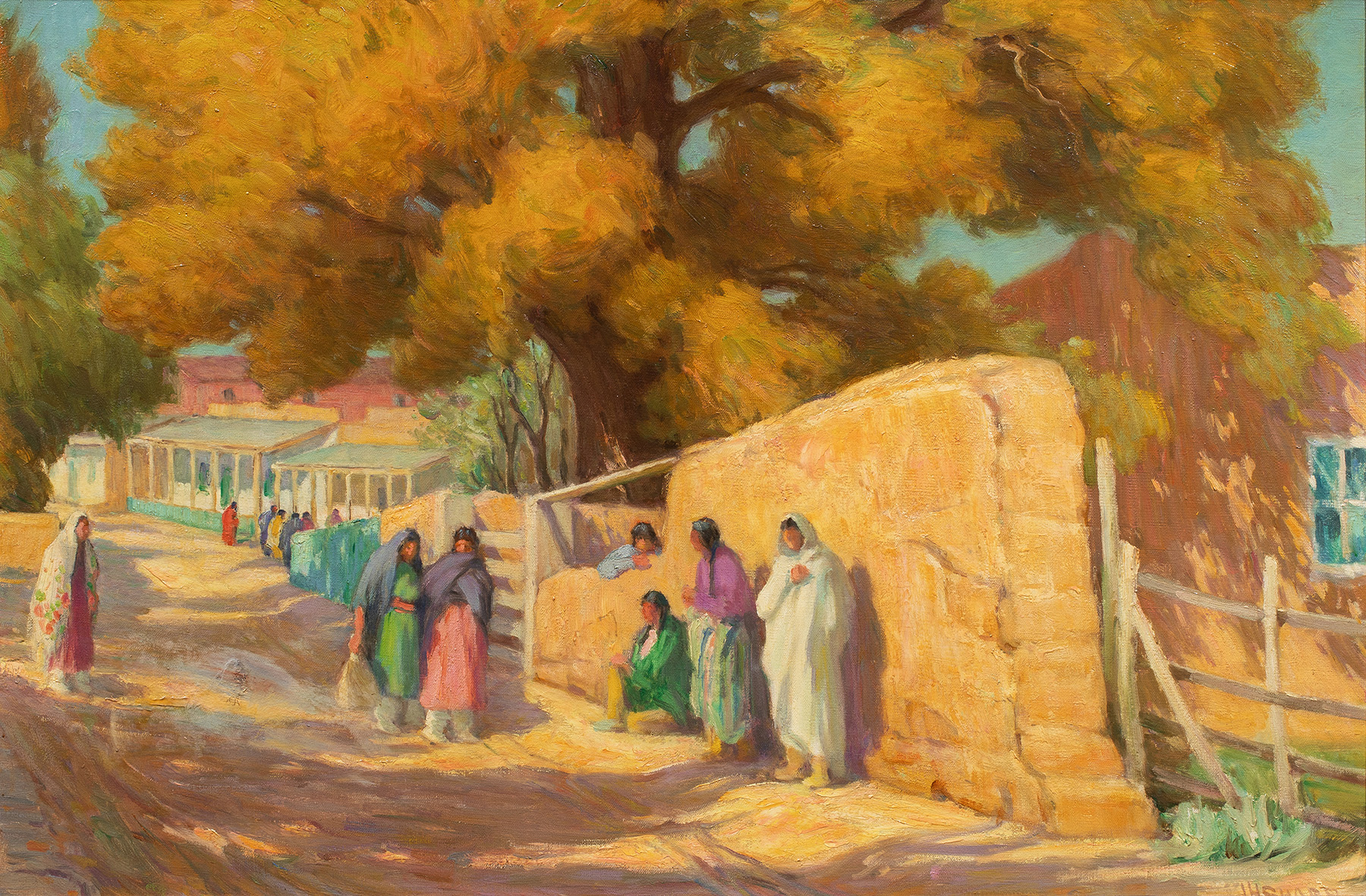
Joseph Henry Sharp (American, 1859–1953), An Old Street in Taos (Kit Carson House, End of Green Fence and Group of Indians), oil on canvas, 16.25″ x 24.25″. Estimate: $40,000–$60,000
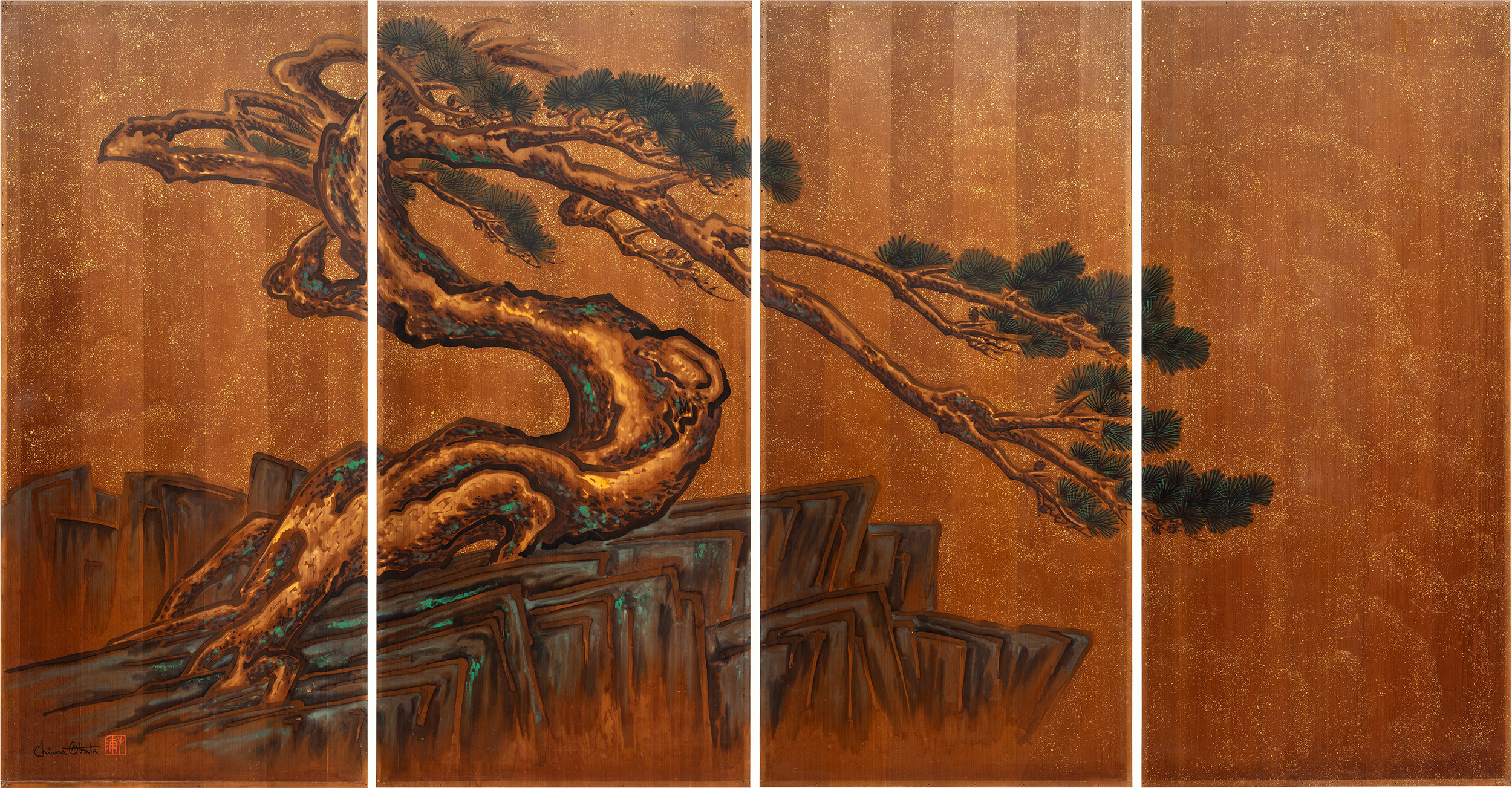
Further reinforcing the strength of the Important Fine Art section are standout works such as An Old Street in Taos by Joseph Henry Sharp, estimated at $40,000–$60,000; and a rare four panel Monterey Cypress mural by Chiura Obata, estimated at $15,000–$25,000.
(Lot of 4) Chiura Obata (American/Japanese, 1885–1975), Monterey Cypress, 4 panel wall mural, each panel: 84″ x 36″. Estimate: $15,000–$25,000
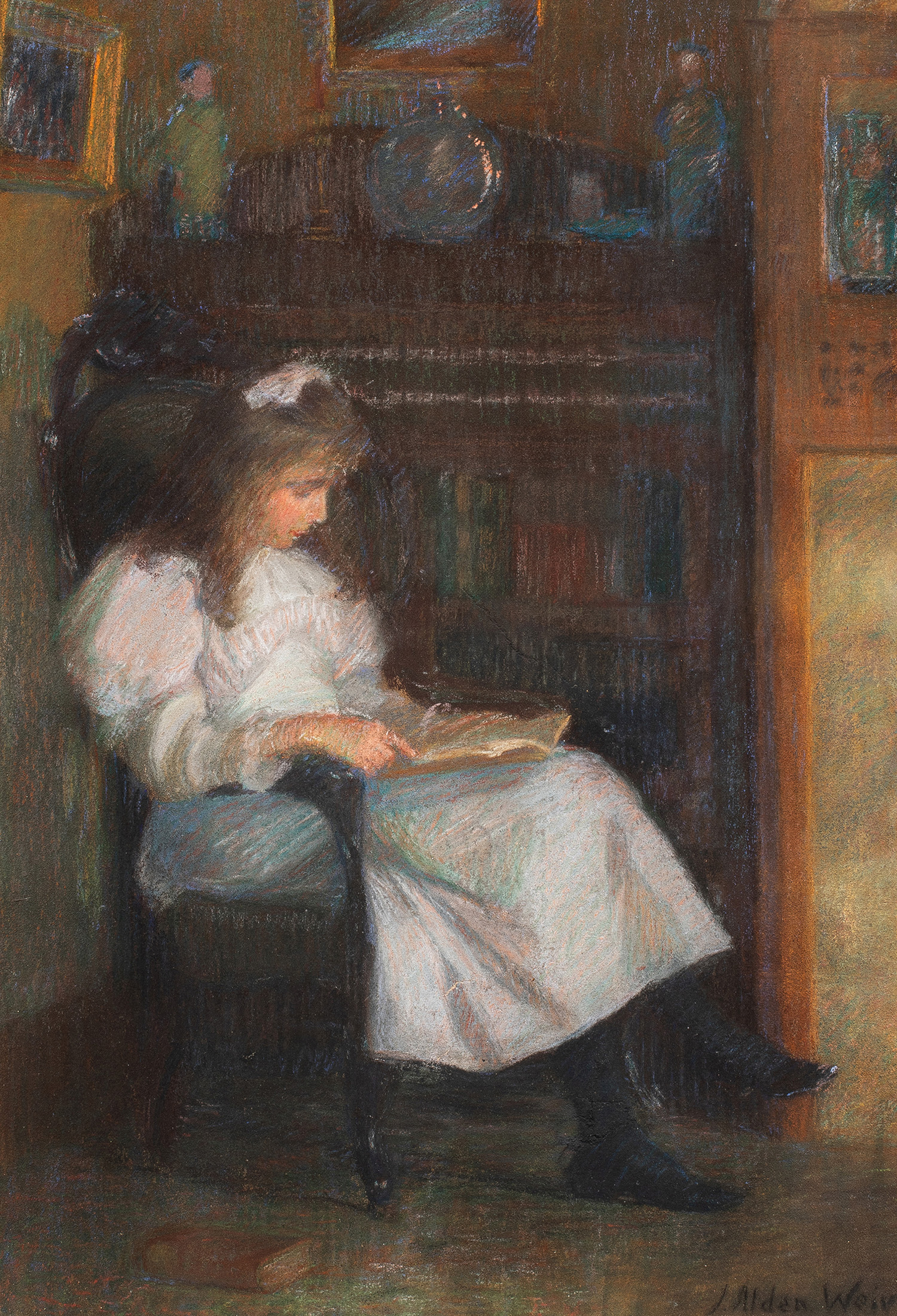
Julian Alden Weir (American, 1852–1919), Untitled (In the Library, pastel, 22″ x 15″. Estimate: $10,000–$15,000
Collectors will also find notable examples by Julian Alden Weir, Leon Dabo, and Eustace Paul Ziegler, alongside important modern and contemporary voices including Christopher Brown, Bruce Nauman, and Gregory Crewdson.
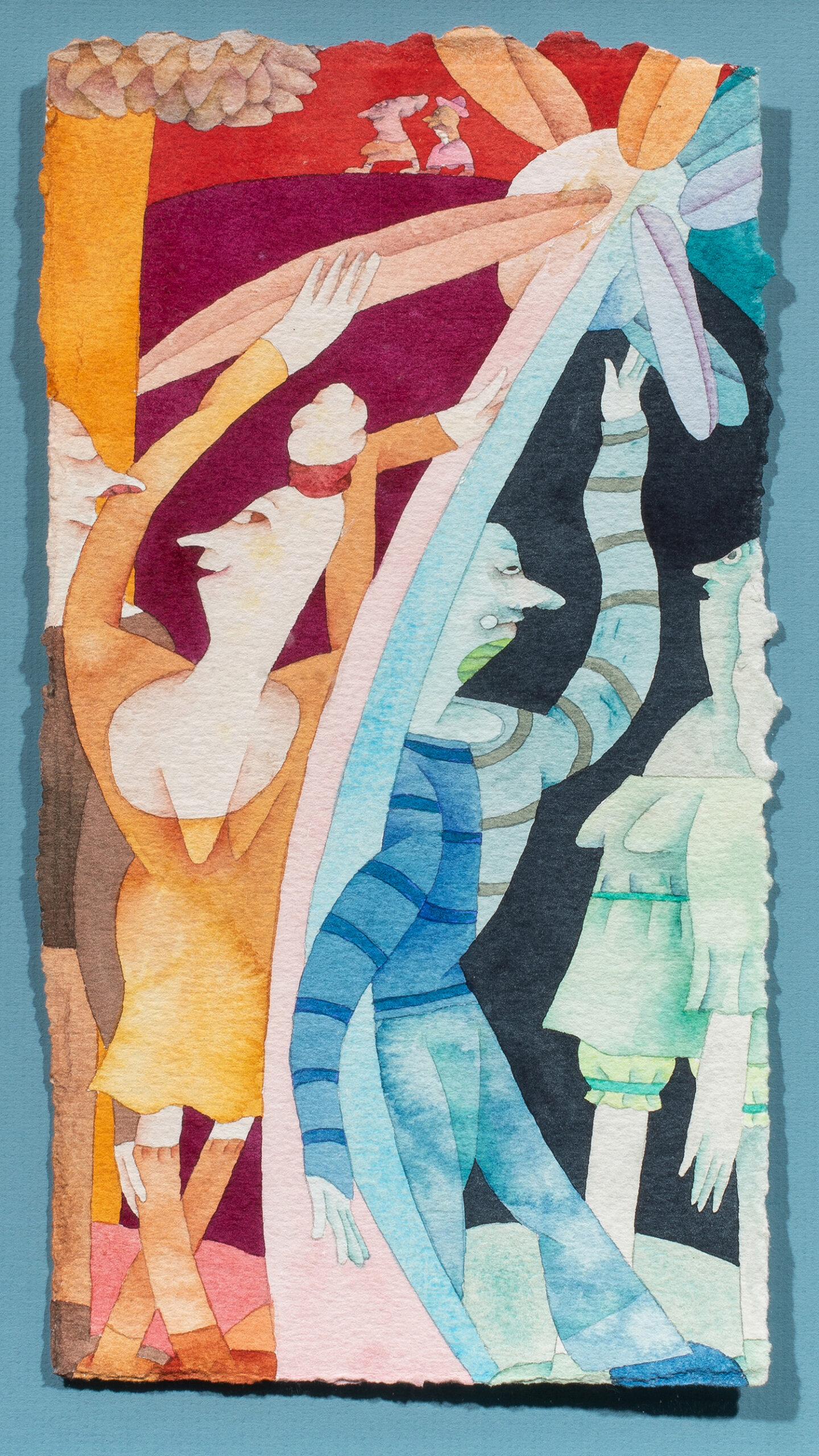
Gladys Nilsson (American, b. 1940), Time of Day, watercolor, 11.25″ x 6.25″. Estimate: $8,000–$12,000
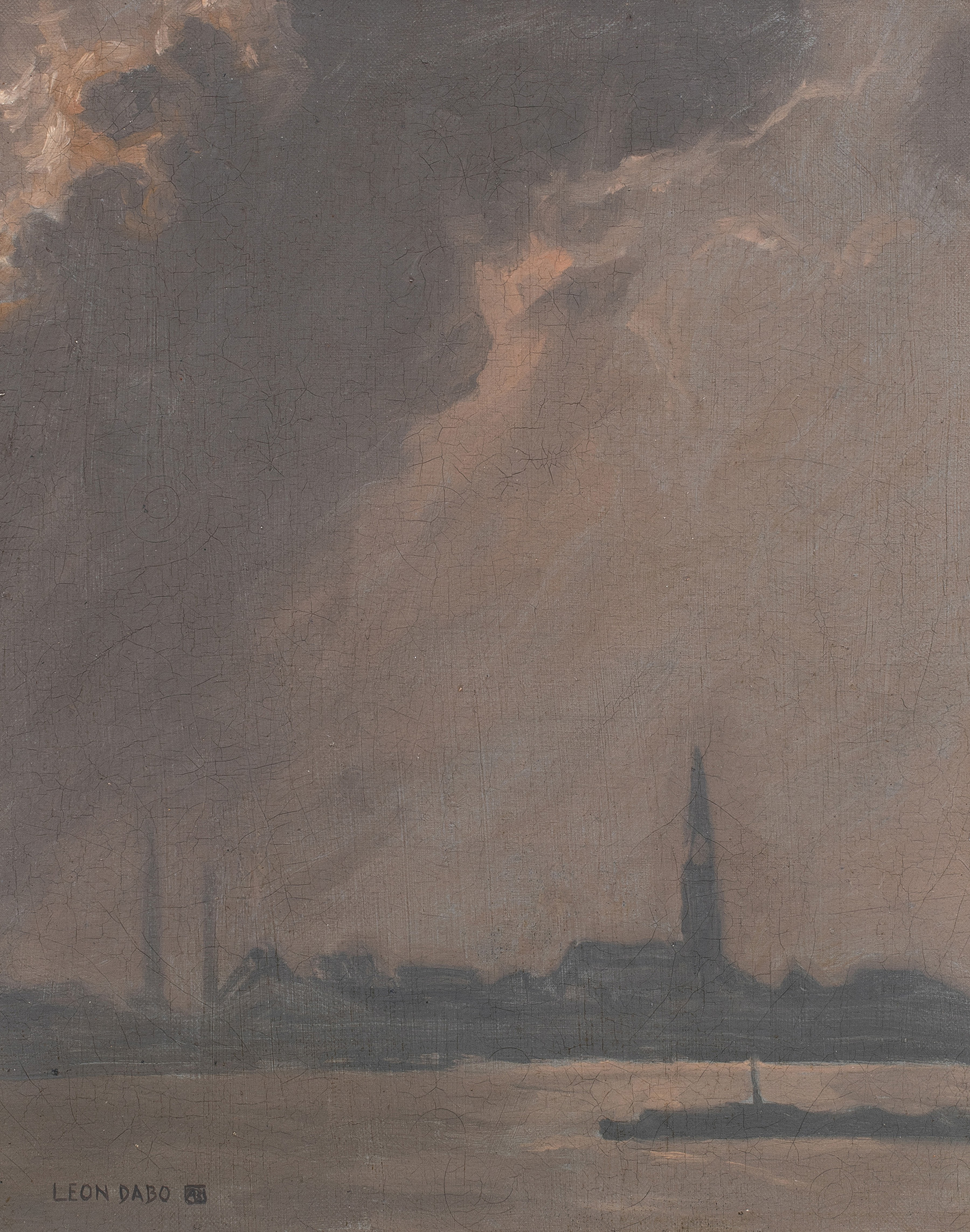
Leon Dabo (American, 1868–1960), Untitled (New York City), oil on canvas, 18.25″ x 15″. Estimate: $8,000–$12,000
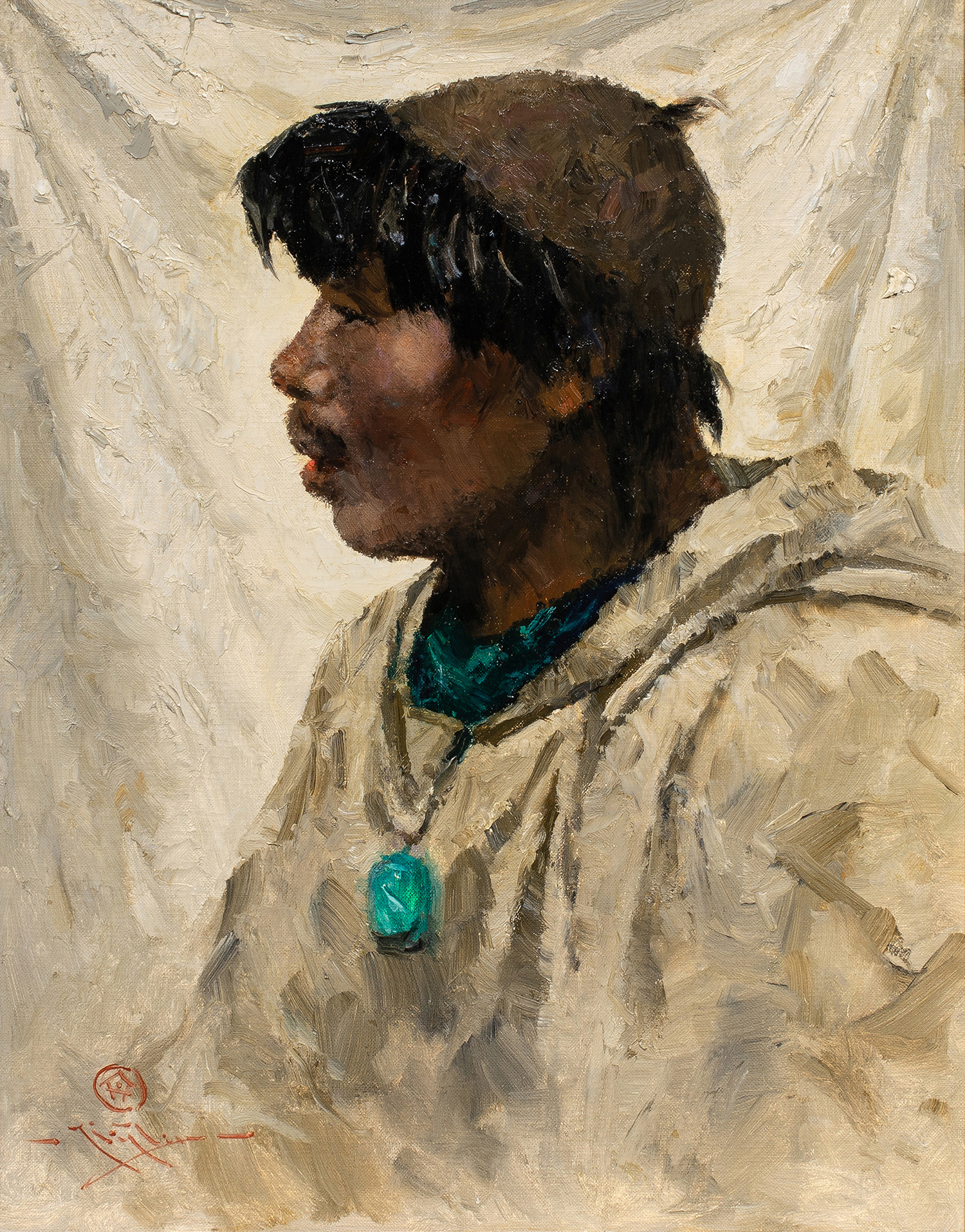
Eustace Paul Ziegler (American, 1881–1969), King Island Eskimo, oil on canvas board, 20″ x 16″ (1 of 2 to be offered). Estimate: $8,000–$12,000
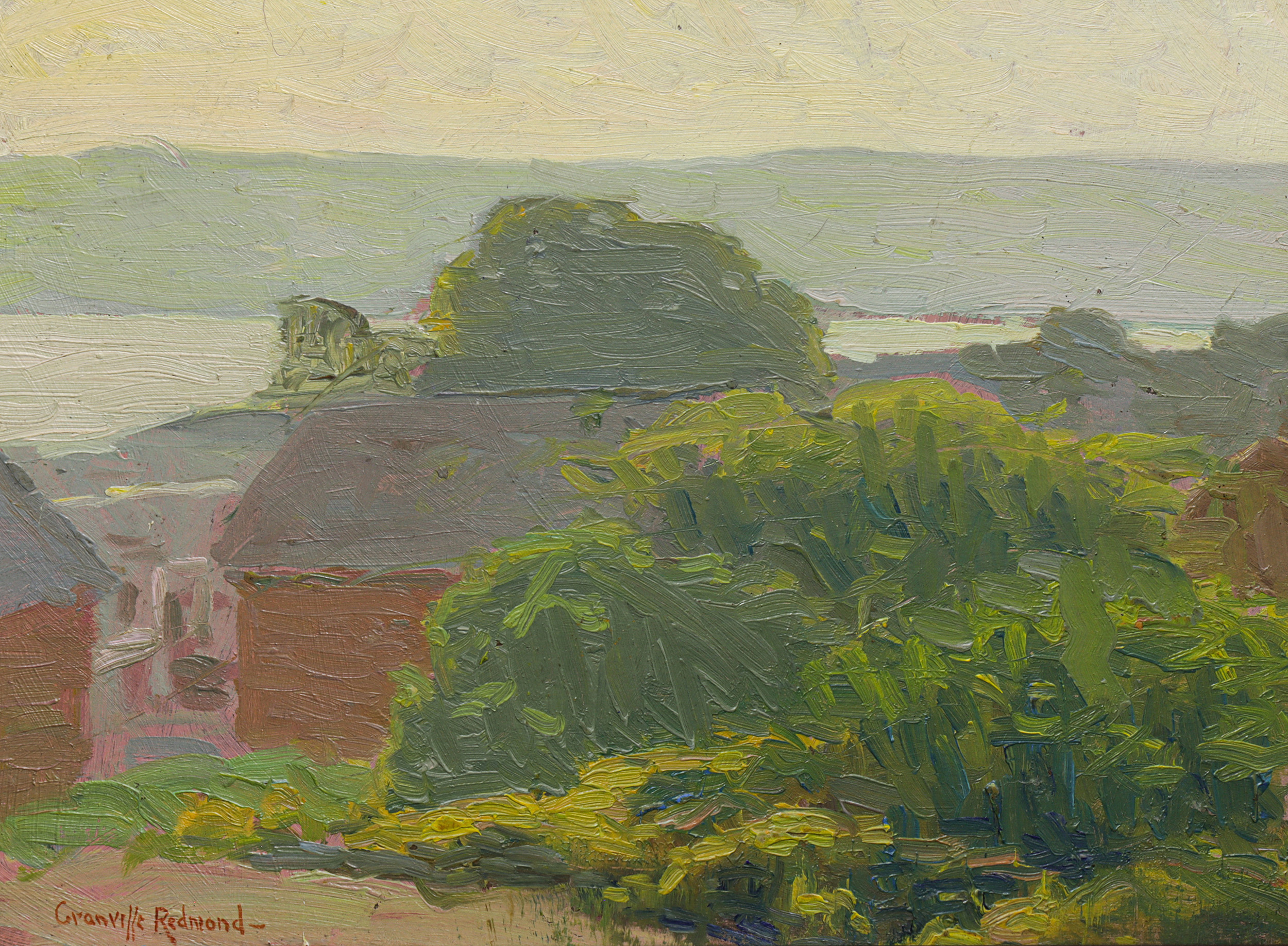
Granville Redmond (American, 1871–1935), Untitled (View from Tiburon), oil on board, 10″ x 12.75″. Estimate: $6,000–$9,000
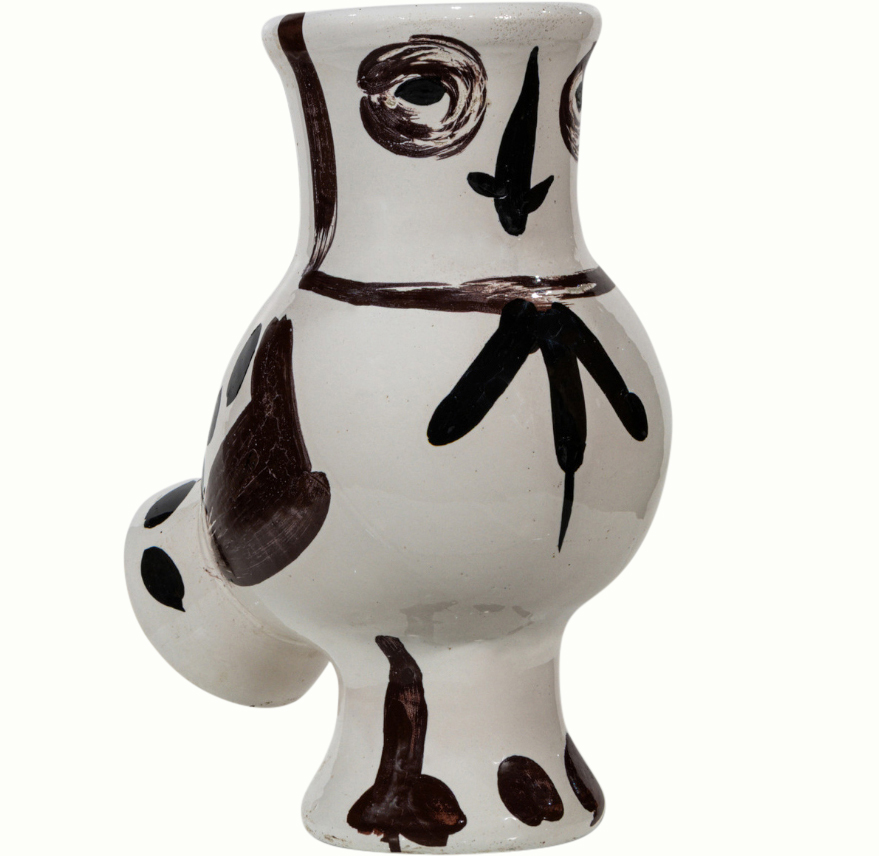
Pablo Picasso (Spanish, 1881–1973), Chouette aux Taches, 1951, white earthenware ceramic, ed. 300, 11″h. Estimate: $6,000–$9,000
The depth of the fine art offering continues with works connected to Pablo Picasso,
including a ceramic Chouette aux Taches (1951), an etching from La Suite Vollard, and a tapestry after Jacqueline.
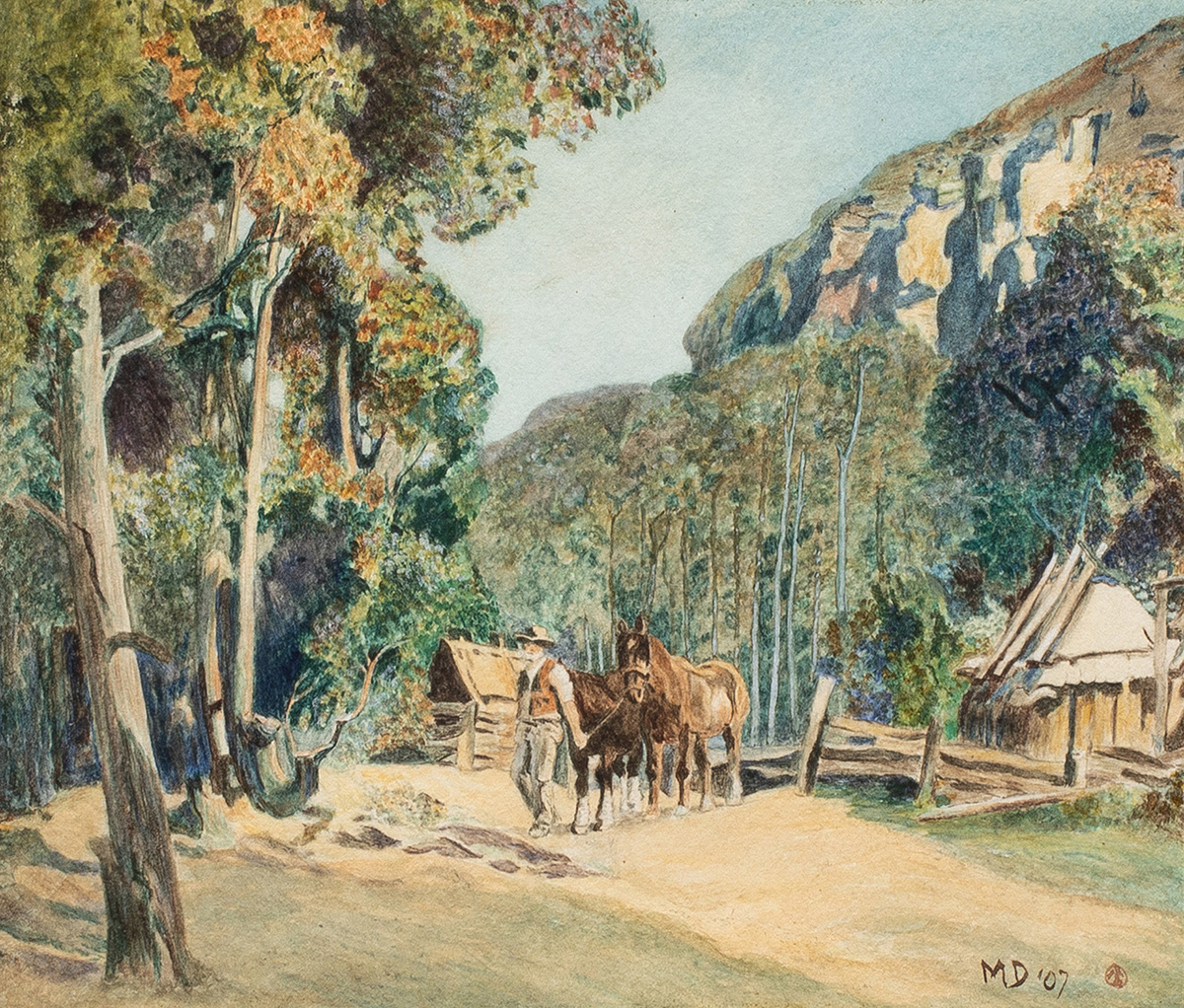
Maynard Dixon (American, 1875–1946), Untitled (Ranch Scene), 1907, watercolor, 8.5″ x 10″ (1 of 2 to be offered). Estimate: $6,000–$9,000
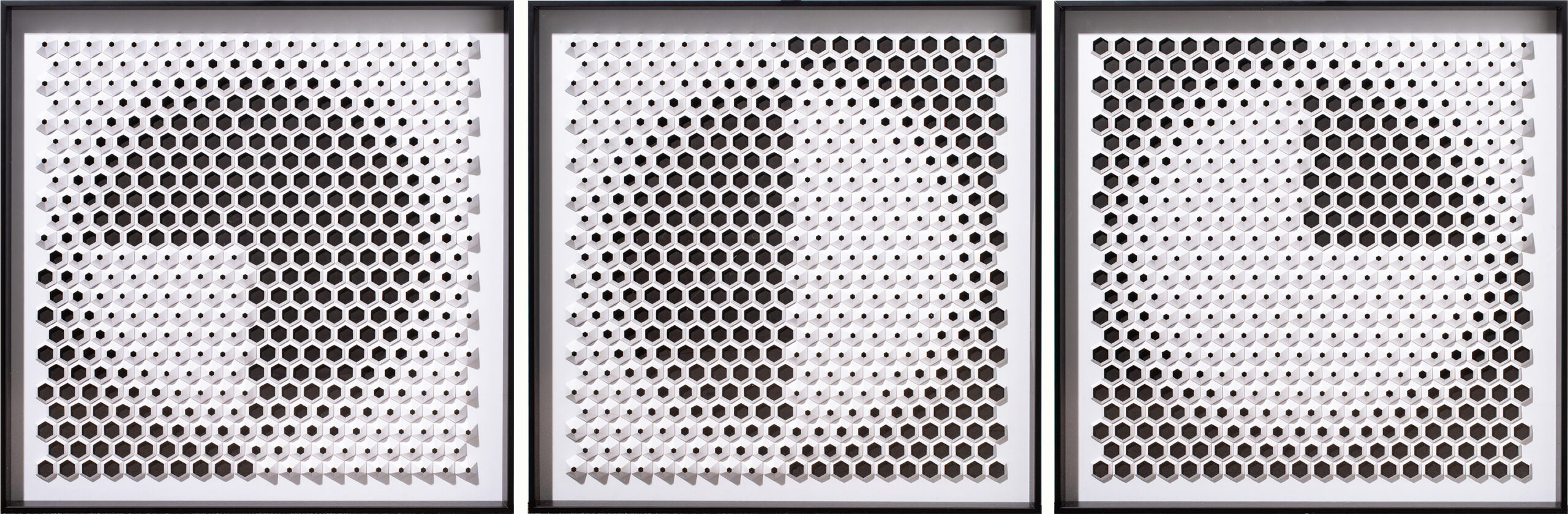
(lot of 3) Yossi Ben Abu (American, 20th/21st century), Untitleds, 2022, dimensional paper constuctions, 31.5″ x 31.5″. Estimate: $6,000–$9,000
Significant California and American artists are well represented, with works by Granville Redmond, Maynard Dixon, Edward Potthast, and Wayne Thiebaud. Additional highlights include a bronze relief by Ruth Asawa, a sculptural work by Anne and Patrick Poirier, and contemporary pieces by Ben Quinn and Marcel Dzama — further demonstrating the breadth and quality of this leading section.
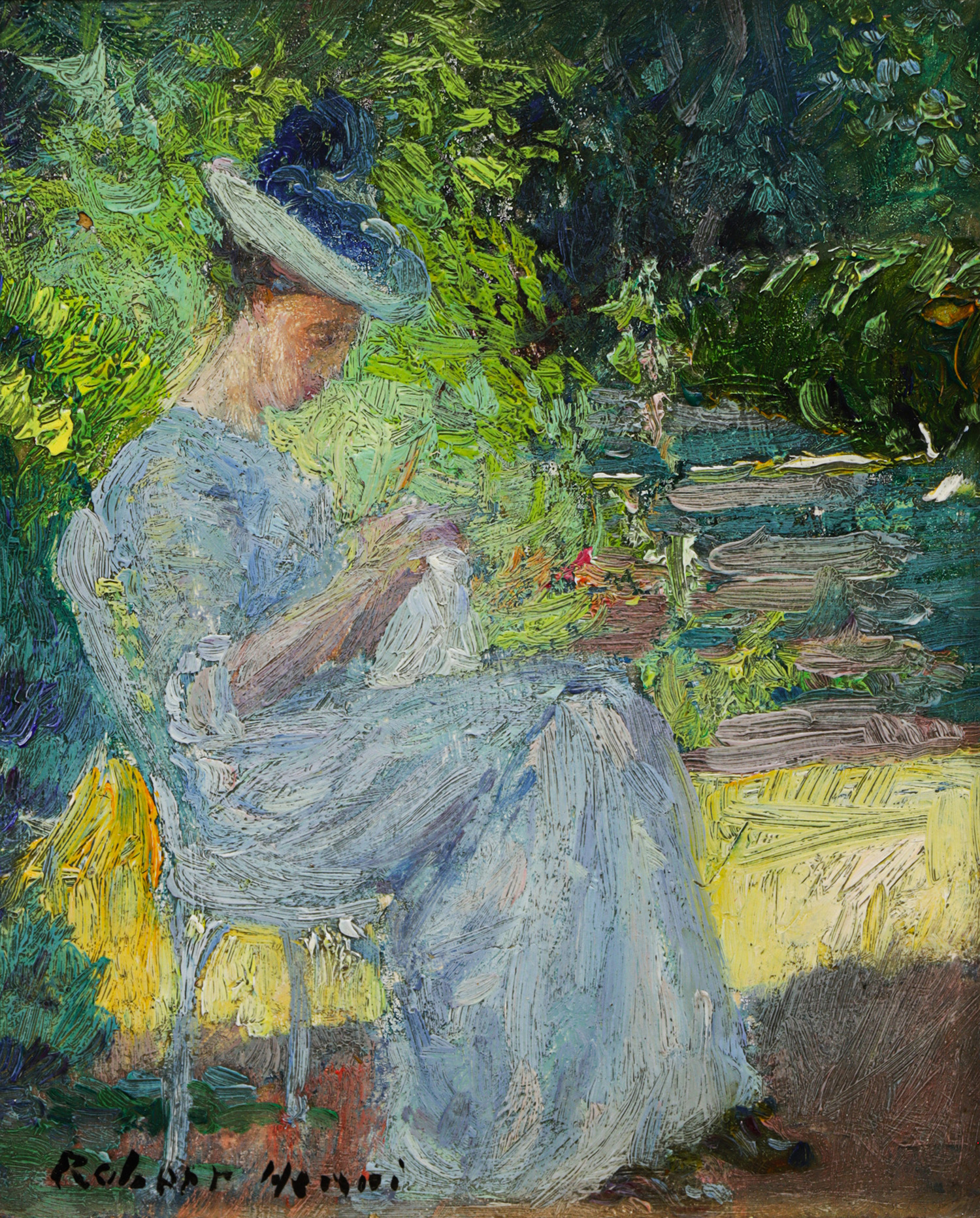
Robert Henri (American, 1865–1929), Untitled (Sewing in the Garden), oil in board, 5.75″ x 5″. Estimate: $5,000–$7,000
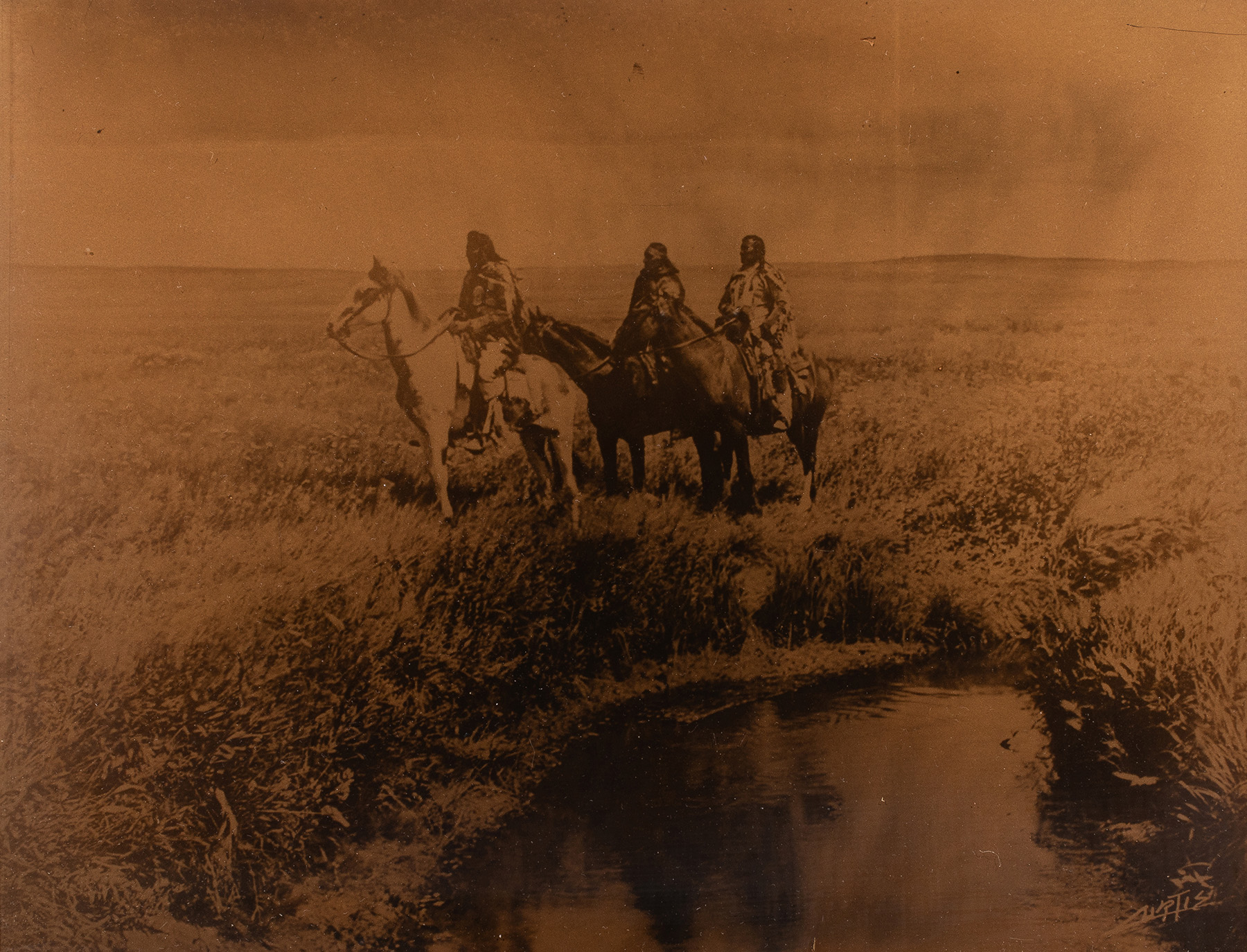
Edward Sherriff Curtis (American, 1868–1952), The Three Chiefs, Piegan, orotone, 11″ x 14″. Estimate: $5,000–$7,000
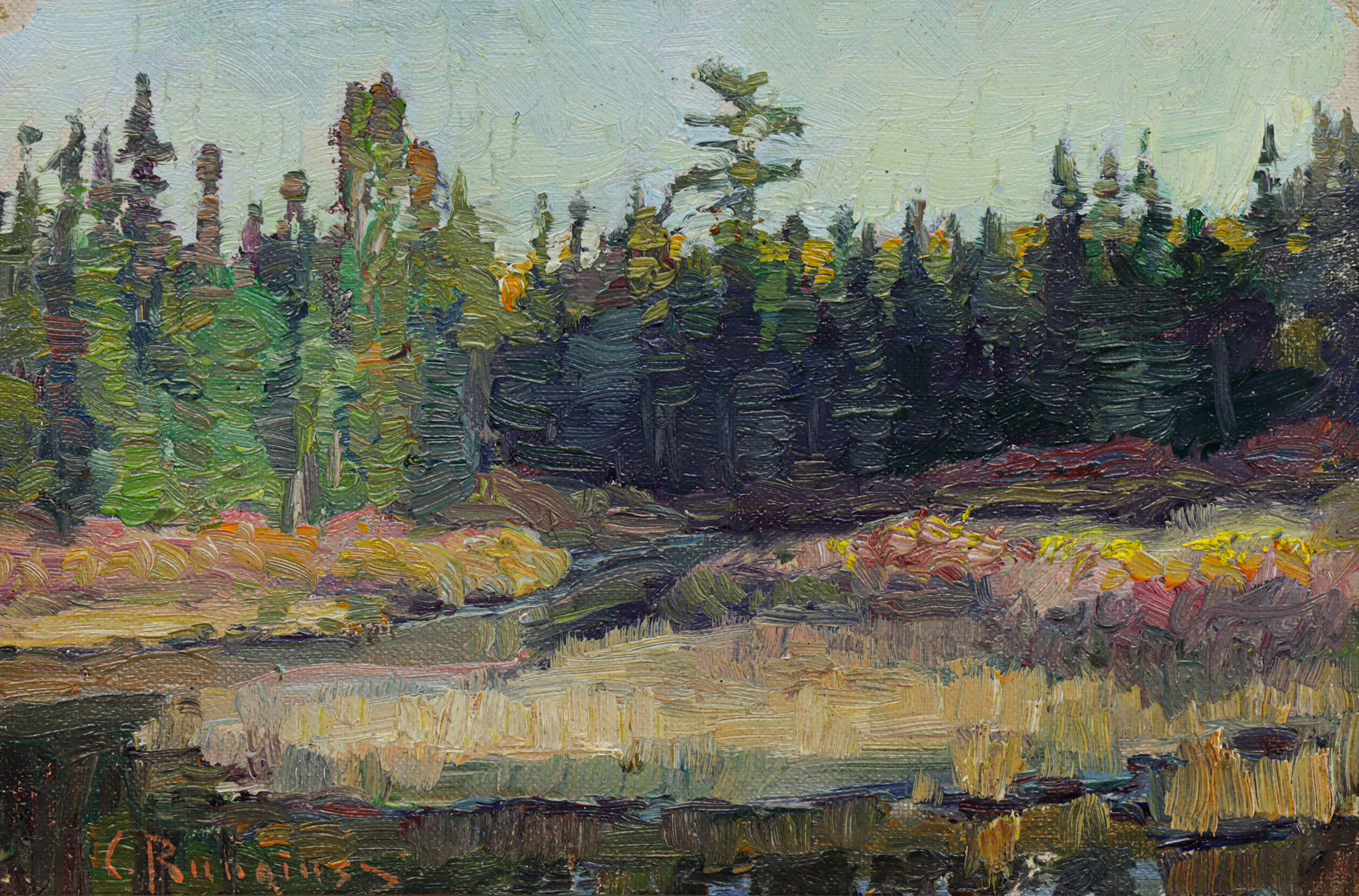
Carl Rungius (American/German, 1869–1959), Untitled (Forest Stream), oil on canvas board, 6.25″ x 9.25″ (1 of 2 to be offered). Estimate: $5,000–$7,000
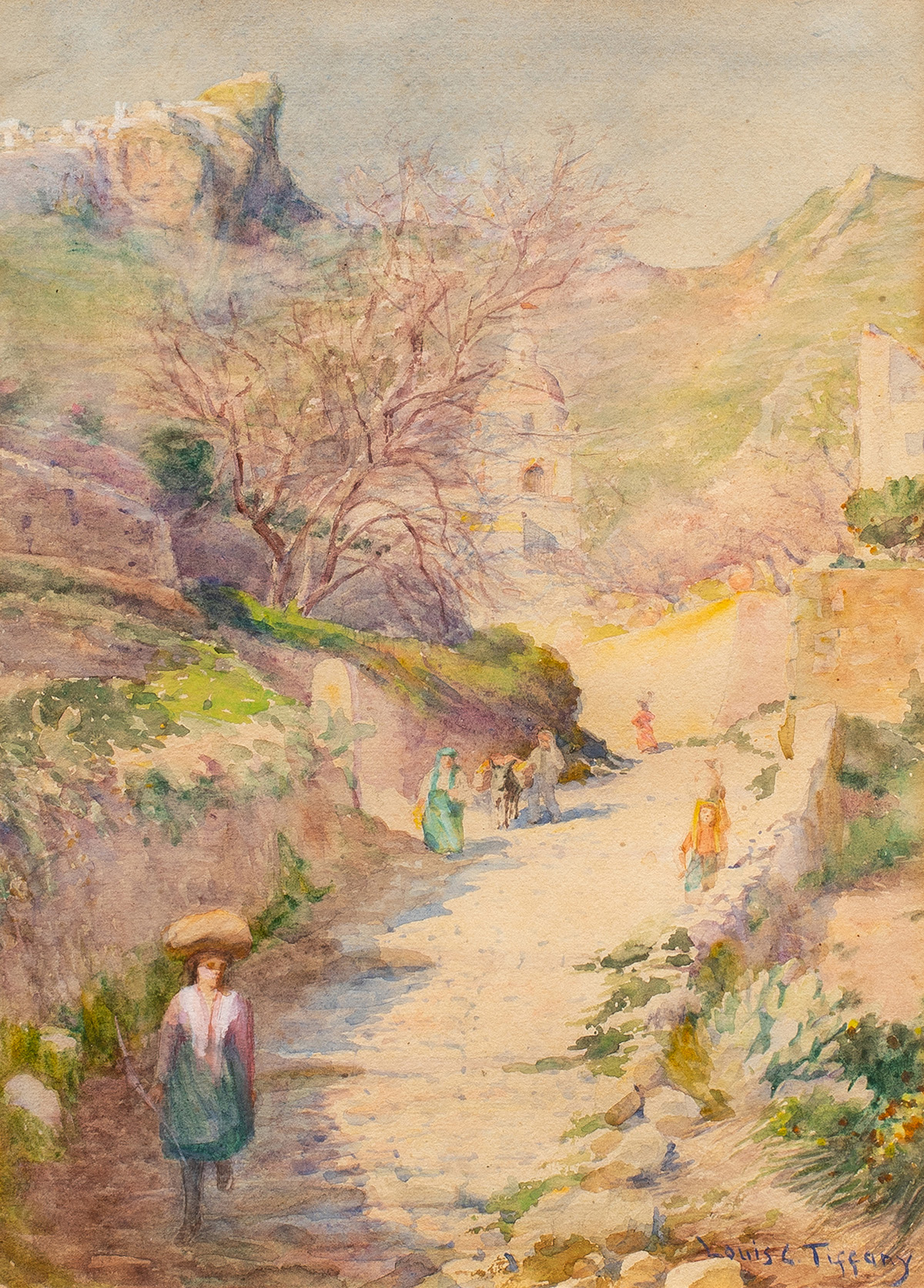
Louis Comfort Tiffany (American, 1848–1933), Near Roccabruna Italy, 1874, watercolor, 14.75″ x 10.75″. Estimate: $5,000–$7,000
Lisa Ashinoff (American, 20th/21st century), Mondo, oil on canvas, 60.25″ x 90″. Estimate: $5,000–$7,000
Christopher Brown (American, b. 1951), Forty Flakes, 1992, lithograph in colors, 30″ x 30″ (1 of 2 to be offered). Estimate: $5,000–$7,000
Ben Quinn (American, b. 1991), Untitled (Star), watercolor and PVA on inkjet print affixed to canvas over panel, 48″ x 36″. Estimate: $4,000–$6,000
John Fery (American, 1859–1934), Untitled (Stag by a Mountain Lake), oil on board, 15″ x 23.5″. Estimate: $4,000–$6,000
Martin Lewis (American, 1881–1962), Untitled (Study for Circus), pencil and gouache on paper, 8.5″ x 11.5″. Estimate: $4,000–$6,000
Paul Landacre (American, 1893–1963), Counterpoint, 1937, wood engraving on rice paper, 12″ x 8.5″. Estimate: $4,000–$6,000
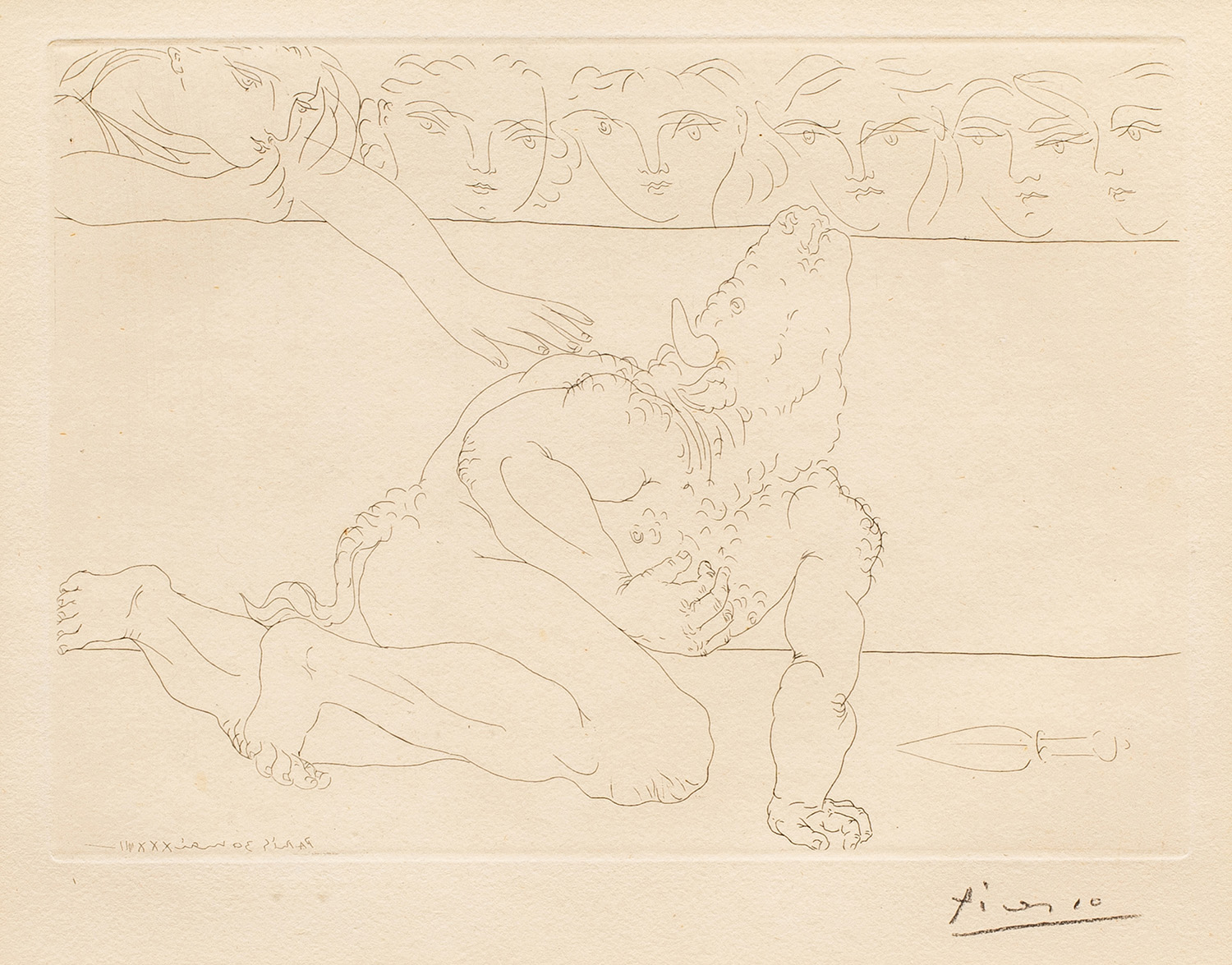
Pablo Picasso (Spanish, 1881–1973), Minotaure mourant (from La Suite Vollard), 1933, etching, 7.5″ x 10.5″. Estimate: $4,000–$6,000
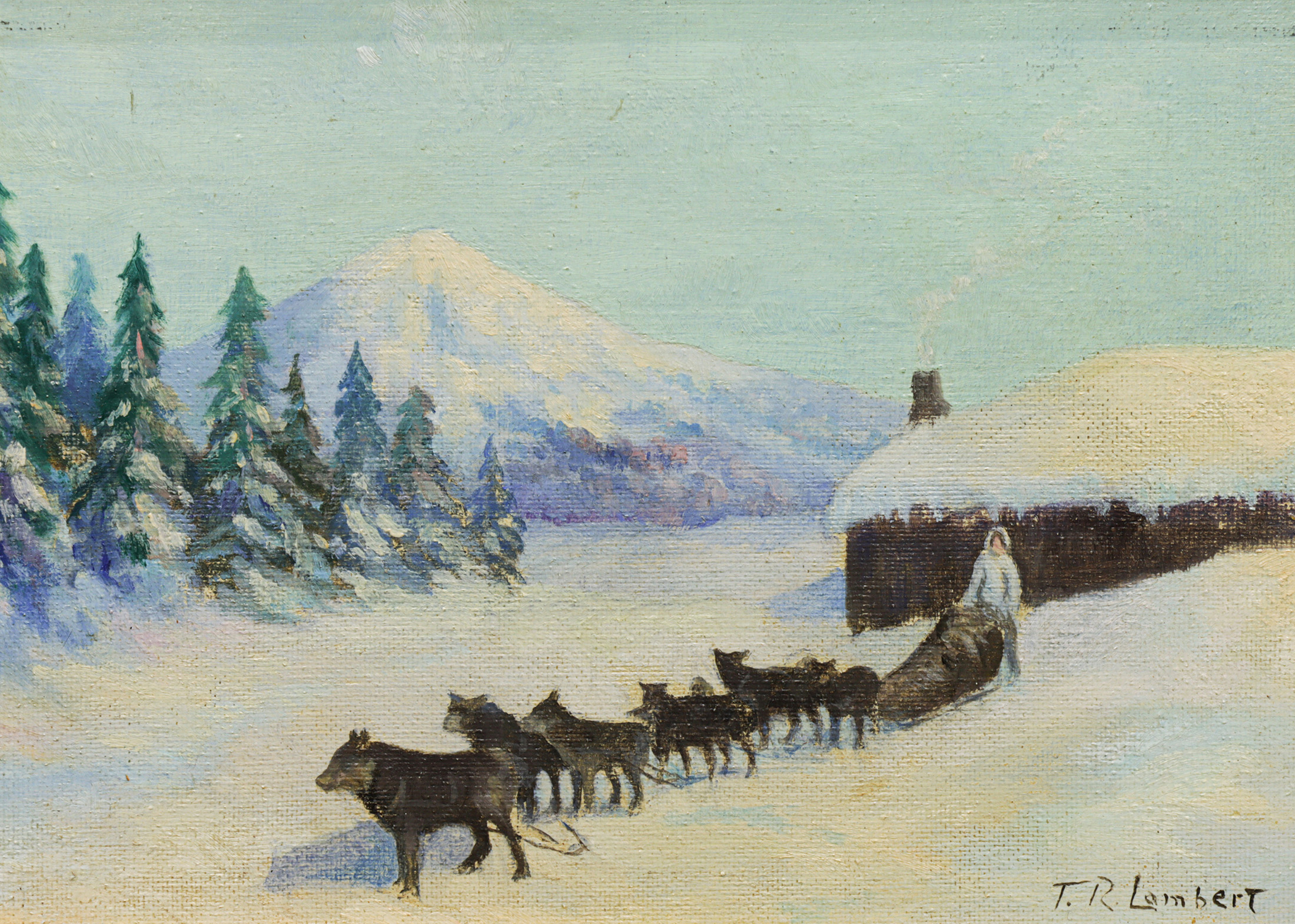
Theodore Roosevelt Lambert (American, 1905–1960), Untitled (Dog Sled Preparing for a Run), oil on canvas board, 8.75″ x 11.88″. Estimate: $3,000–$5,000
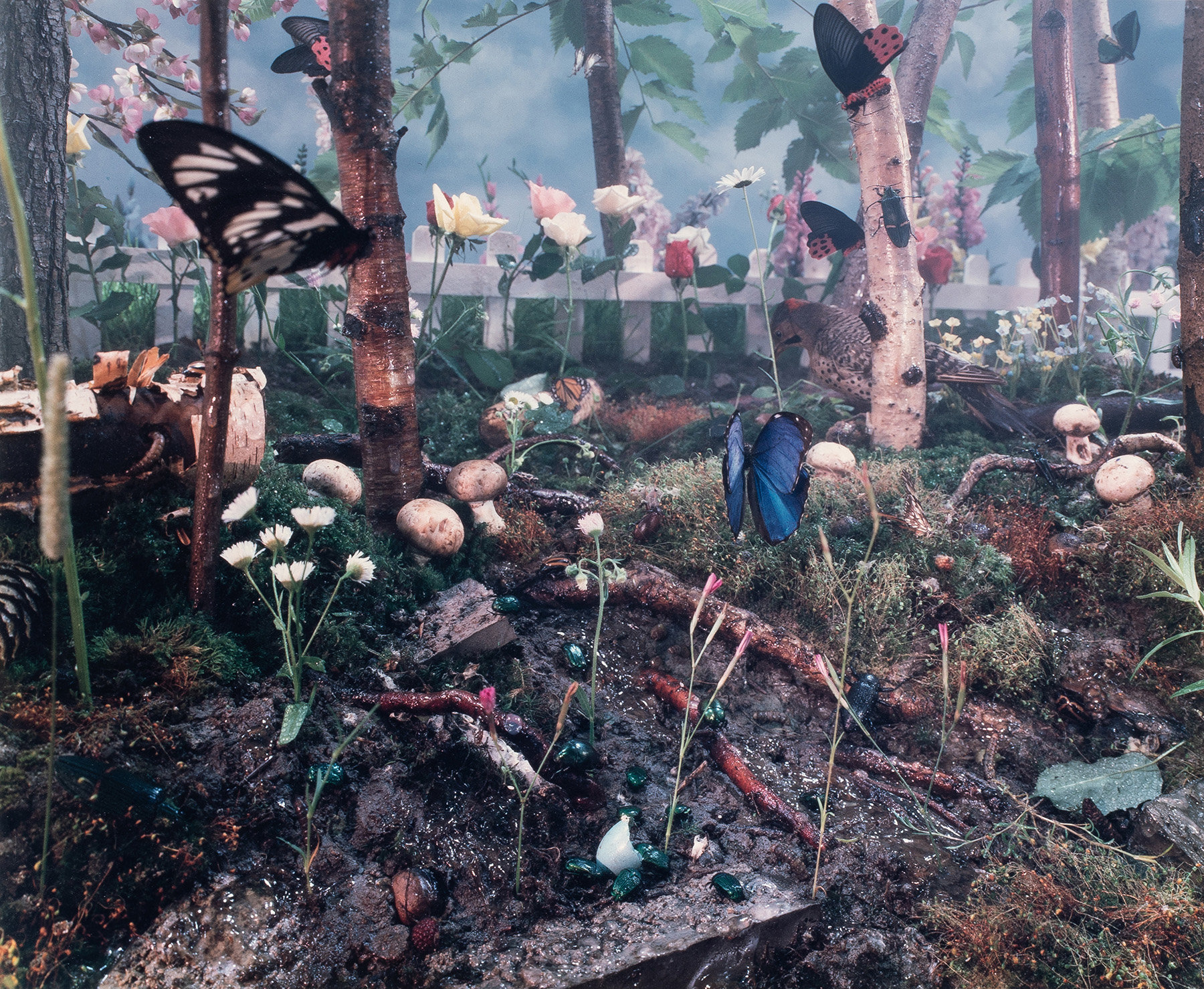
Gregory Crewdson (American, b. 1962), Natural Wonder c-print, 17.75″ x 21.75″. Estimate: $3,000–$5,000
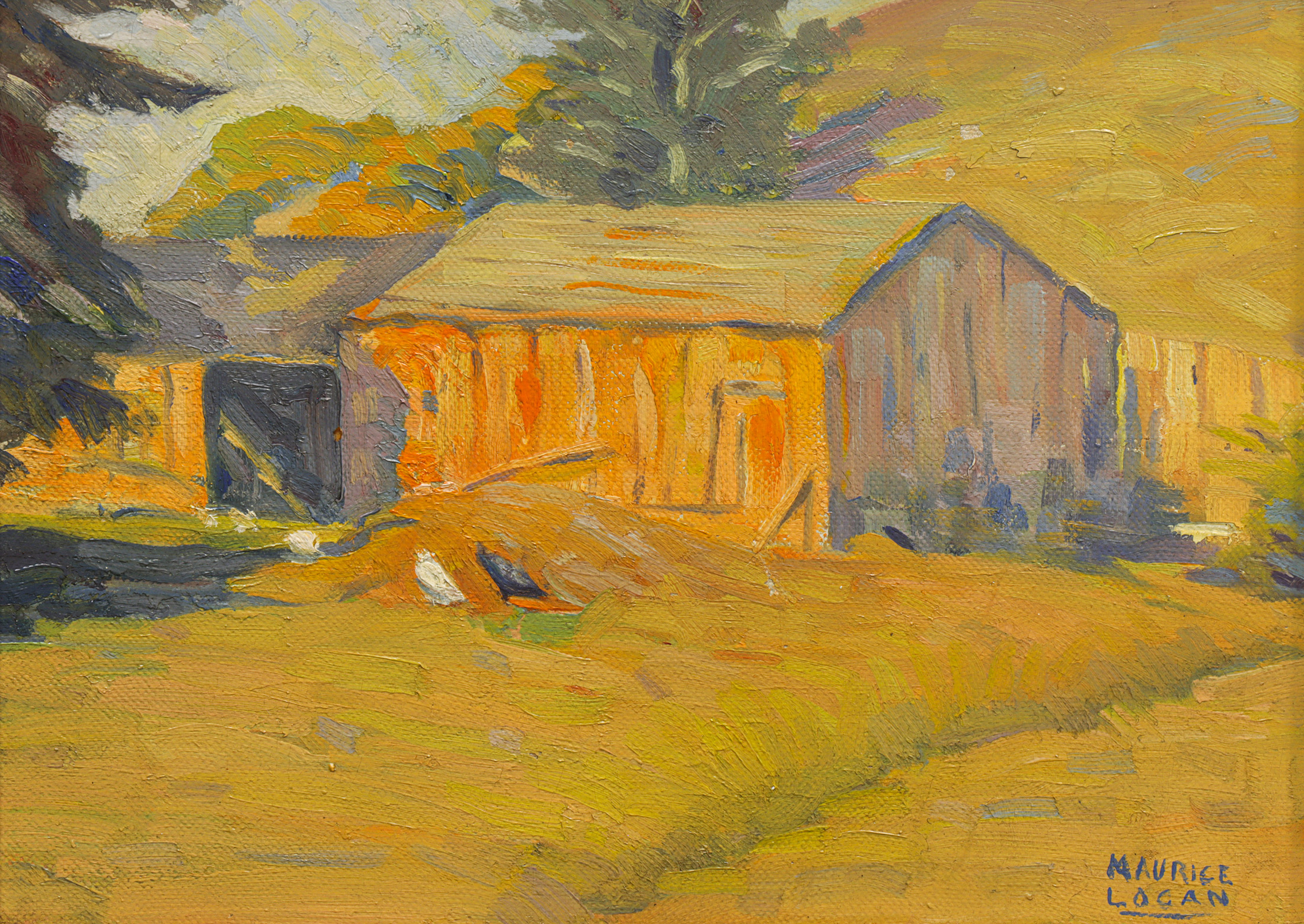
Maurice Logan (American, 1886–1977), Study – Sunlight on the Old Barn, oil on canvas, 12″ x 16″. Estimate: $3,000–$5,000
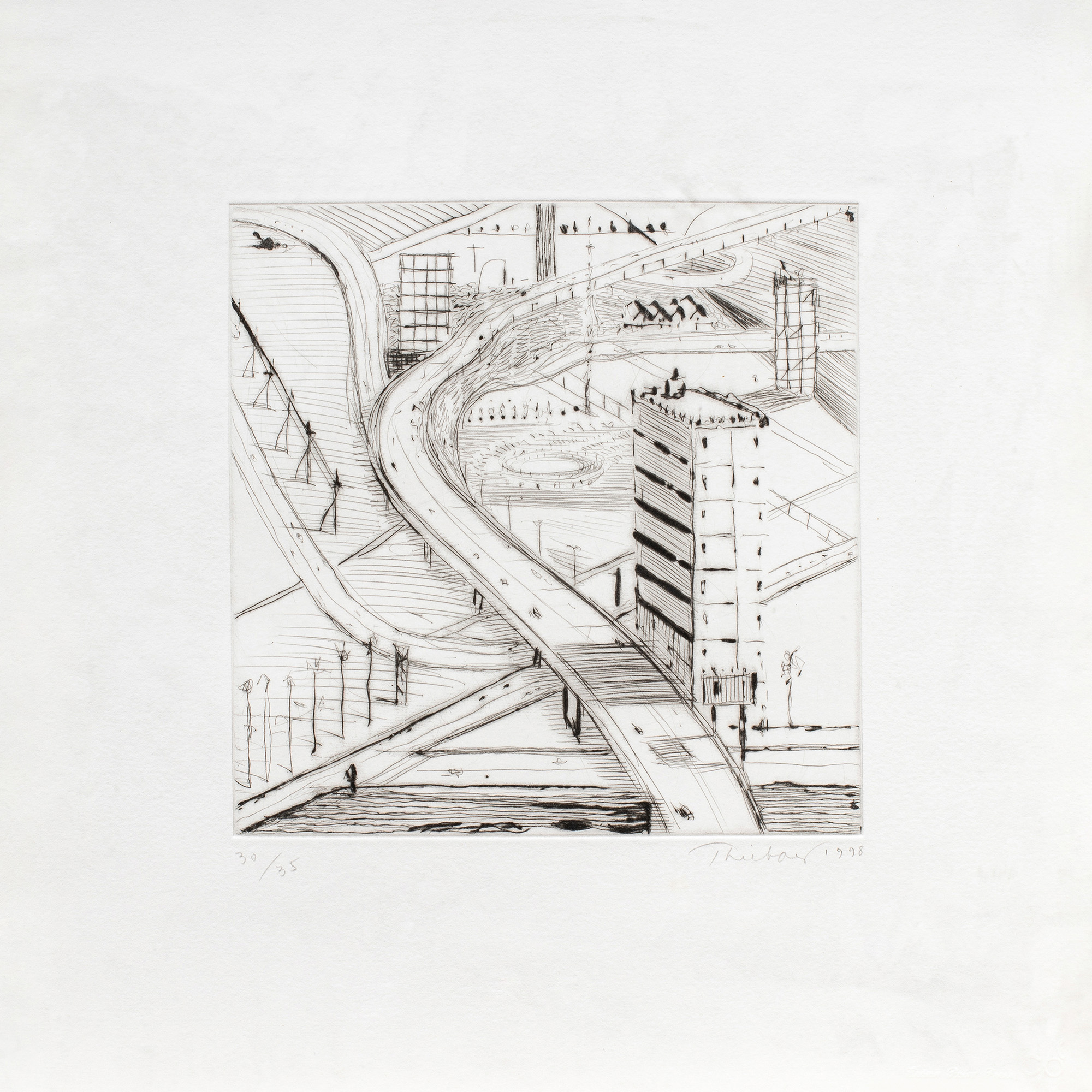
Wayne Thiebaud (American, 1920–2021), Freeway Building, 1998, drypoint etching, 12.5″ x 12″. Estimate: $3,000–$5,000
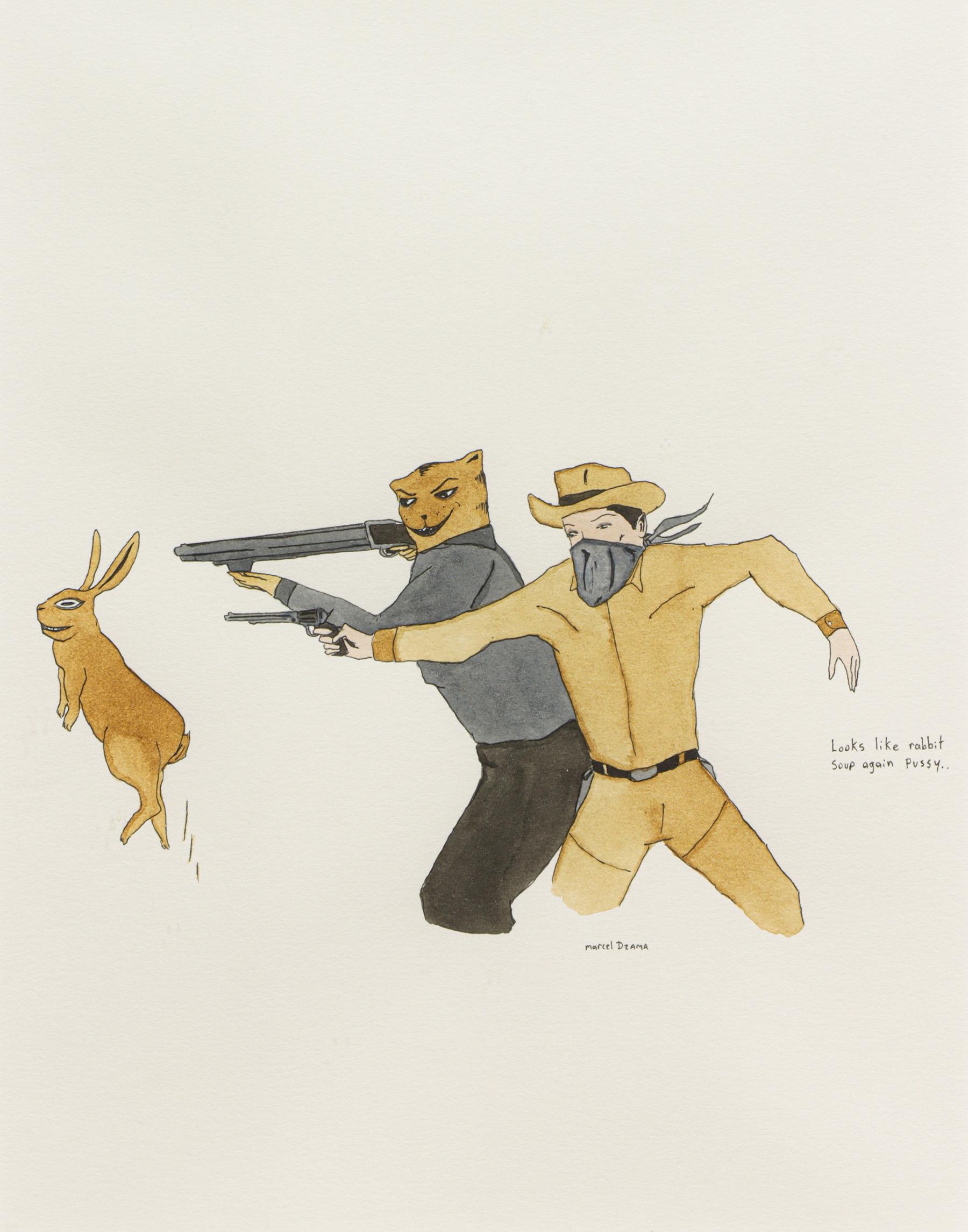
Marcel Dzama (Canadian, b. 1974), Untitled (Looks like Rabbit Soup…), ink and watercolor on paper, 11″ x 8″. Estimate: $3,000–$5,000
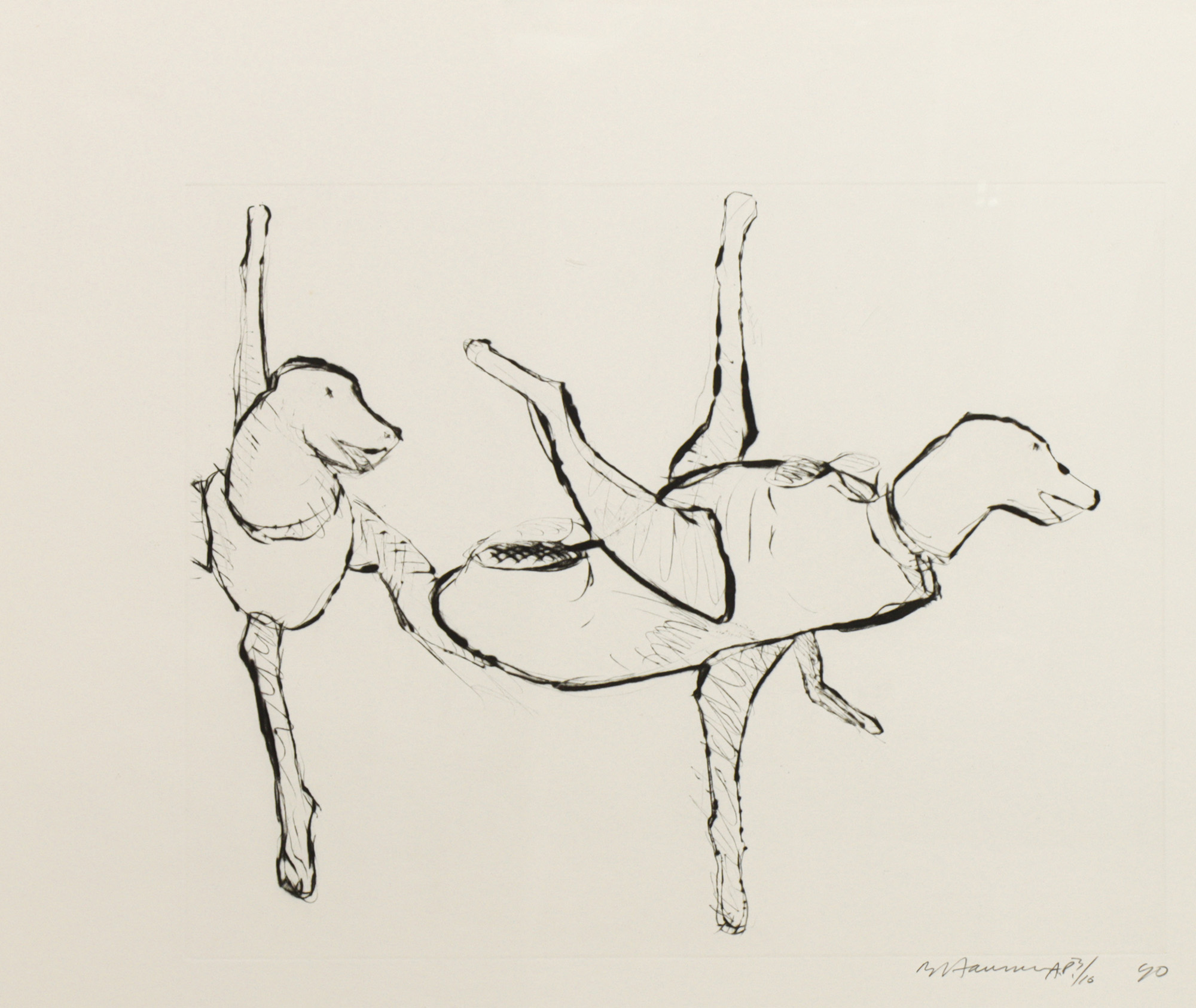
Bruce Nauman (American, b. 1941), Untitled, 1990, etching, 16.5″ x 19.5″. Estimate: $3,000–$5,000
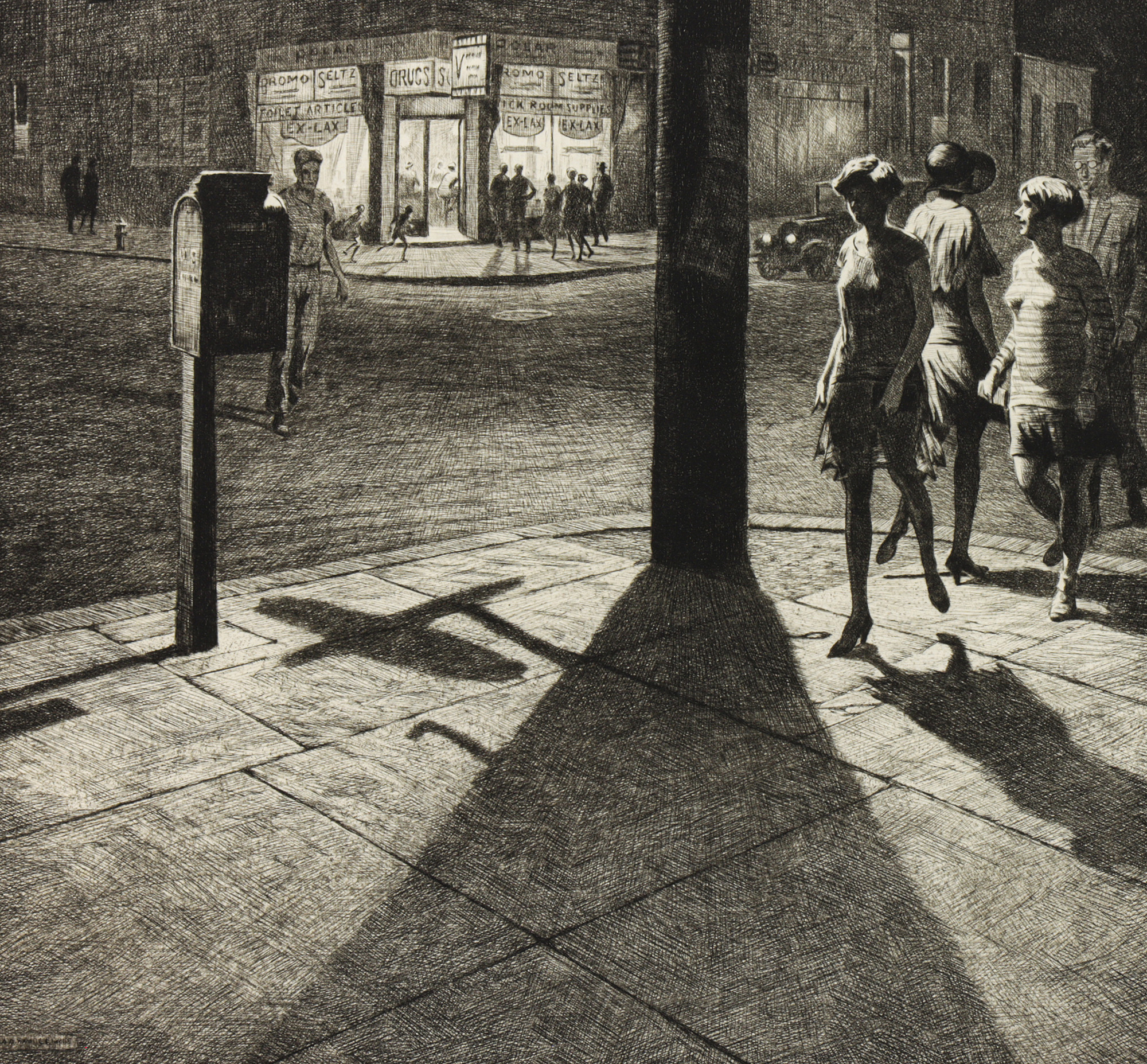
Martin Lewis (American, 1881–1962), Corner Shadows, 1929, drypoint etching, 8.5″ x 8.88″. Estimate: $2,500–$3,500
The Asian Works of Art Auction on February 19th will feature a curated selection of Chinese and Japanese works.
Asian Art
Highlights
Property from Estate of Senator Dianne Feinstein
Estate Spotlight
Stories & News
Clars Auctions is privileged to present Property from the Estate of Senator Dianne Feinstein and Richard C. Blum on May 14th beginning at 2 PM PDT, offering a rare opportunity to acquire distinguished works from their celebrated Sea Drift and Pacific Heights residences.
This exceptional collection reflects the refined taste and legacy of one of the most influential figures in modern American political history — the longest-serving female United States Senator, former Mayor of San Francisco, and past Chair of the Senate Intelligence Committee — and her husband, the noted financier and philanthropist. The auction comprises an elegant, curated selection of luxury decorative arts, Asian works of art, and personal memorabilia from their shared homes.
Close-up of American politician San Francisco Board of Supervisors member (and future US Senator) Dianne Feinstein as she attends a Candidates’ Day event at the Douglas School, San Francisco, California, September 1979. (Photo by Janet Fries/Getty Images)
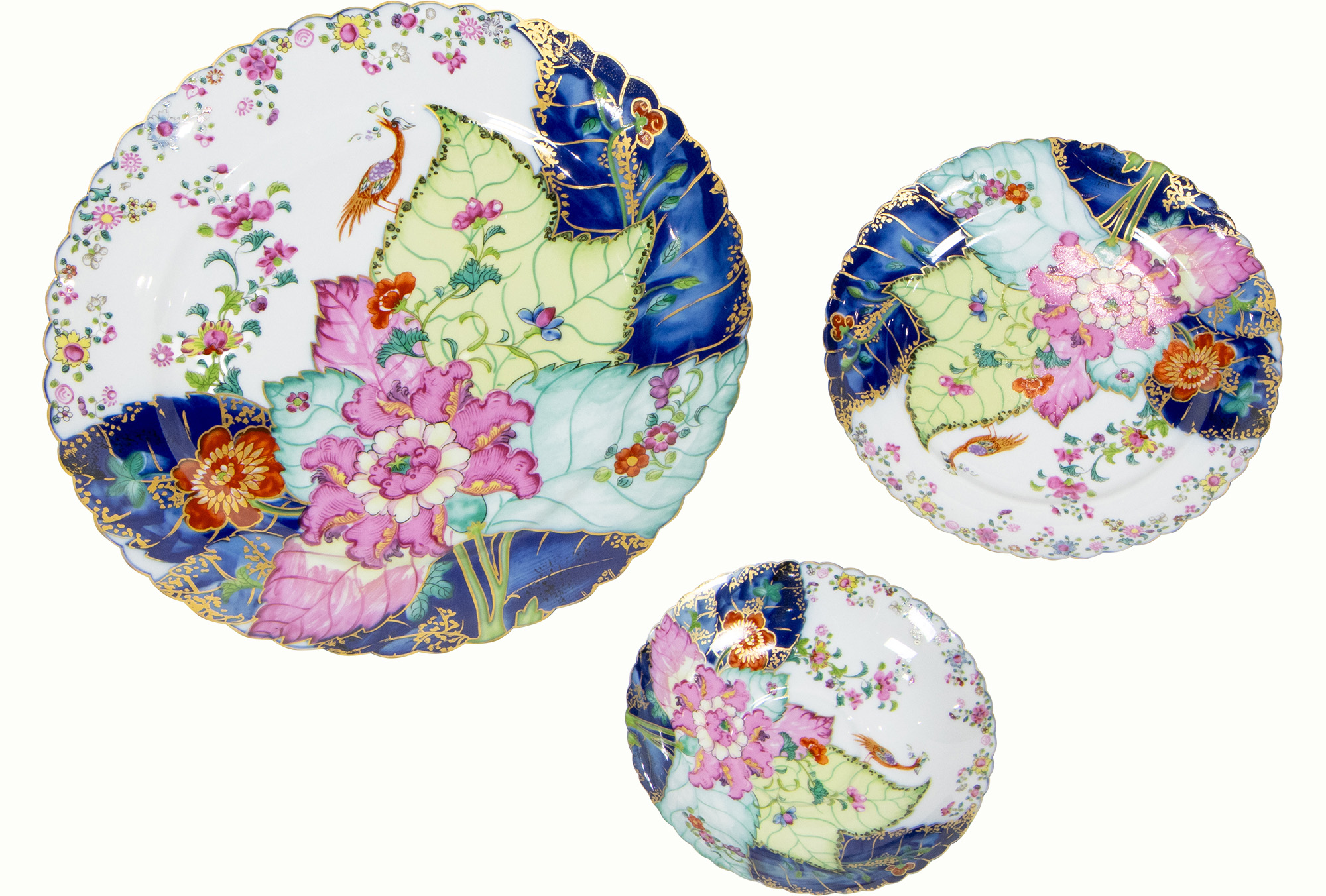
A Mottahedeh porcelain dinner service in the Tobacco Leaf pattern. Estimate: $1,800–$2,500
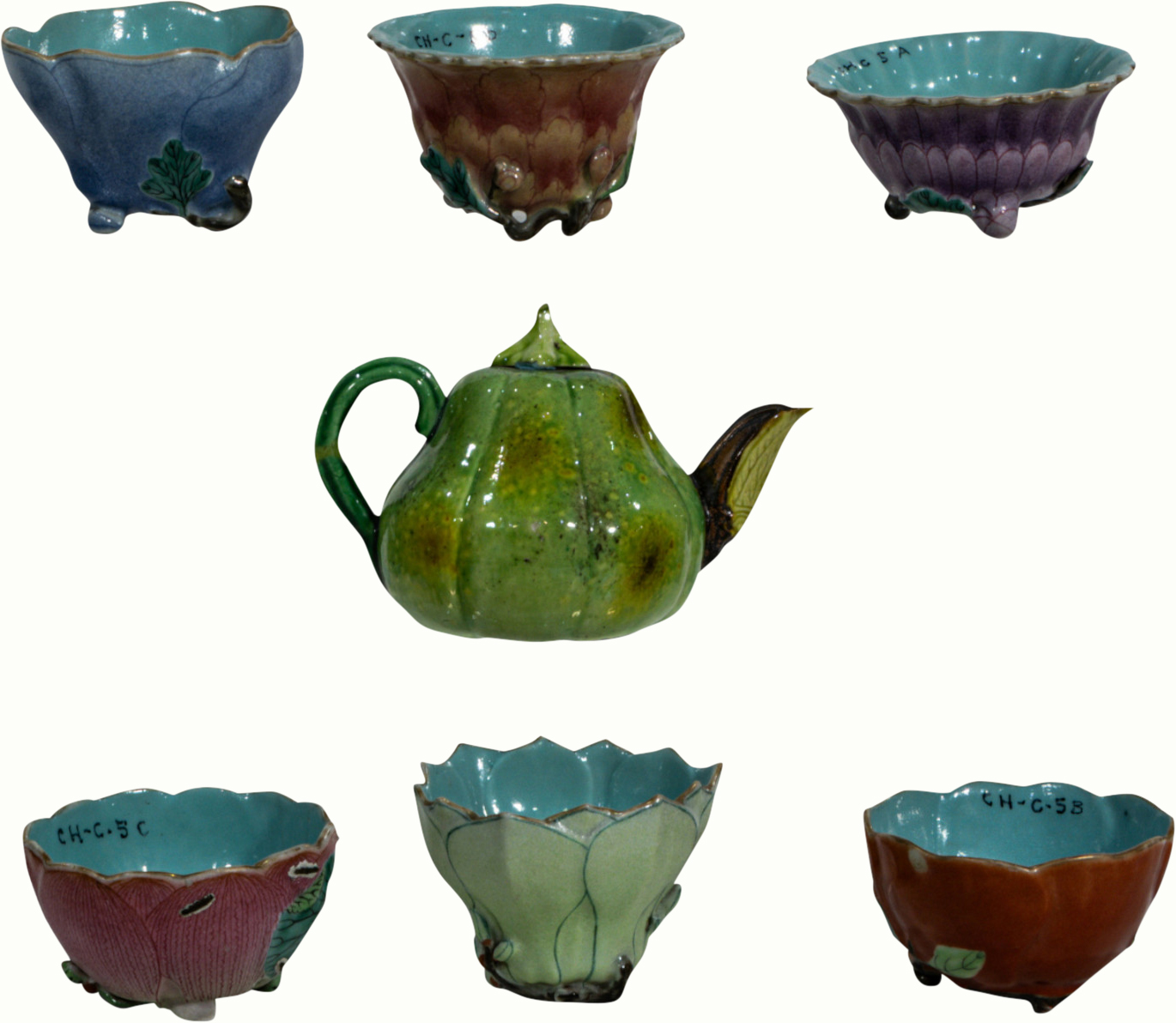
A group of seven Chinese porcelain table articles. Estimate: $1,000–$1,500
Highlights from the sale include a striking Chinoiserie red-painted floor lamp; two
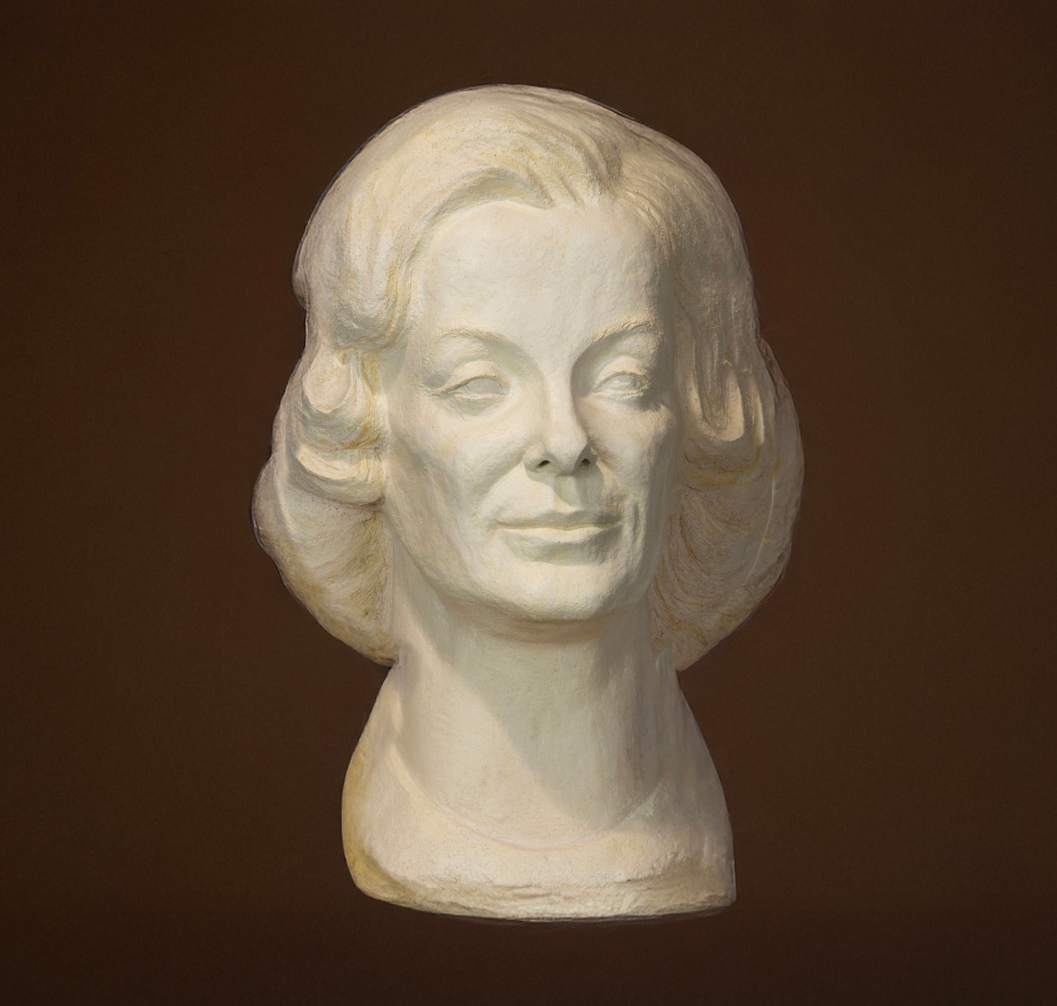
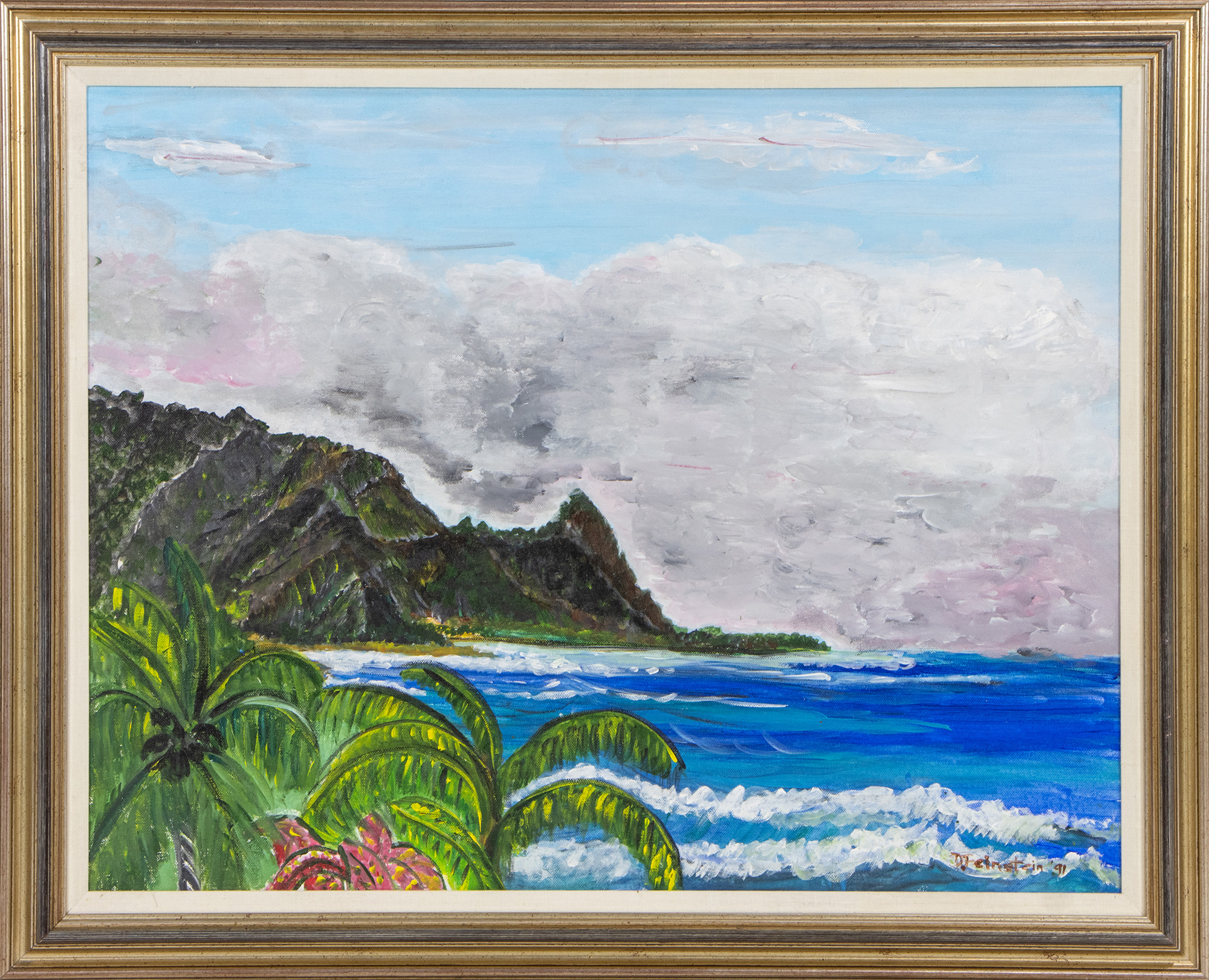
framed landscapes, including a view of Diamond Head by Dianne Feinstein, estimated at $100–$150; a plaster portrait of Feinstein as Mayor of San Francisco by Romany Downie, dated 1982, estimated at $200–$300; and a group of seven Chinese porcelain table articles, estimated at $1,000–$1,500.
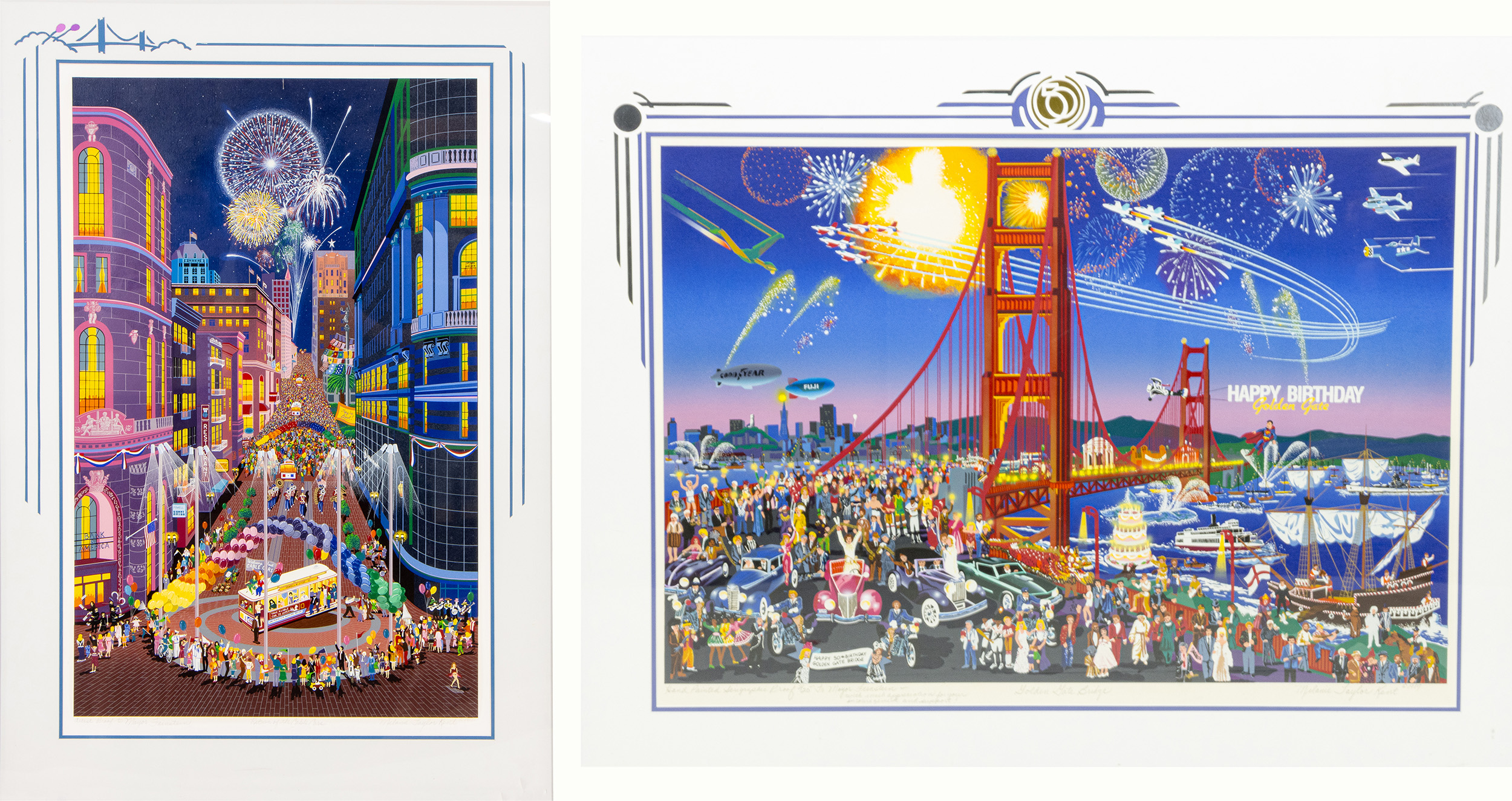
Two Melanie Taylor Kent color serigraph artist’s proofs: Return of the Cable Cars and Golden Gate Bridge. Estimate: $400–$600
A Romany Downie plaster portrait of Dianne Feinstein, Mayor of San Francisco, 1982. Estimate: $200–$300
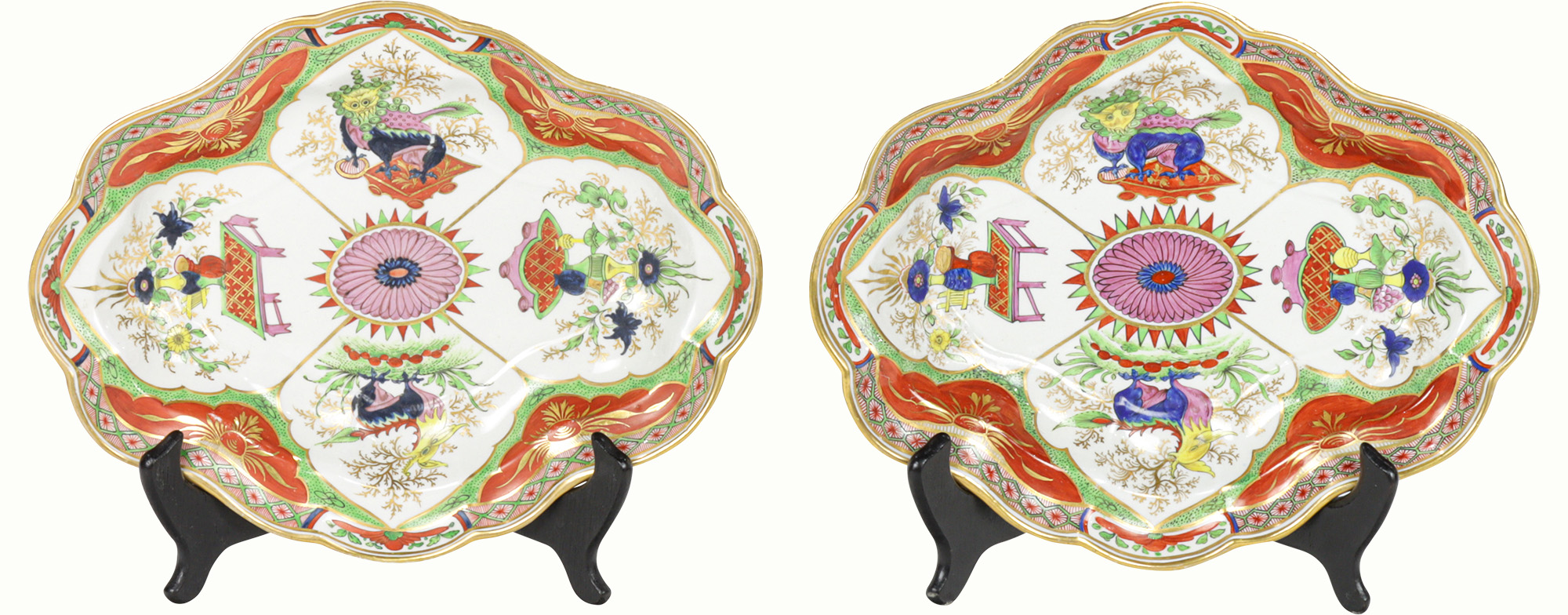
A pair of Chamberlain’s Worcester lozenge shaped dishes. Estimate: $200–$300
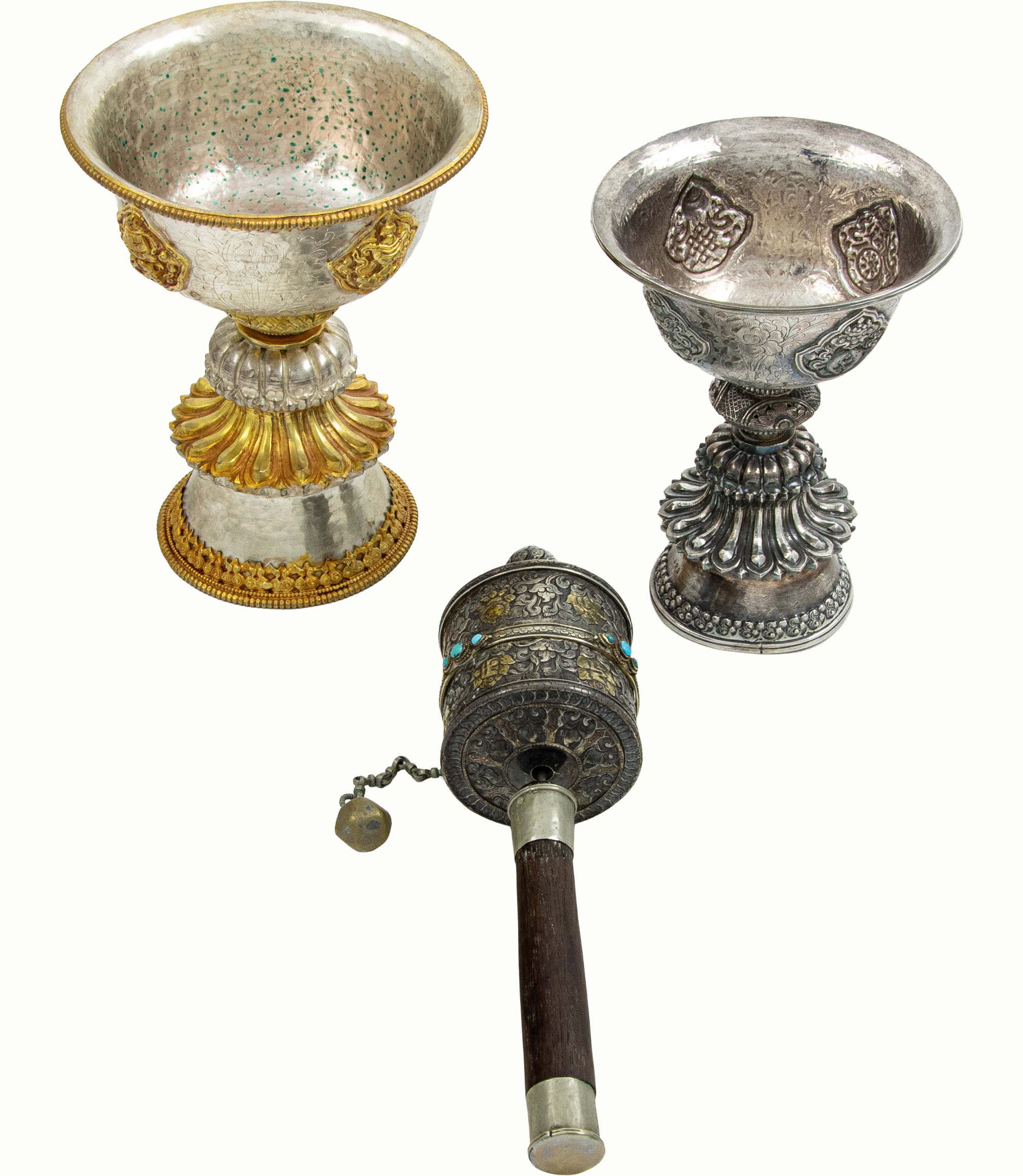
Additional offerings include a Mottahedeh porcelain dinner service in the Tobacco Leaf pattern, estimated at $1,800–$2,500; a pair of Chamberlain’s Worcester lozenge-shaped dishes, estimated at $200–$300; three Tibetan Buddhist silver ritual objects, estimated at $200–$300; and two color serigraph artist’s proofs by Melanie Taylor Kent: Return of the Cable Cars and Golden Gate Bridge, estimated at $400–$600.
Three Tibetan Buddhist silver ritual objects. Estimate: $200–$300
Two framed landscapes, including view of Diamond Head by Dianne Feinstein (one pictured). Estimate: $100–$150
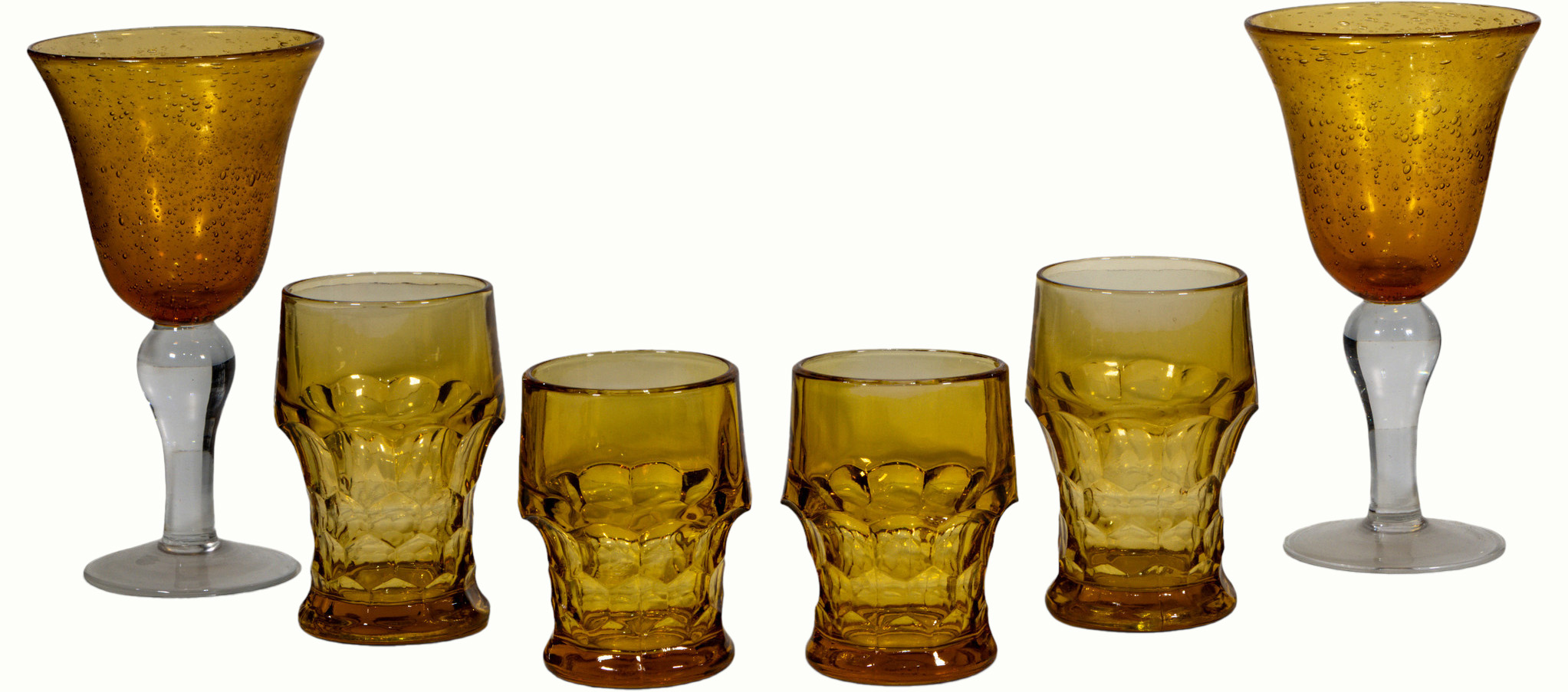
A group of vintage amber and topaz glass. Estimate: $50–$100
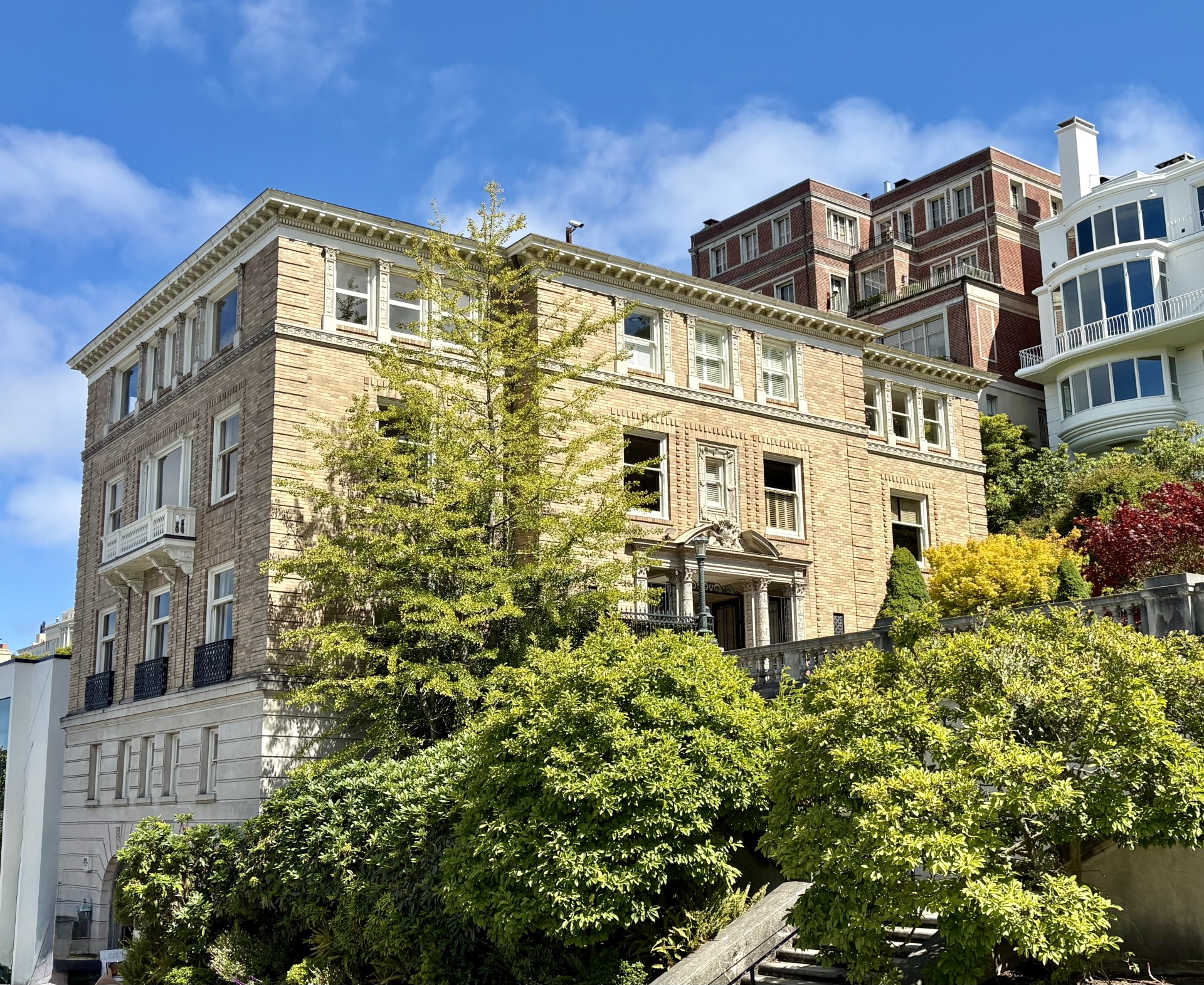
Senator Dianne Feinstein’ residence in San Francisco.
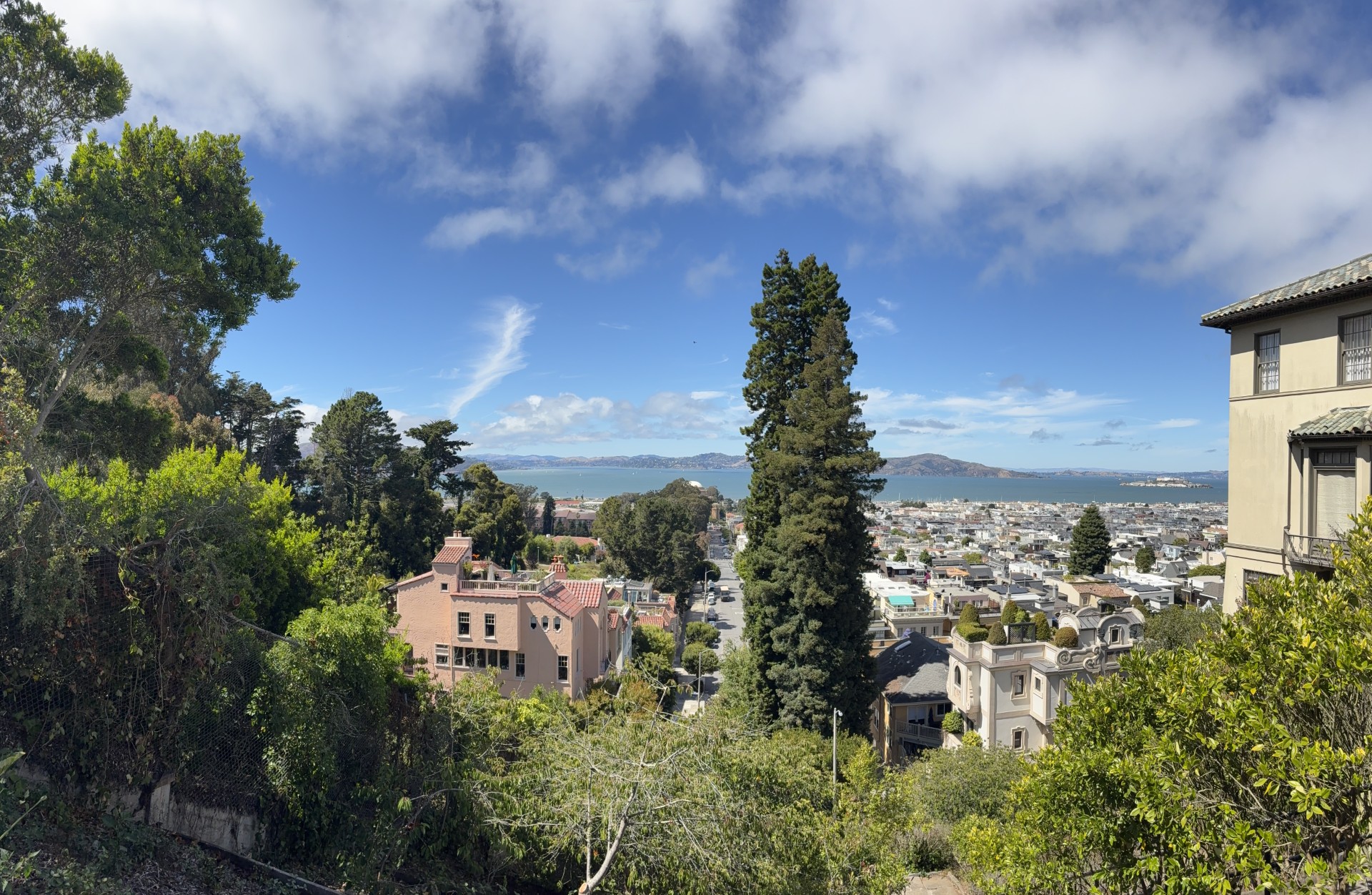
View of San Francisco from Senator Feinstein’ residence.
When a jade bangle bracelet or necklace fetches millions of dollars at auction, collectors worldwide wonder if their jade is also valuable. What is jade and where does it come from?
We are honored to present the globally sourced bead and tribal jewelry collection from the Naomi Lindstrom estate on October 16th.
Asian Art
Estate Spotlight
May Gallery Auction Highlights
Auction
Highlights
Following the Important Fine Art session, the May Gallery Auction continues with a diverse and compelling selection across multiple collecting categories.
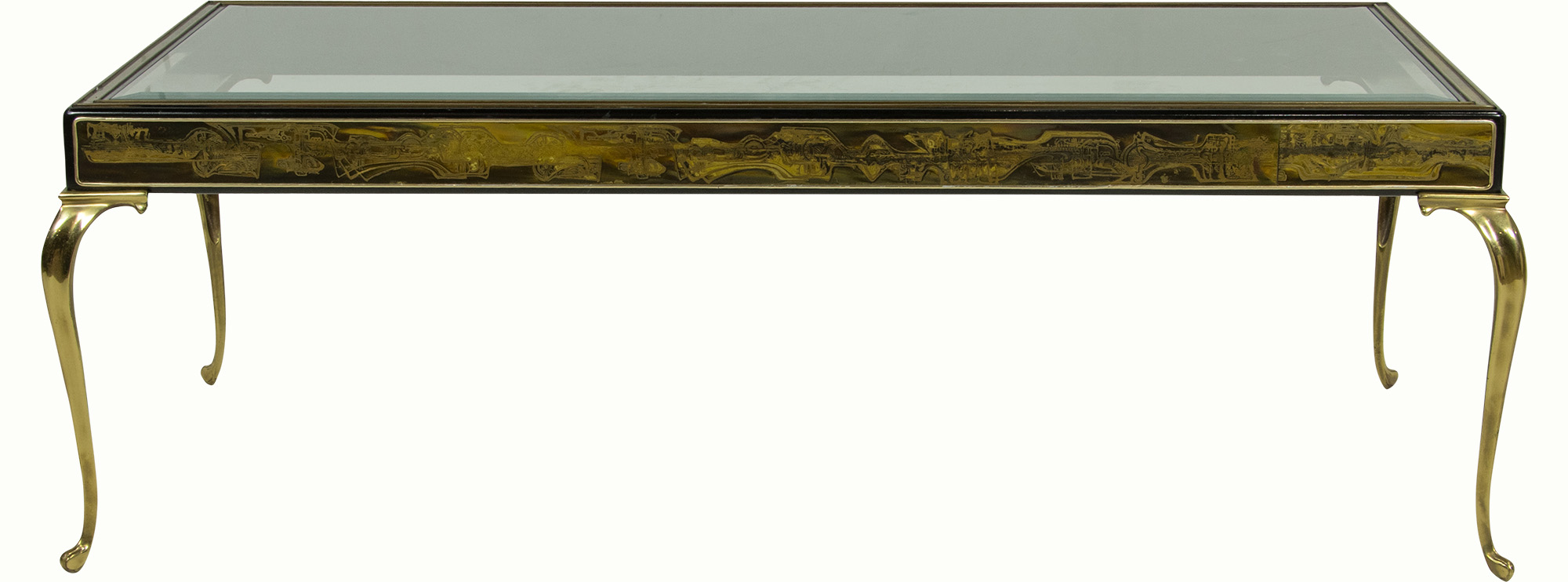
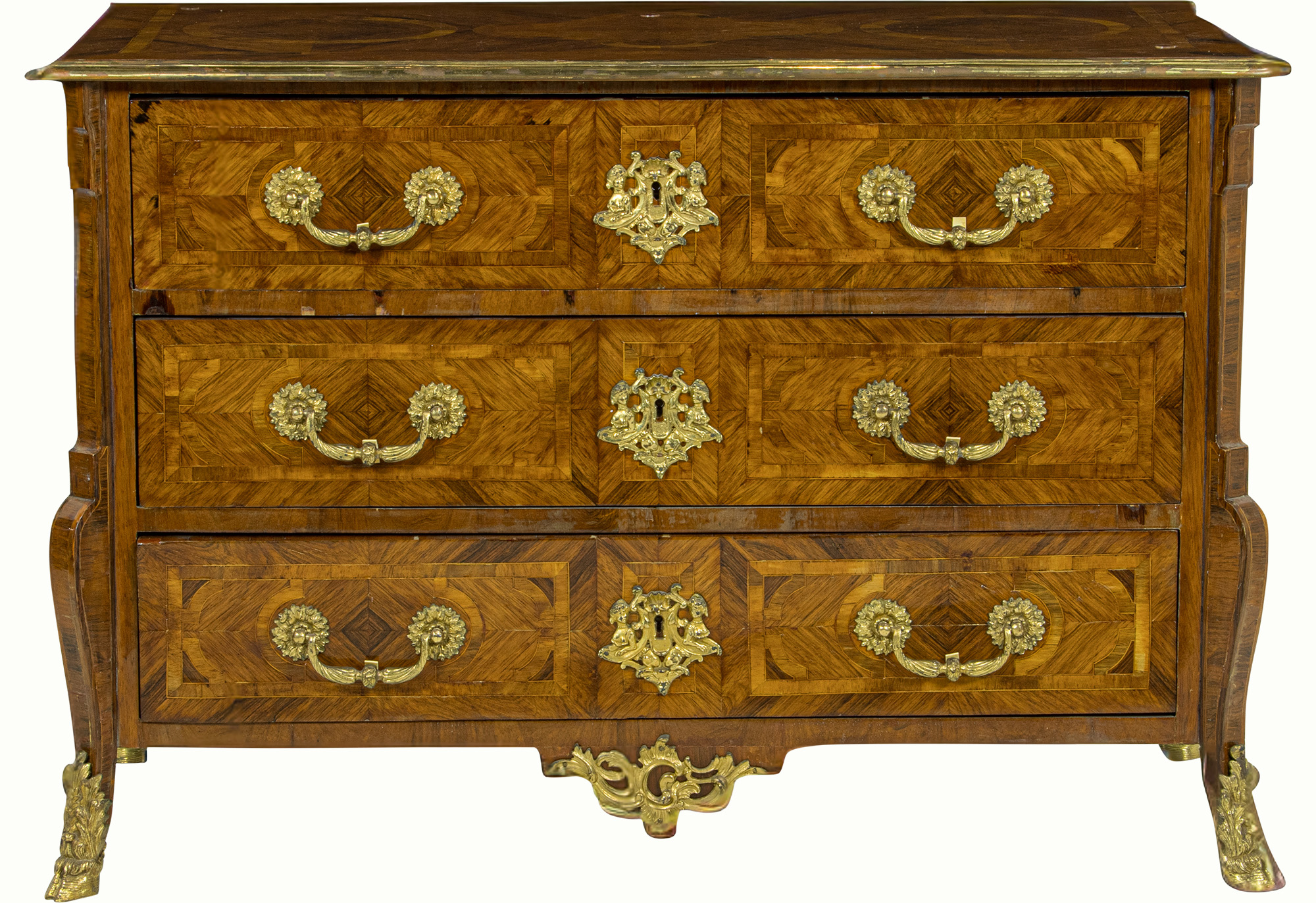
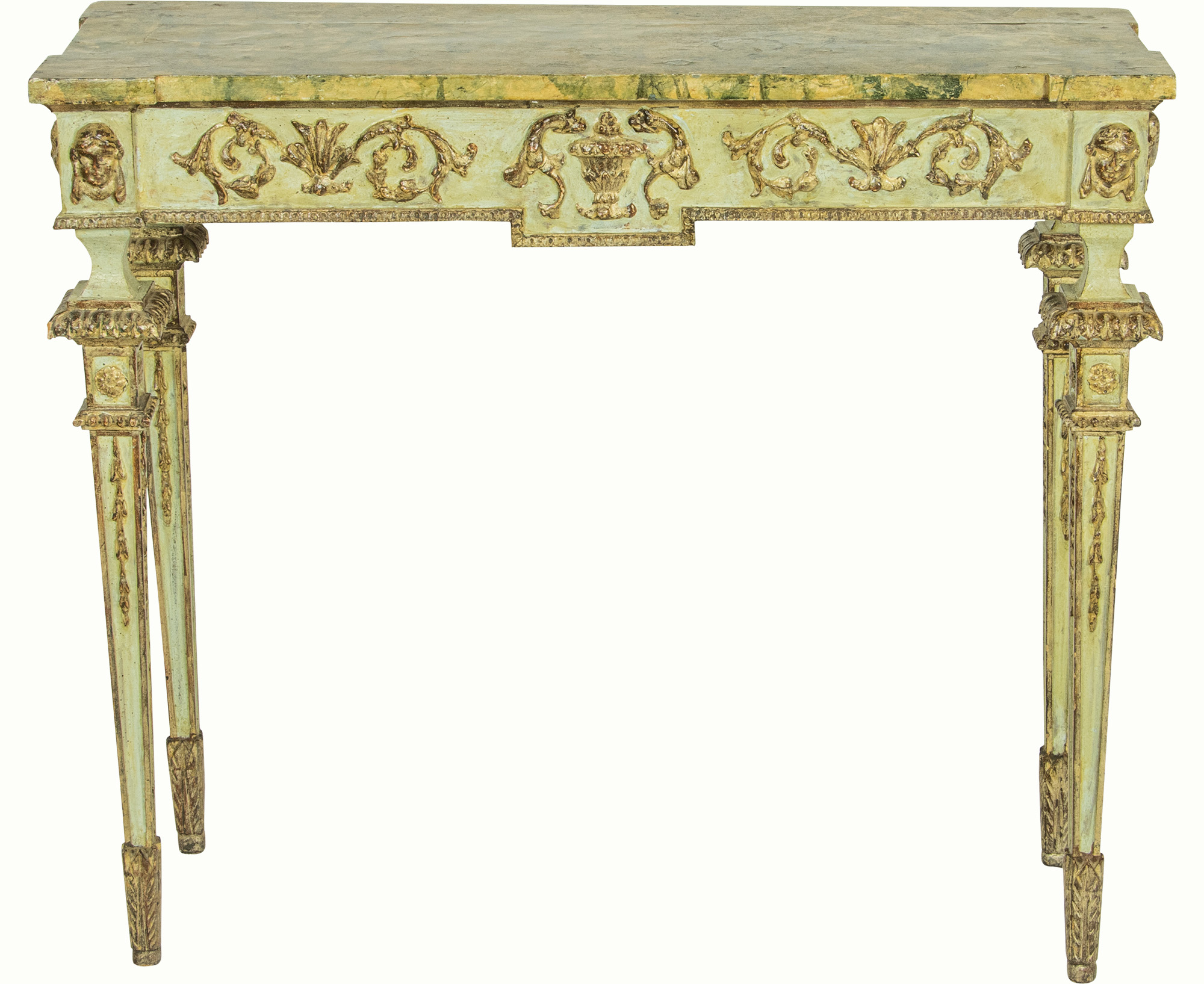
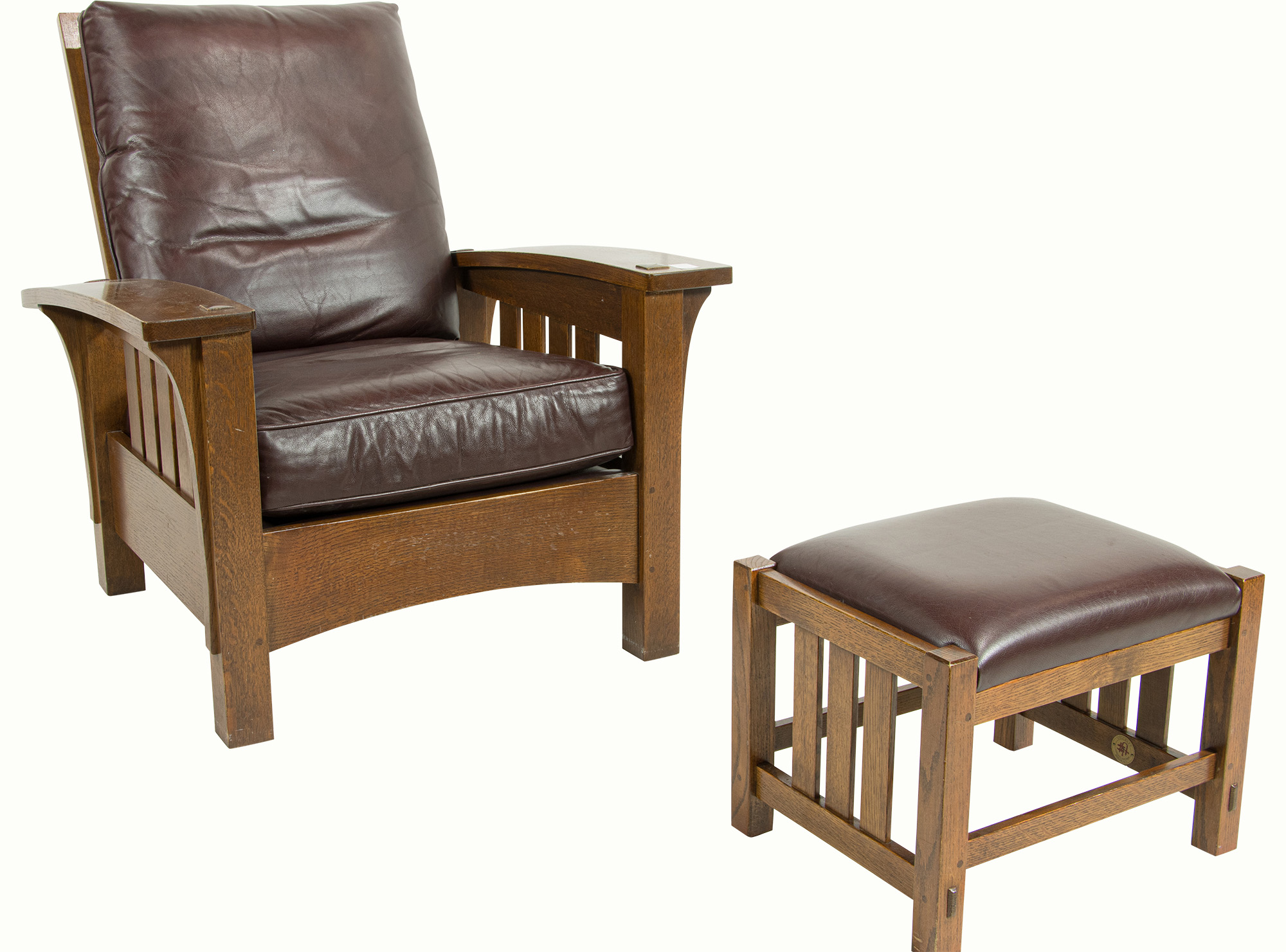
Furniture & Decorative Arts offerings include a Bernhard Rhone for Mastercraft low table, estimated at $500–$700; a fine French Régence ormolu-mounted commode, estimated at $3,000–$5,000; a French Neoclassical polychrome and parcel-gilt console table, estimated at $1,000–$2,000; and a Stickley Audi bow arm Morris chair with ottoman, estimated at $1,200–$1,800.
A Bernhard Rhone for Mastercraft low table. Estimate: $500–$700
A fine French Régence ormolu mounted commode. Estimate: $3,000–$5,000
A French Neoclassical polychrome and parcel gilt console table. Estimate: $1,000–$2,000
A Stickley Audi bow arm Morris chair and ottoman. Estimate: $1,200–$1,800
Fine Jewelry & Watches
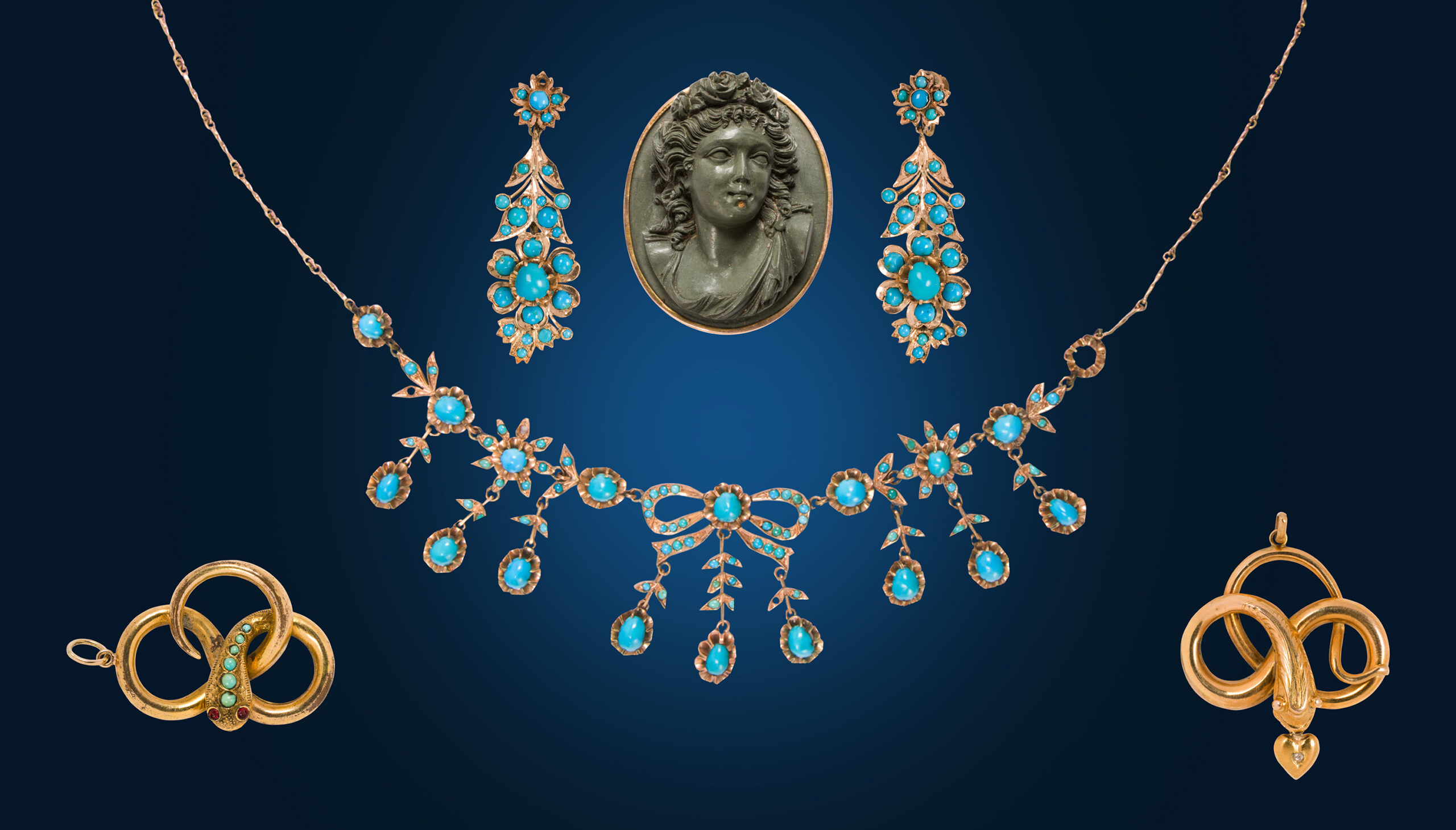
The Fine Jewelry section features an antique turquoise and 15k gold necklace and earring suite, estimated at $4,000–$8,000, alongside distinctive antique brooches including lava stone and gemstone snake examples.
From Top to Bottom: An antique turquoise and 15k gold necklace and earring set. Estimate: $4,000–$8,000; An antique lava stone carving and 14k gold brooch. Estimate: $800–$1,200; Two antique gemstone snake brooches. Estimate: $300–$500
Asian Art
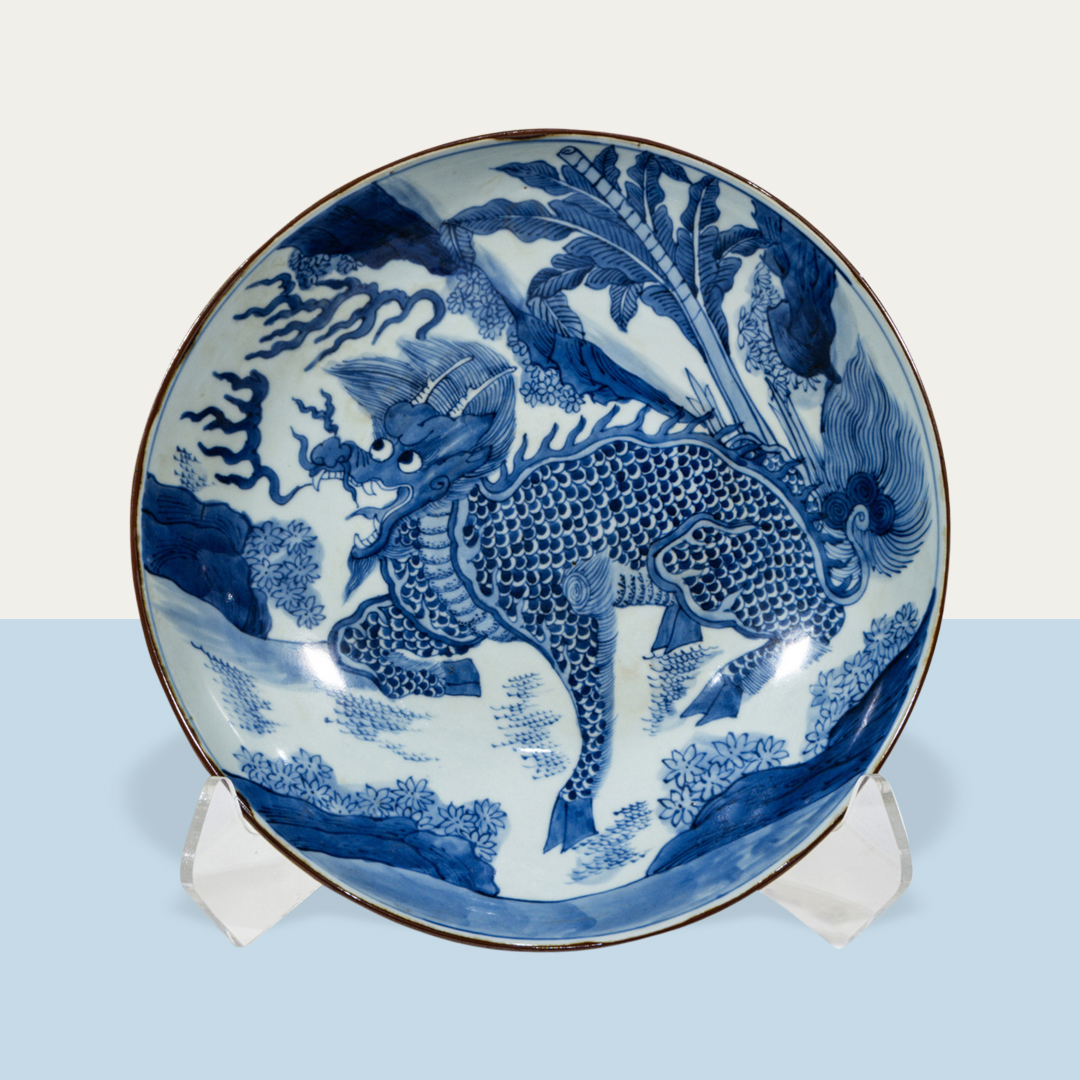
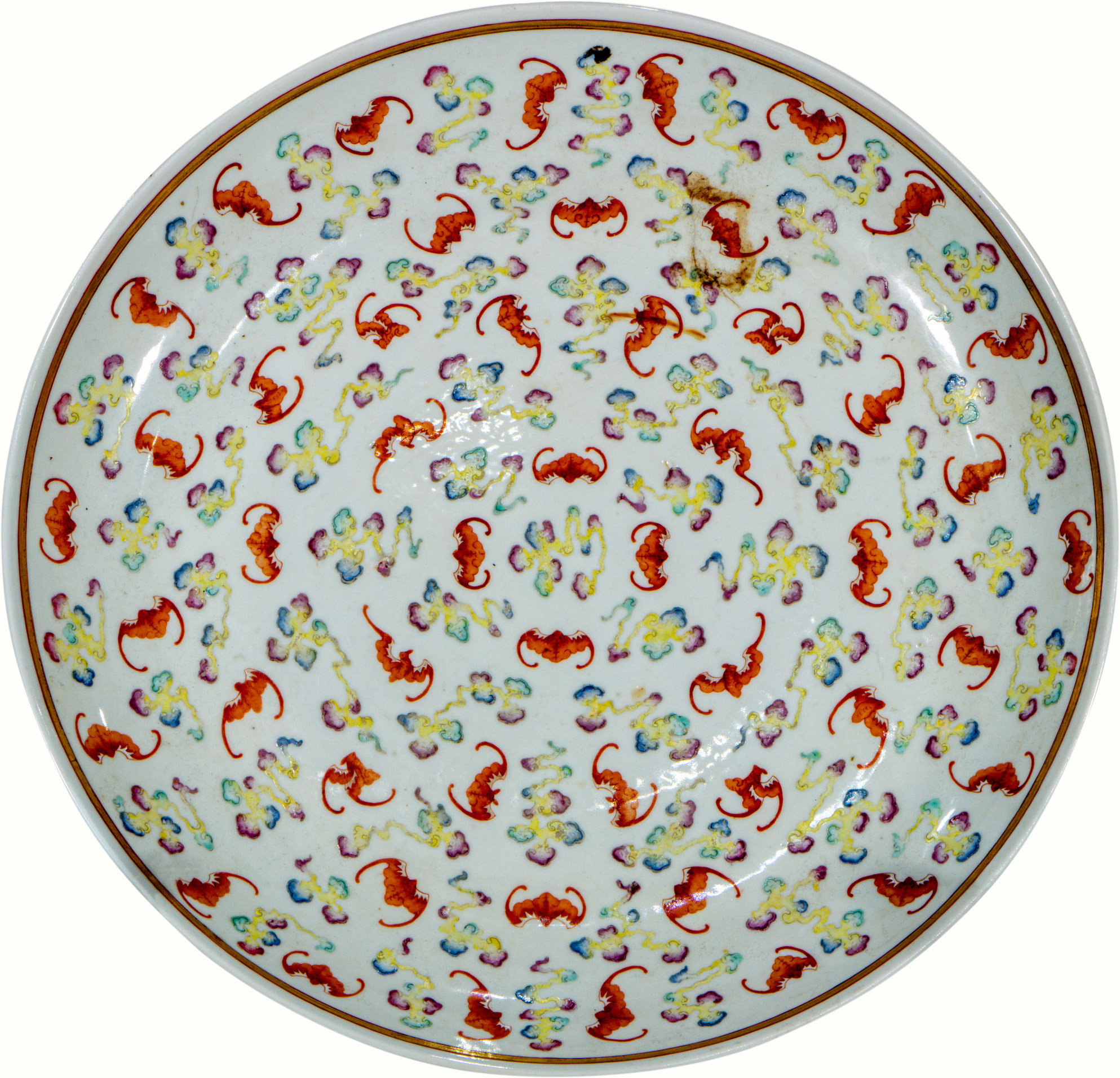
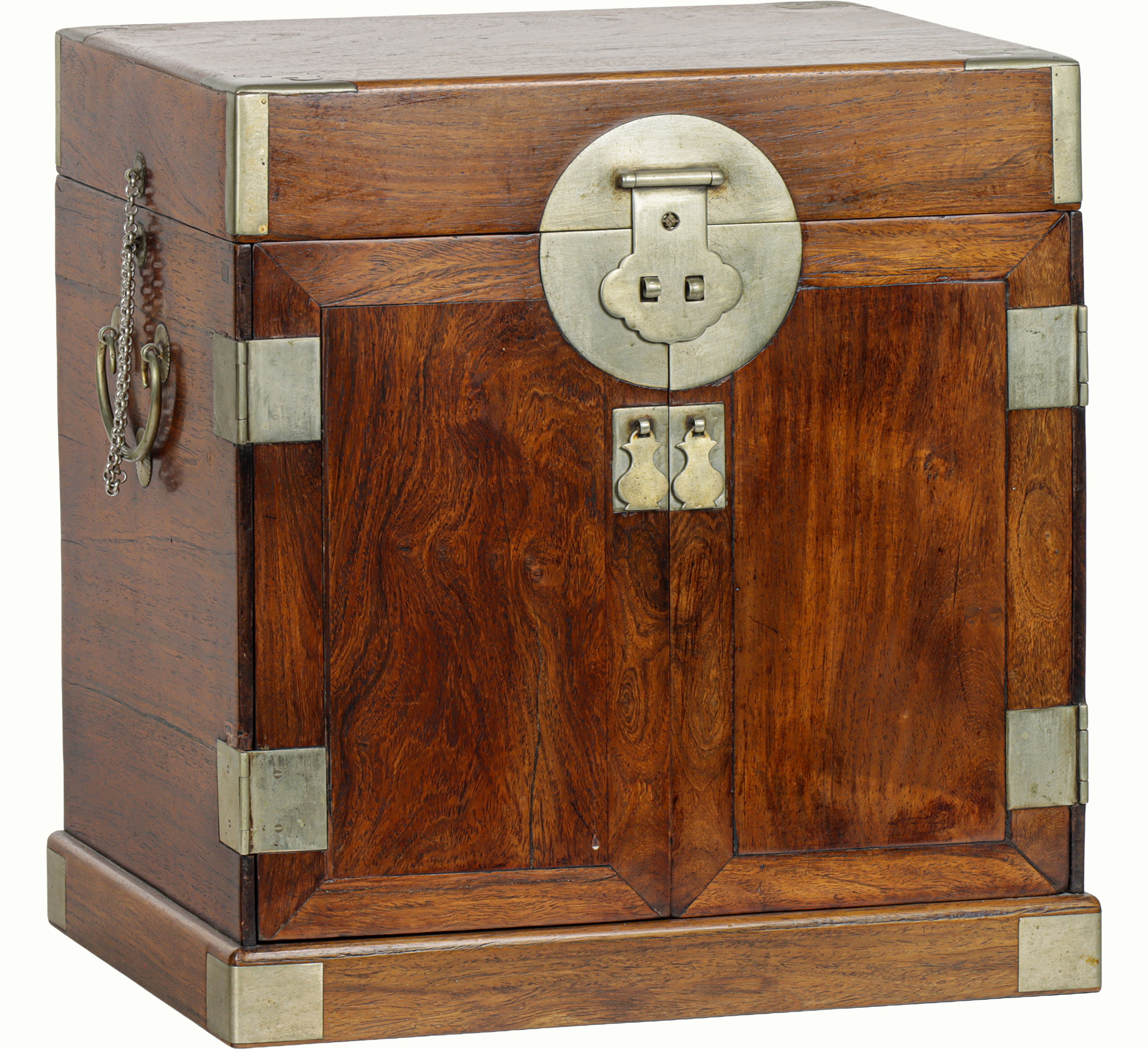
Asian Works of Art highlights include a Chinese blue and white ‘qilin’ charger from the Transitional period, estimated at $3,000–$5,000; a famille rose ‘hundred bats’ charger bearing a Guangxu mark, estimated at $2,000–$4,000; and an 18th-century huanghuali chest, estimated at $4,000–$6,000.
A Chinese blue and white ‘qilin’ charger, Transitional period. Estimate: $3,000–$5,000
A Chinese famille rose ‘hundreds bats’ charger dish, Guangxu mark and period. Estimate: $2,000–$4,000
A Chinese huanghuali chest, 18th century. Estimate: $4,000–$6,000
The Warehouse Auction: May 16th
The series concludes on Saturday, May 16th with The Warehouse Auction, an eclectic and accessible sale offering decorative arts, furnishings, collectibles, and estate material. Known for its breadth and opportunity, this auction provides bidders with the chance to discover unique pieces and exceptional value across numerous collecting categories.
Bidding for Clars’ May auctions is available by phone, absentee bid, live online at Live.Clars.com and through Liveauctioneers.com and Invaluable.com. Clars Auctions is located at 5644 Telegraph Avenue, Oakland, CA 94609. Clars Auctions, based in Oakland, CA, is a premier fine art and antiques auction house known for its expertly curated collections across categories including fine art, furniture, jewelry, and Asian art. Each auction is designed to appeal to both novice collectors and seasoned connoisseurs, offering a wide range of exceptional items.
The Asian Works of Art Auction on February 19th will feature a curated selection of Chinese and Japanese works.
Asian Art
Highlights
April Gallery Auction Highlights
Auction
Highlights
Clars will present a two-day auction series beginning with the Gallery Auction on Friday, April 17th, followed by the Warehouse Auction on Saturday, April 18th. The upcoming sales bring together a curated selection of fine art, Asian works of art, jewelry, and decorative design, offering collectors access to a wide range of significant works spanning international markets and periods.
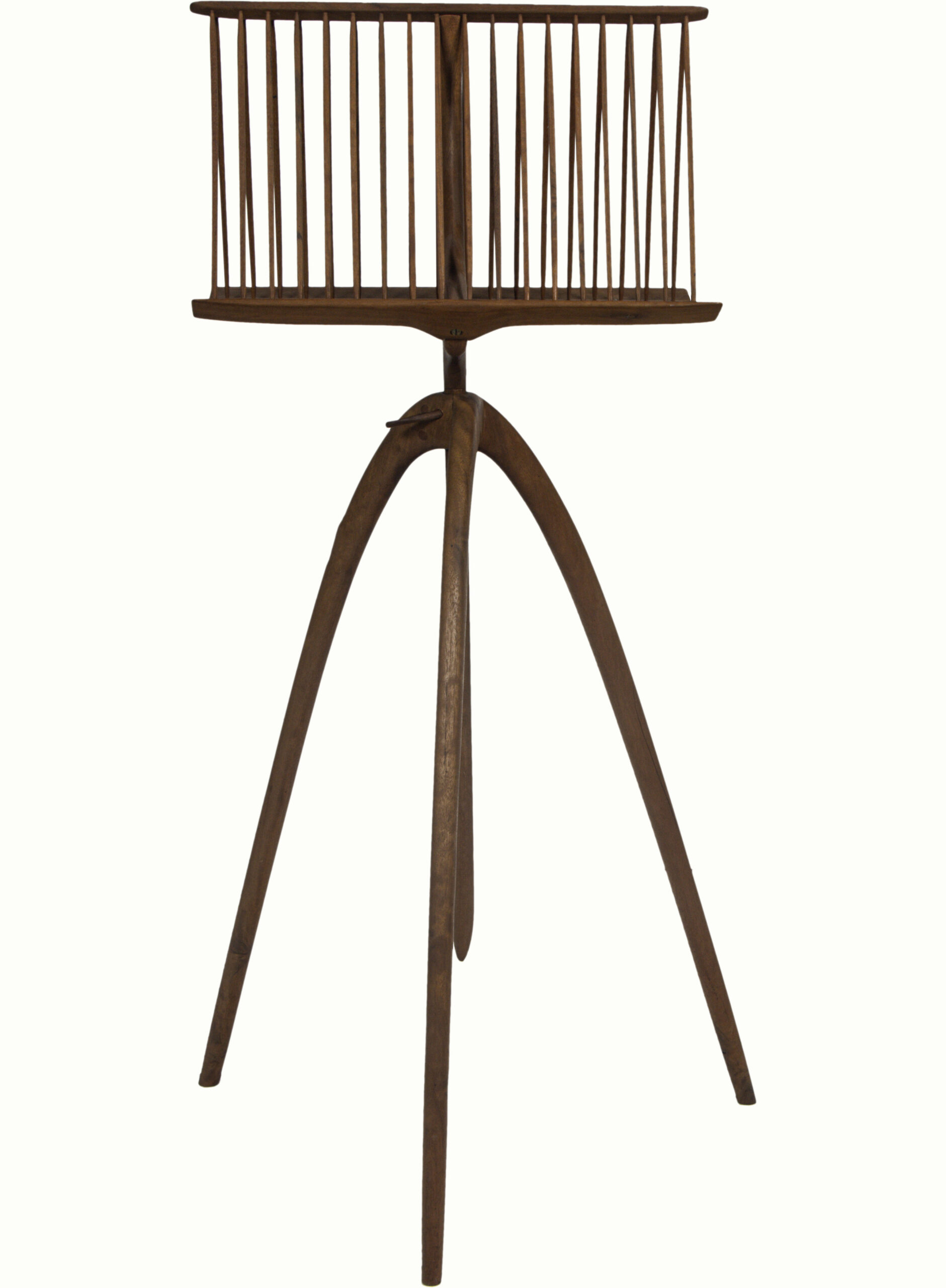
The Furniture & Decorative Arts category features significant examples of studio furniture and refined European-inspired design. An Arthur Espenet Carpenter double music stand, estimated at $2,000–$4,000, demonstrates the designer’s sculptural approach to utilitarian objects. Also included is a Rose Tarlow chinoiserie lacquer coffee table estimated at $3,000–$5,000, blending traditional Asian-inspired motifs with contemporary luxury design.
An Arthur Espenet Carpenter double music stand. Estimate: $2,000–$4,000
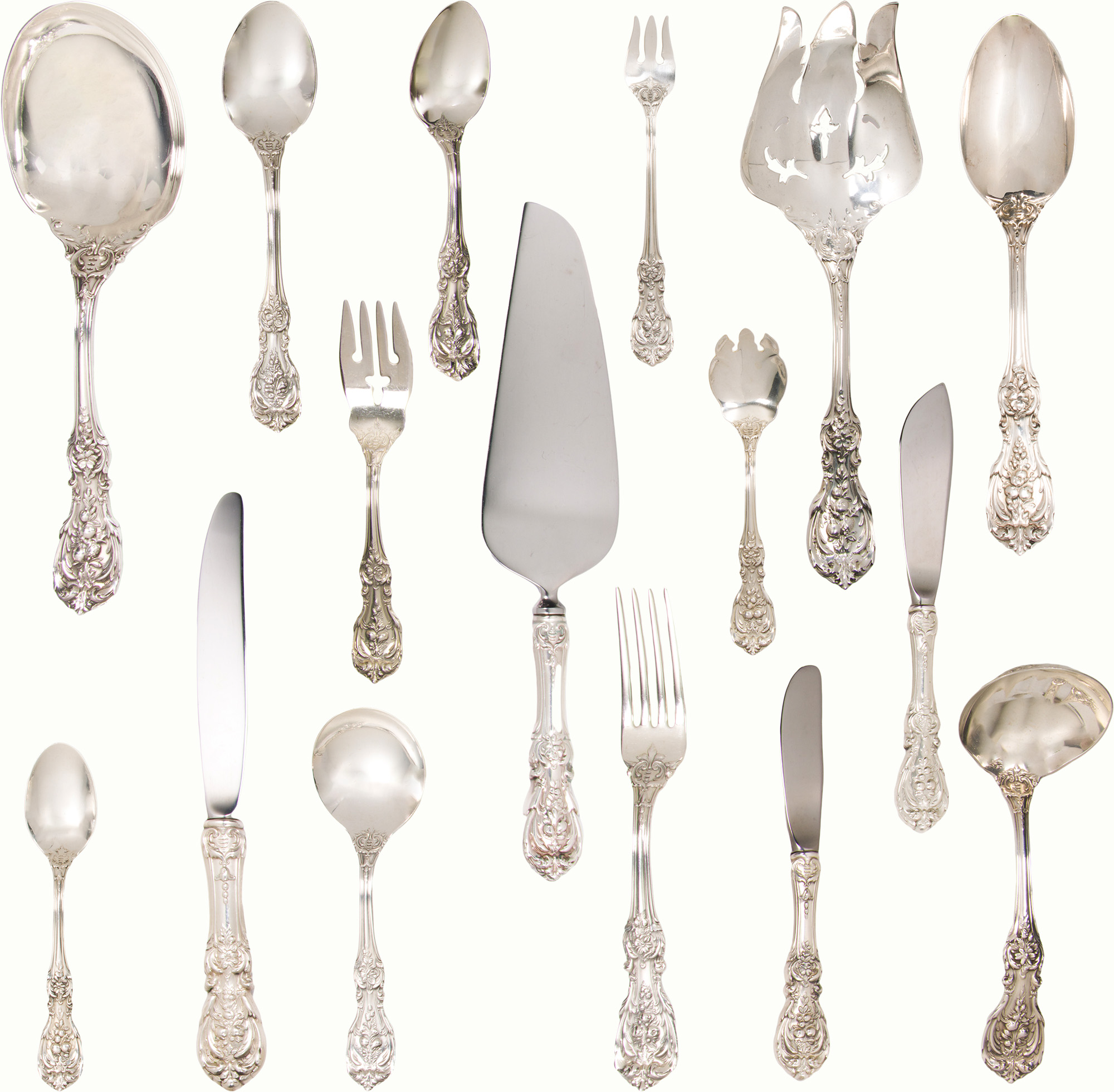
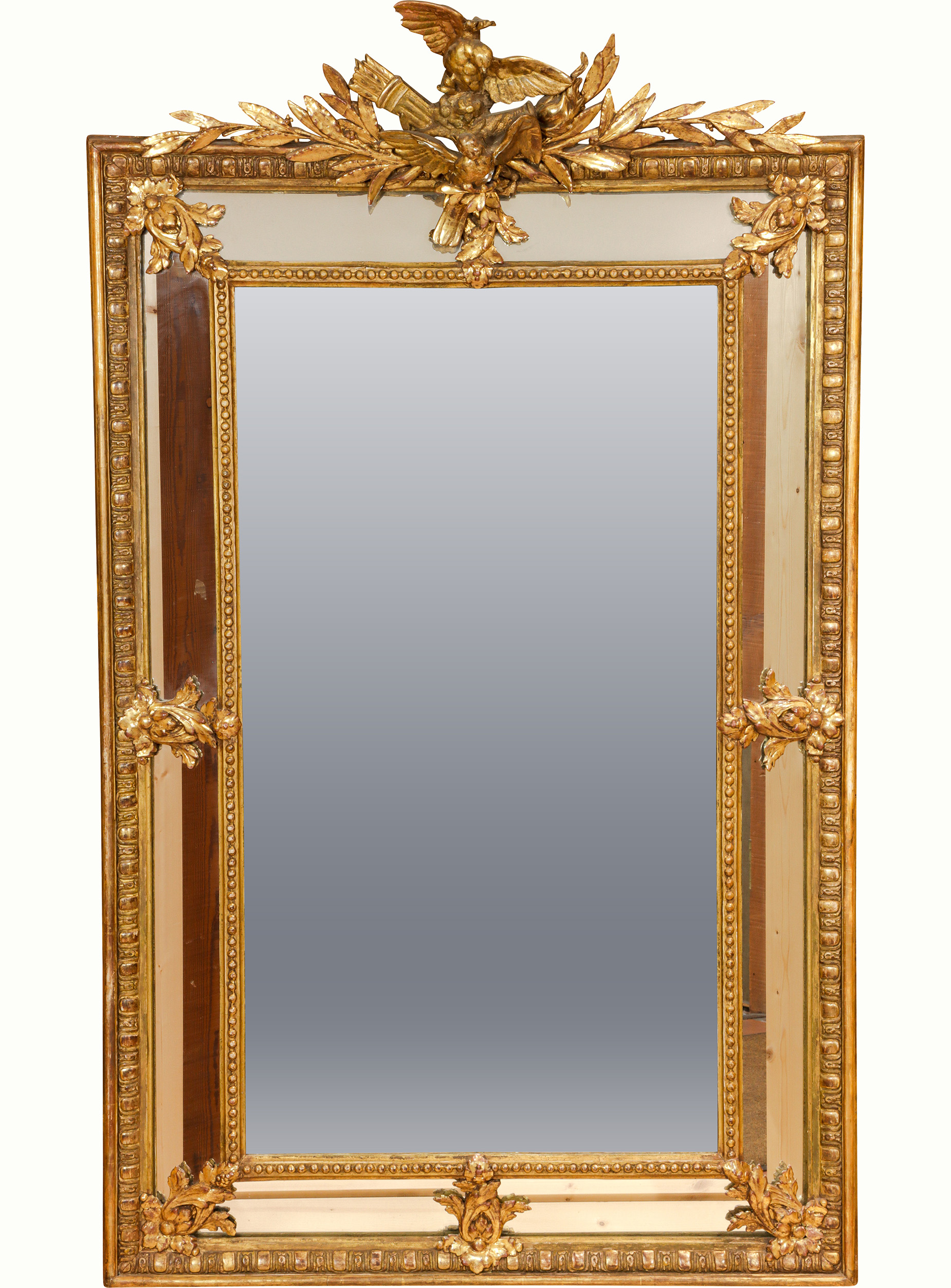
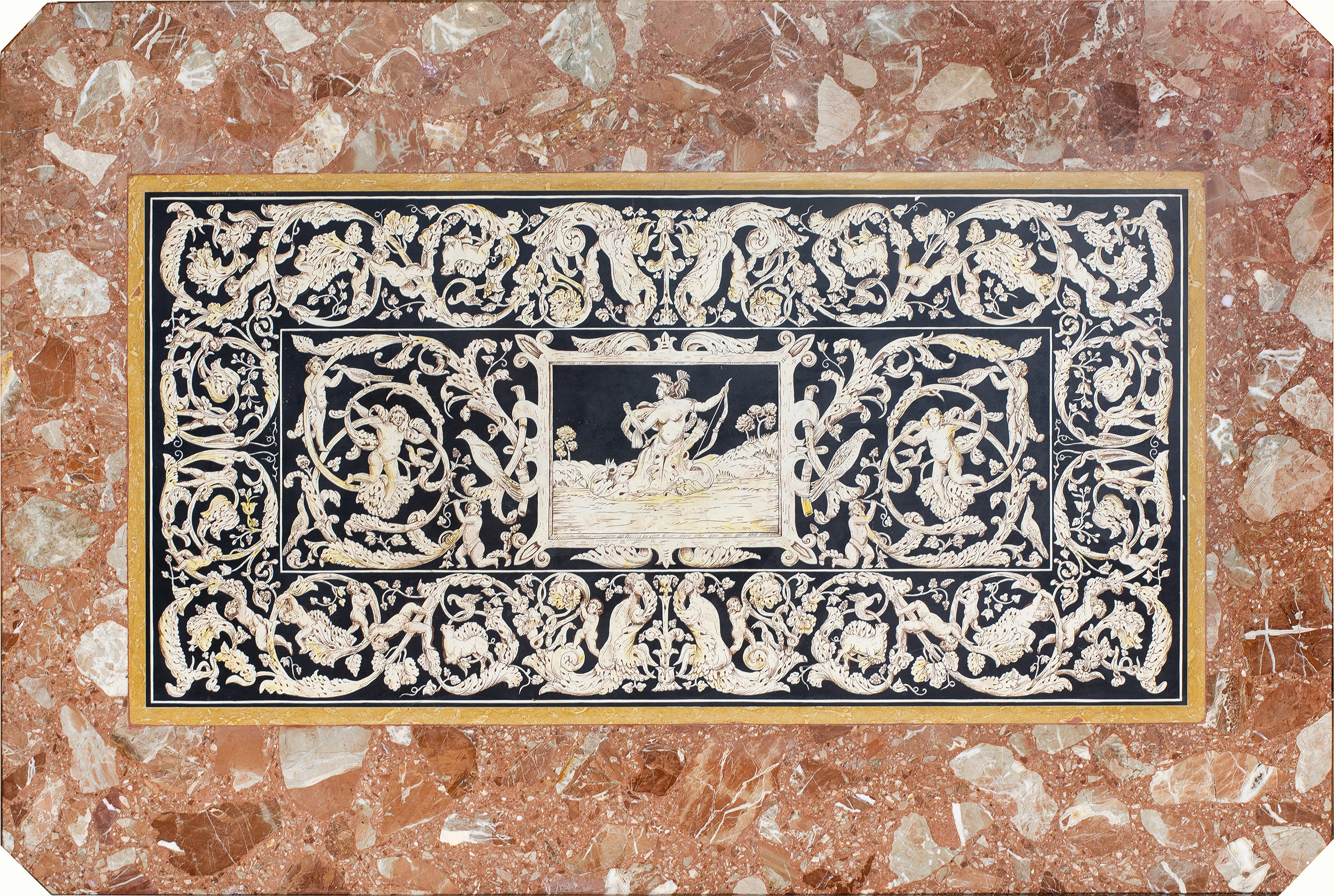
Additional highlights include a Reed & Barton sterling silver flatware service in the “Francis I” pattern estimated at $15,000–$20,000, a large Neoclassical style giltwood pier mirror estimated at $1,500–$2,500, and a Florentine scagliola table top by Emilio Martelli estimated at $3,000–$5,000, showcasing decorative techniques rooted in European craftsmanship traditions.
A Reed & Barton sterling silver flatware service in the ‘Francis I’ pattern. Estimate: $15,000–$20,000
A large Neoclassical style giltwood pier mirror. Estimate: $1,500–$2,000
A Florentine scagliola table top by Emilio Martelli. Estimate: $3,000–$5,000
Fine Art
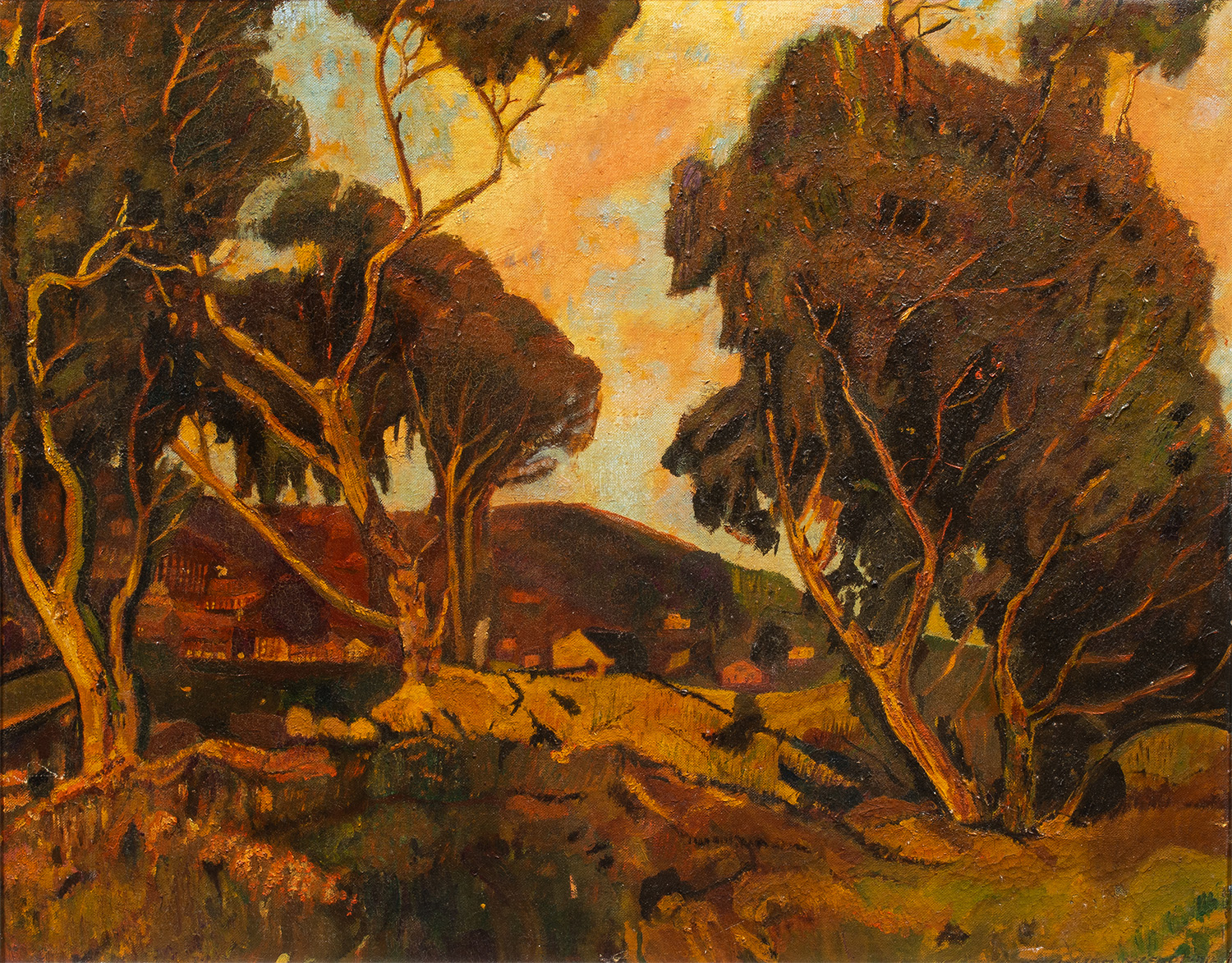
The Fine Art department presents a strong group of American and international modern works, led by William Wendt’s Untitled (Laguna Hills), 1912, estimated at $10,000–$15,000. This piece is a plein air composition capturing Southern California’s rolling terrain with Wendt’s characteristic tonal structure and impressionist influence.
William Wendt (American, 1865–1946), Untitled (Laguna Hills), 1912, oil on canvas board, 20″ x 24″. Estimate: $10,000–$15,000
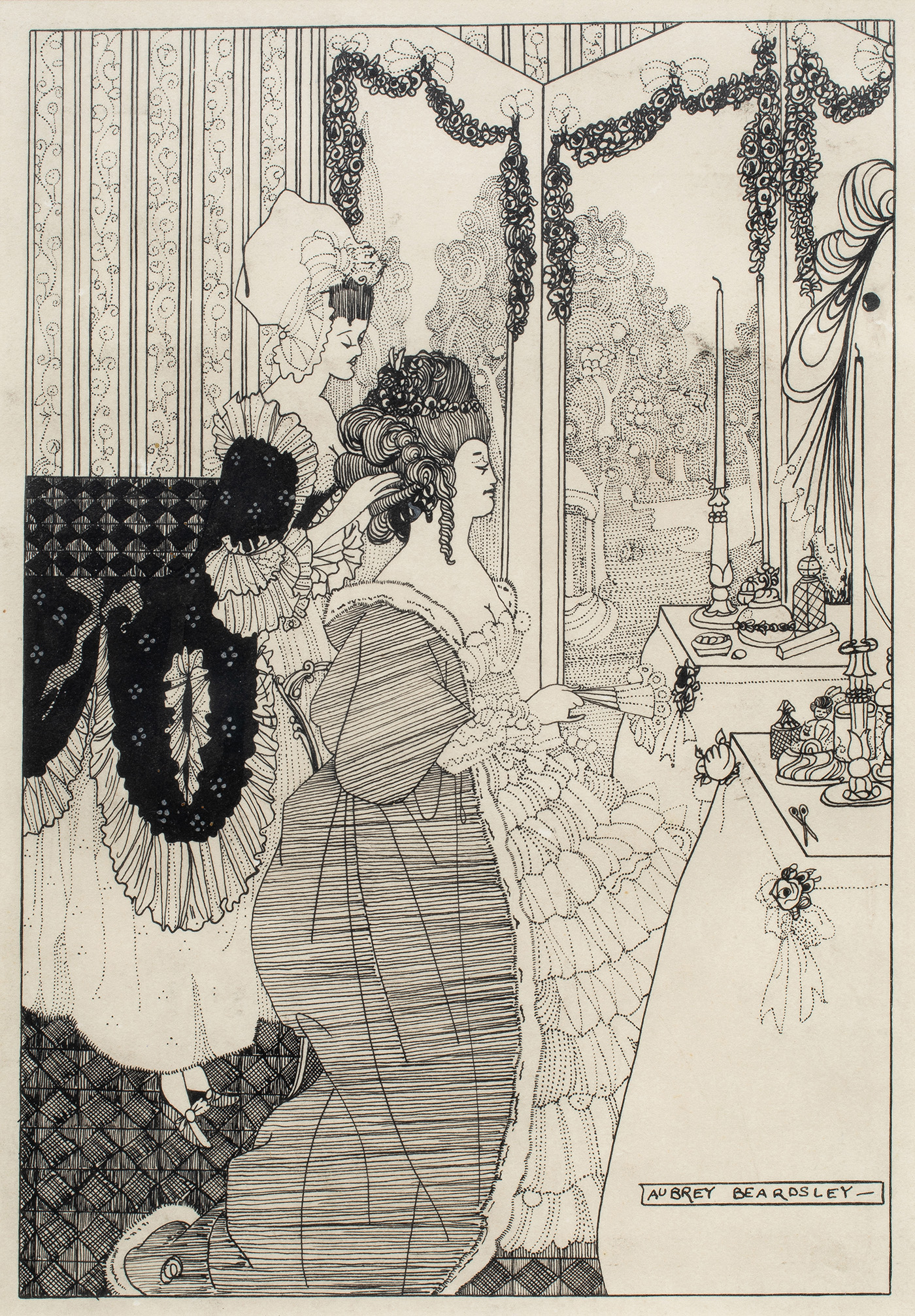
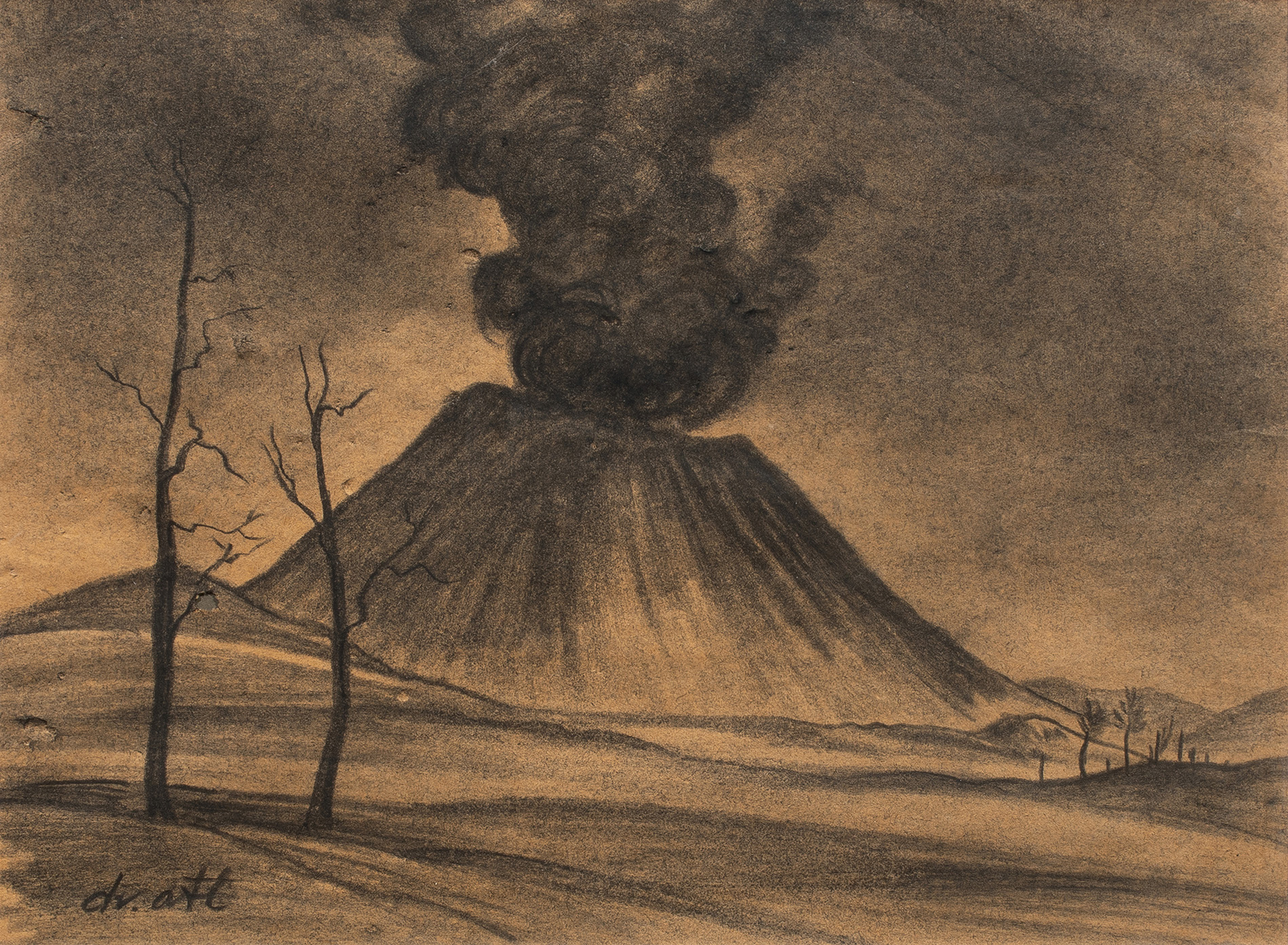
Aubrey Beardsley’s The Toilet, circa 1895, estimated at $6,000–$9,000, exemplifies the artist’s highly stylized Art Nouveau line work and includes provenance from the Joan and Lester Avnet Collection. Dr. Atl’s Volcano, estimated at $3,000–$5,000, reflects the artist’s dramatic engagement with natural forces through expressive charcoal technique.
Aubrey Beardsley (British, 1872–1898), The Toilet from The Rape of the Lock, c. 1895, ink on paper, 7.5″ x 5.25″. Provenance: The Joan and Lester Avnet Collection, D 65-102. Estimate: $6,000–$9,000
Dr. Atl (Gerardo Murillo Coronado) (Mexican, 1875–1964), Volcano, charcoal on paper, 7.75″ x 10.5″. Estimate: $3,000–$5,000
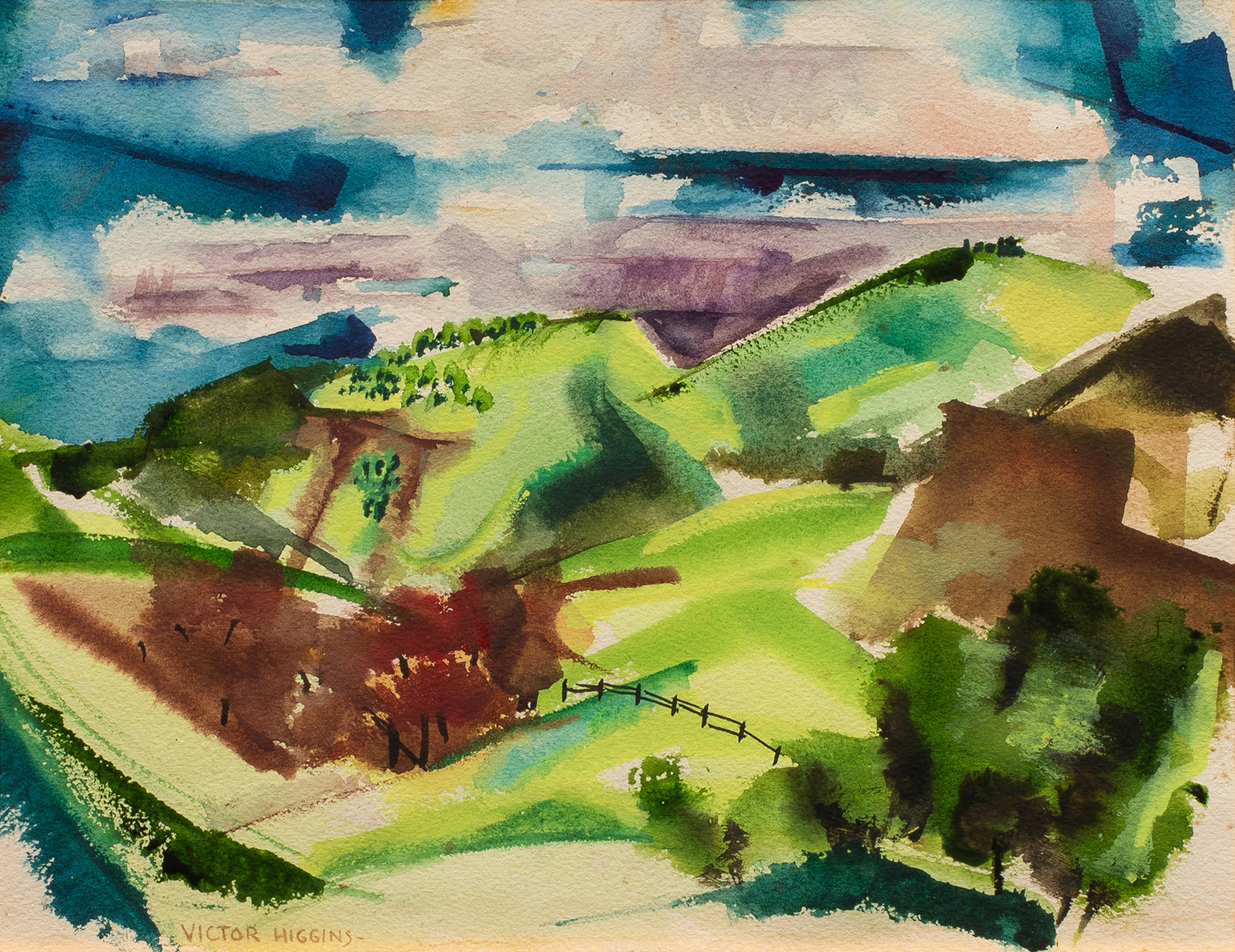
Victor Higgins (American, 1884–1949), Untitled (Near Taos), watercolor, 10.5″ x 13.5″. Estimate: $10,000–$15,000
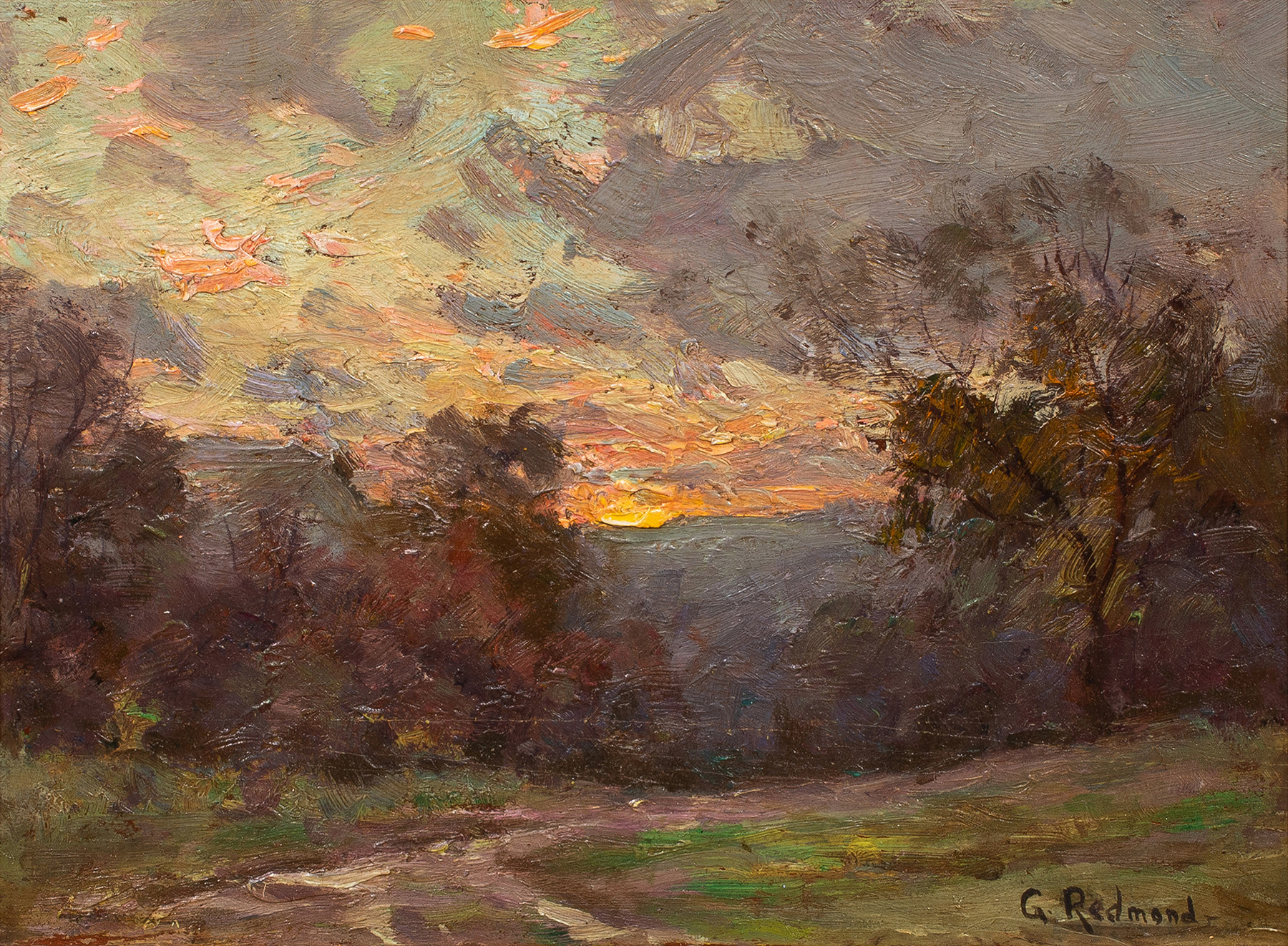
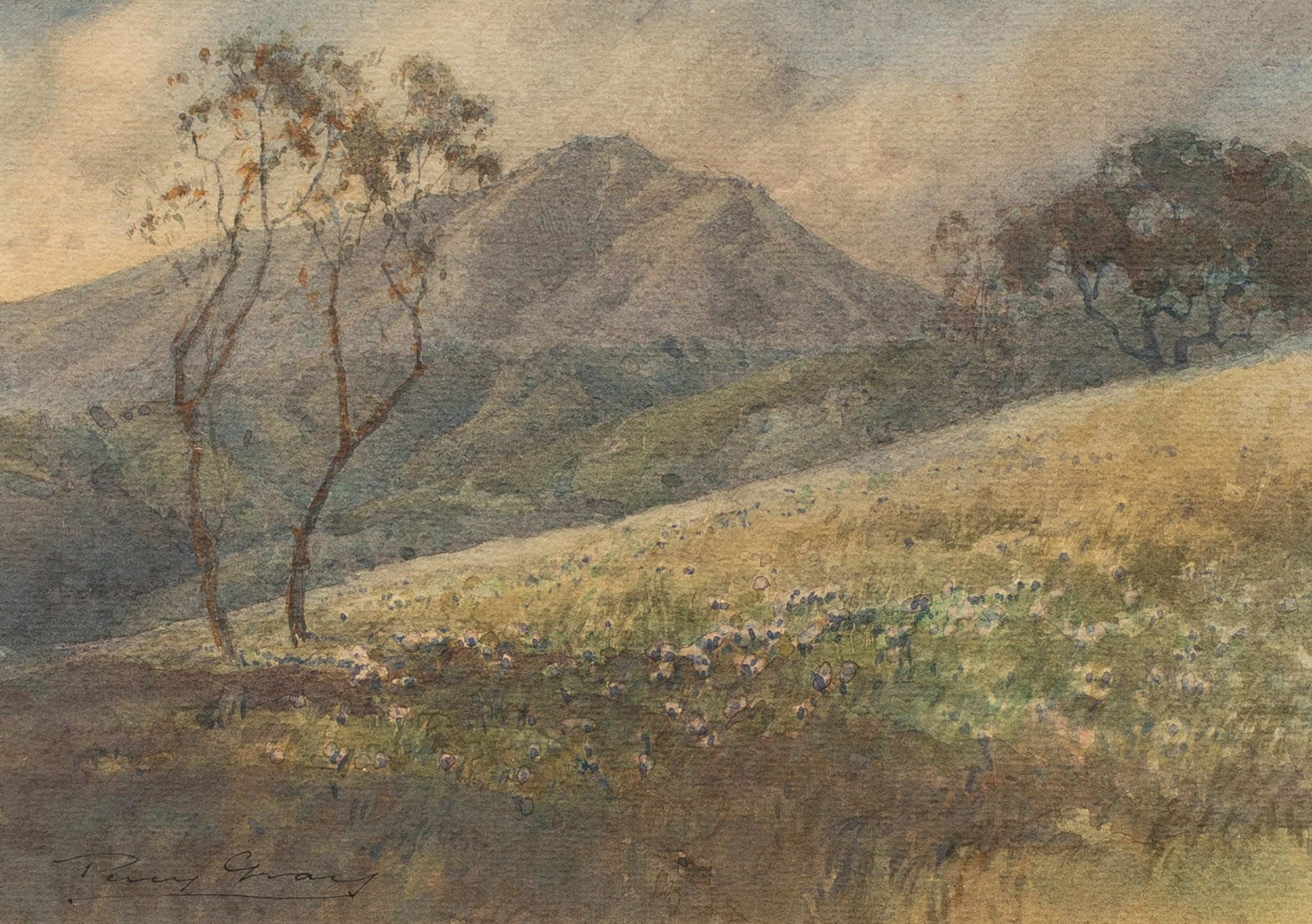
Additional works include Victor Higgins’ Untitled (Near Taos) estimated at $10,000–$15,000, Granville Redmond’s Untitled (After the Storm) estimated at $4,000–$6,000, and Percy Gray’s View of Mount Tamalpais estimated at $3,000–$5,000, each contributing to a
broader narrative of early 20th-century landscape and tonal modernism.
Granville Redmond (American, 1871–1935), Untitled (After the Storm), oil on panel, 7.13″ x 9.75″. Estimate: $4,000–$6,000
Percy Gray (American, 1869–1902), View of Mount Tamalpais, watercolor, 7″ x 9.75″. Estimate: $3,000–$5,000
Fine Jewelry & Watches
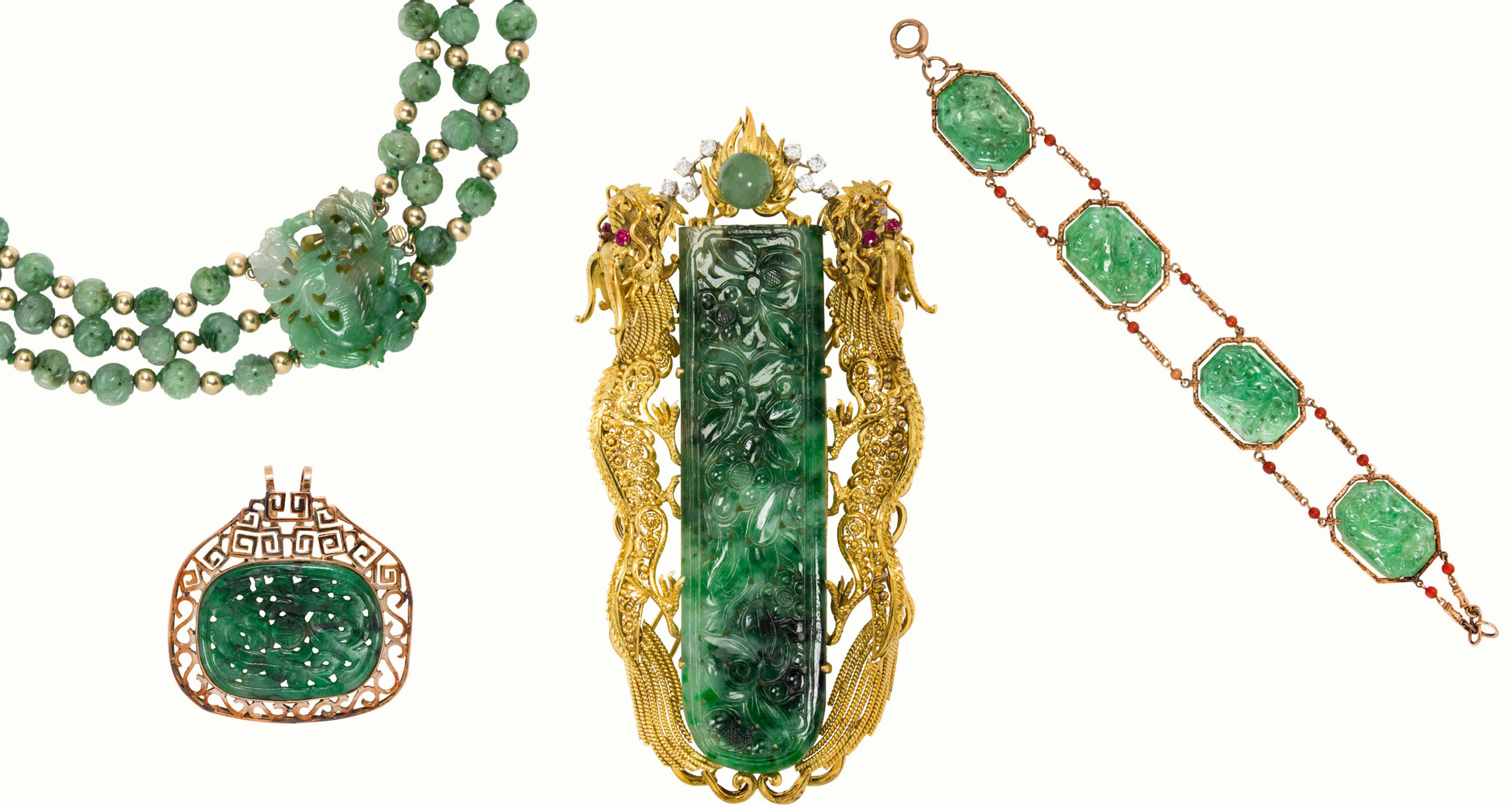
The Fine Jewelry & Watches selection is led by a commanding Jadeite, diamond, ruby, and 18k gold dragon pendant, estimated at $10,000–$15,000, exemplifying traditional symbolic motifs rendered in high-carat gold and vibrant gemstones. Jadeite continues to be a strong category within the sale, represented by a bead necklace estimated at $3,500–$5,500 with evenly matched stones and elegant gold accents, a pendant estimated at $800–$1,200 highlighting minimalist design and natural translucency, and a bracelet estimated at $1,000–$1,500 featuring polished jadeite elements set in 14k gold.
From Left to Right: A carved jade and 14k gold beaded necklace. Estimate: $3,500–$5,500; A jade and 14k gold slide pendant. Estimate: $800–$1,200; A jade, diamond, ruby, and 18k gold double dragon pendant-brooch. Estimate: $10,000–$15,000; A jade, coral, and 14k rose gold bracelet. Estimate: $1,000–$1,500
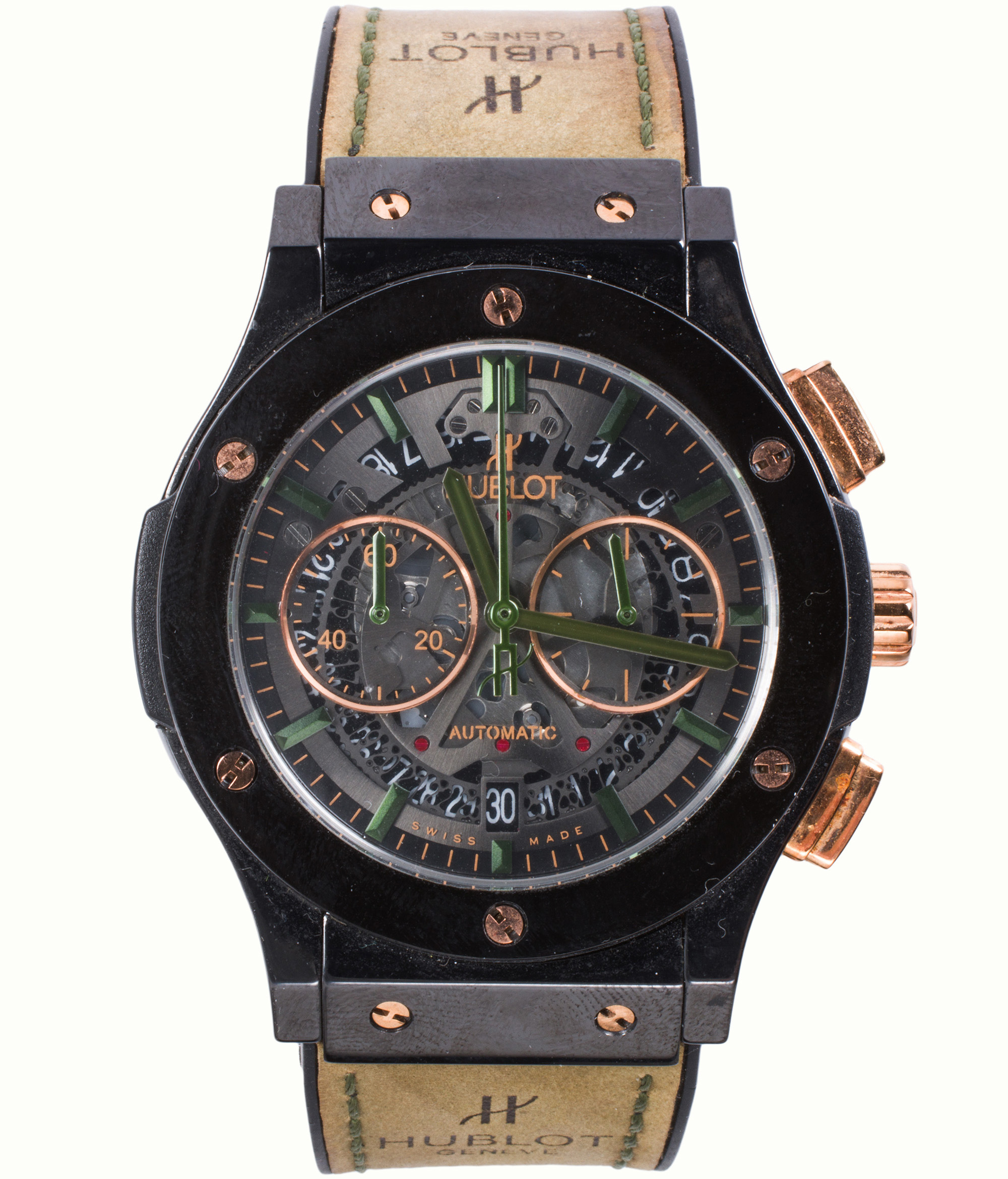
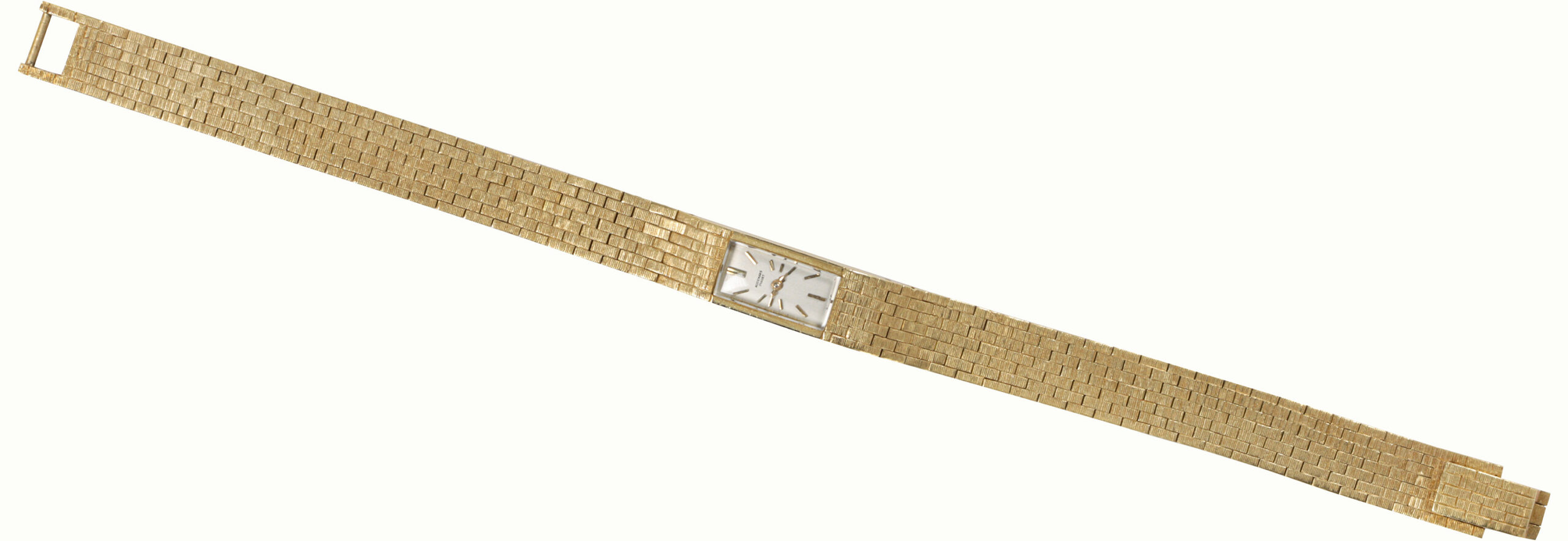
The horology selection includes a Hublot Classic Fusion 77e Bol D’or Mirabaud edition #01/77 in 18k rose gold and enamel, estimated at $6,000–$10,000. It’s notable for its limited production and commemorative racing inspiration. To be offered alongside is an Audemars Piguet ladies 18k gold watch #01/02 estimated at $7,000–$10,000, reflecting refined Swiss craftsmanship and collectible rarity.
A Hublot Classic Fusion 77e Bol D’or Mirabaud edition #01/77 18k rose gold and enamel watch. Estimate: $6,000–$8,000
An Audemars Piguet #01/02 ladies 18k gold watch. Estimate: $7,000–$10,000
Asian Art
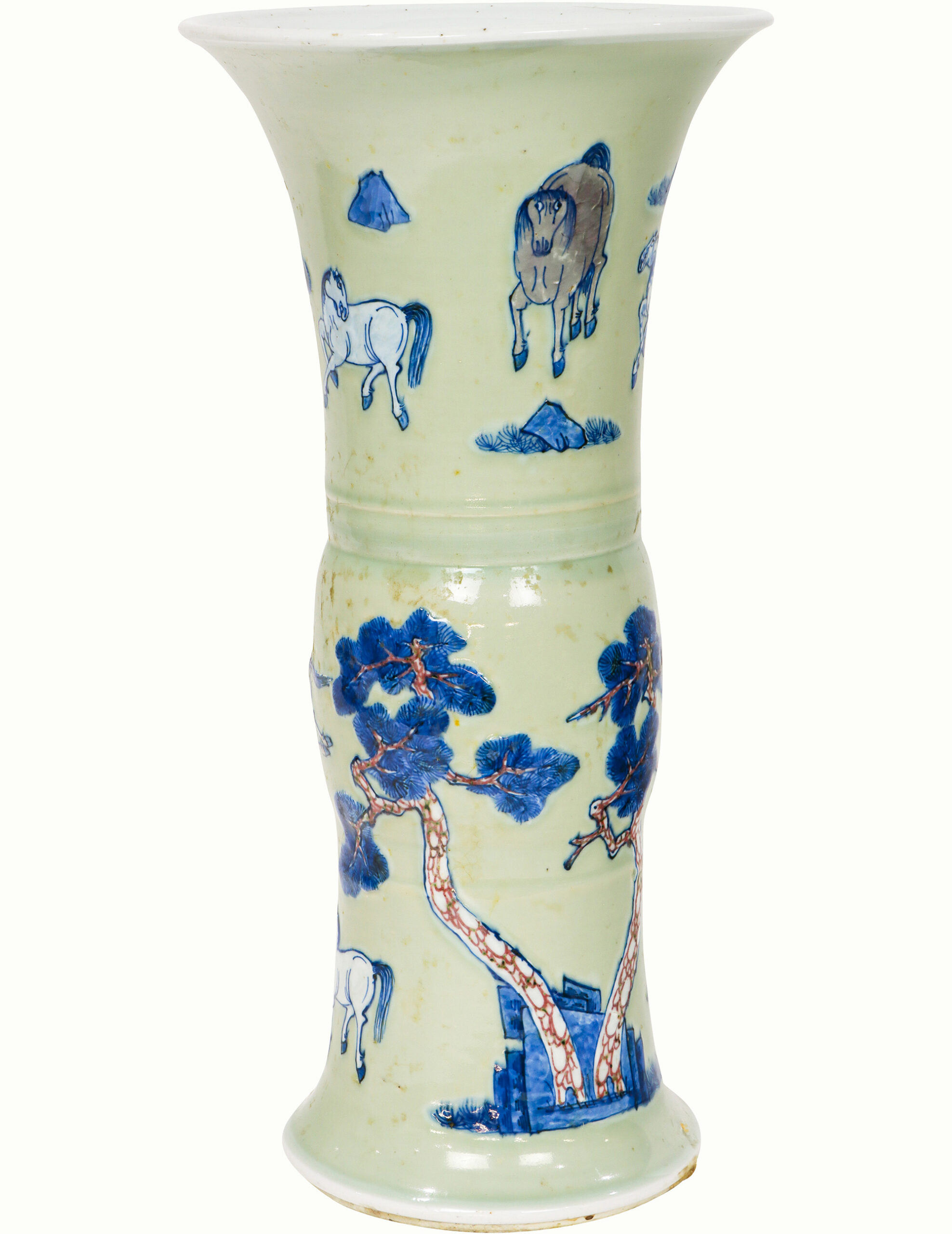
The Asian Works of Art category is anchored by finely executed Chinese porcelain and Japanese printmaking. Highlights include a blue and white figural rouleau vase estimated at $2,000–$4,000, notable for its detailed narrative figural decoration and classical form, and a blue and white and celadon ground “horse” vase estimated at $3,000–$5,000, distinguished by its striking contrast between cobalt motifs and soft celadon glazing.
A Chinese celadon ground underglaze-blue and copper-red ‘horse’ gu-form vase. Estimate: $3,000–$5,000
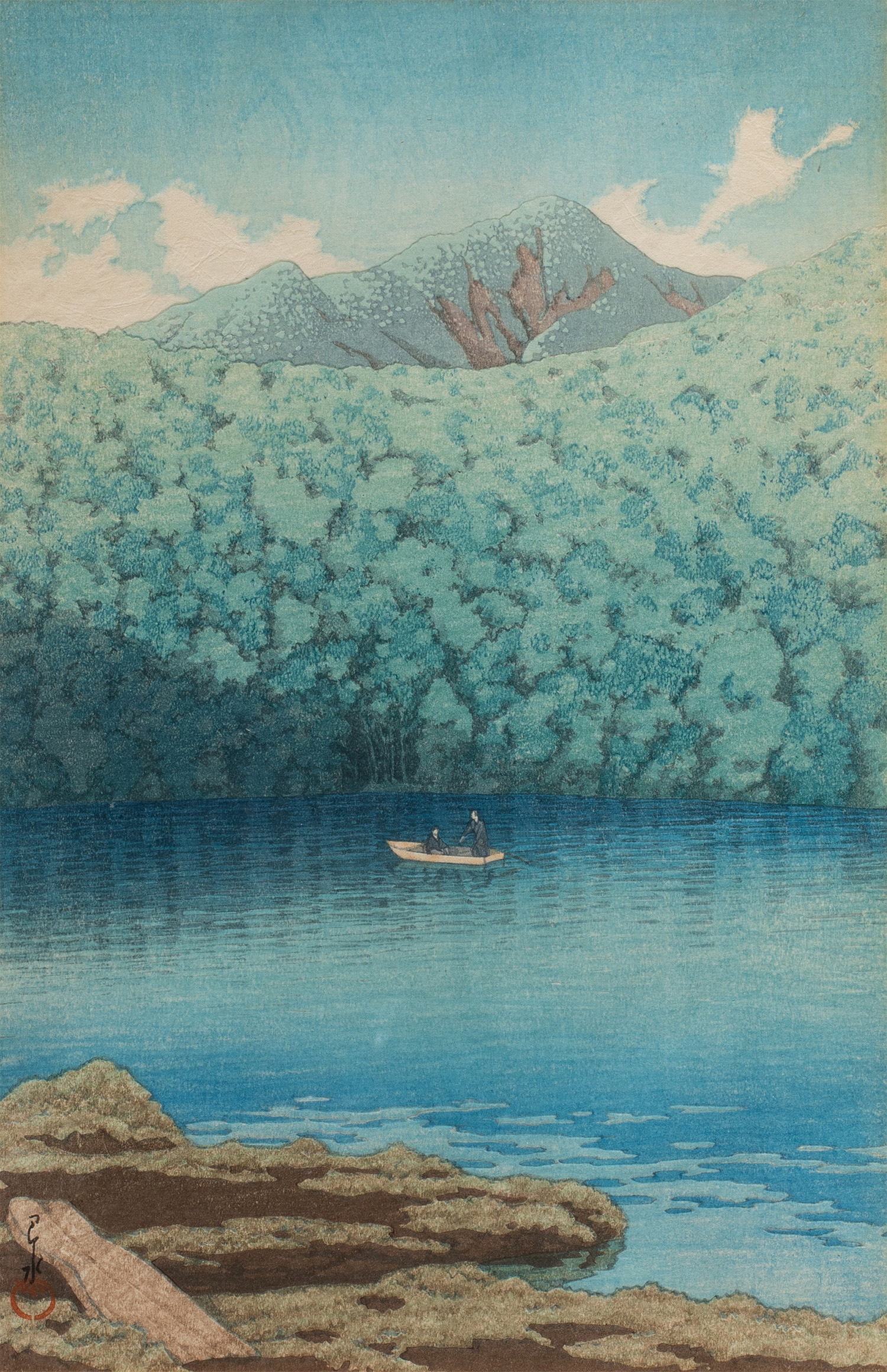
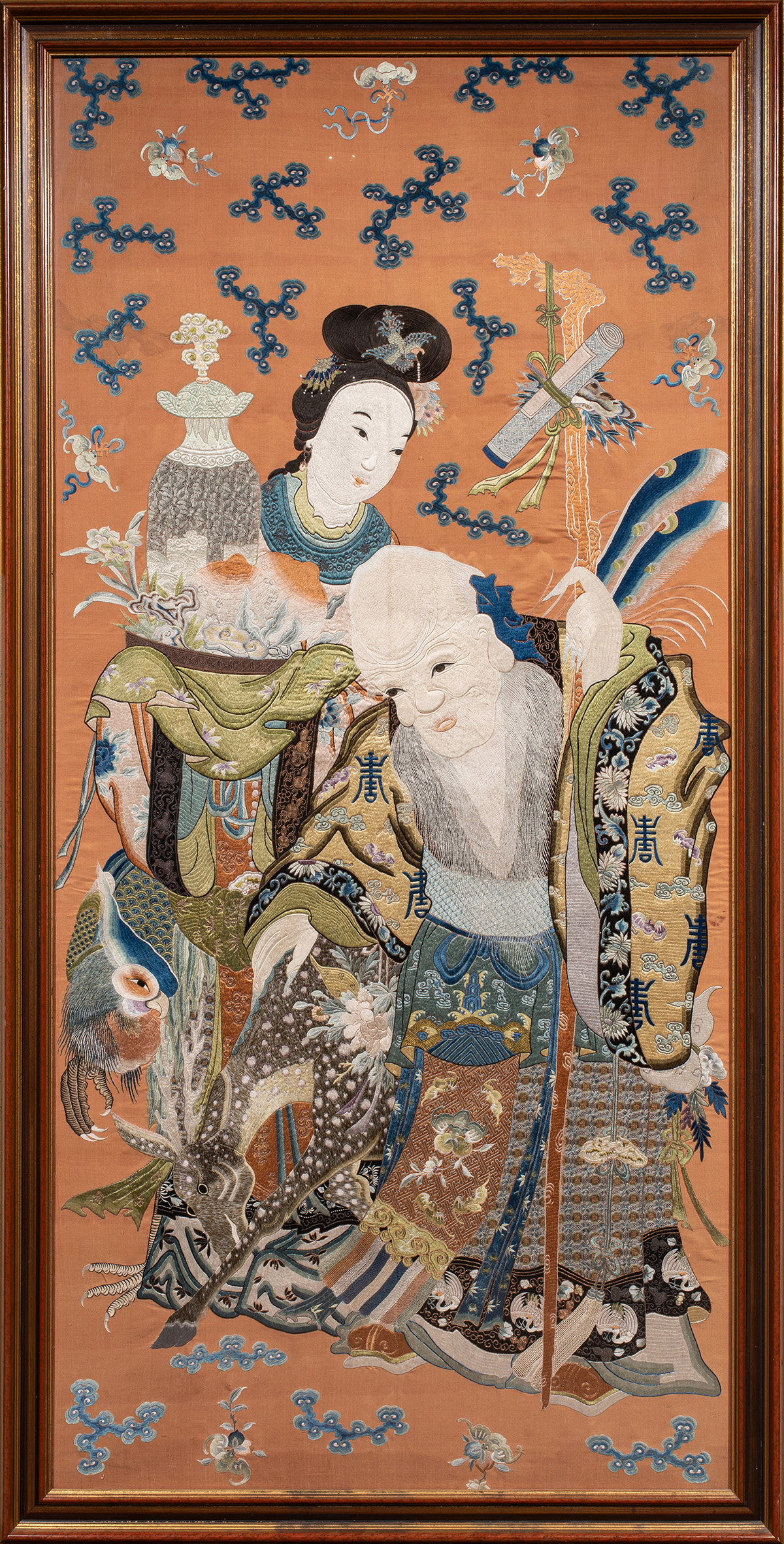
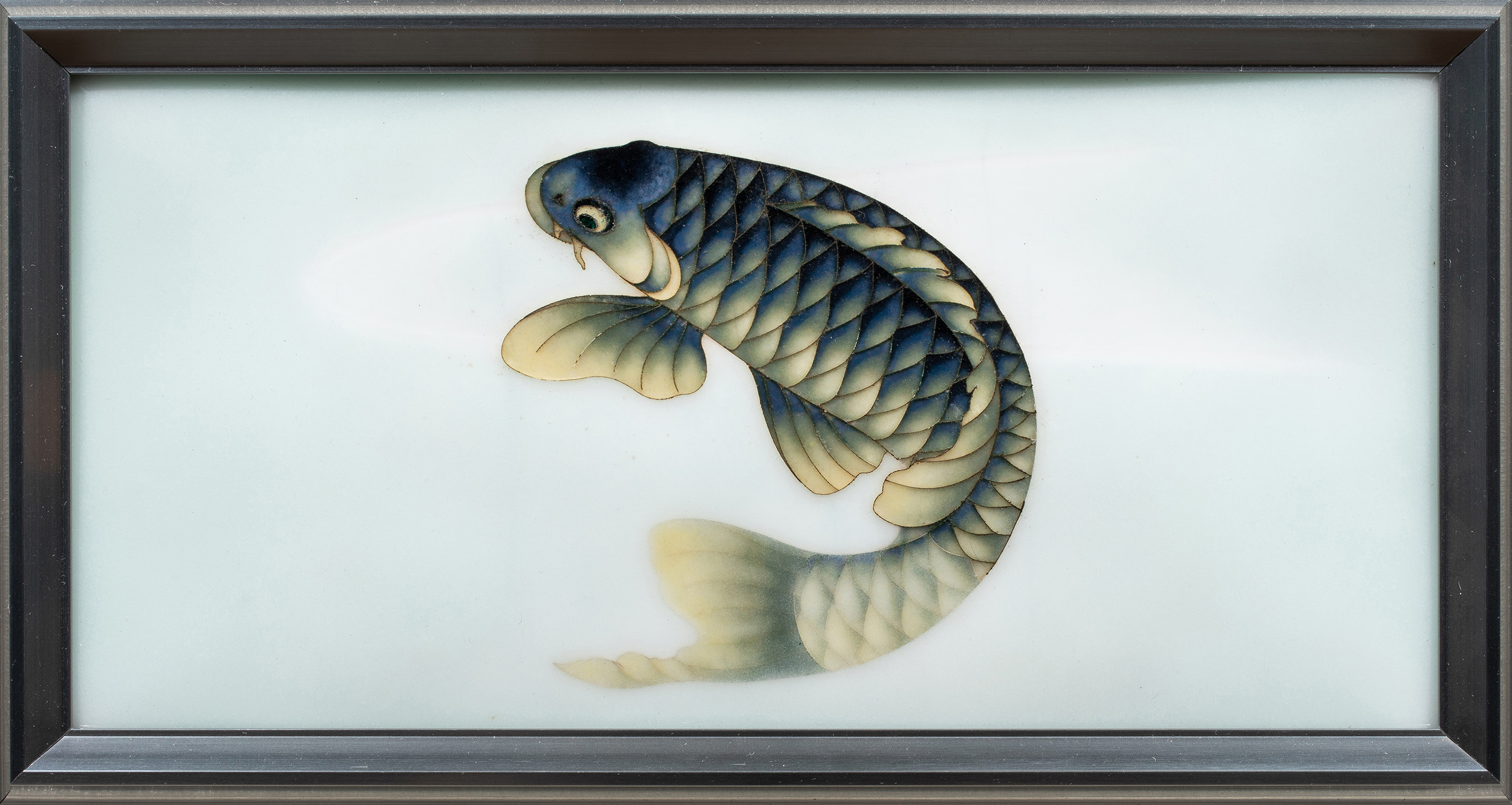
Also featured is Kawase Hasui’s Morning at Tsutanuma Pond, estimated at $2,000– $4,000, a serene woodblock print reflecting Hasui’s mastery of light and atmospheric landscape within the Shin-hanga tradition. Additional highlights include a finely embroidered Chinese silk “Shaoulao and Magu” panel estimated at $2,000–$4,000 which depicts auspicious Daoist figures associated with longevity, and a Japanese cloisonné enamel “carp” plaque estimated at $600–$900 — a decorative work symbolizing perseverance and good fortune.
Kawase Hasui, Morning at Tsutanuma Pond. Estimate: $2,000–$4,000
A Chinese embroidered silk Shoulao and Magu panel. Estimate: $2,000–$4,000
A Japanese cloisonné enamel ‘carp’ plaque. Estimate: $600–$900
The Warehouse Auction: April 18th
On Saturday, April 18th, Clars Auctions will host its Warehouse Auction, presenting a broad and eclectic selection of property offered at accessible price points. The sale features a wide range of categories, including art, prints, photographs, modern and antique furniture, silver, porcelain, glass, fashion, and an array of decorative objects.
The Asian Art section offers Japanese woodblock prints, ceramics, and folding screens, while the jewelry selection includes an appealing assortment of affordable diamond and silver necklaces. The auction is further complemented by a diverse offering of modern and antique furniture, home décor, and collectible toys, making the Warehouse Auction an inviting opportunity for collectors of all levels to discover distinctive and meaningful pieces.
Bidding for Clars’ April auctions is available by phone, absentee bid, live online at Live.Clars.com and through Liveauctioneers.com and Invaluable.com. Clars Auctions is located at 5644 Telegraph Avenue, Oakland, CA 94609. Clars Auctions, based in Oakland, CA, is a premier fine art and antiques auction house known for its expertly curated collections across categories including fine art, furniture, jewelry, and Asian art. Each auction is designed to appeal to both novice collectors and seasoned connoisseurs, offering a wide range of exceptional items.
The Asian Works of Art Auction on February 19th will feature a curated selection of Chinese and Japanese works.
Asian Art
Highlights
Jade: “Stone of Heaven”
Fine Jewelry
Stories & News
When the press publicizes a jade bangle bracelet or necklace fetching millions of dollars at auction, collectors worldwide wonder if their jade is also valuable. What is jade and where does it come from?
The term jade gets its meaning from the Spanish term “piedra da ijada”, or loin stone. The ancient Chinese revered jade as the “Stone of Heaven”. In Mesoamerica, the local jade available was jadeite and its spread throughout the New World has been documented. Even though Jadeite in China would not be known of for thousands of years, once discovered, Burma jade was the only jade China used.
From Left to Right: A carved jade and 14k gold beaded necklace. Estimate: $3,500–$5,500; A jade and 14k gold slide pendant. Estimate: $800–$1,200; A jade, diamond, ruby, and 18k gold double dragon pendant-brooch. Estimate: $10,000–$15,000; A jade, coral, and 14k rose gold bracelet. Estimate: $1,000–$1,500 To be offered: April 17th
In jewelry, typically, there are two varieties of jade: jadeite and nephrite. Jadeite is the most valuable. It comes in a multitude of colors, from deep greens to lavender, white, gray and black. What gives jade its value primarily is the degree of translucency and the evenness of color.
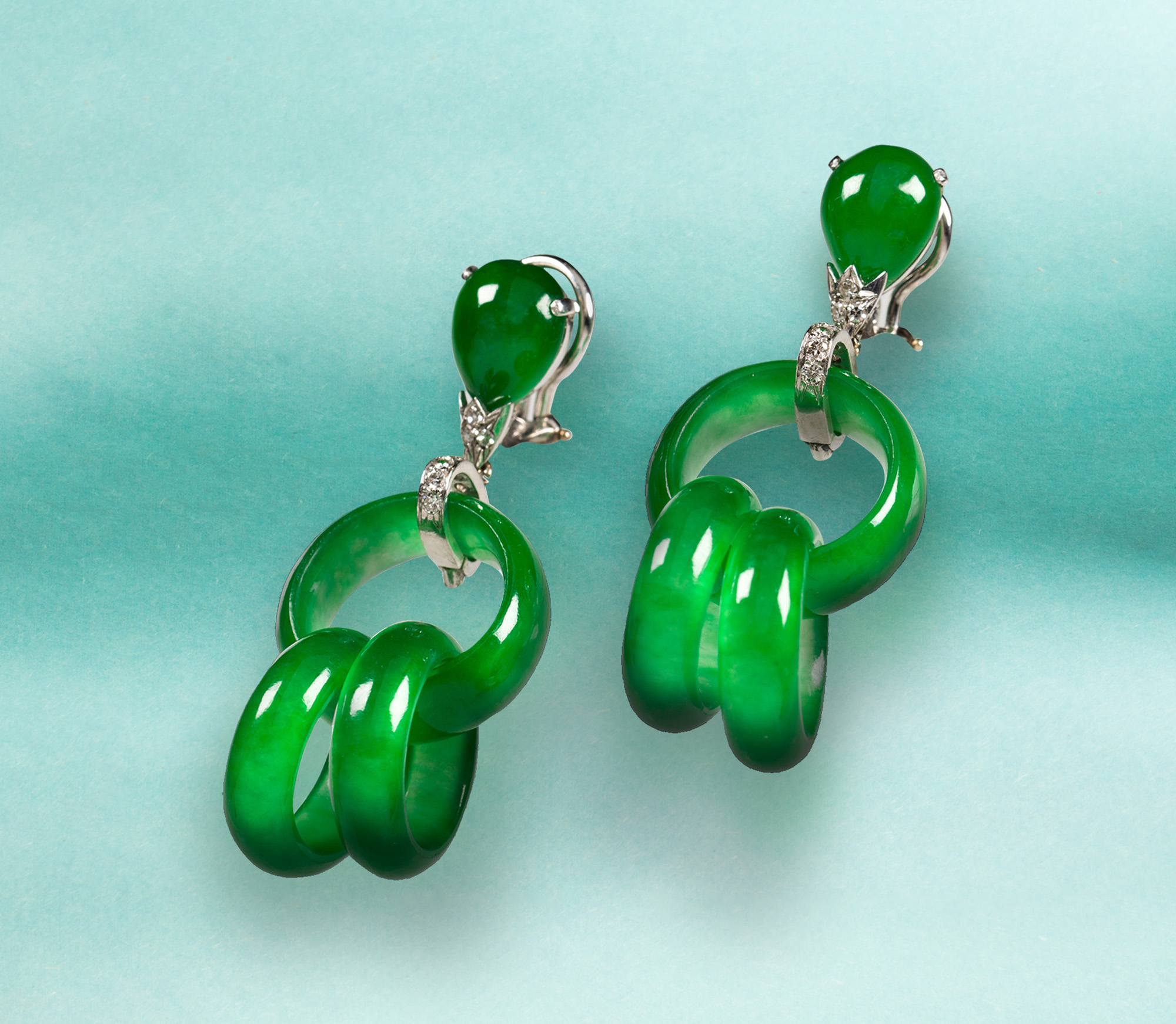
A pair of ‘A Grade’ jadeite and platinum ear-clips. Natural Jadeite Jade – No dye or polymer detected – ‘A’ Jade Sold: $88,200
Jadeite has also been found in many places, including near Omi Province, Japan; in San Benito County, California; in Kazakhstan; and in the Ural Mountains, Russia. The most valuable color is an intense, vibrant green, often called imperial or apple green jade. Fashion jewelry will often use a range of colors in a single jewelry piece. Currently “ice and water jade” known for its crystalline or watery translucency is a very popular variety. Guatemala and Burma are the primary sources for modern jadeite. The most important source of jadeite is the large deposit near Taw Maw, Myanmar (Burma).
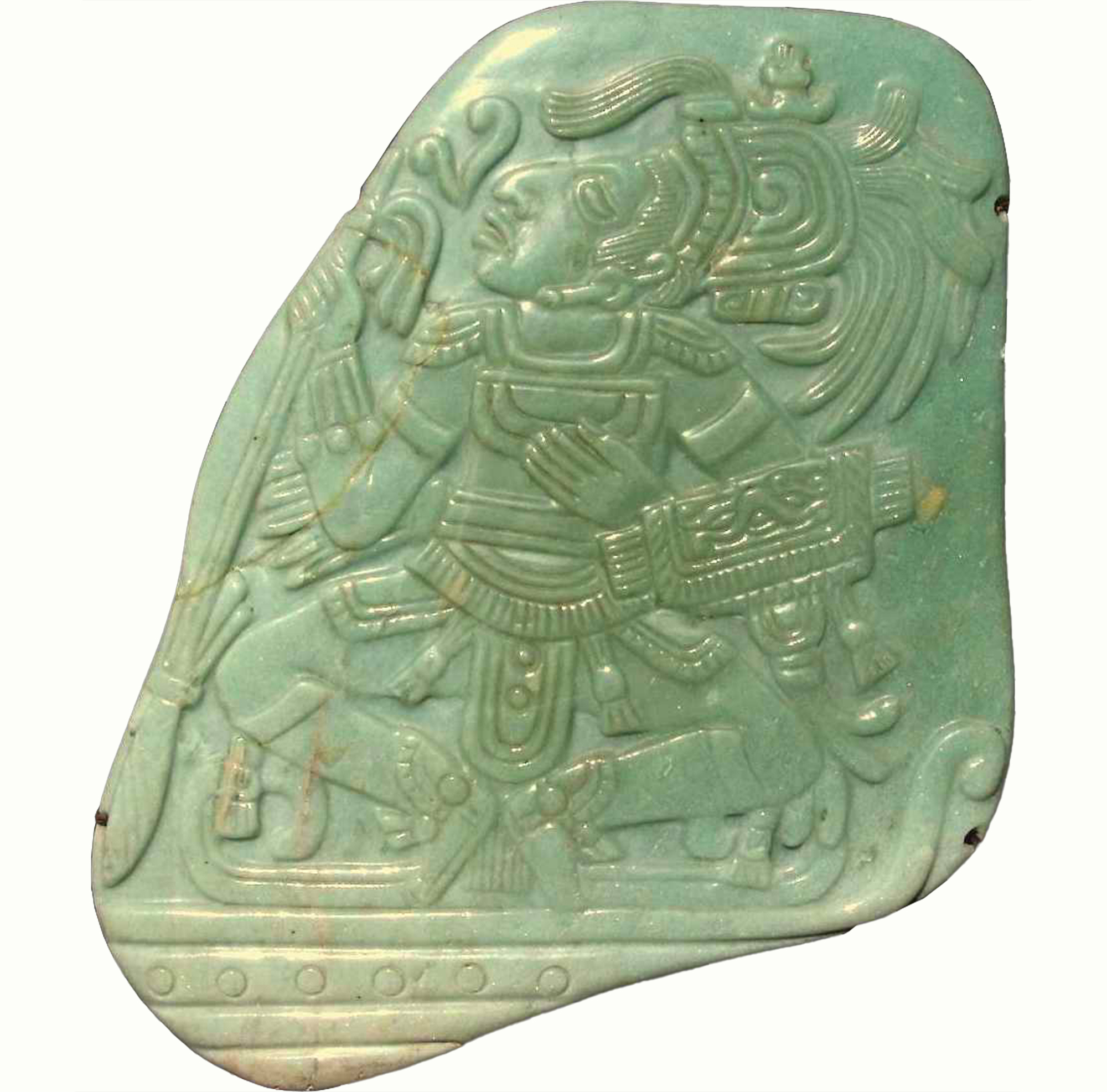
A Jadeite pectoral decoration from the Mayan Classic period. Source: Wikimedia Commons
Nephrite comes in an even greater array of colors. It is the lesser valuable variety and is more commonly used for carvings, and in some jewelry. Typically, nephrite is dark olive green in color with black or gray specks, having a range of translucency. Some nephrite rings have a creamy white color known as ‘mutton fat’ in Chinese, which was mostly used before the 1800s in China as well as New Zealand and the Atlantic Coasts and Pacific Coasts. Notable nephrite jade deposits can be found in Australia, Brazil, China (Sinkiang), Canada, Russia, Taiwan, Zimbabwe and the Western United States.
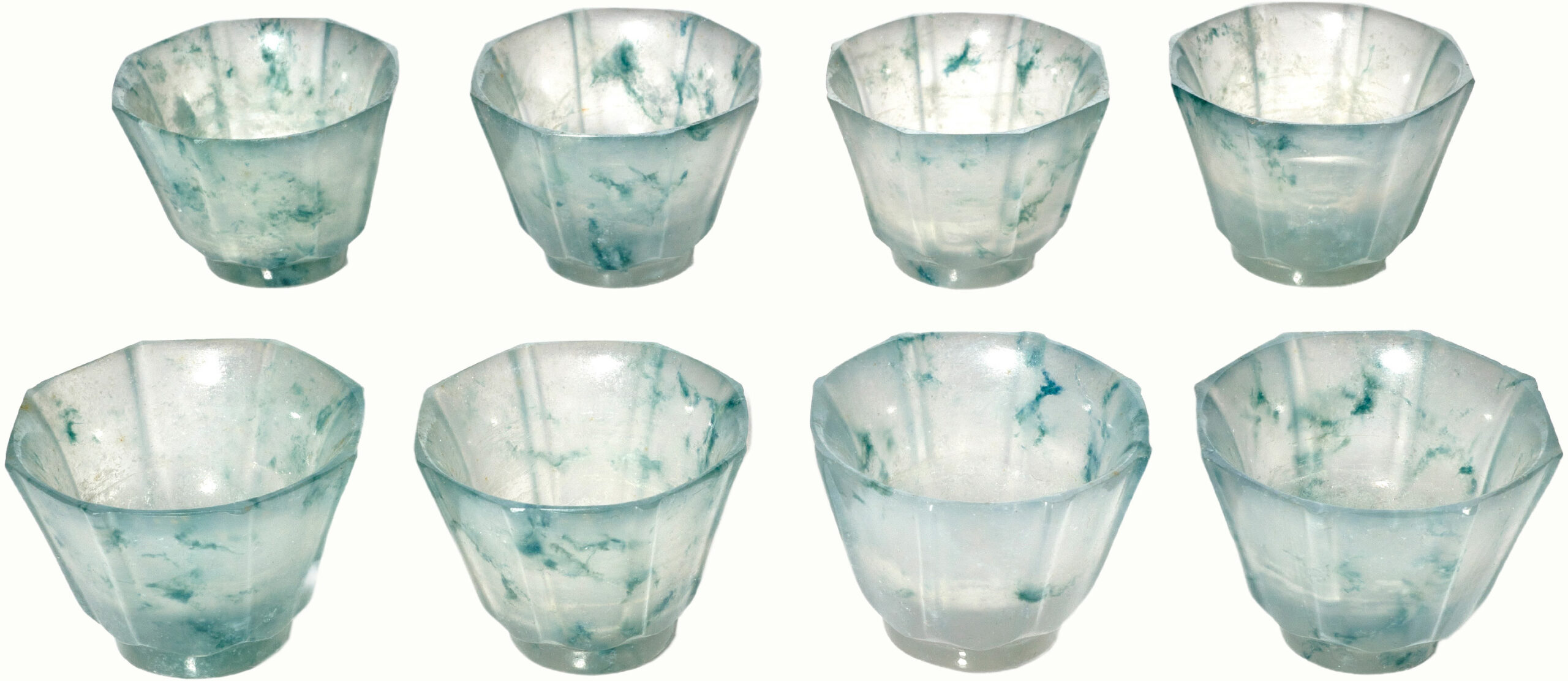
A set of eight Chinese jadeite wine cups. Sold: $44,100
The value of jade takes into consideration many factors:
Translucency: is probably the most important factor. The ability to transmit light is an example of how finely structured the atoms are. The texture or crystalline visibility represents the conditions in which it formed. No matter what color a piece of jadeite is, the ability to transmit light without visible crystal texture is ideal (be aware that “treaters” are aware of this and have the abilities to improve formerly opaque material to virtually translucent material). * See treatments below.
Color: desirability, like fashion, goes in and out of favor. However, the apple green color often called imperial jade is the most prized. Somewhat recently in the US, the absence of color like the water or ice white jadeite has been picking up demand. Losing in popularity today is the lavender variety. Next, the evenness of color, how mottled or variegated the color or colors are is also important. Ideal in today’s market would be a saturated, even apple-green color.
Form: another important factor is the carving or carver’s talent and age or origin of the piece. Too often an item of jade is scrutinized for its gem quality before determining the age or carving quality. In creating a bead or bangle there is major weight loss while carving from the rough stone, which increases the end cost of the object. Quetzal jade is a bright green stone from Guatemala that was treasured by the Mesoamerican cultures and still held in high value today because of the quality of the carvings.
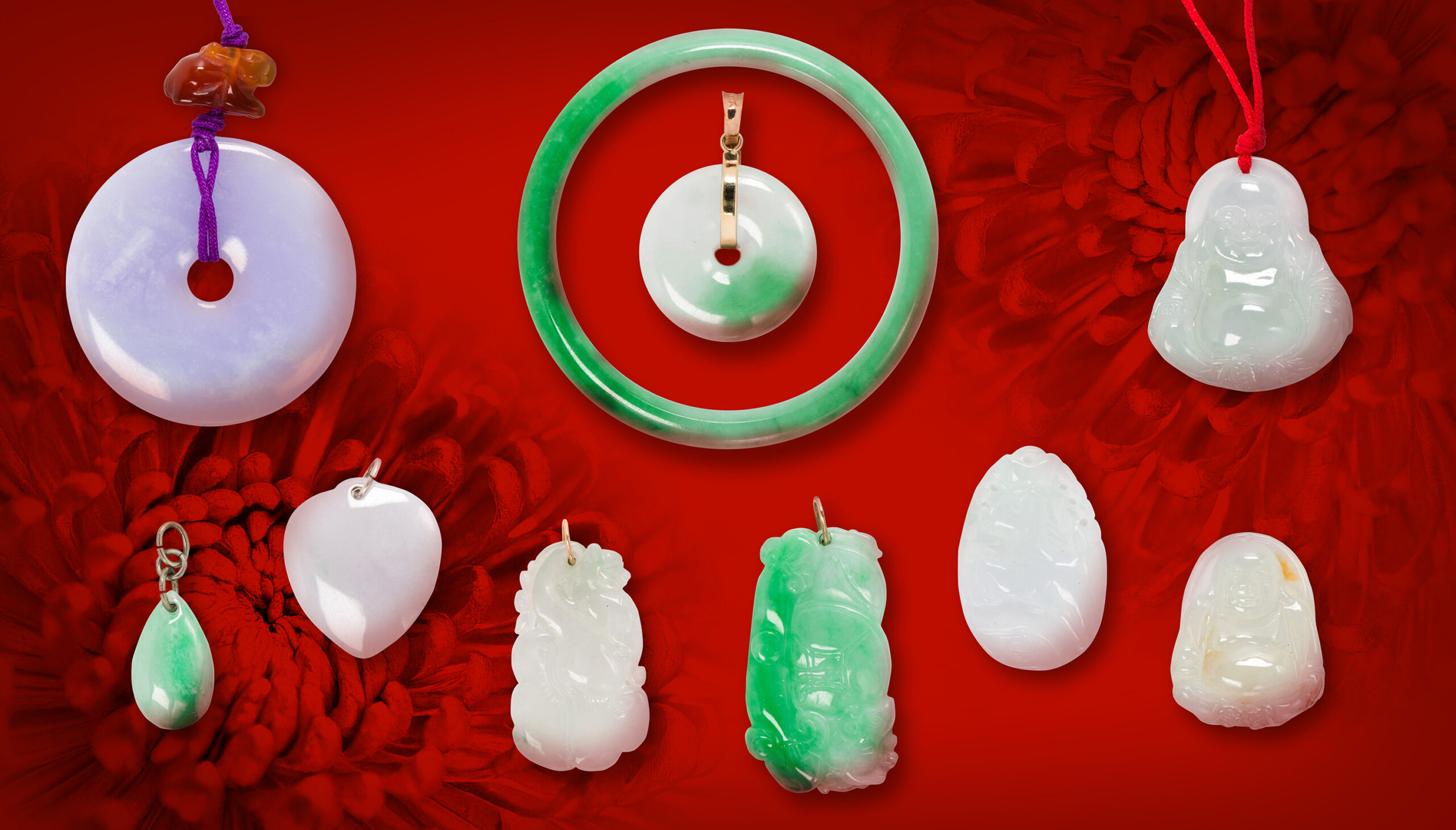
Top Left: A lavender jade and agate pendant. Top Middle: A jade bangle. Top Middle & Bottom Left: Two jade pendants. Top Right, Bottom Right & Bottom Left: A group of Ice jade pendants. Bottom Middle: A jade pendant.
Typically, having at least one or more of the best of all of these factors is good. But the best examples displaying all of these factors are the ideal, and that is when the million dollar marks are reached.
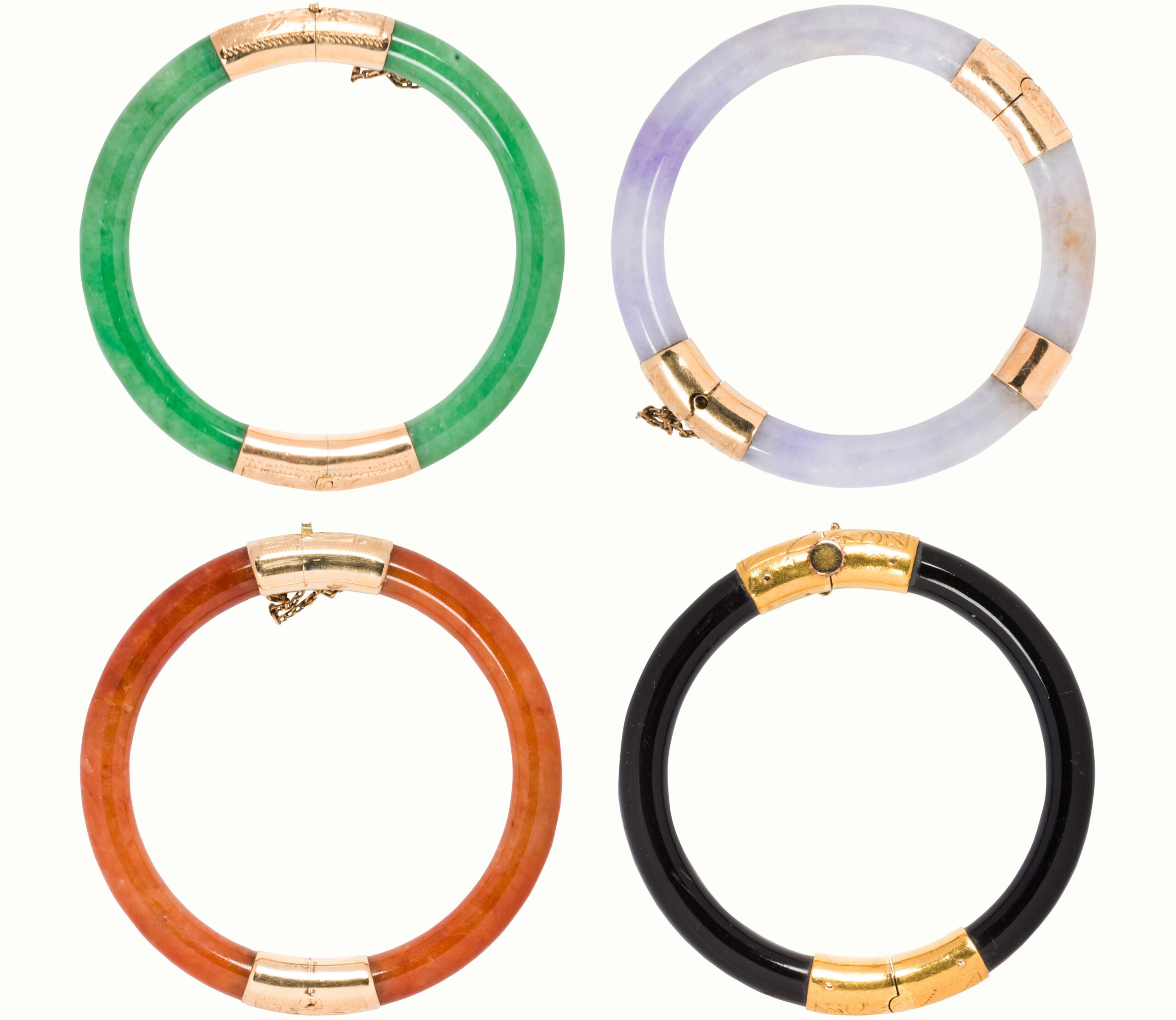
A group of four jade, coral and gold bangle bracelets bangles. Treated bracelets Sold: $5,040
In today’s Jadeite market, with advances in science and technology, jadeite is being put through processes to “improve” its color and translucency. This is a difficult process to detect and only a few laboratories have the highly technical equipment to detect treatments. Fine quality jadeite sold today typically is accompanied by an independent laboratory report stating that there is no evidence of such treatments.
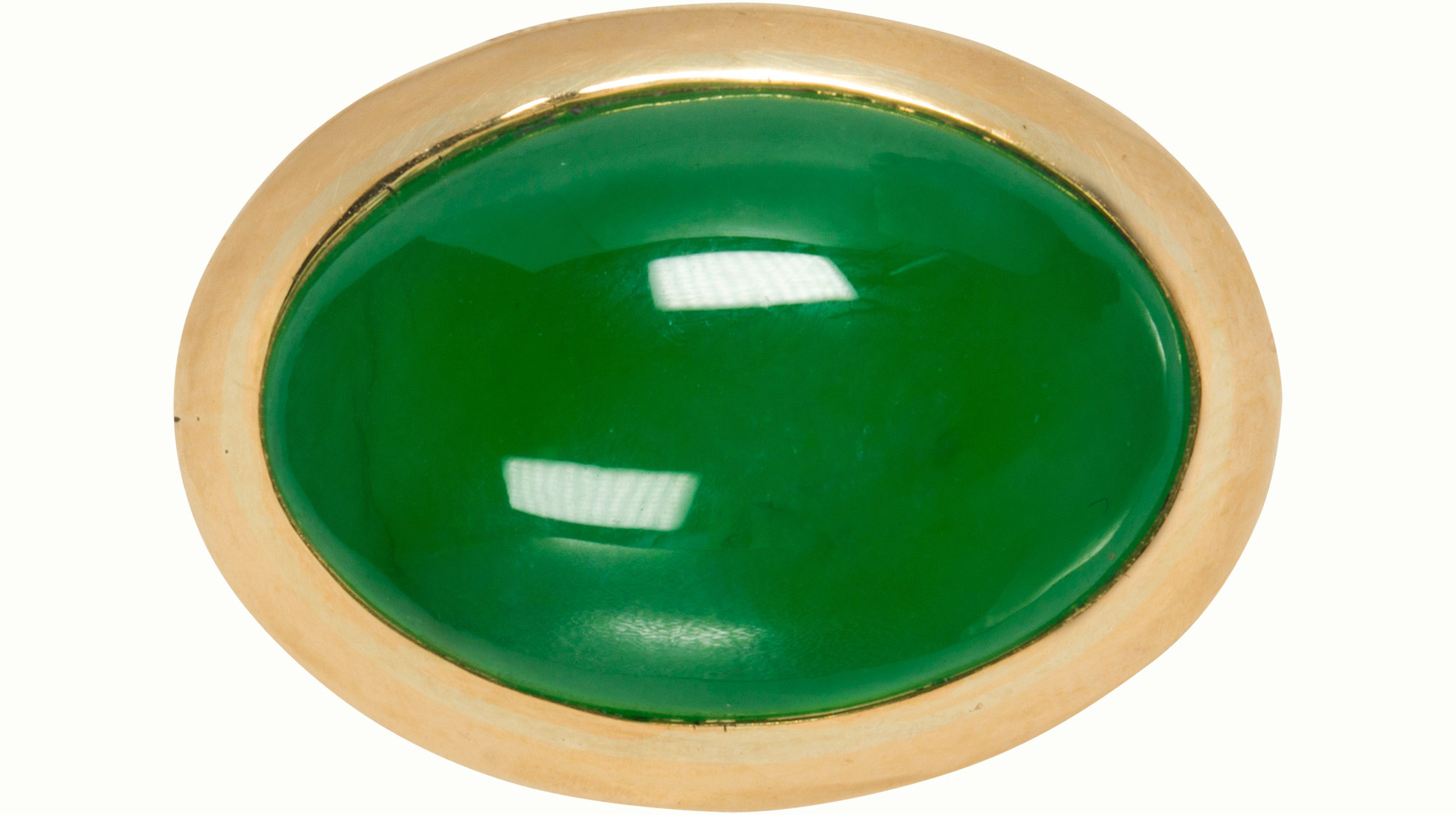
A jadeite and 18k gold ring. Sold: $12,800
Jadeite treatments either add color and polymer or just polymer to improve its appearance. The classification system that is used to grade jade, is as follows (Source: Mason-Kay):
‘A’ JADE: Natural, untreated jadeite jade. Only beeswax is used to fill the stone’s microscopic surface pores – as has been done for centuries.
We are honored to present the rare and globally sourced bead and tribal art collection from the estate of Naomi Lindstrom on August 14th.
Estate Spotlight
Stories & News
March Gallery Auction Highlights
Auction
Highlights
The March Gallery Auction on March 20th, beginning at 9:30 AM will offer a dynamic selection that spans Asian works of art, fine art, furniture, and decorative arts.
The Fine Art section offers an eclectic and compelling selection spanning multiple periods and styles. Among the standout highlights is a set of twelve works on board by California-born multimedia artist Lita Albuquerque (b. 1941). Composed of gold leaf and pigment, the panels are installed in two vertical columns that create a striking sense of movement and spatial rhythm. Albuquerque is widely recognized for her large-scale environmental installations in locations such as the South Dakota Badlands and Death Valley, often incorporating the same deep indigo pigment seen in this untitled wall sculpture. The work is estimated at $15,000–$20,000.
(lot of 12) Lita Albuquerque (American, b. 1946), Untitled, 1993–1995, mixed media with gold leaf and pigment on panel, each panel: 16″ x 16″. Estimate: $15,000–$20,000
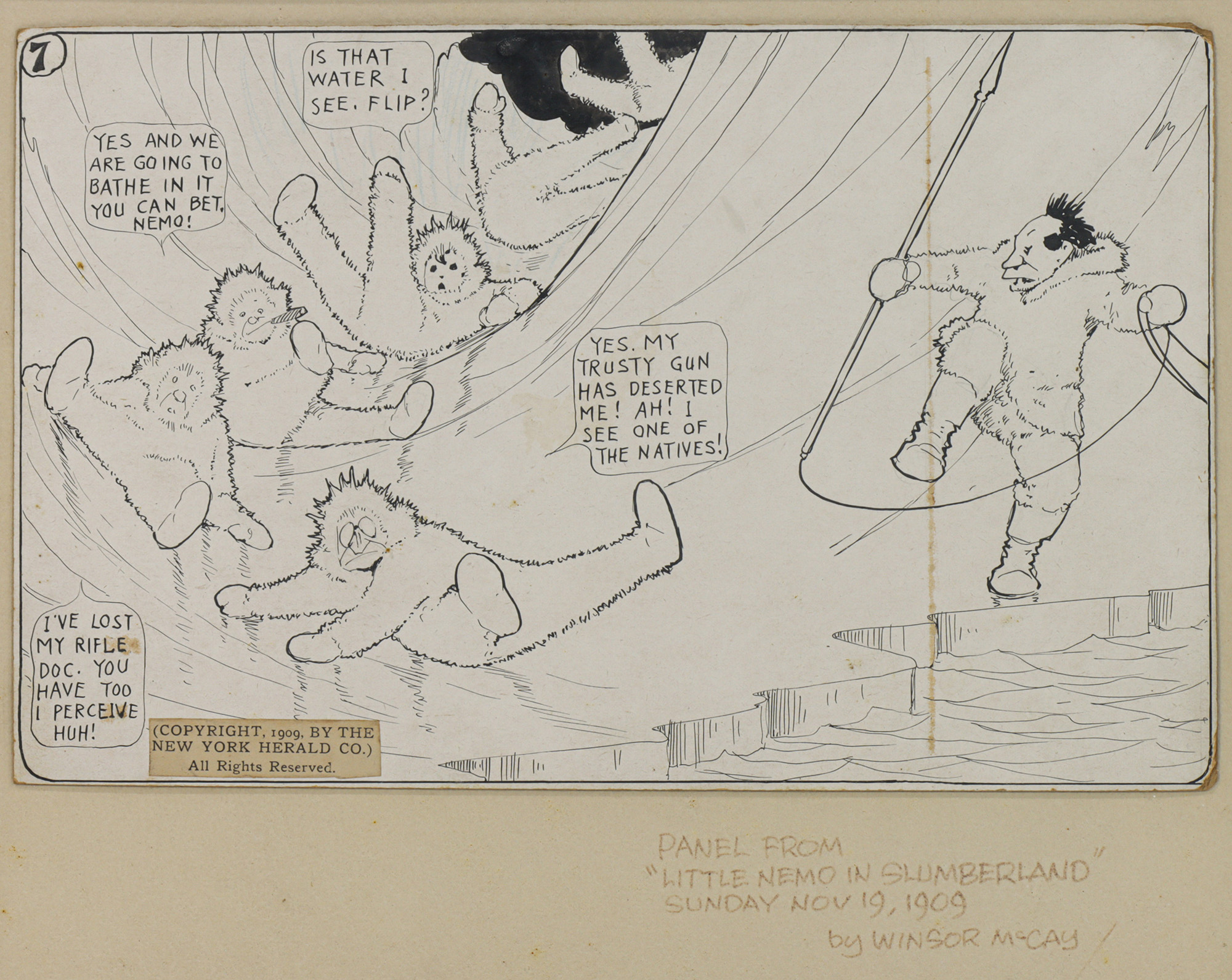
Also featured is an original 1909 Little Nemo in Slumberland comic panel by Winsor McCay (American, 1866–1934). McCay achieved prominence as a cartoonist for the New York Herald in the early twentieth century, where he created the beloved comic strips Little Sammy Sneeze and the iconic Little Nemo in Slumberland, chronicling the fantastical dreams of a young boy. This early panel includes Nemo alongside recurring characters Flip and Doctor Pill and is estimated at $5,000–$7,000.
Winsor McCay (American, 1869–1934), Little Nemo in Slumberland Panel, November 19th, 1909, ink on paper board, clipping from New York Herald 7″ x 10.75″. Estimate: $5,000–$7,000
Additional offerings include works by Margaret Keane, Allen Dean Cochran, Fletcher Benton, Dennis Hare, and other notable artists.
Margaret Keane (American, 1927–2022), Untitled (Girl with Pink Dress), oil on canvas, 18″ x 12″. Estimate: $6,000–$9,000
Asian Art
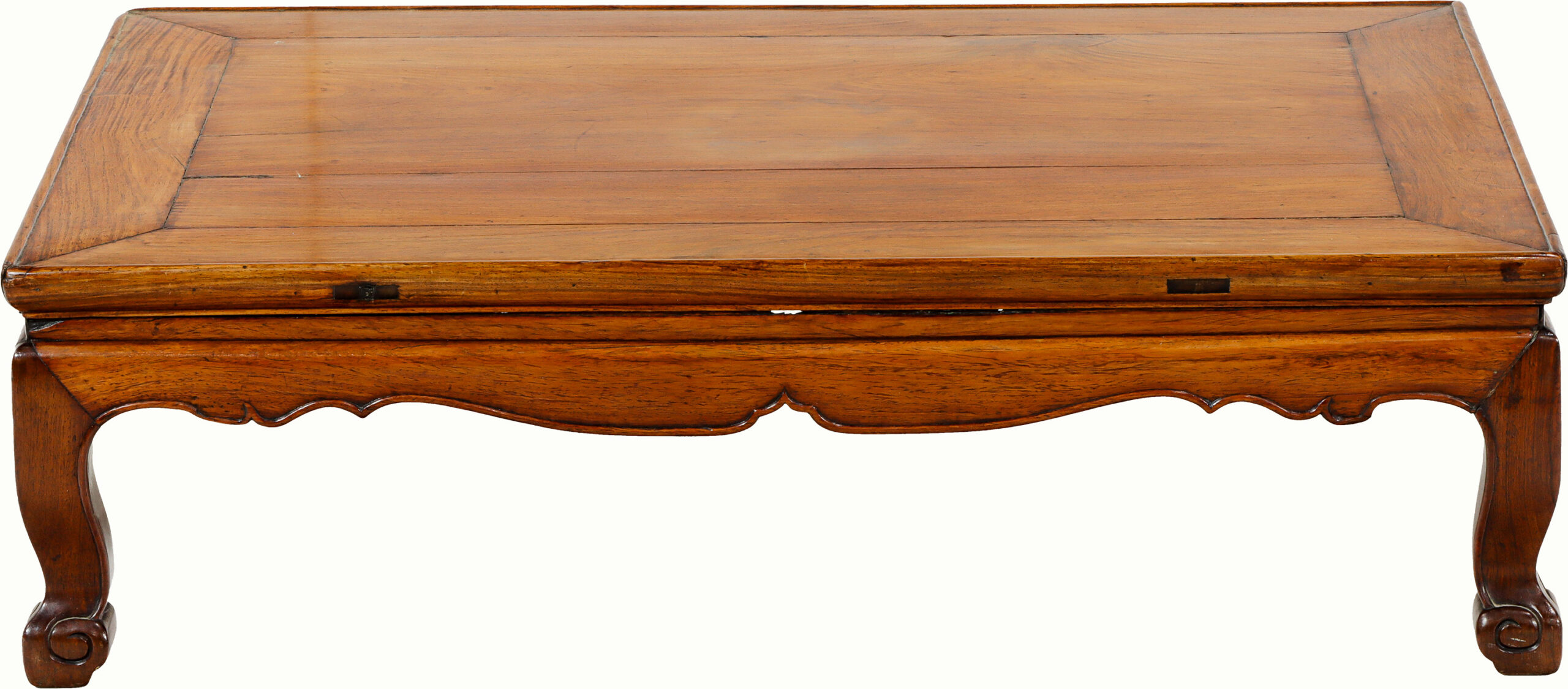
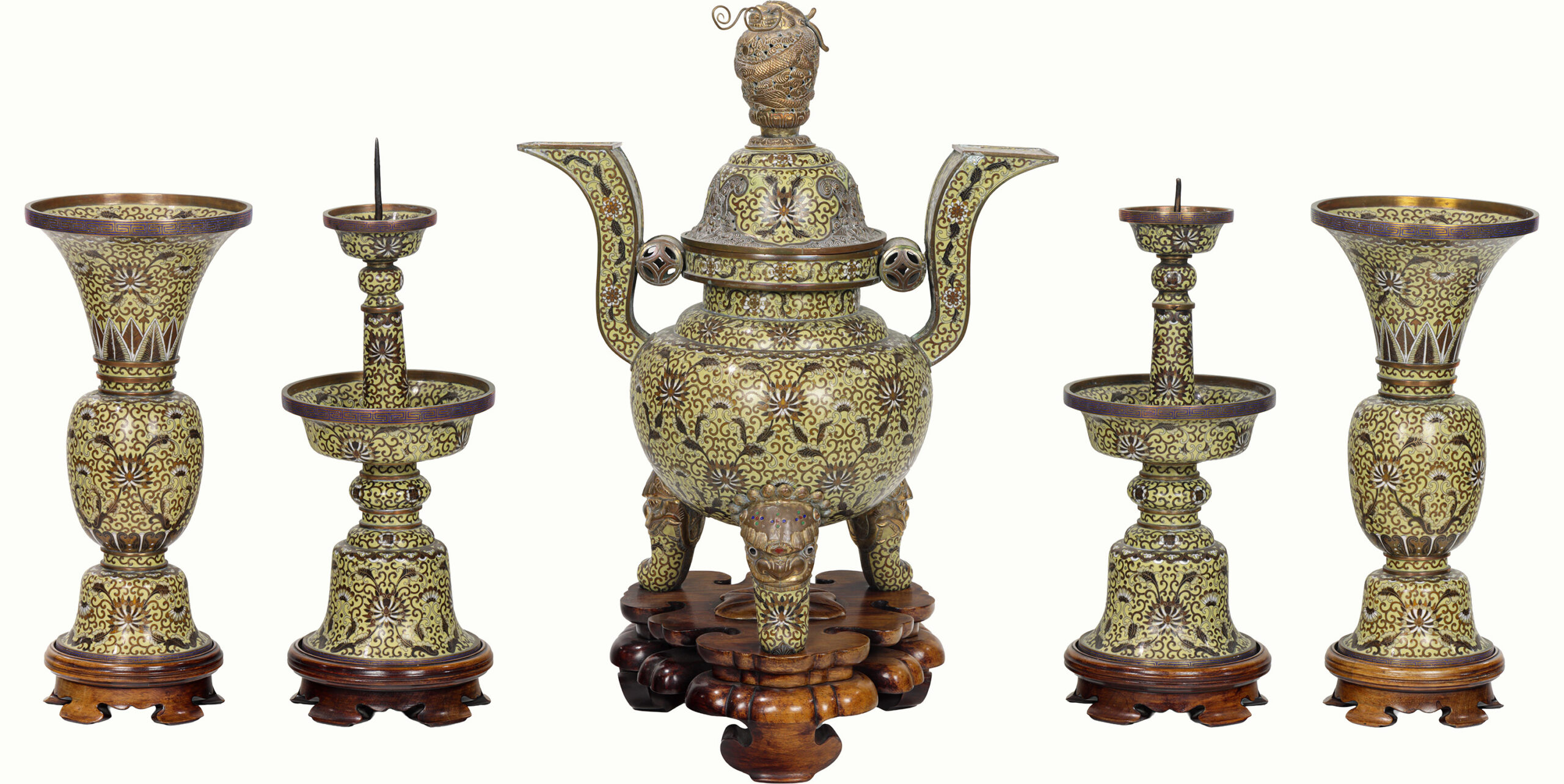
The Asian Art department will present notable Chinese works from a Carmel estate, led by an elegant 18th-century huanghuali kang table admired for its refined proportions and beautifully figured hardwood. A five-piece cloisonné enamel altar service from the Republic period will also be featured, showcasing vibrant enamels and traditional craftsmanship.
A Chinese huanghuali kang table, 18th century. Estimate: $5,000–$7,000
A Chinese five-piece cloisonné enamel altar service, Republic period. Estimate: $1,500–$2,500
Additional highlights include two famille rose landscape porcelain plaques attributed to Republic-period artists Wang Yeting and Zhang Zhitang, as well as a finely carved huali rosewood ‘dragon’ floor screen exemplifying the sophistication and artistry of Chinese decorative traditions.
A Chinese famille rose ‘landscape’ porcelain plaque by Wang Yeting. Estimate: $5,000–$7,000
A Chinese huali rosewood ‘dragon’ floor screen. Estimate: $3,000–$5,000
Furniture & Decorative Arts
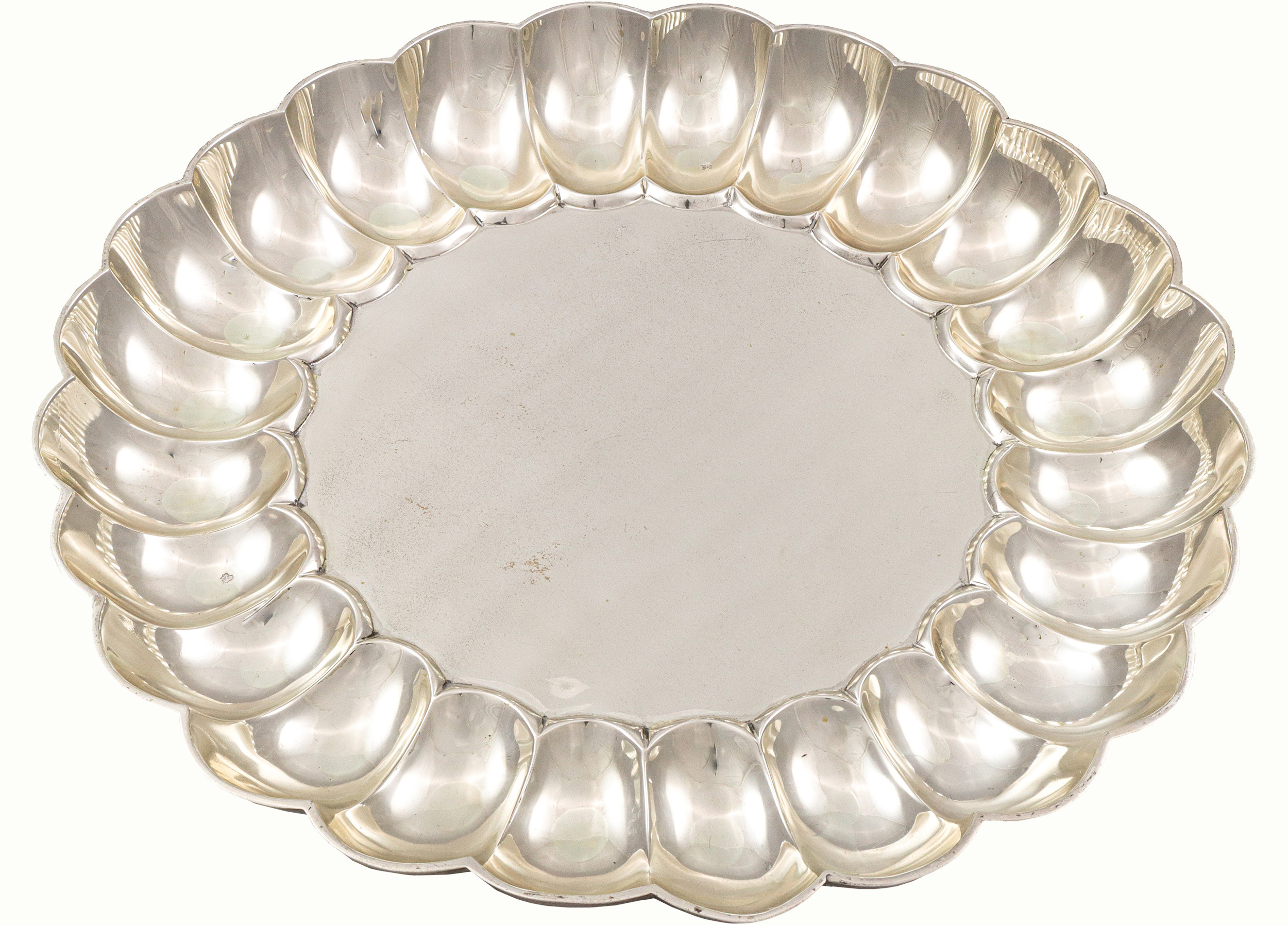
The Furniture & Decorative Arts selections further enhance the breadth of the sale. Highlights include a Rob Tribble hand-blown glass vase and a collection of Stan Bitter for Hans Sumpf stoneware pottery, with estimates ranging from $400 to $3,000. Silver offerings include a Mexican sterling platter by Alfredo Ortega & Sons, a Mexican sterling bowl by Zunita (Platería Zunita), and an impressive pair of Gorham Martele silver lamps. Together, these works reflect a rich diversity of craftsmanship, design, and artistic expression across cultures and eras.
A Rob Tribble hand-blown glass vase. Estimate: $400–$600
A collection of Stan Bitters for Hans Sumpf stoneware pots. Estimates: between $500 and $4,000
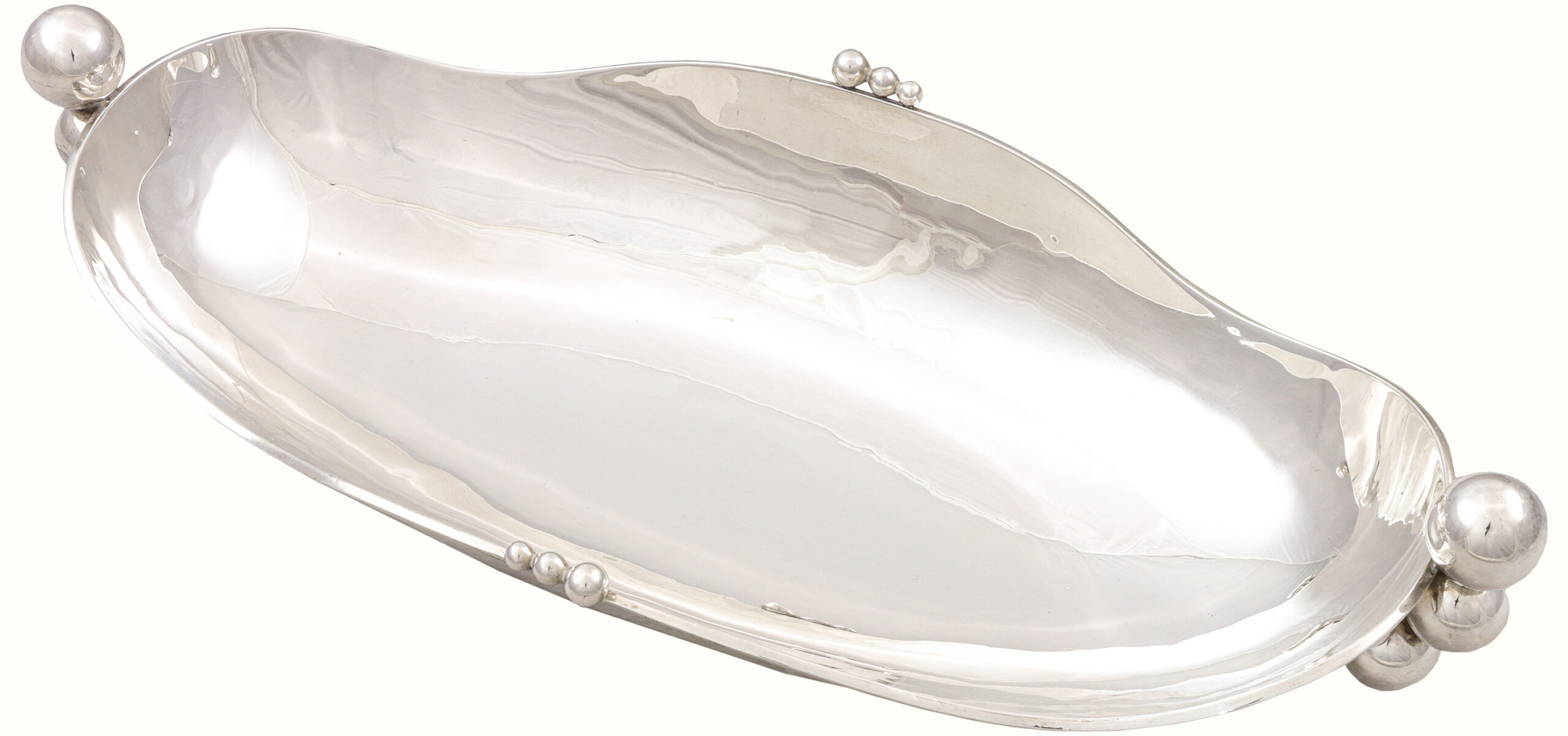
A Mexican sterling platter, Alfredo Ortega & Sons. Estimate: $5,000–$7,000
A Mexican sterling bowl, Zunita (Plateria Zunita). Estimate: $4,000–$6,000
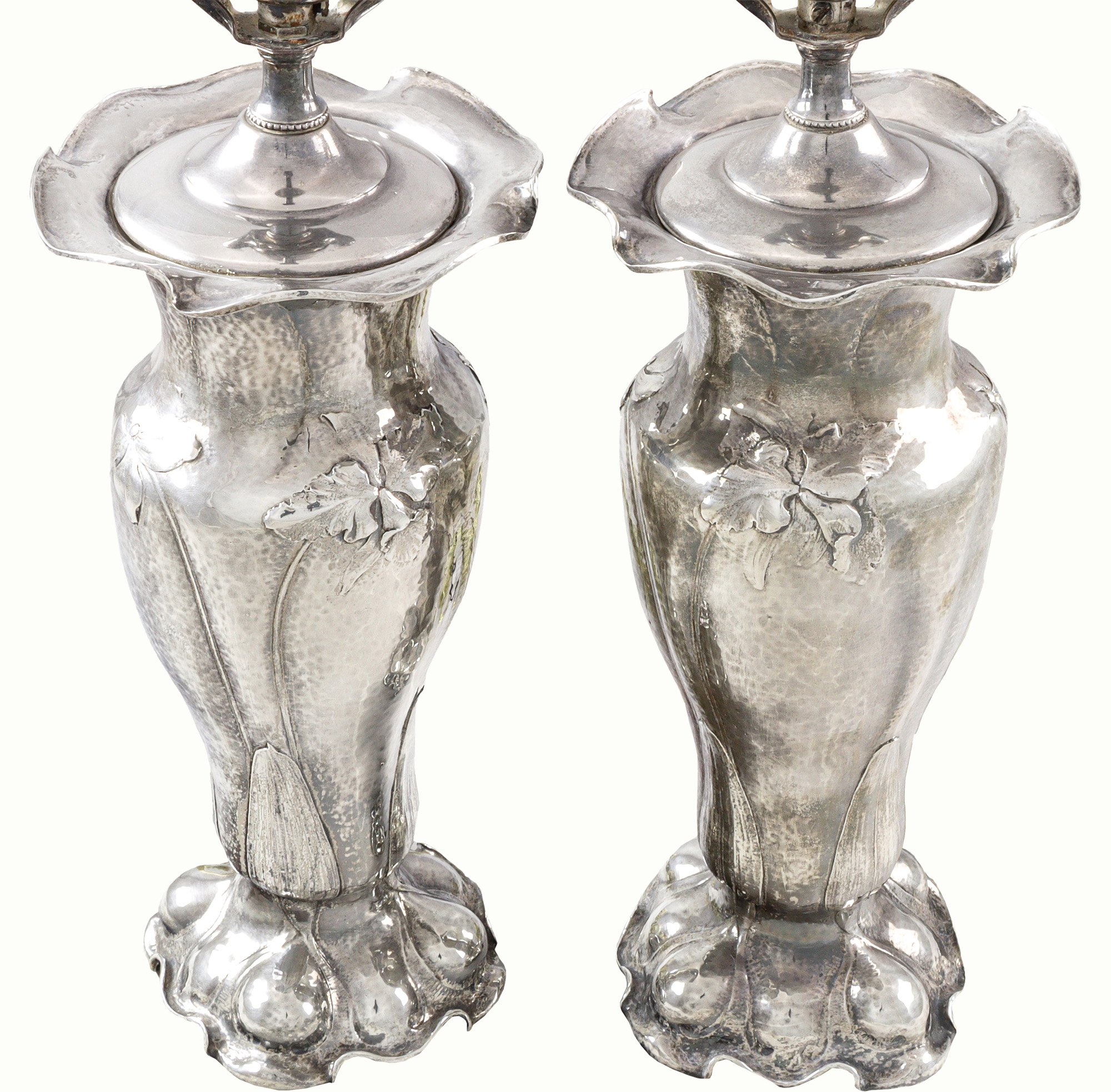
A pair of Gorham Martele silver lamps. Estimate: $3,000–$5,000
The Warehouse Auction: March 21st
The March auction series concludes on Saturday, March 21st with The Warehouse Auction, an eclectic and accessible sale offering decorative arts, furnishings, collectibles, and estate material. Known for its breadth and opportunity, this auction provides bidders with the chance to discover unique pieces and exceptional value across numerous collecting categories.
Bidding for Clars’ March auctions is available by phone, absentee bid, live online at Live.Clars.com and through Liveauctioneers.com and Invaluable.com. Clars Auctions is located at 5644 Telegraph Avenue, Oakland, CA 94609. Clars Auctions, based in Oakland, CA, is a premier fine art and antiques auction house known for its expertly curated collections across categories including fine art, furniture, jewelry, and Asian art. Each auction is designed to appeal to both novice collectors and seasoned connoisseurs, offering a wide range of exceptional items.
The Asian Works of Art Auction on February 19th will feature a curated selection of Chinese and Japanese works.
Asian Art
Highlights
A Trusted Partnership
Fine Art
Highlights
Property of the Fine Arts Museums of San Francisco to Benefit the Acquisition Fund of the Achenbach Foundation for Graphic Arts will be offered at Clars Auctions on March 19th, 10 AM PDT. This exceptional offering includes more than 170 works on paper spanning the 1860s through the 1980s.
California Palace of the Legion of Honor museum courtyard and entry, San Francisco, California. Source: Wikimedia Commons
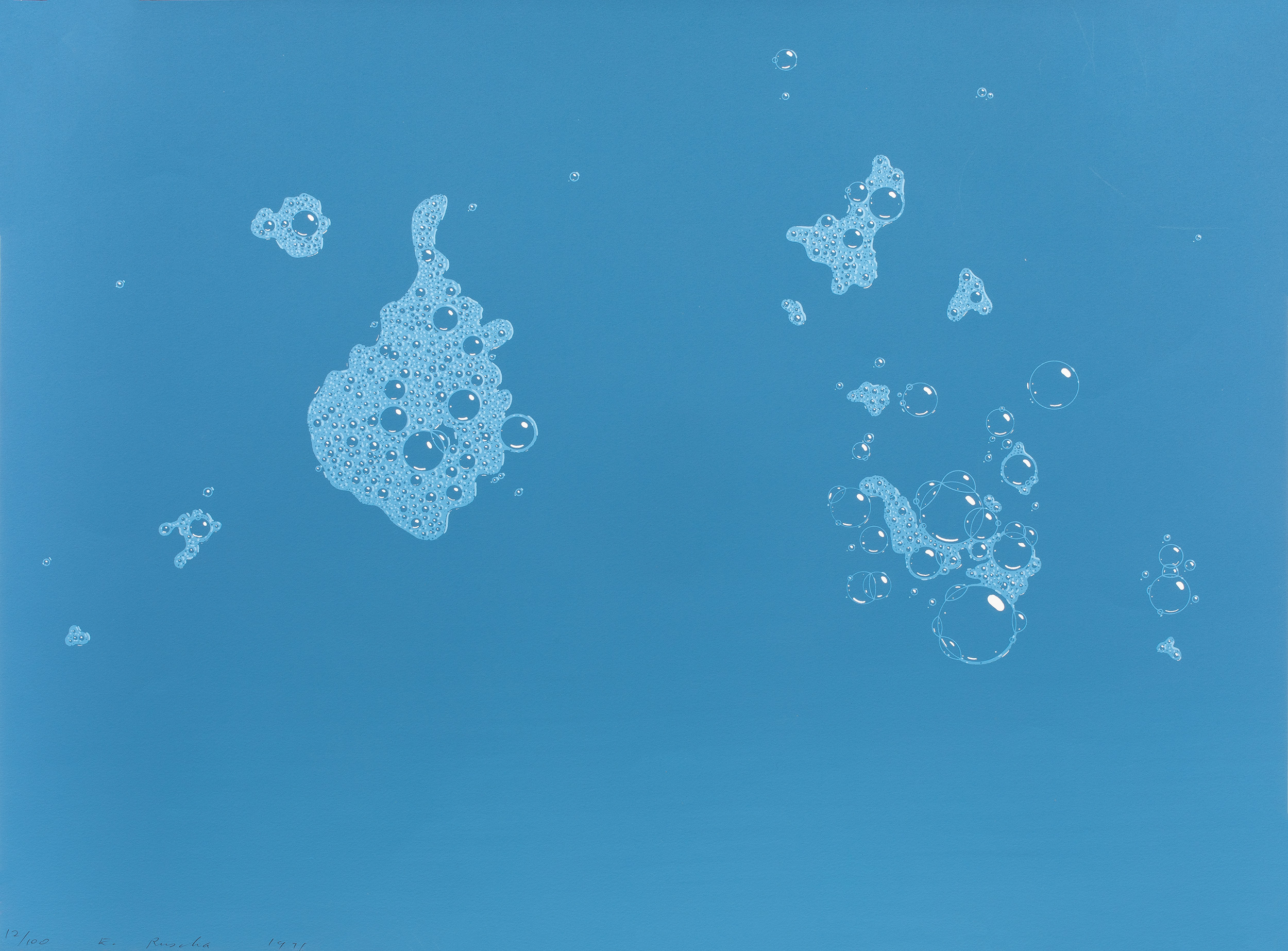
Ed Ruscha (American, b. 1937), Blue Suds, 1971, screenprint in colors, 18″ x 24″. Estimate: $2,000–$4,000
Clars Auctions is honored to have been selected by the Fine Arts Museums of San Francisco to present this distinguished group of works at auction. The relationship between Clars and the Museums is rooted in a shared commitment to connoisseurship, stewardship, and public trust. As one of the West Coast’s leading full-service auction houses, Clars brings decades of expertise in handling significant institutional property and in connecting important works of art with discerning collectors.
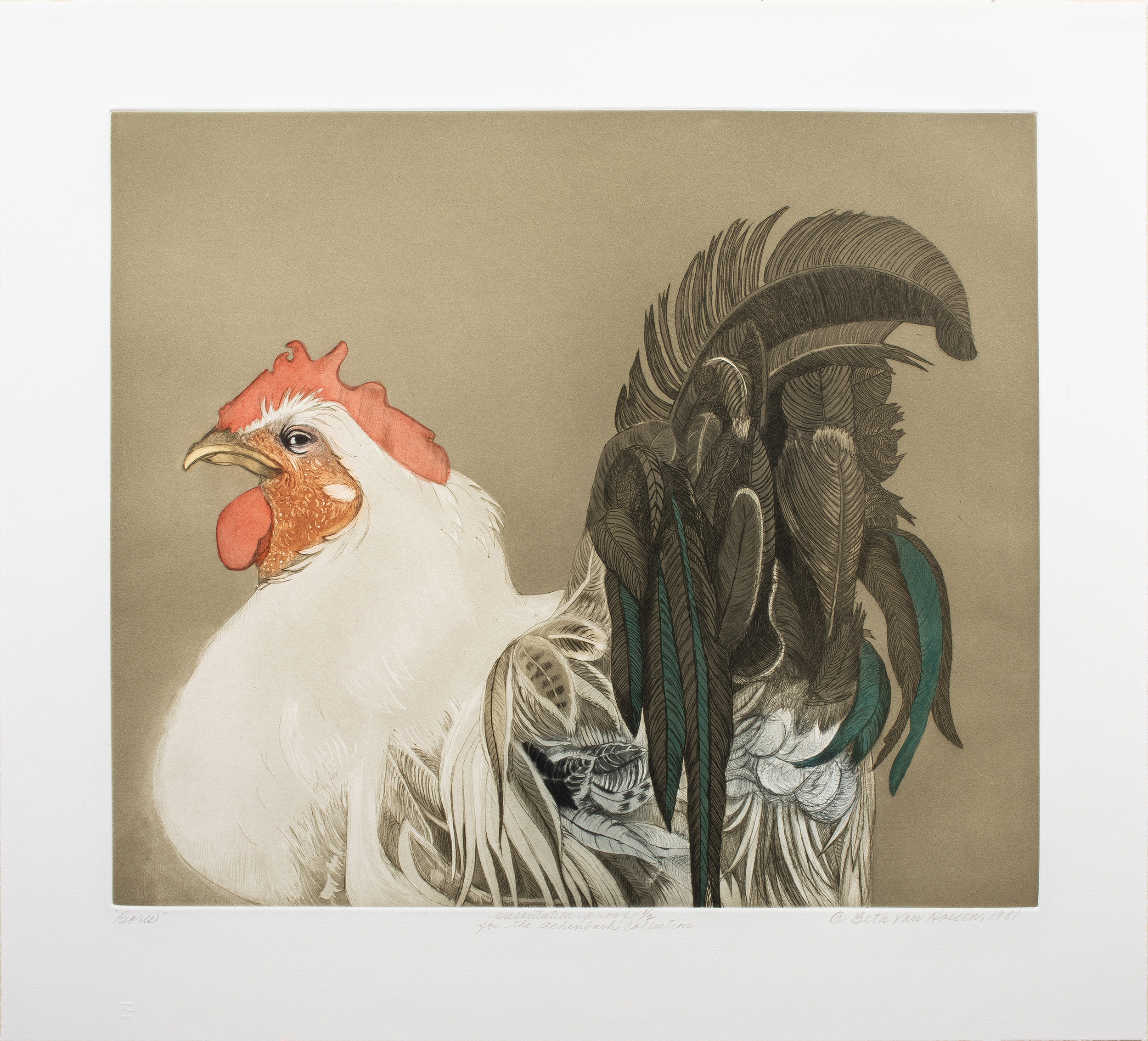
Beth van Hoesen (American, 1926–2010), Boris, 1981 aquatint, etching and drypoint with watercolor, 15.44″ x 17.94″. Estimate: $800–$1,200 (1 of 5 to be offered)
Being entrusted with property that benefits the Acquisition Fund of the Achenbach Foundation for Graphic Arts underscores Clars’ reputation for scholarship, market leadership, and integrity. Proceeds from the March 19th auction will directly support future acquisitions, strengthening the Foundation’s ability to expand and preserve its renowned collection of works on paper for generations to come.
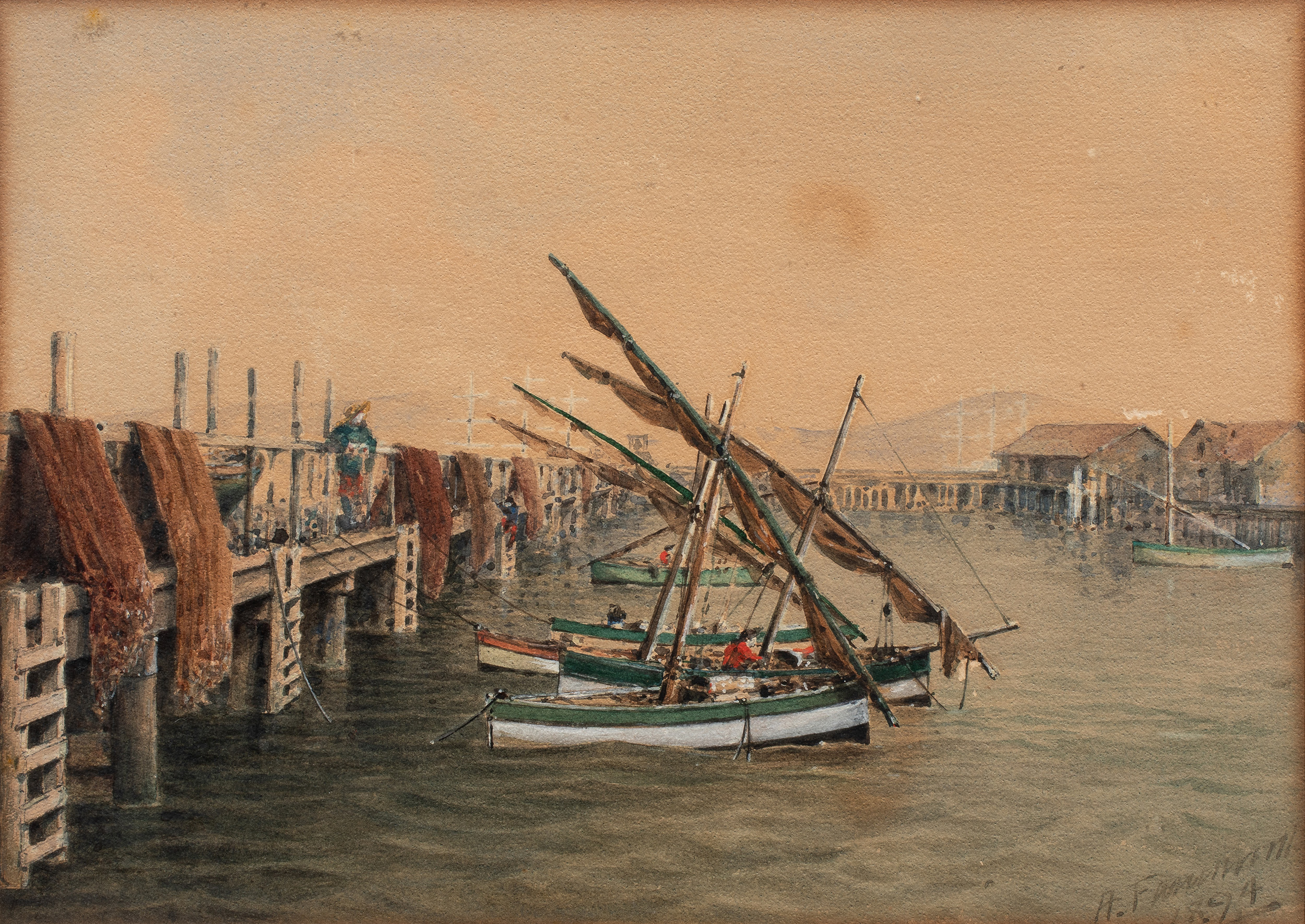
Alfred V. Farnsworth (American, 1858–1908), Fisherman’s Wharf, San Francisco, 1894, watercolor, 9.63″ x 13.63″. Estimate: $500–$700
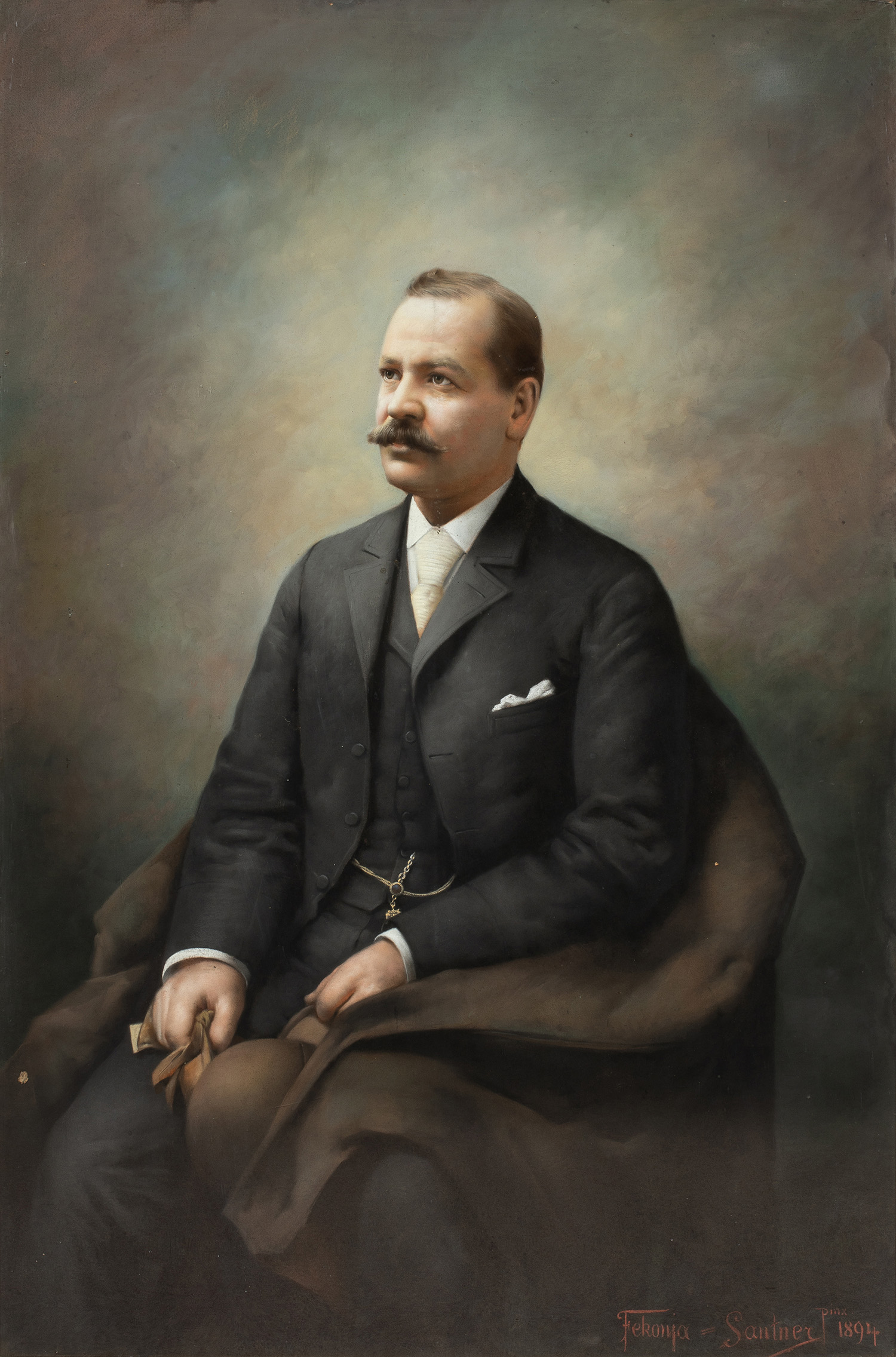
Honorable M. H. de Young, 1894, pastel colored photographic enlargement, 63.5″ x 43″. Estimate: $500–$700
“This sale represents a meaningful collaboration between our institution and one of the country’s most respected museums,” said Rick Unruh, CEO and President of Clars Auctions.
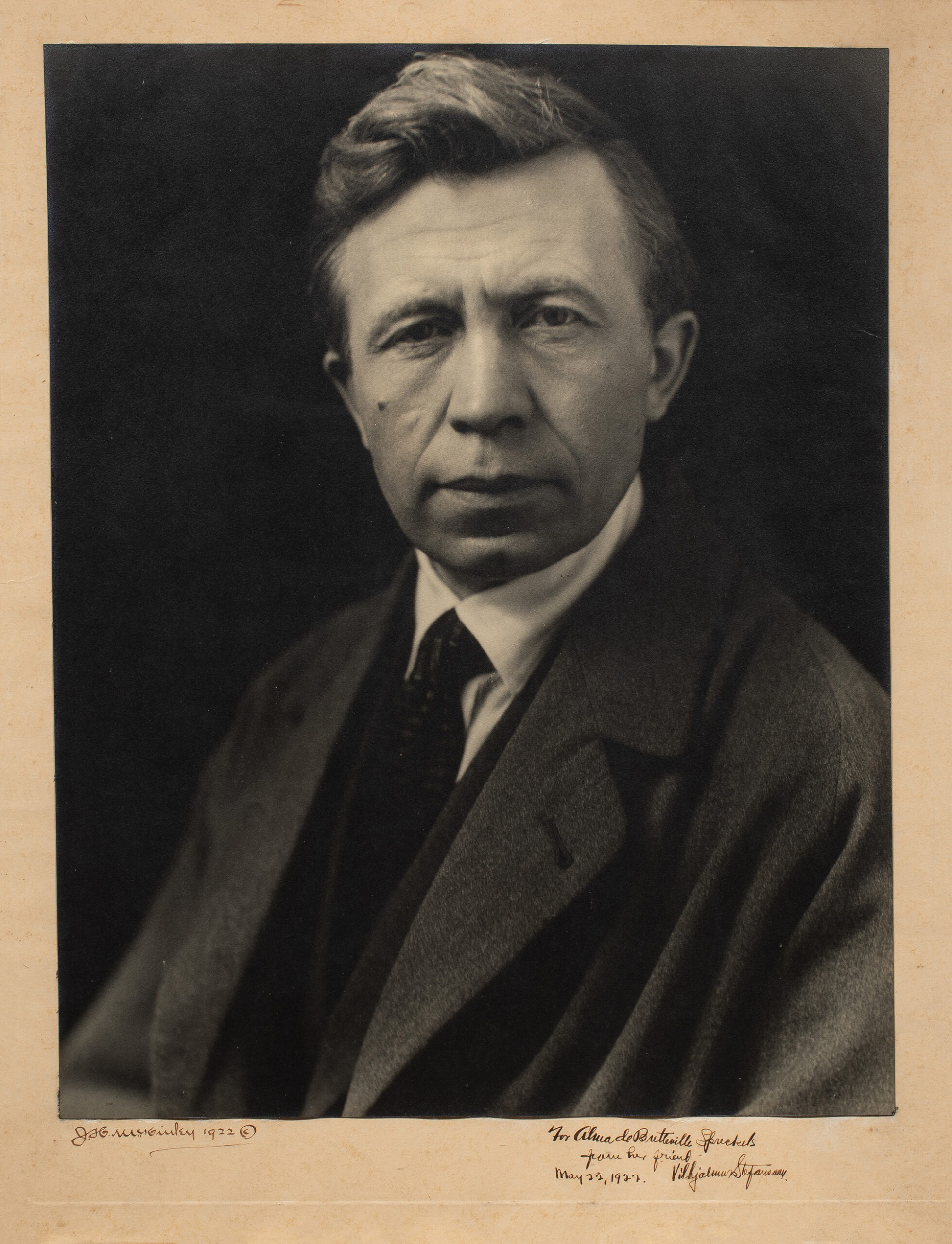
Portrait of the Arctic explorer, Vilhjalmur Stefansson, 1922, gelatin silver print, 25″ x 20″. Estimate: $400–$600
“We are proud to play a role in furthering the Achenbach Foundation’s mission while offering collectors an extraordinary opportunity to own works that embody the rich artistic legacy of California.”
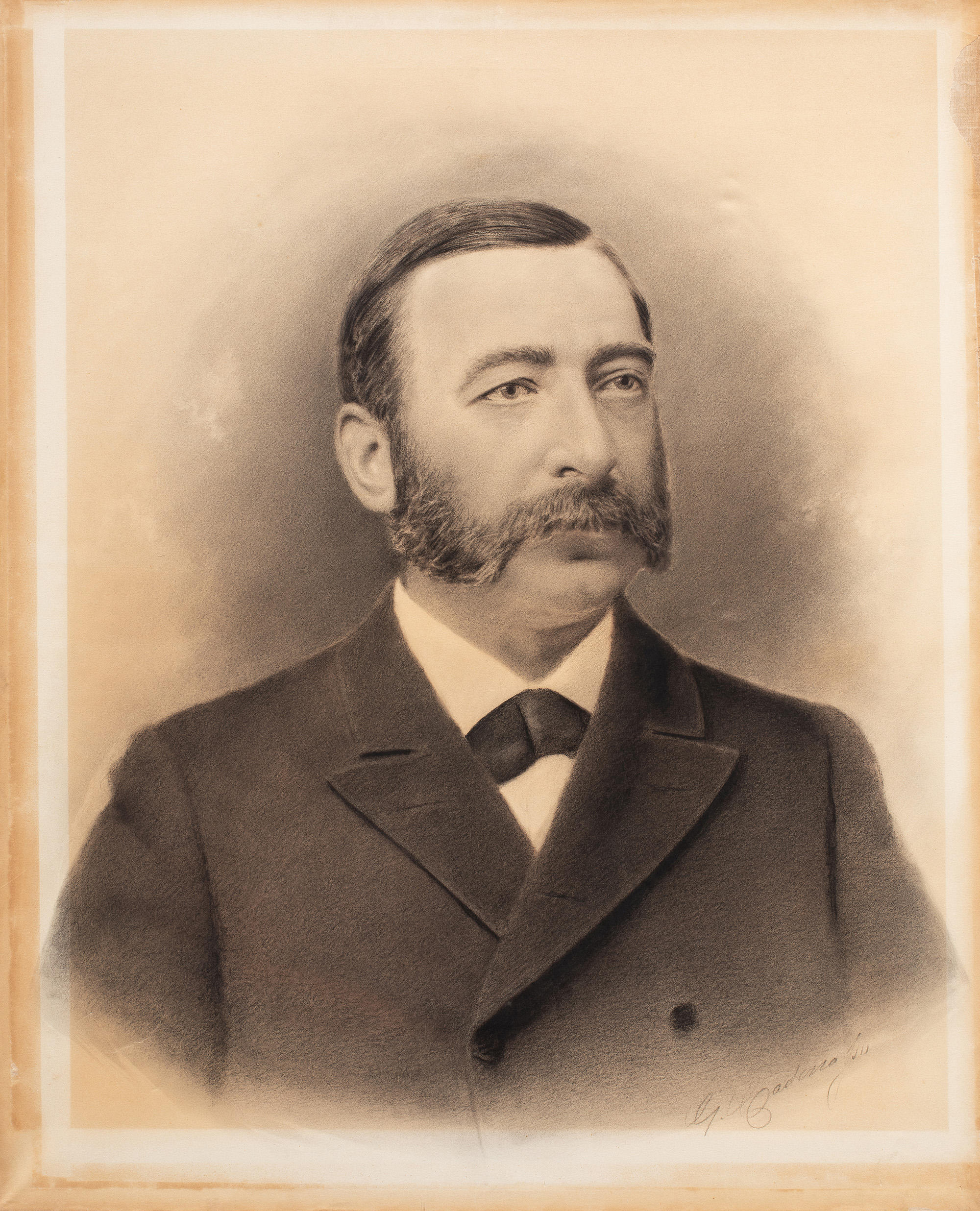
Giuseppe Cadenasso (American, 1858–1918), Portrait of Gustave Gump, charcoal on paper, 27″ x 22″. Estimate: $300–$500
Providing a compelling glimpse into San Francisco’s cultural and civic history, the collection features rare 19th-century portraiture depicting prominent politicians, influential businessmen, and notable figures of the Old California era. Historically significant Northern California landscapes, seascapes, and early San Francisco street scenes will also be presented.
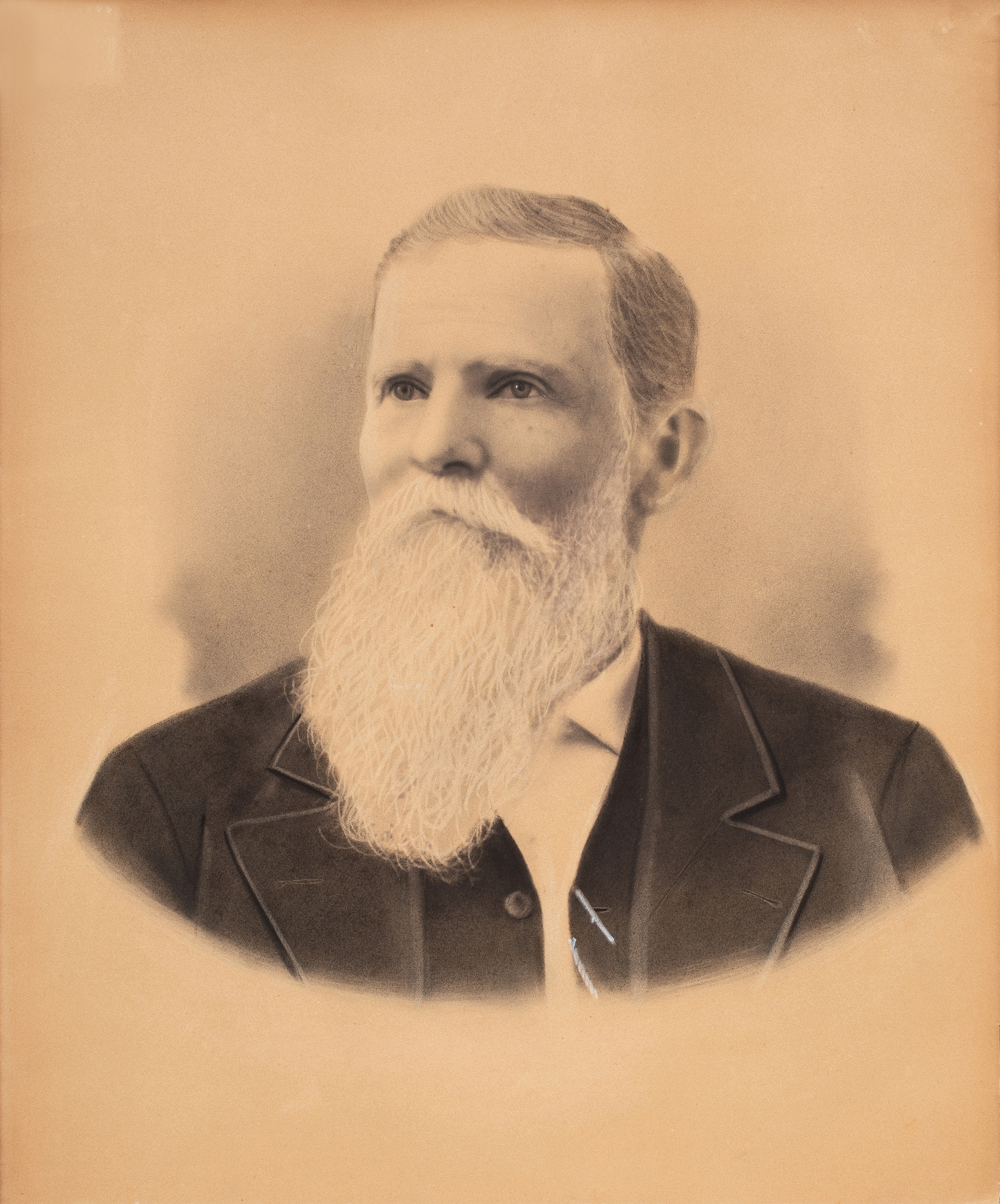
Portrait of Nathaniel Jones (member of the Donner Party), crayon on paper, 22.06″ x 17.93″. Estimate: $300–$500
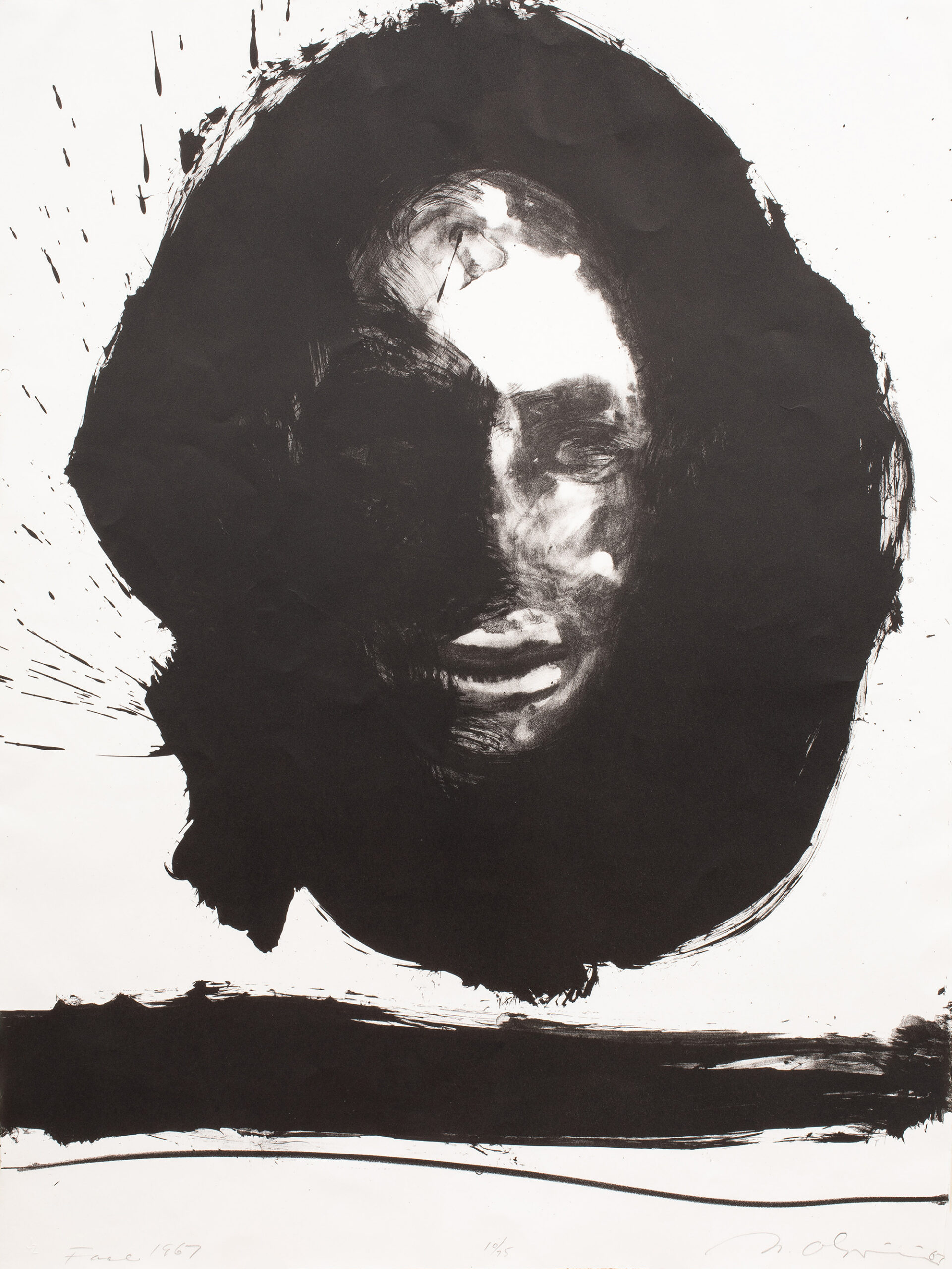
Collectors of modern and contemporary art will find works by important late 20th-century West Coast artists, including Ed Ruscha, Nathan Oliveira, William T. Wiley, Robert Bechtle, and Beth Van Hoesen.
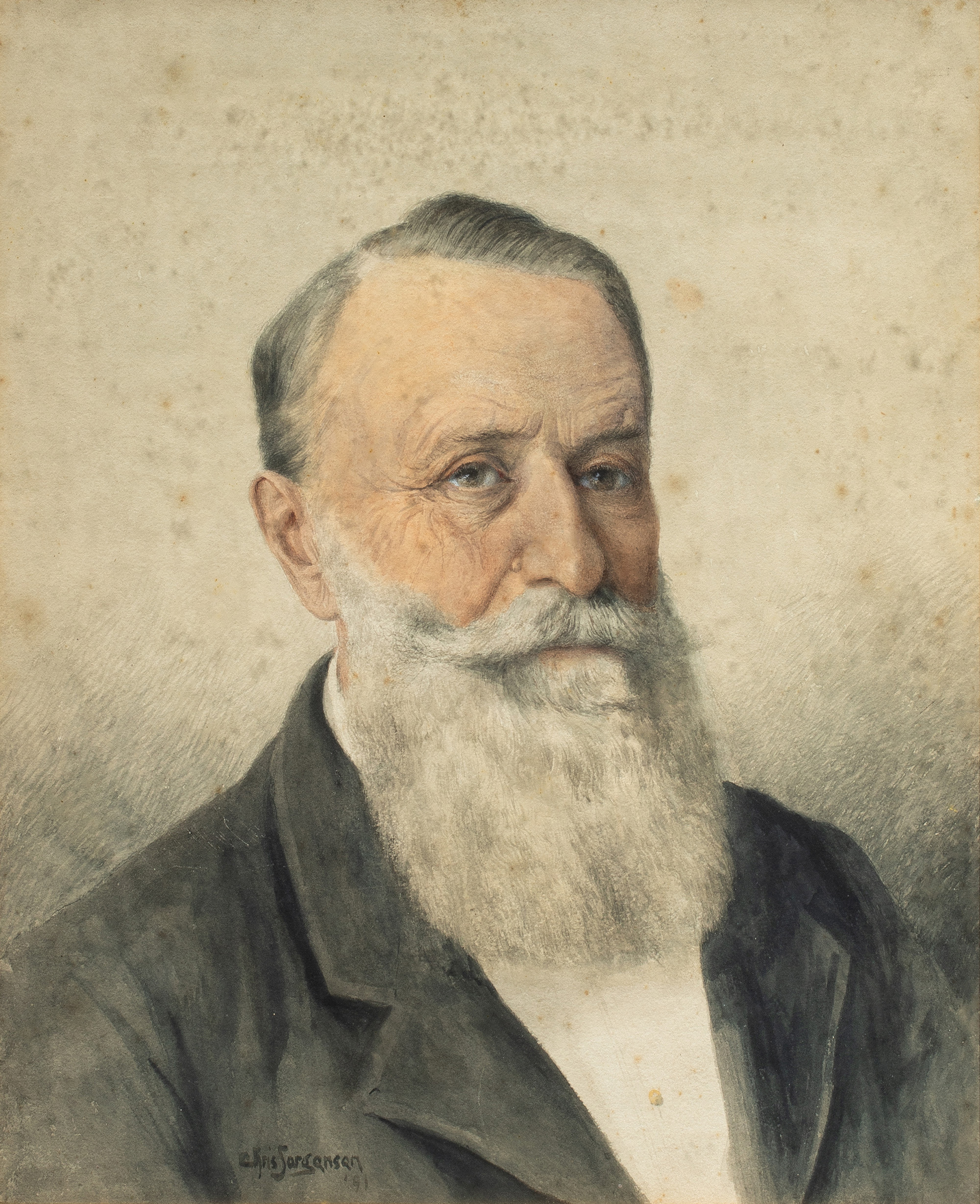
Christian Jorgensen (American, 1859–1935), Portrait of Domingo Ghirardelli, pastel, 28″ x 24.5″. Note: Domenico Domingo Ghirardelli (1817–1894) was an Italian-born chocolatier who was the founder of the Ghirardelli Chocolate Company in San Francisco, California. Estimate: $300–$500
The auction will take place live on Thursday, March 19th, with bidding available in person, by phone, absentee, and online.
The Asian Works of Art Auction on February 19th will feature a curated selection of Chinese and Japanese works.
Asian Art
Highlights
Now Seeking Consignments
Consignments
Stories & News
Incredible prices are being achieved at auction—if you’ve ever considered selling, now is the time. Clars Auctions is currently seeking quality consignments for its upcoming monthly auctions.
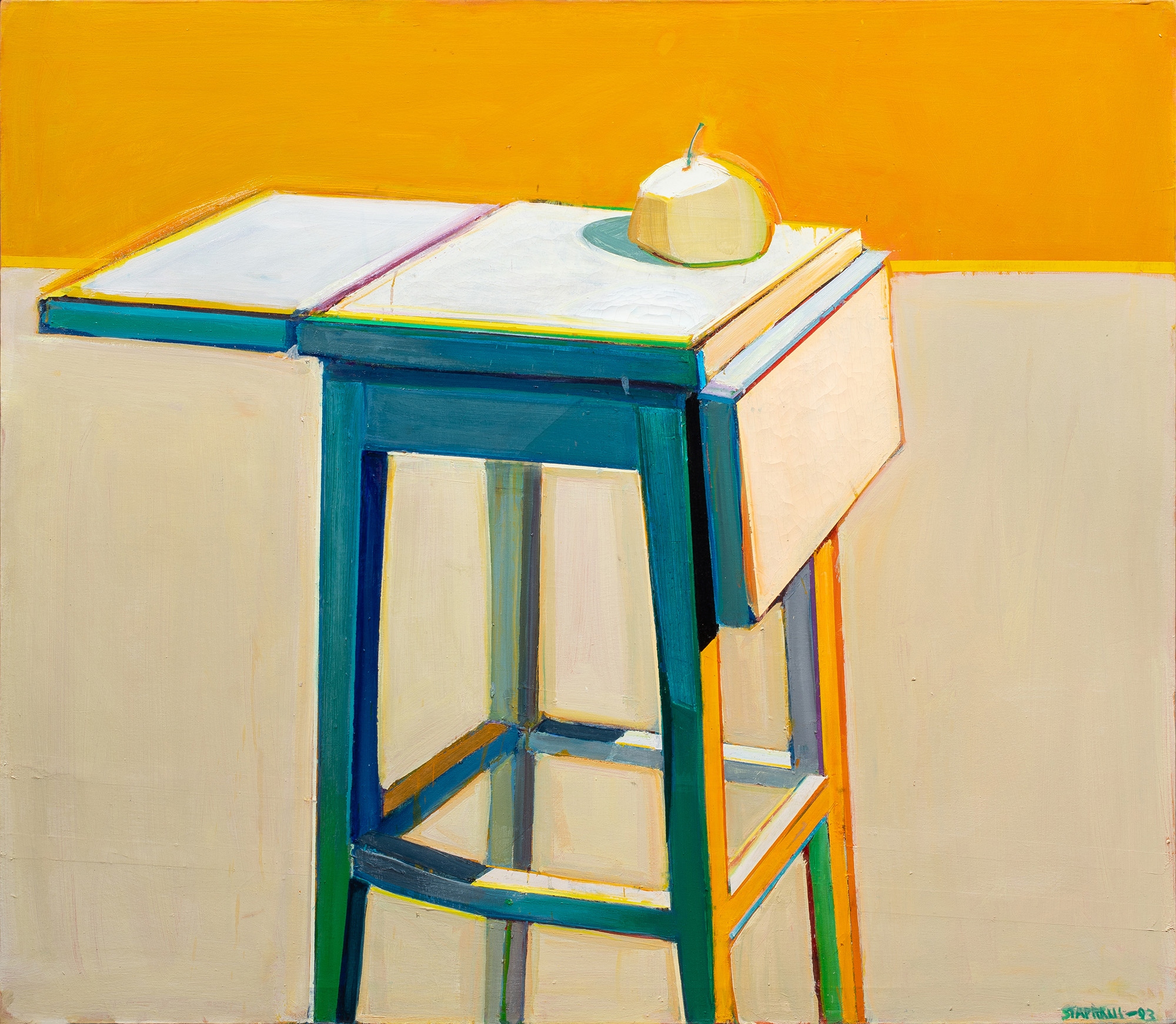
Raimonds Staprans (American/Latvian, b. 1926), The Mid Summer Drop-Leaf Table, 1993, oil on canvas, 48″ x 42″. Sold: $189,000
When a jade bangle bracelet or necklace fetches millions of dollars at auction, collectors worldwide wonder if their jade is also valuable. What is jade and where does it come from?
We are honored to present the rare and globally sourced bead and tribal art collection from the estate of Naomi Lindstrom on August 14th.
Estate Spotlight
Stories & News
Antique Diamonds: A Collector’s Auction Highlights
Fine Jewelry & Watches
Highlights
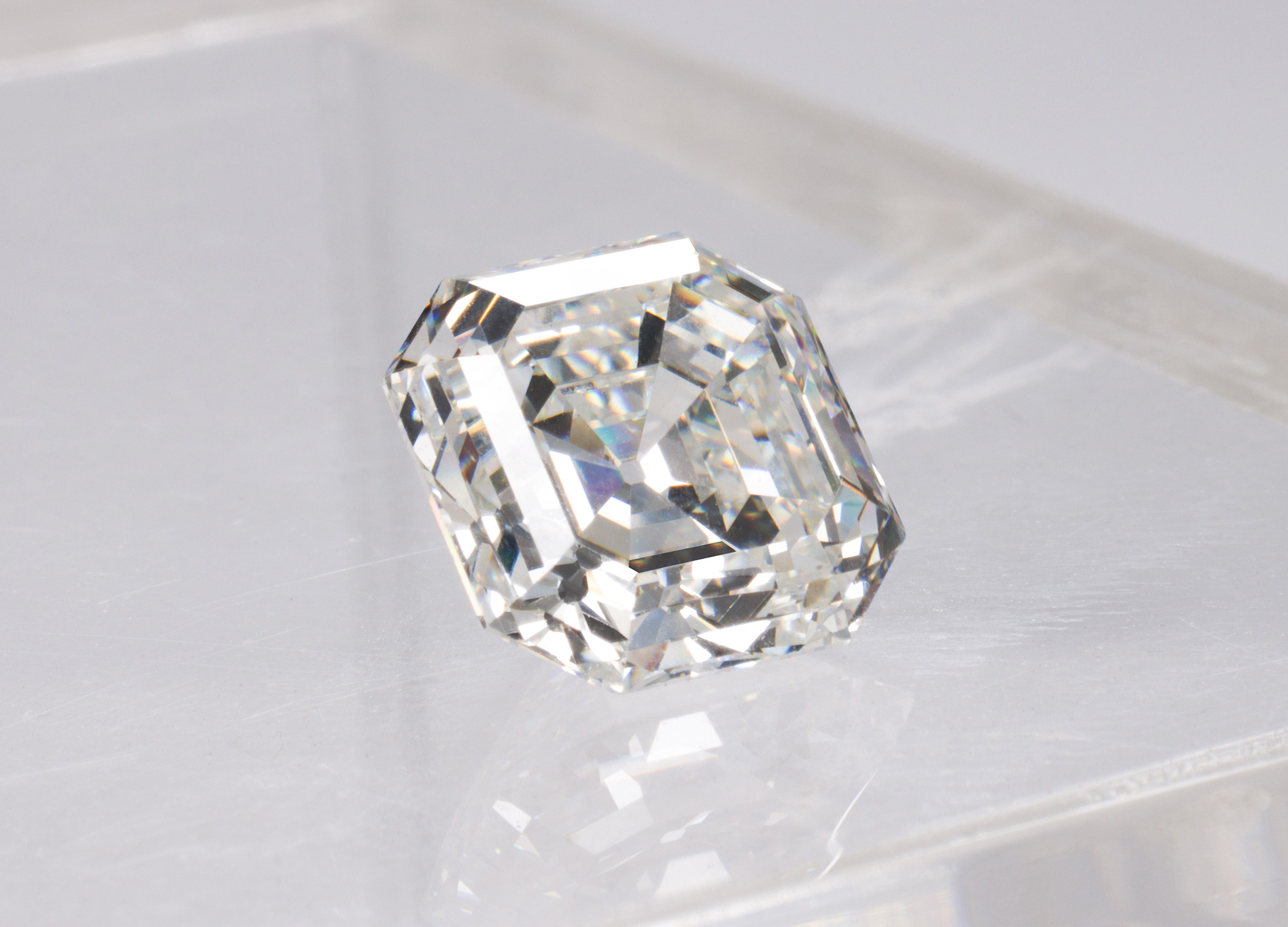
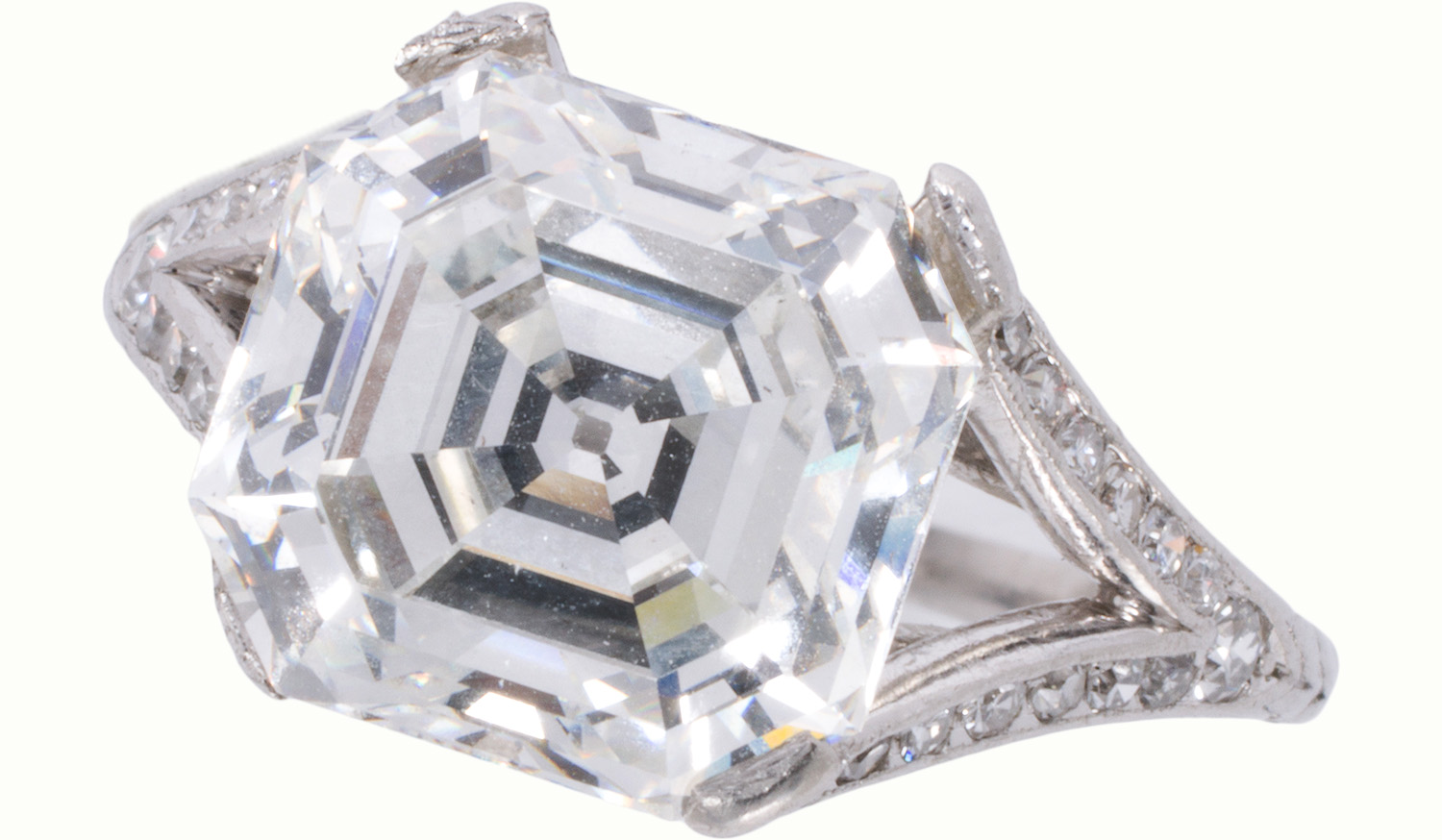
On March 19th at 2 PM PDT, Clars Auctions presents Antique Diamonds: A Collector’s Auction, led by an exceptional Art Deco platinum ring set with a 4.92-carat F color, VS2 clarity cut-cornered square step-cut diamond.
An Art Deco F, VS2 diamond and platinum ring. Estimate: $50,000–$70,000
The center stone is framed by 26 single-cut diamonds and delicate etched scrollwork, with an estimated total diamond weight of 5.20 carats and a gross weight of 4.85 grams — an elegant example of refined craftsmanship and design.
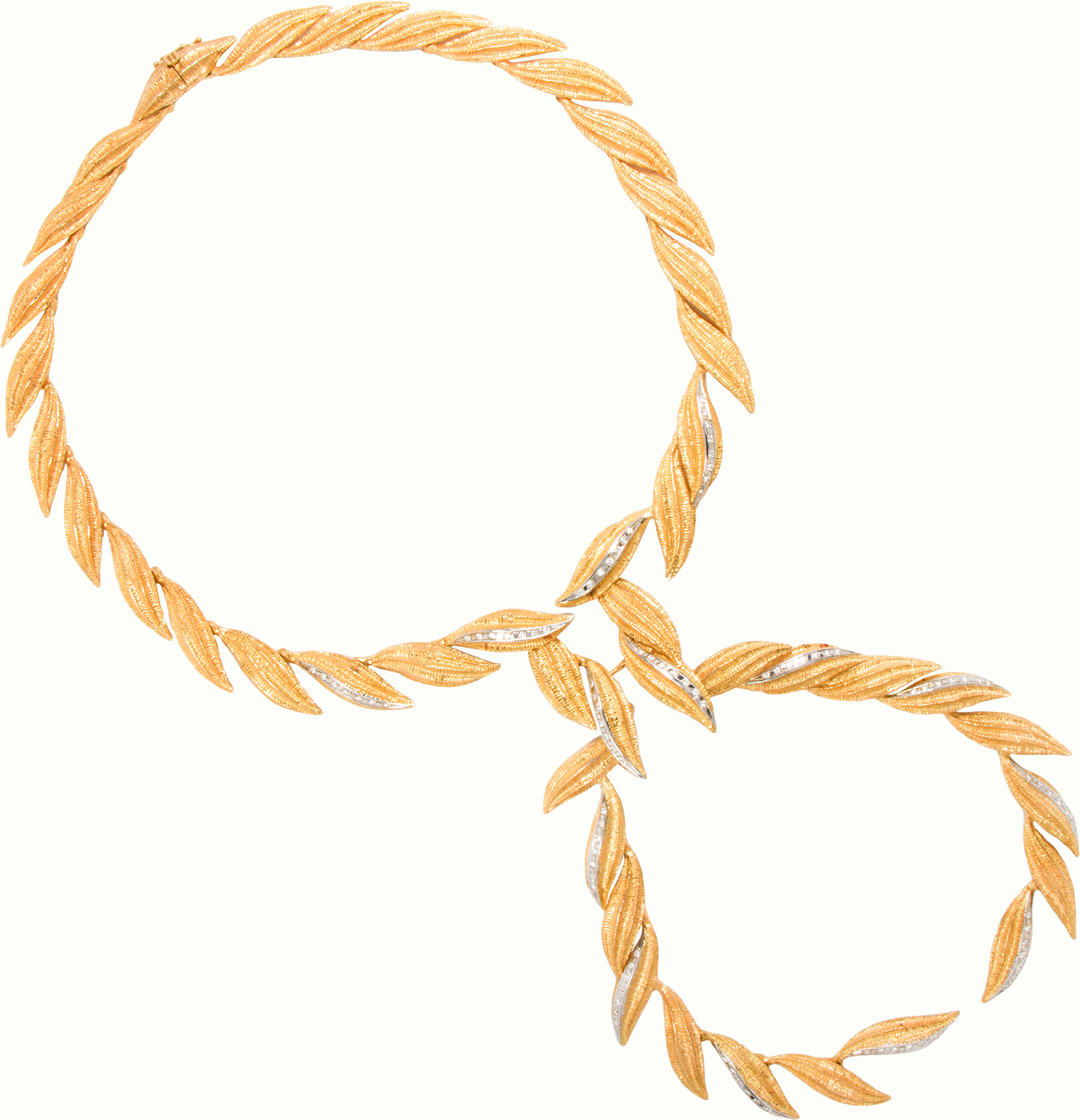
A Facadoro diamond and 18k gold opera necklace. Estimate: $25,000–$35,000
The sale also includes select Property from San Francisco Opera and a curated selection of antique and vintage jewelry. Highlights span the Georgian, Victorian, Art Deco, and Retro periods, featuring diamond solitaires, colored gemstone jewels, and finely crafted gold pieces that reflect the distinctive character of their eras.
An Antique sapphire and 18k ankle bracelet. Estimate: $10,000–$15,000
Among the standout pieces is a dramatic Facadoro diamond and 18k gold opera-length necklace, notable for its scale and sophistication. From important antique diamonds to distinctive twentieth-century designs, this March auction offers collectors and new buyers alike the opportunity to acquire rare jewelry defined by quality, presence, and enduring appeal.
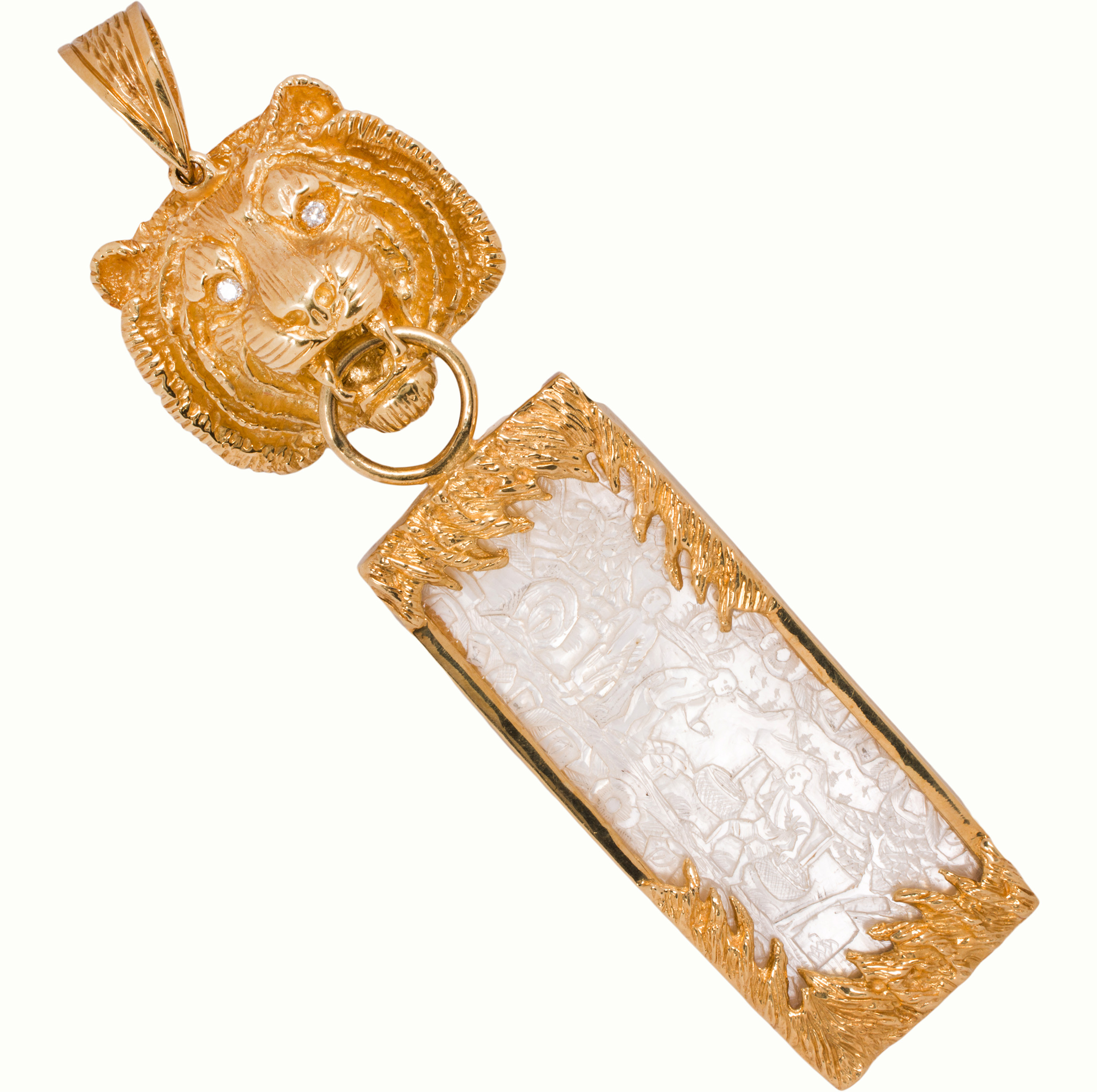
An 1840s Chinese mother of pearl gambling token and 18k gold pendant. Estimate: $8,000–$12,000
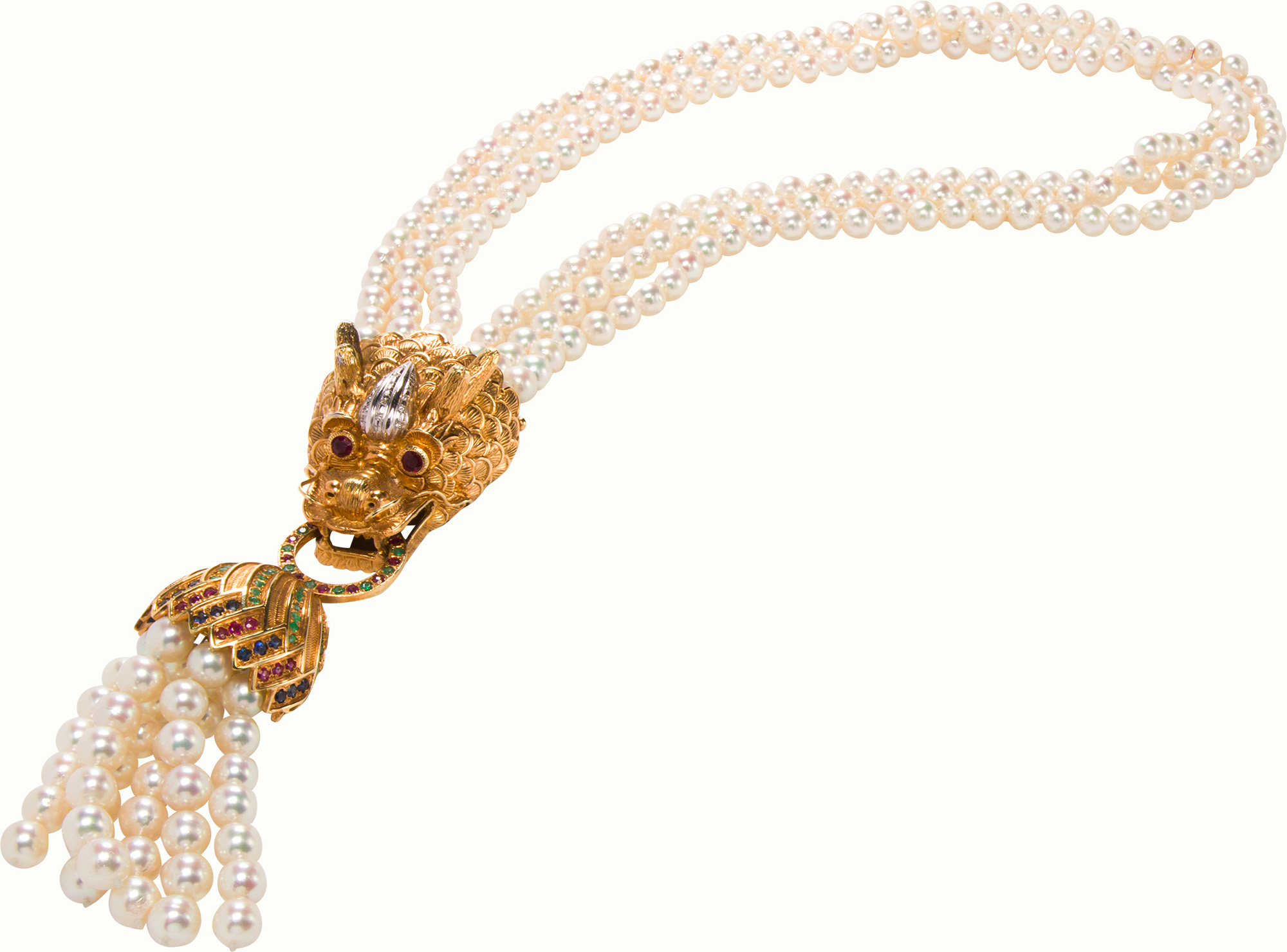
A gemstone, pearl and 14k gold dragon head necklace. Estimate: $5,000–$7,000
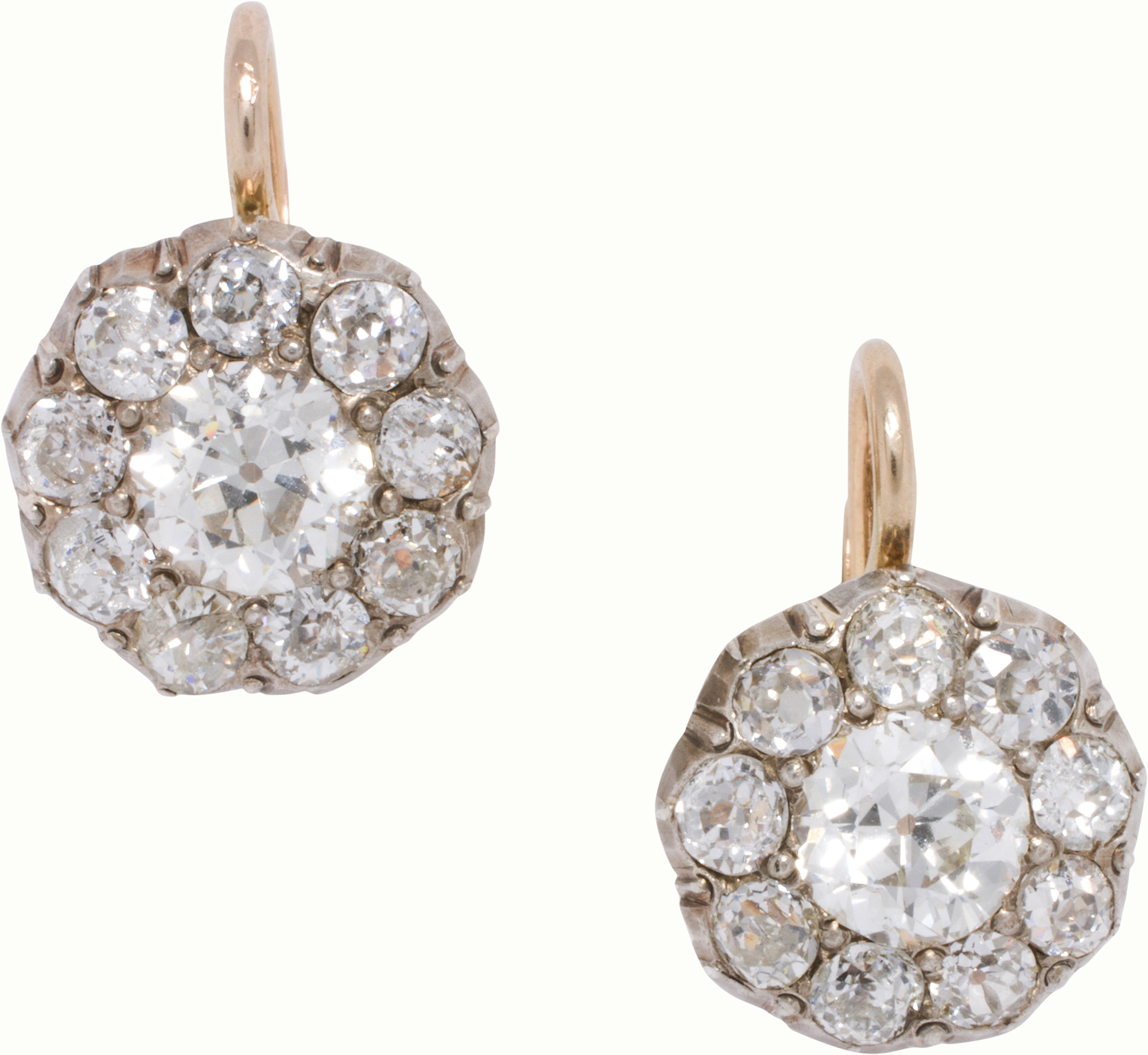
A pair of antique diamond and silver-topped 14k gold earrings. Estimate: $3,000–$5,000
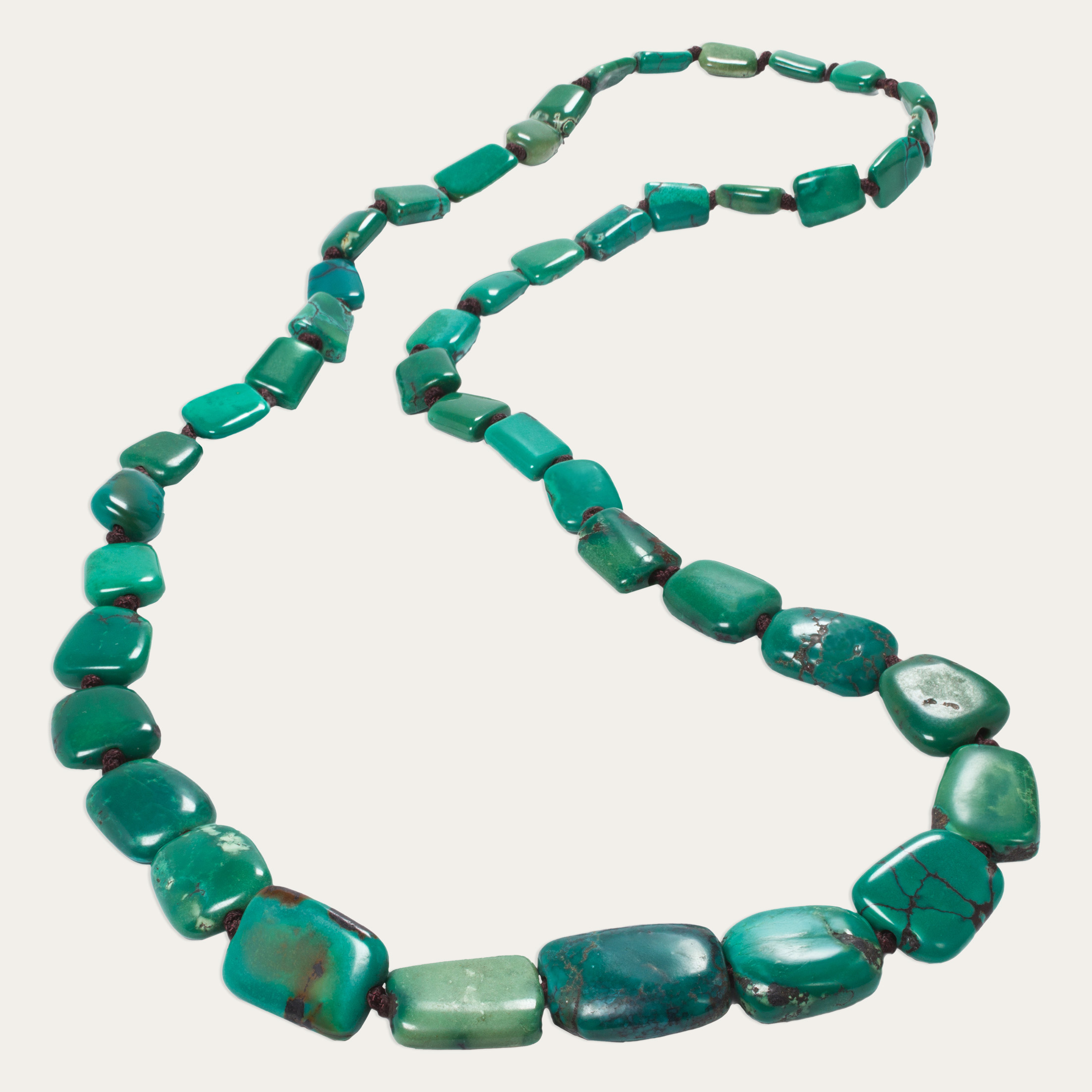
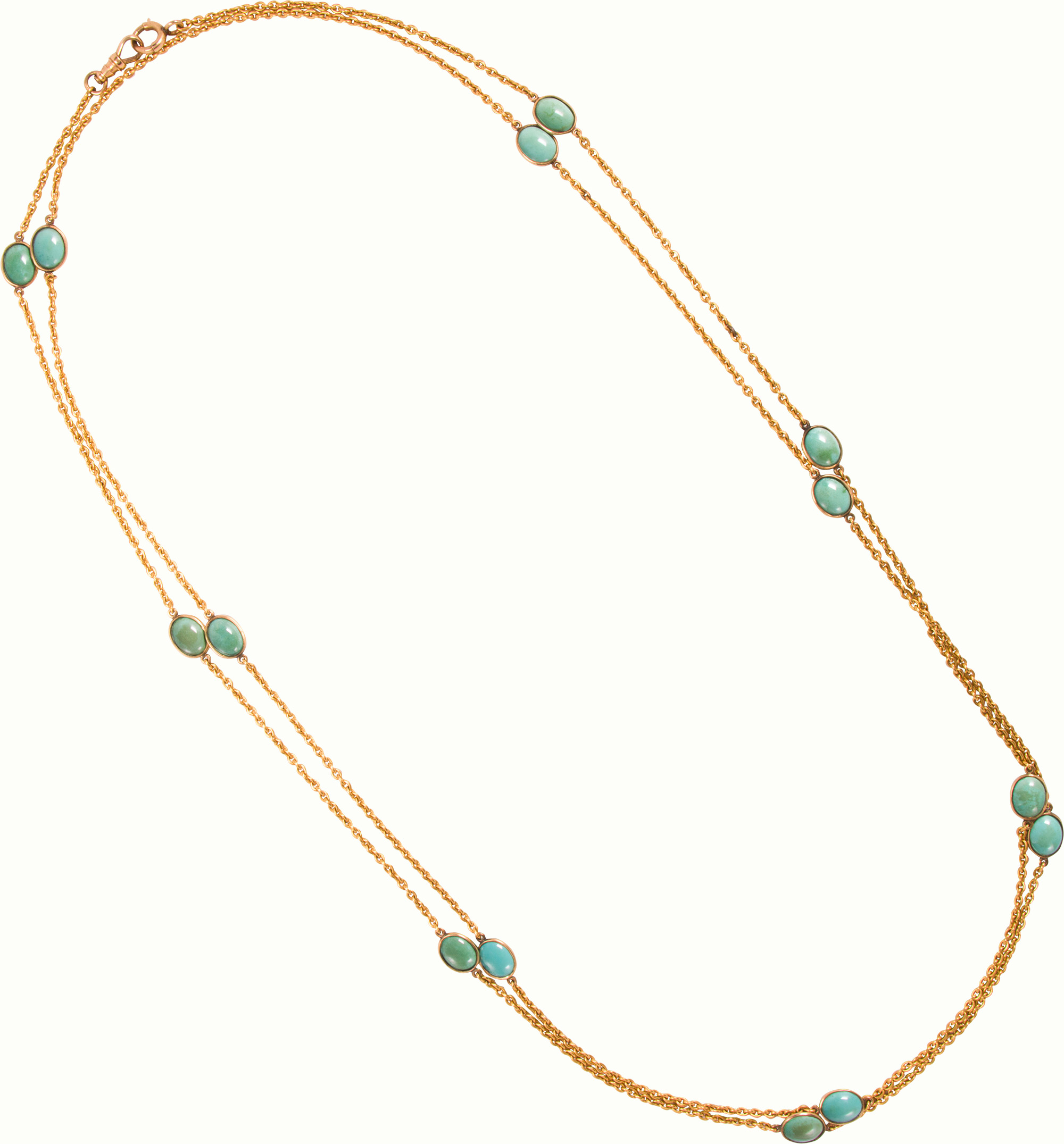
An antique turquoise and 14k gold longchain. Estimate: $2,500–$3,500
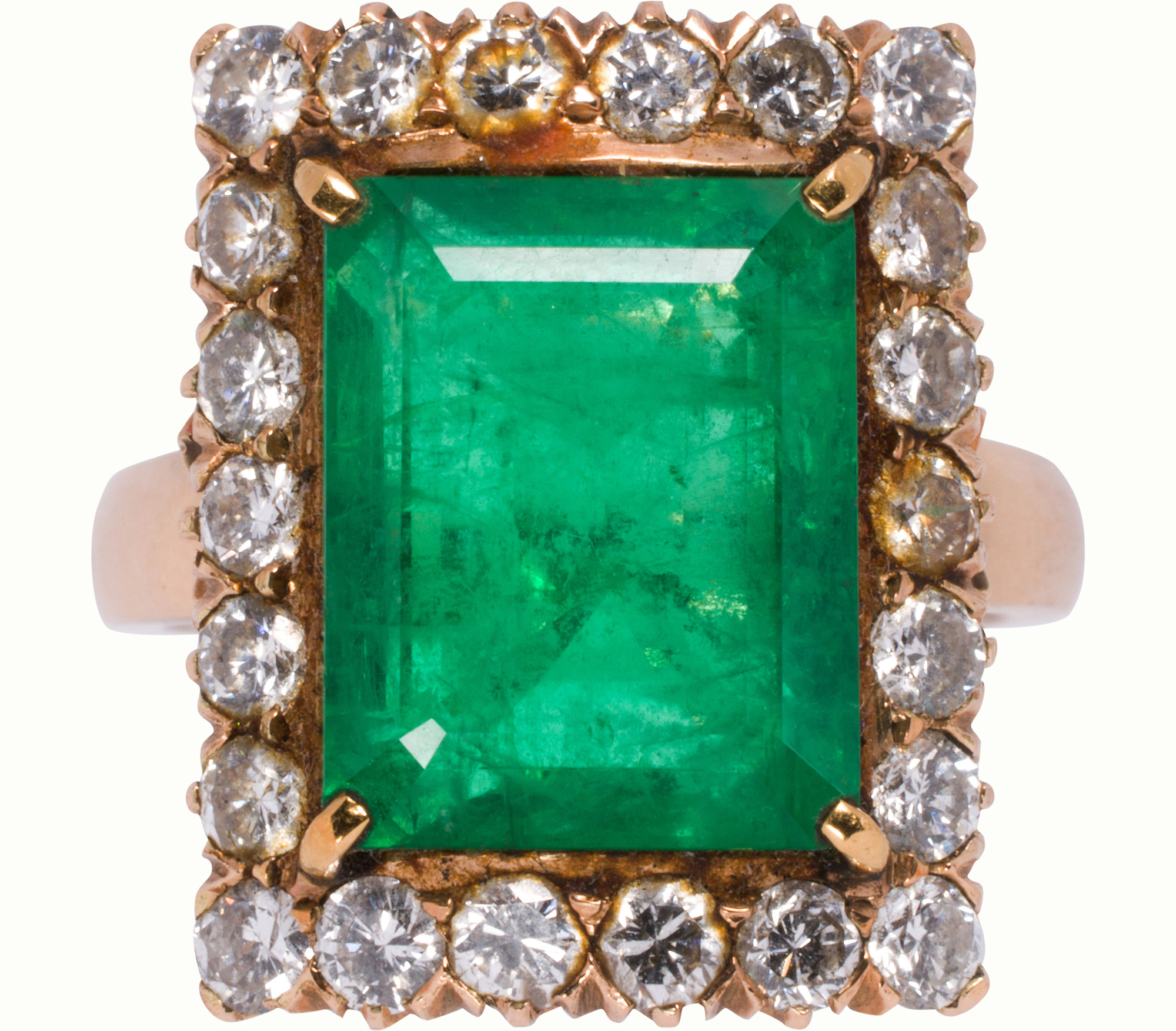
An emerald, diamond, and 14k gold ring. Estimate: $2,500–$3,500
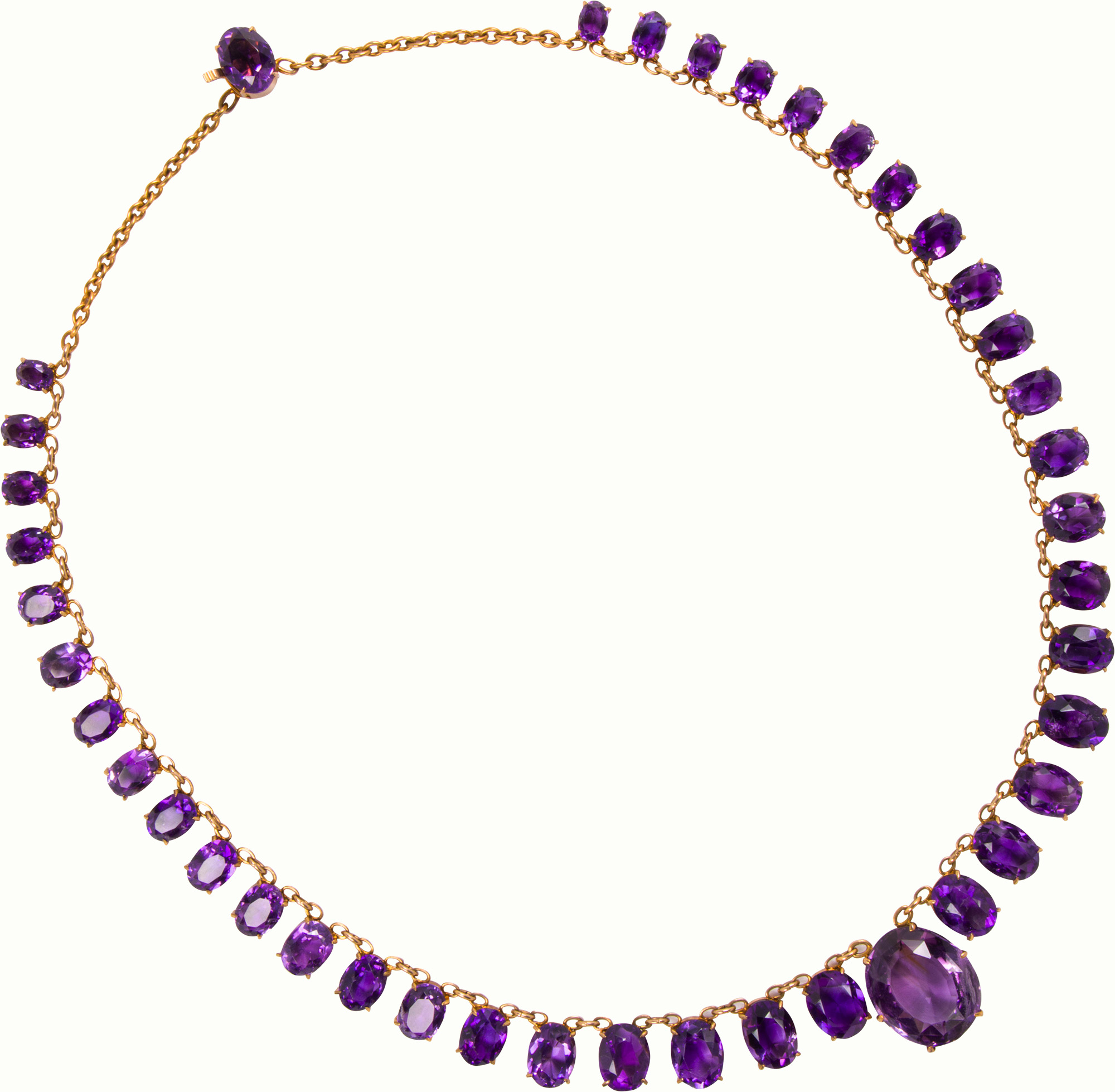
An antique amethyst and 10k gold necklace. Estimate: $2,000–$3,000
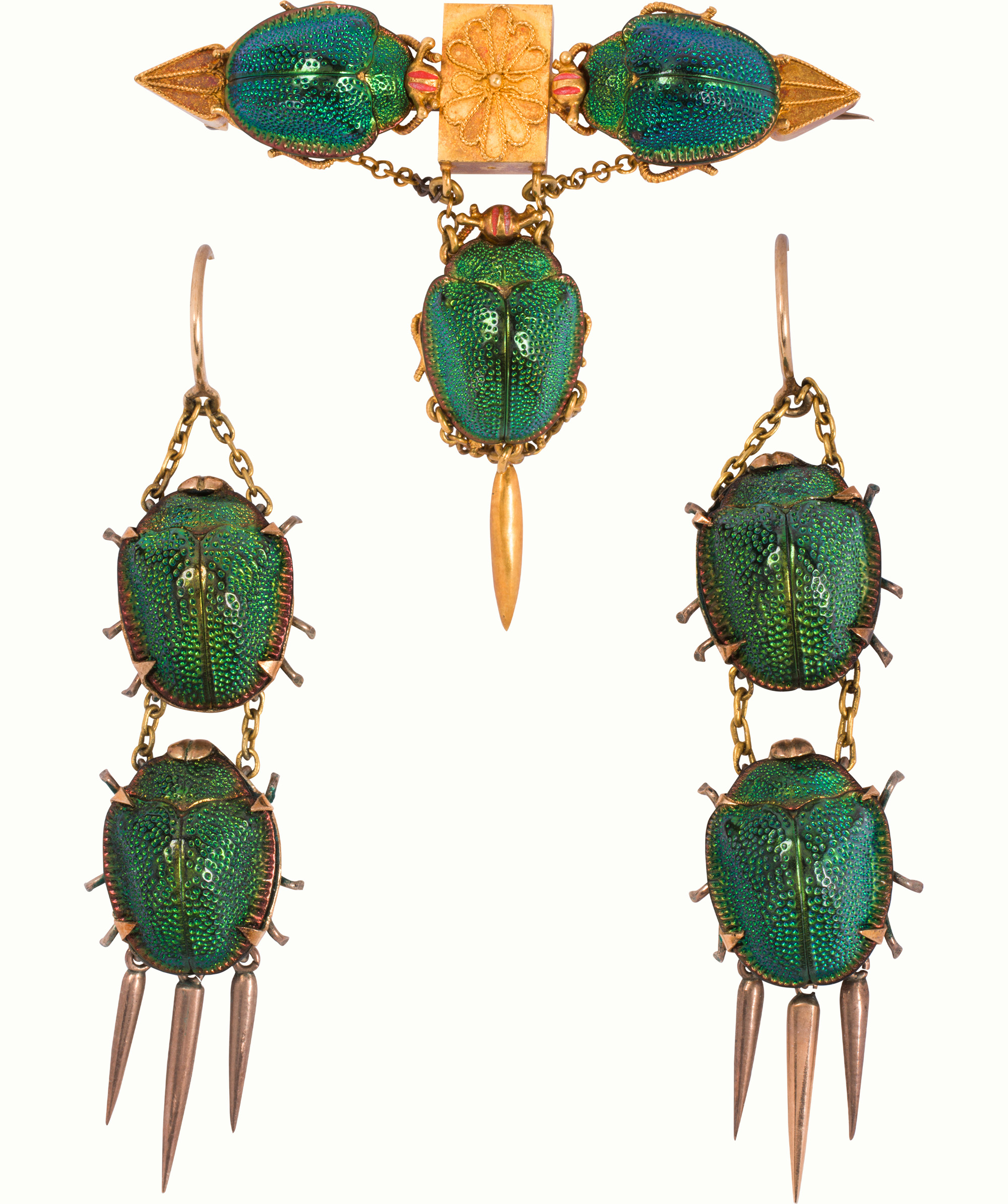
A Victorian scarab beetle and gold jewelry set. Estimate: $1,500–$2,500
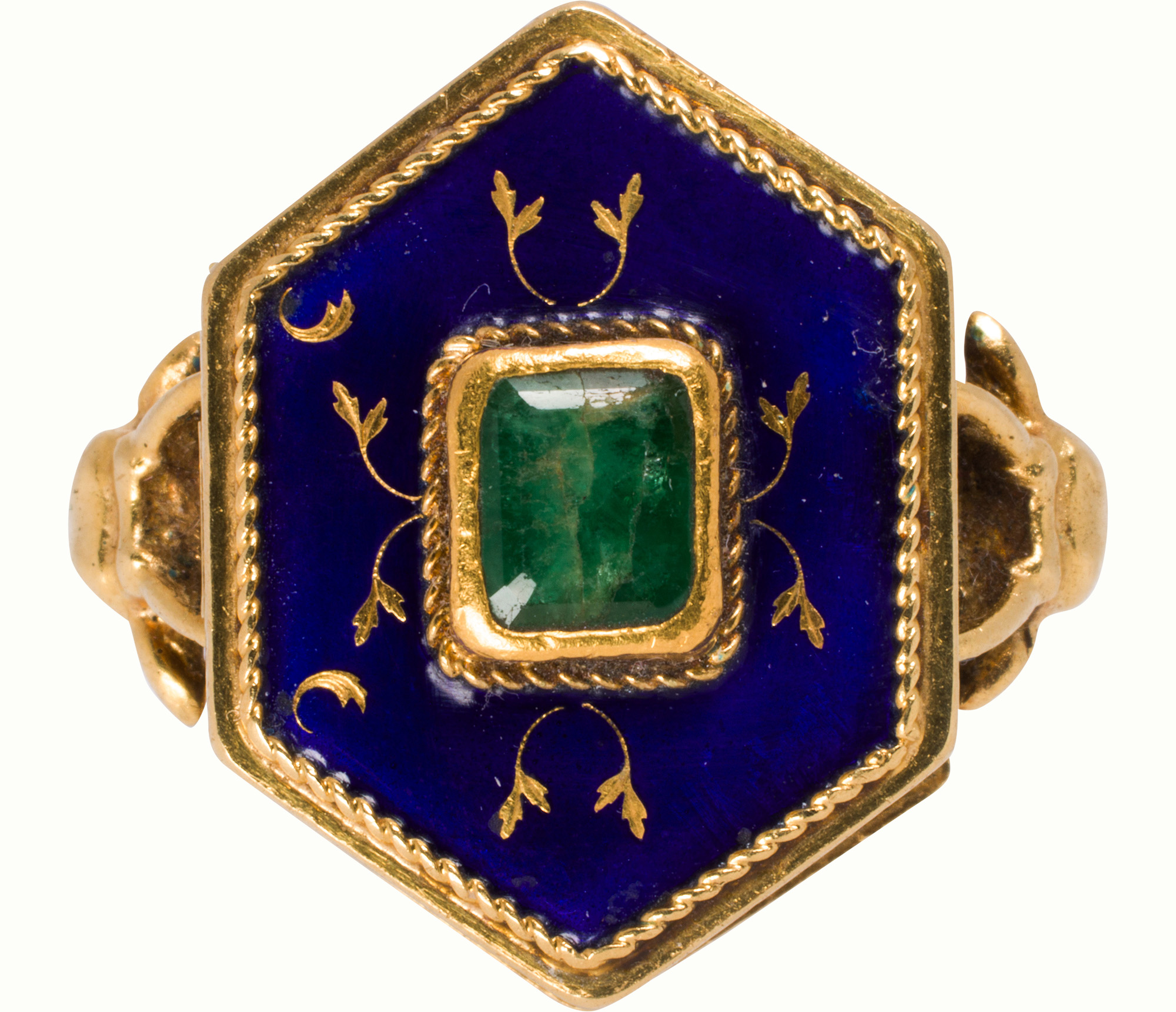
A Victorian emerald, enamel and 18k gold poison ring. Estimate: $1,500–$2,500
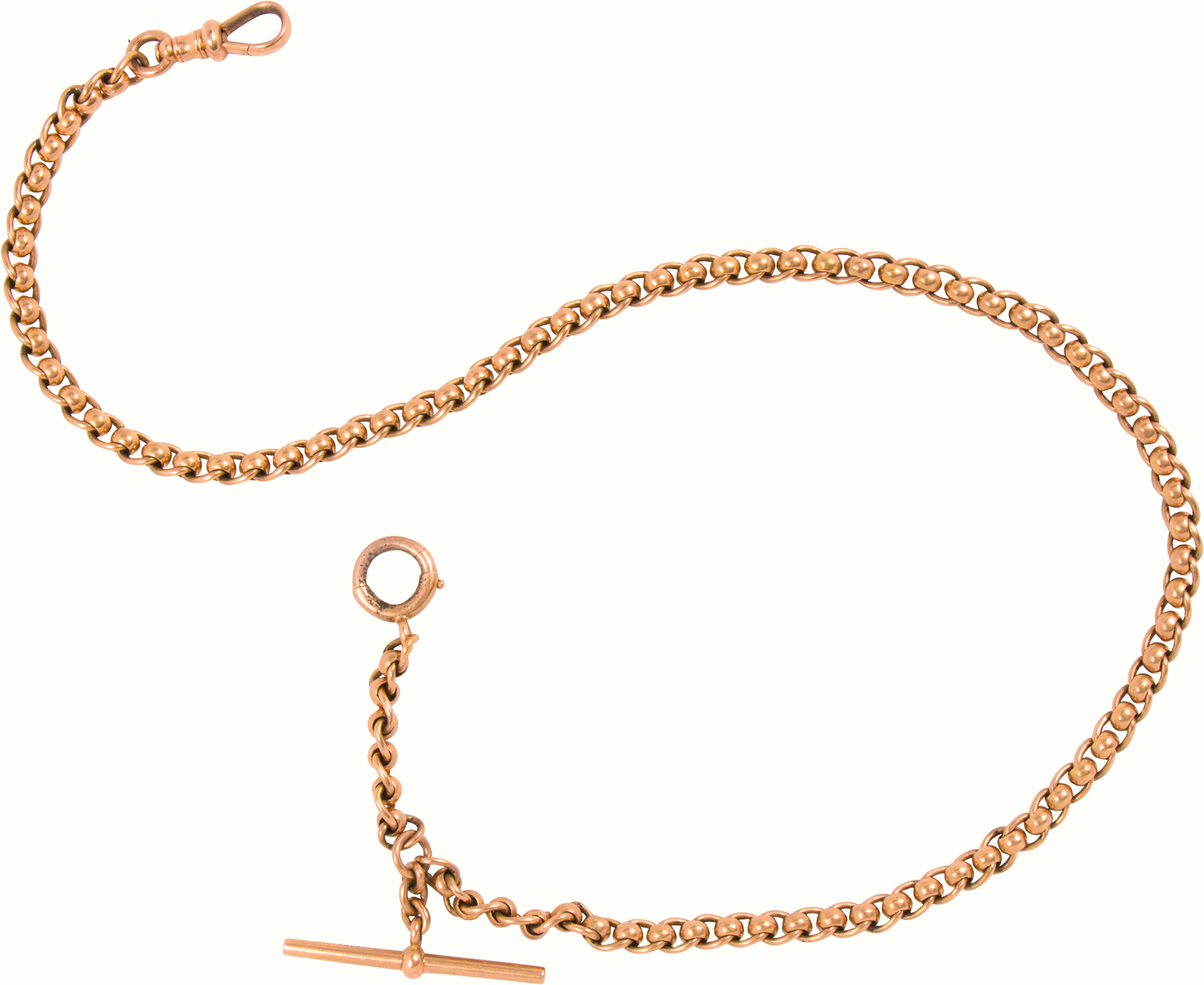
An antique 15k gold watch chain and fob. Estimate: $1,000–$2,000
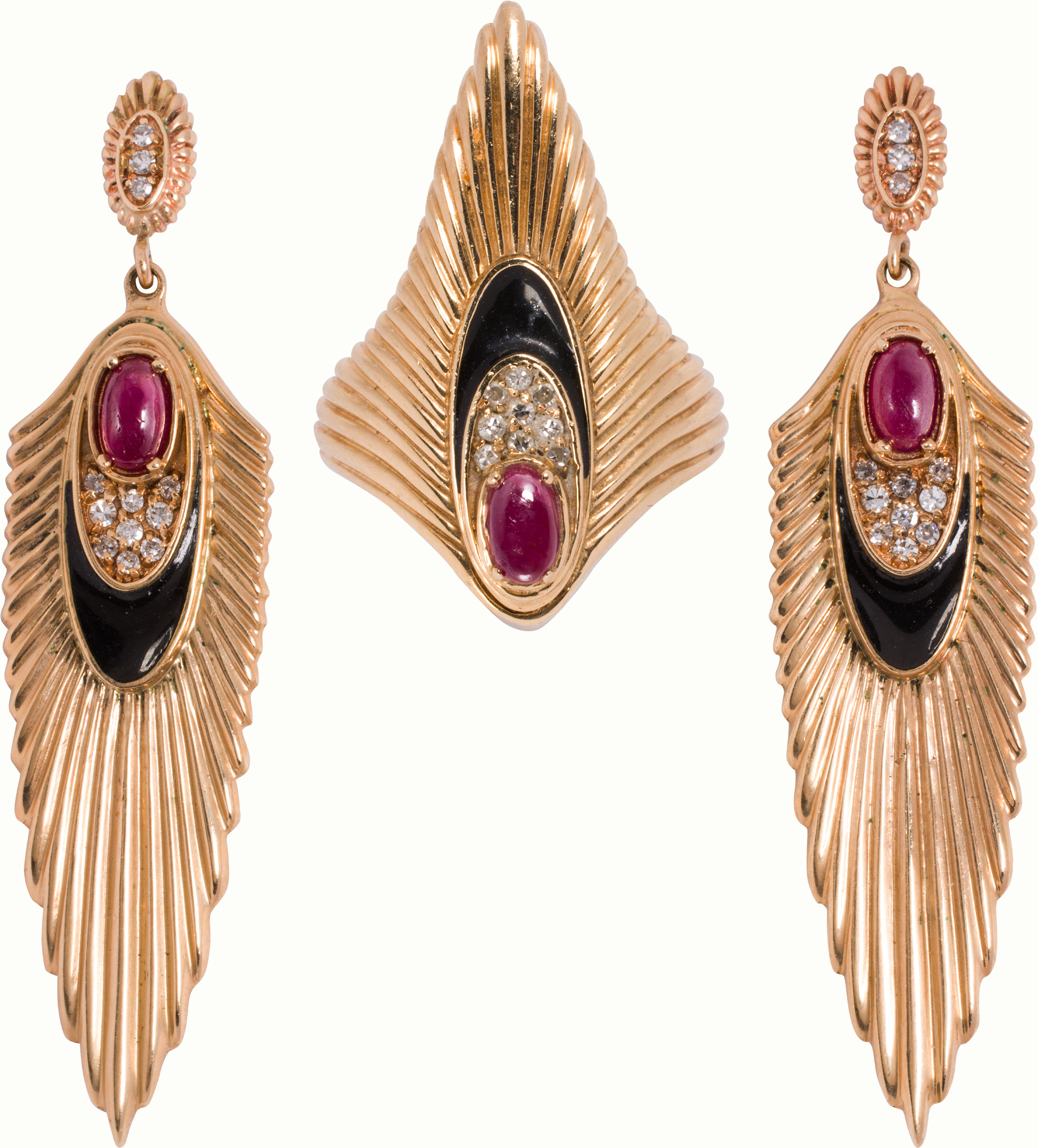
An Erte ruby, diamond and 14k gold Rayonnement ring and earring set. Estimate: $1,000–$2,000
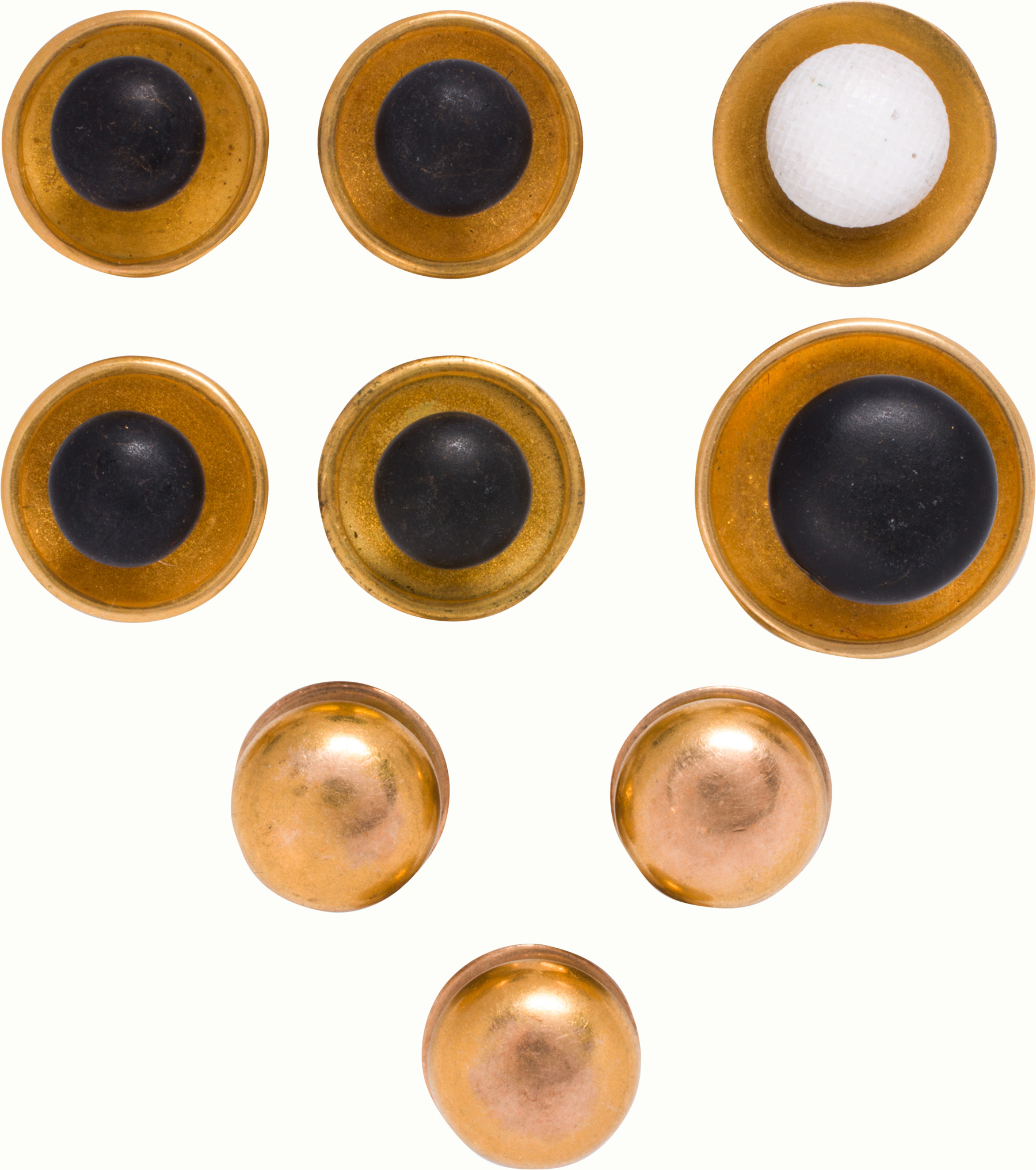
A group of Tiffany & Co. enamel and 18k gold studs. Estimate: $700–$1,000
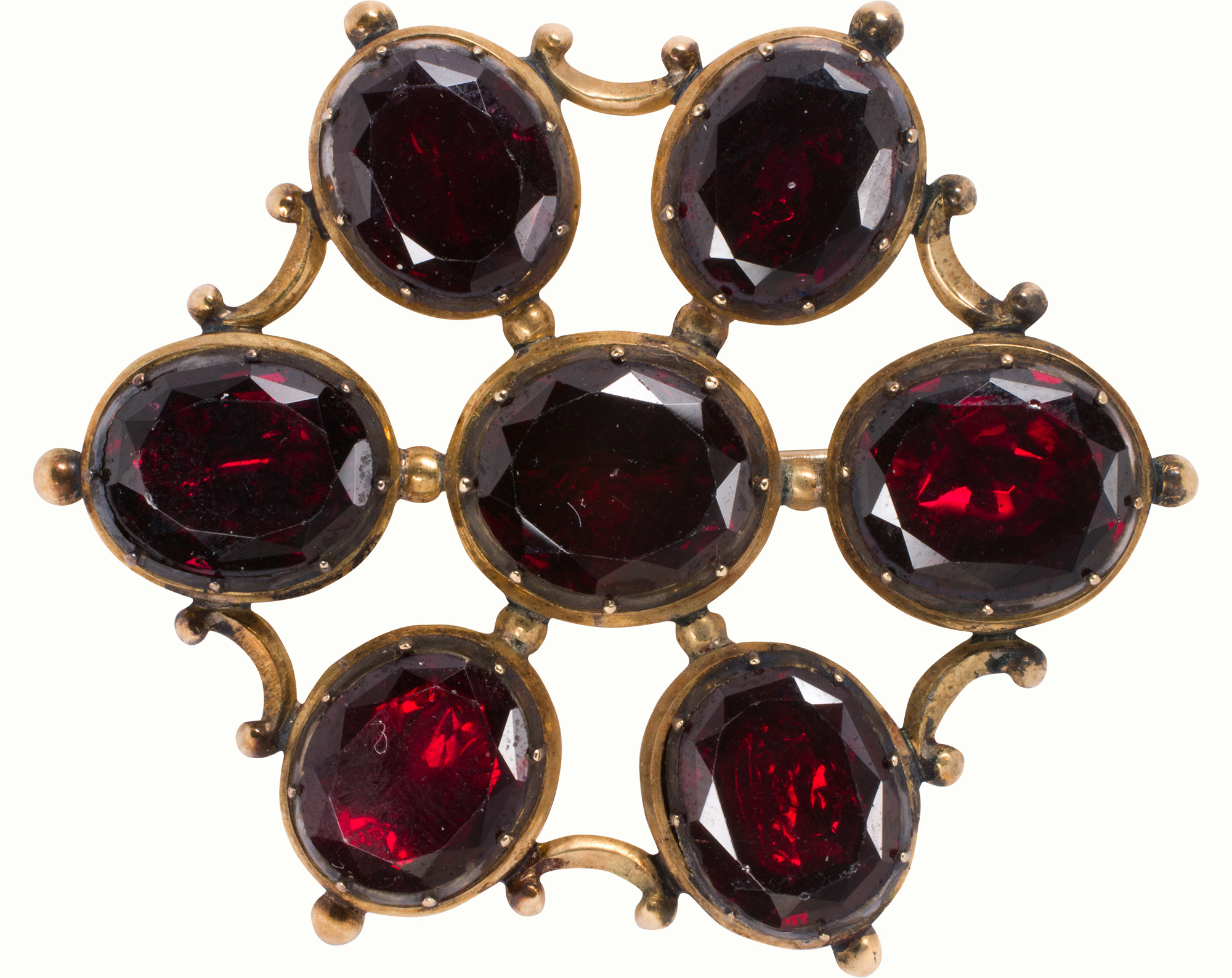
An antique garnet, 14k gold, and silver brooch. Estimate: $600–$800
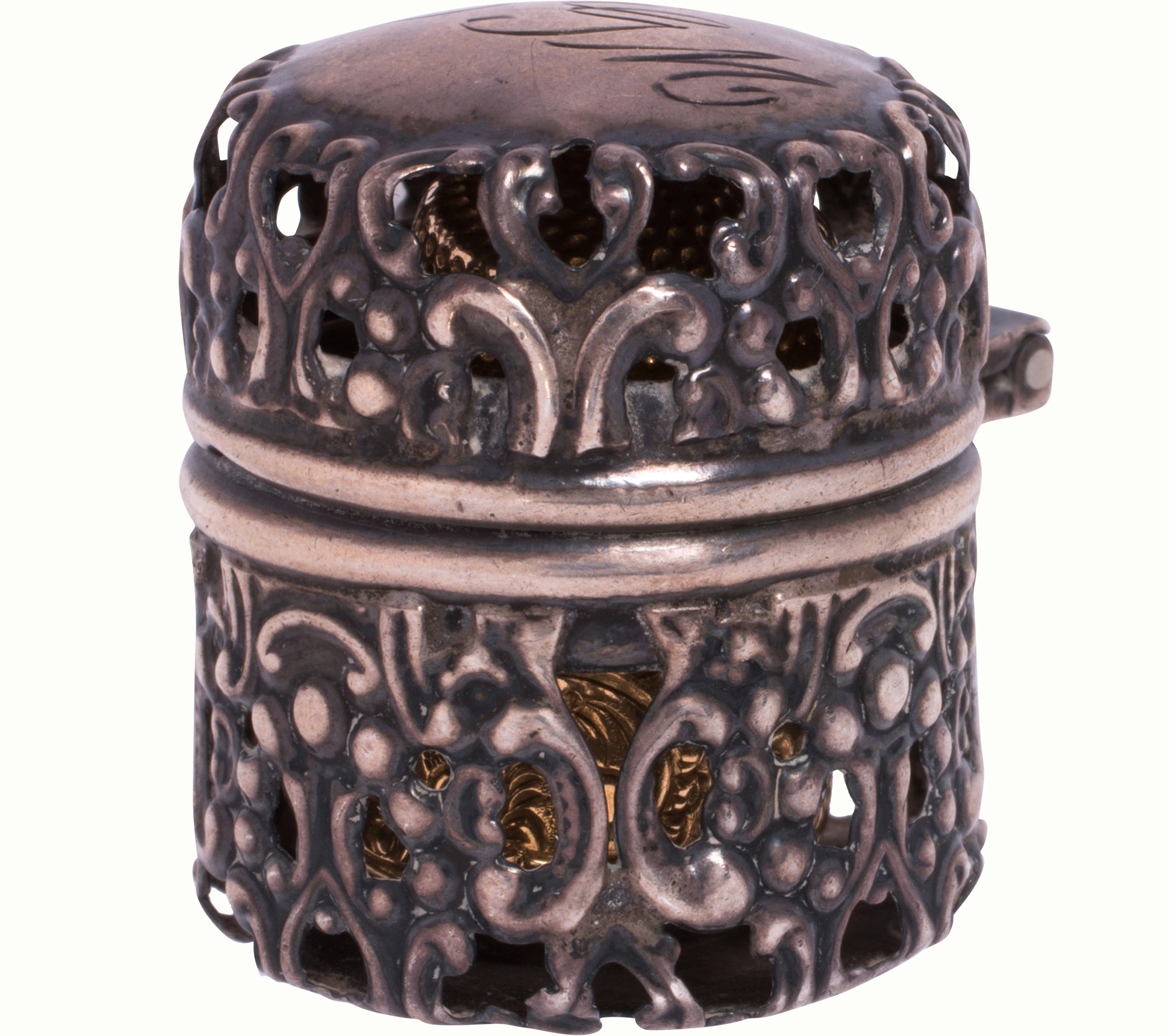
An antique sterling silver thimble holder with 14k gold thimble. Estimate: $300–$500
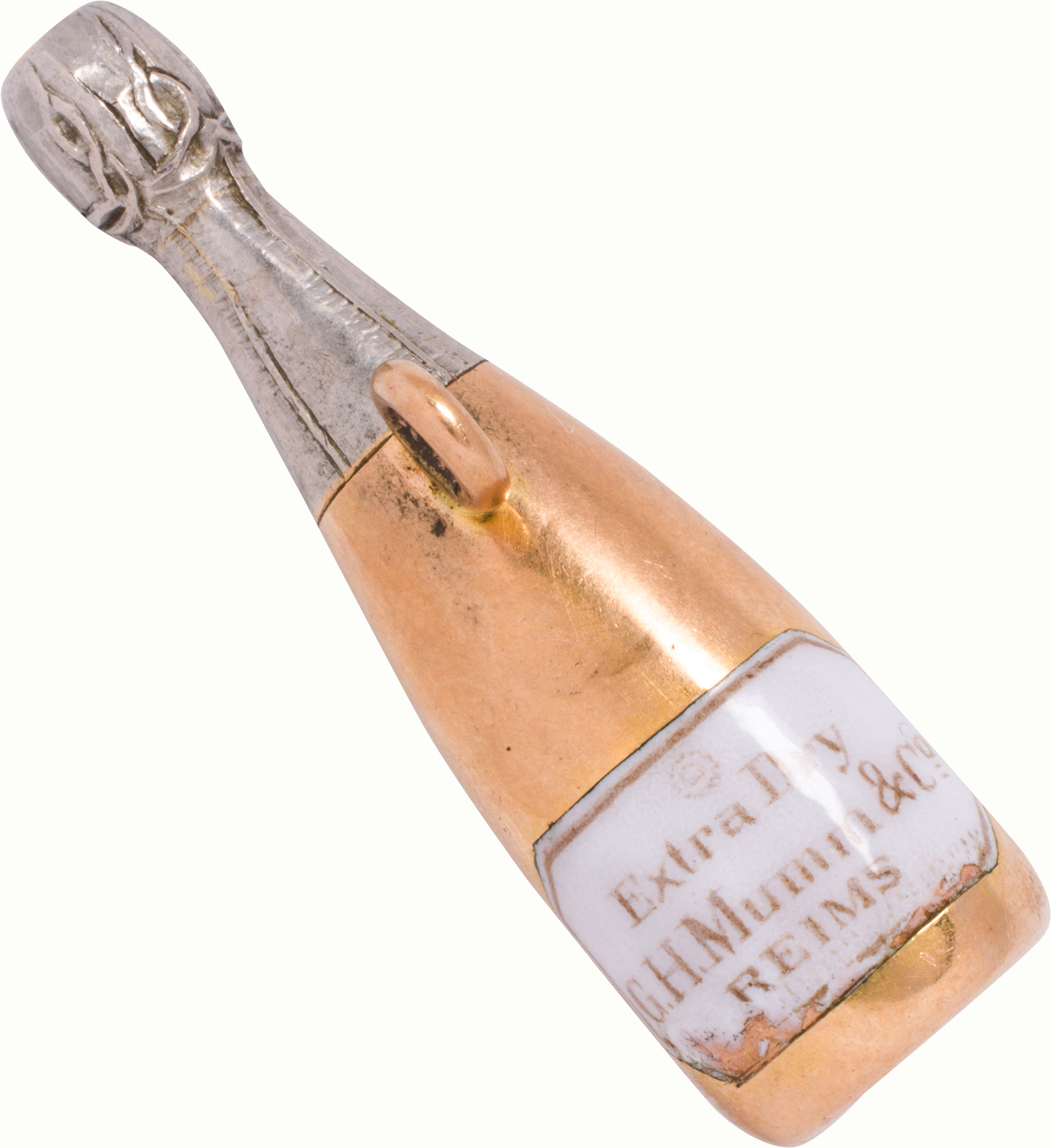
An antique enamel and 15k bi-color gold champagne bottle taxi whistle. Estimate: $300–$500
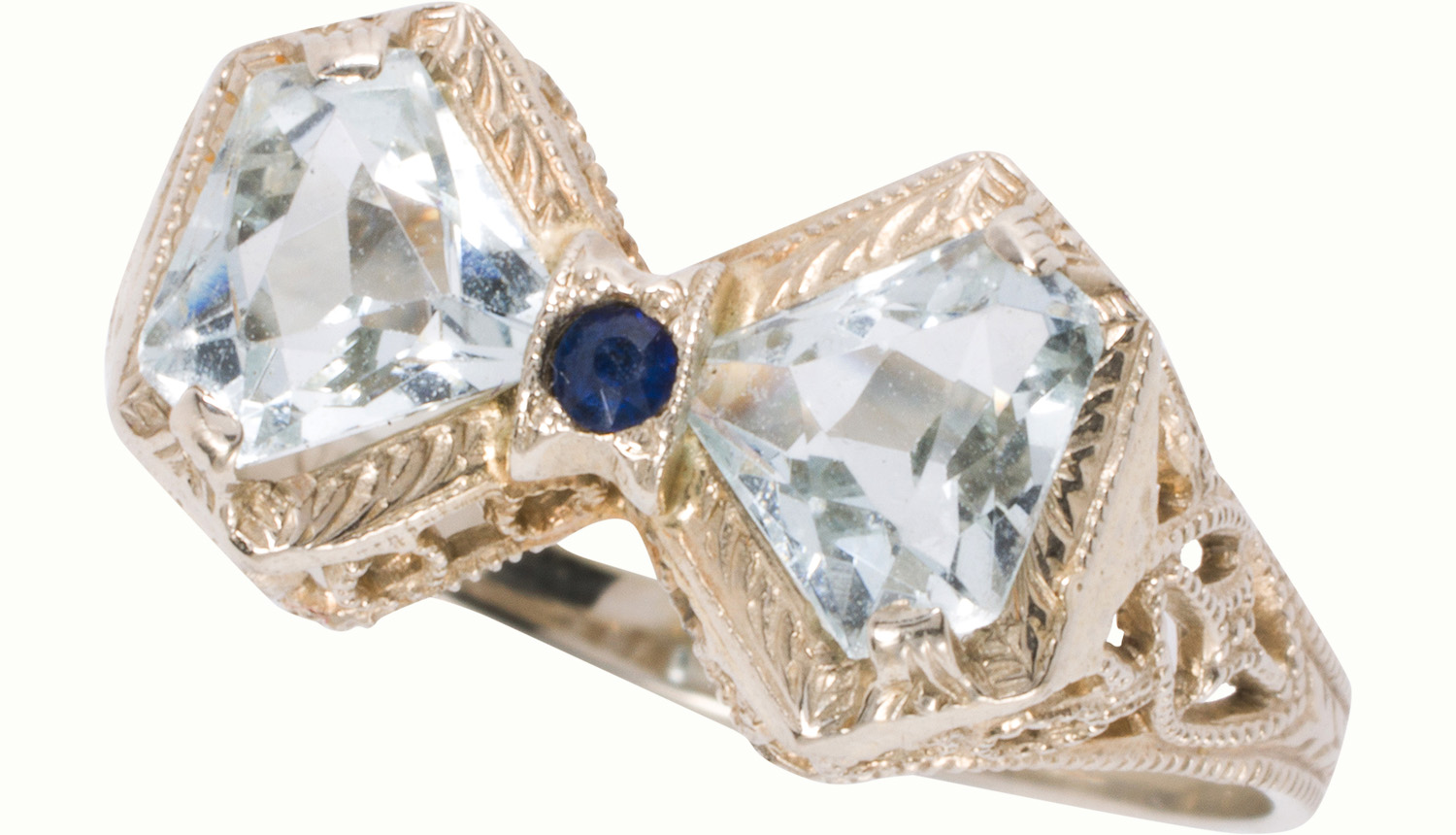
An Art Deco aquamarine, sapphire, and platinum bowtie ring. Estimate: $100–$200
The Asian Works of Art Auction on February 19th will feature a curated selection of Chinese and Japanese works.
Asian Art
Highlights
Asian Works of Art Highlights
Asian Art
Highlights
The Asian Works of Art Auction, featuring a curated selection of Chinese and Japanese works, will take place at Clars Auctions on February 19th, 2PM PST.
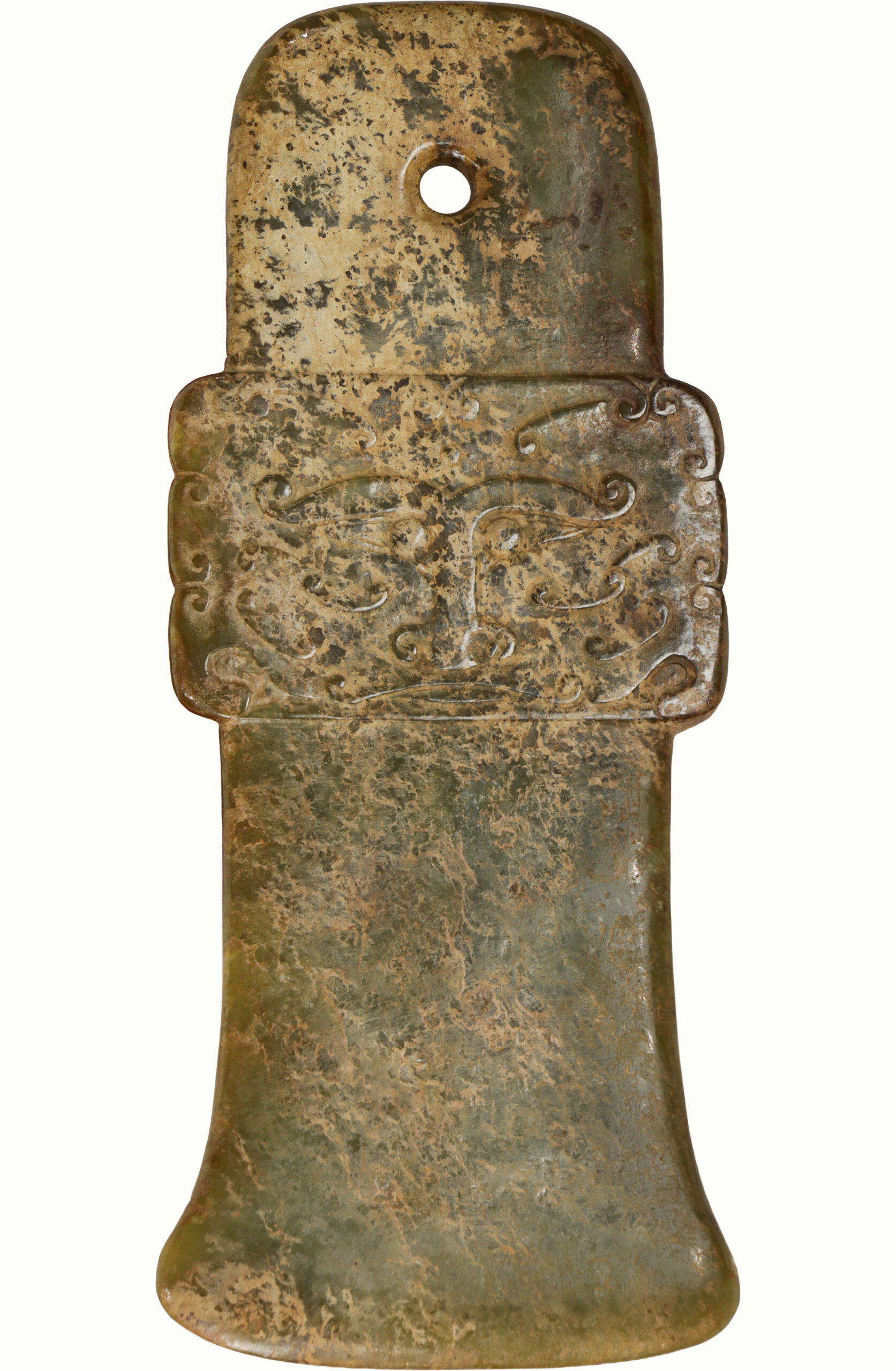
A Chinese sacrificial jade axe, Western Zhou dynasty. Estimate: $8,000–$12,000
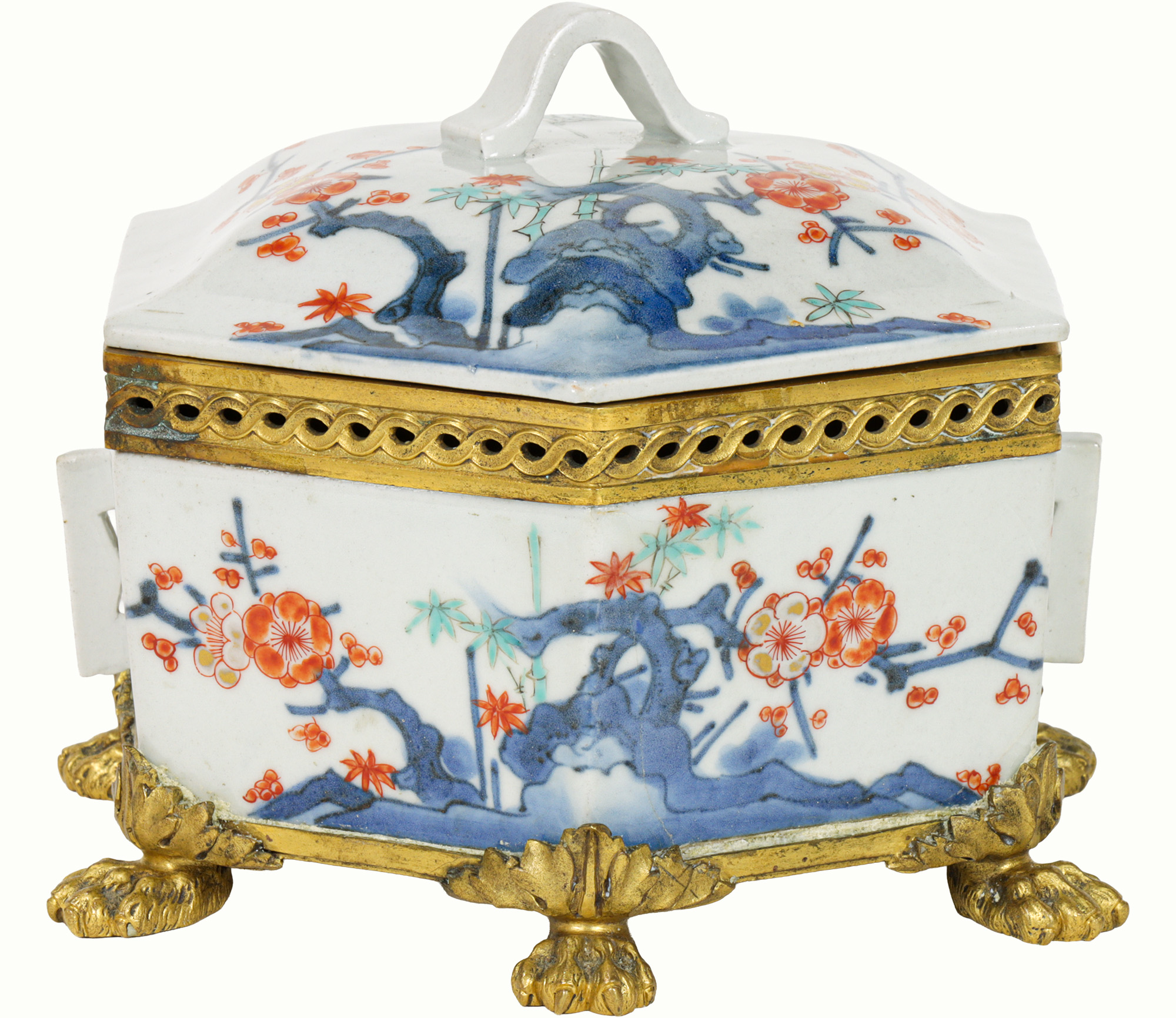
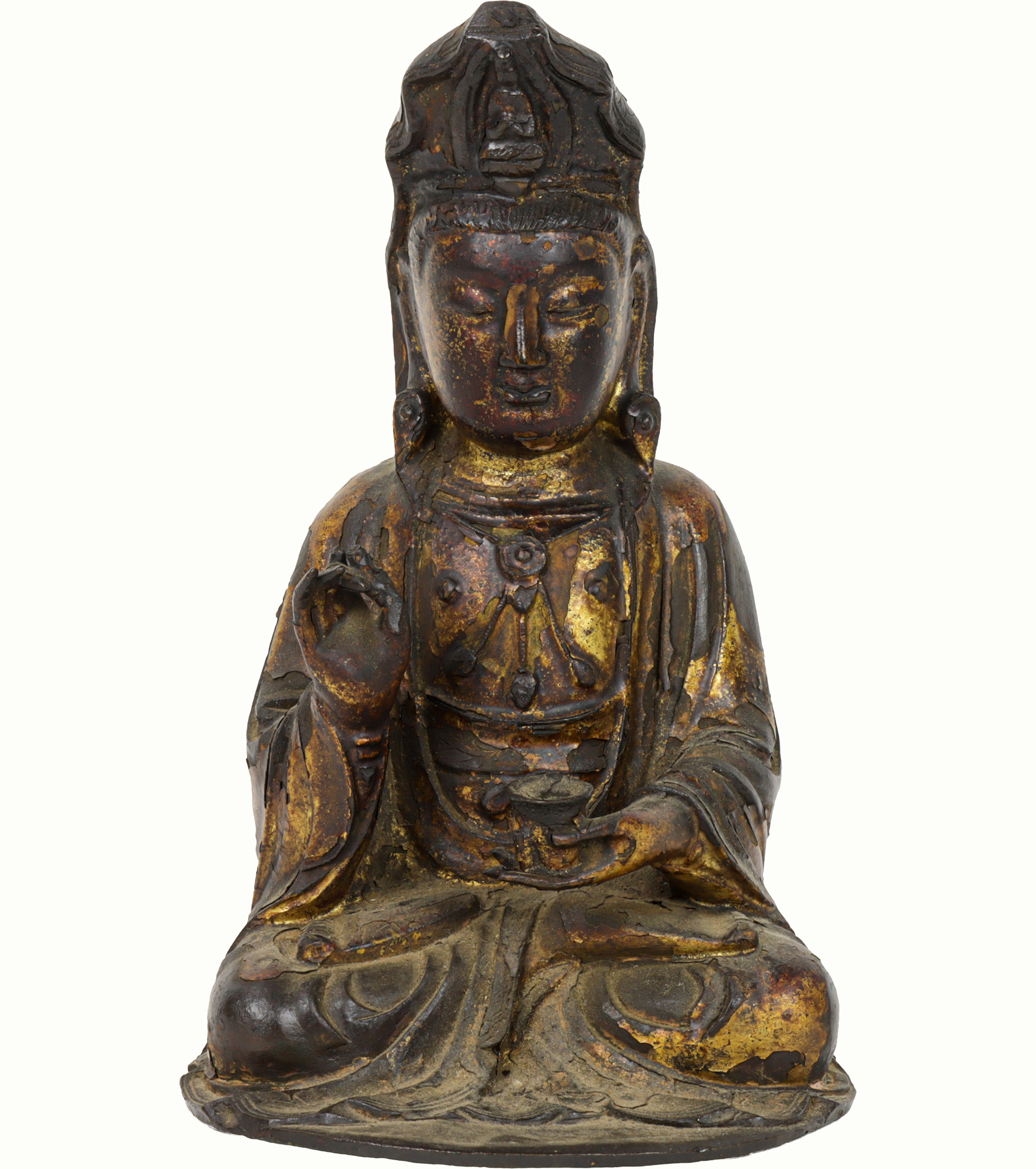
Highlights include an elegant 18th-century Japanese Kakiemon lidded potpourri vase estimated at $4,000–$6,000, and a Chinese Ming dynasty bronze seated figure of Guanyin estimated at $2,000–$4,000.
A Japanese Kakeimon lidded pot-pourri vase, 18th century. Estimate: $4,000–$6,000
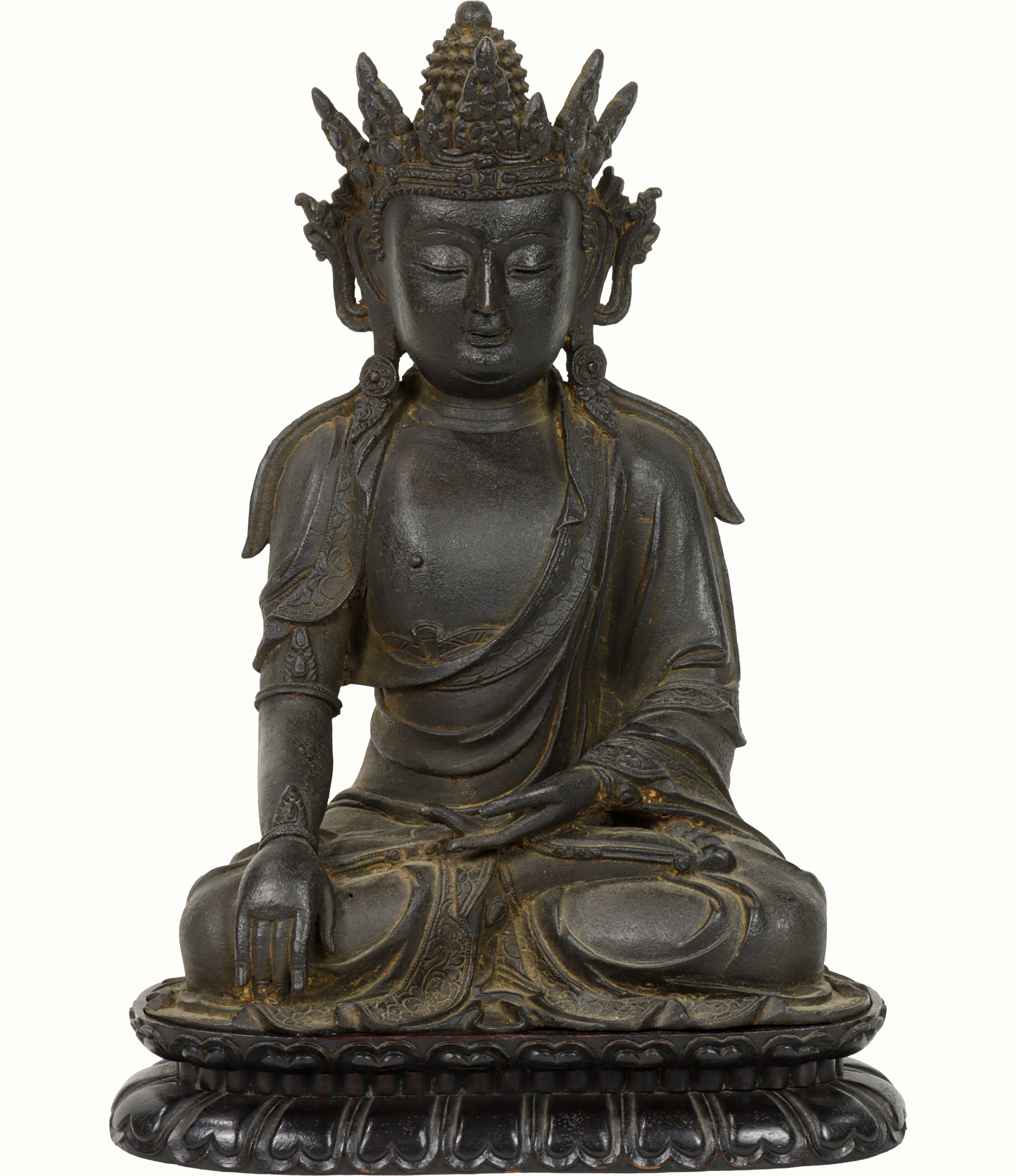
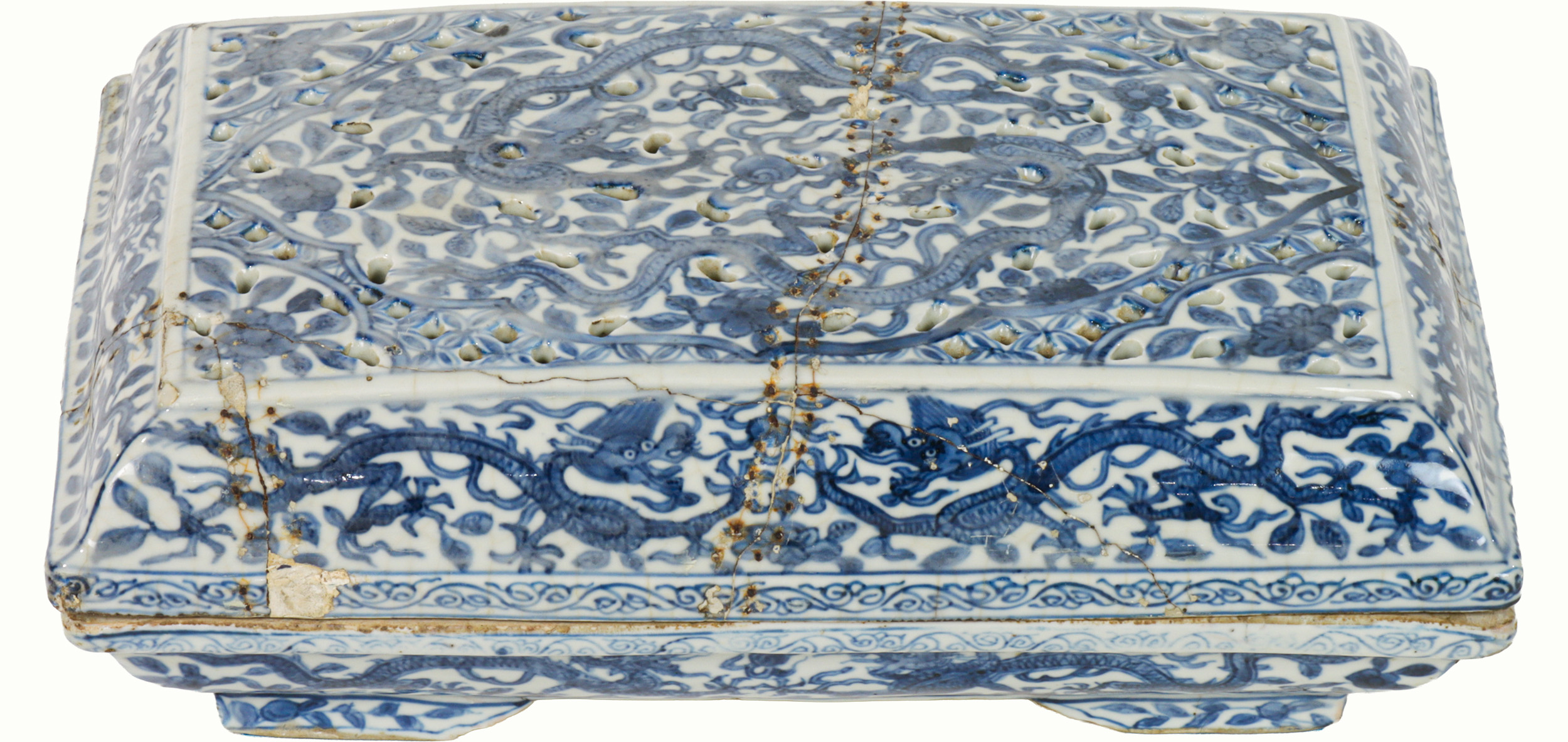
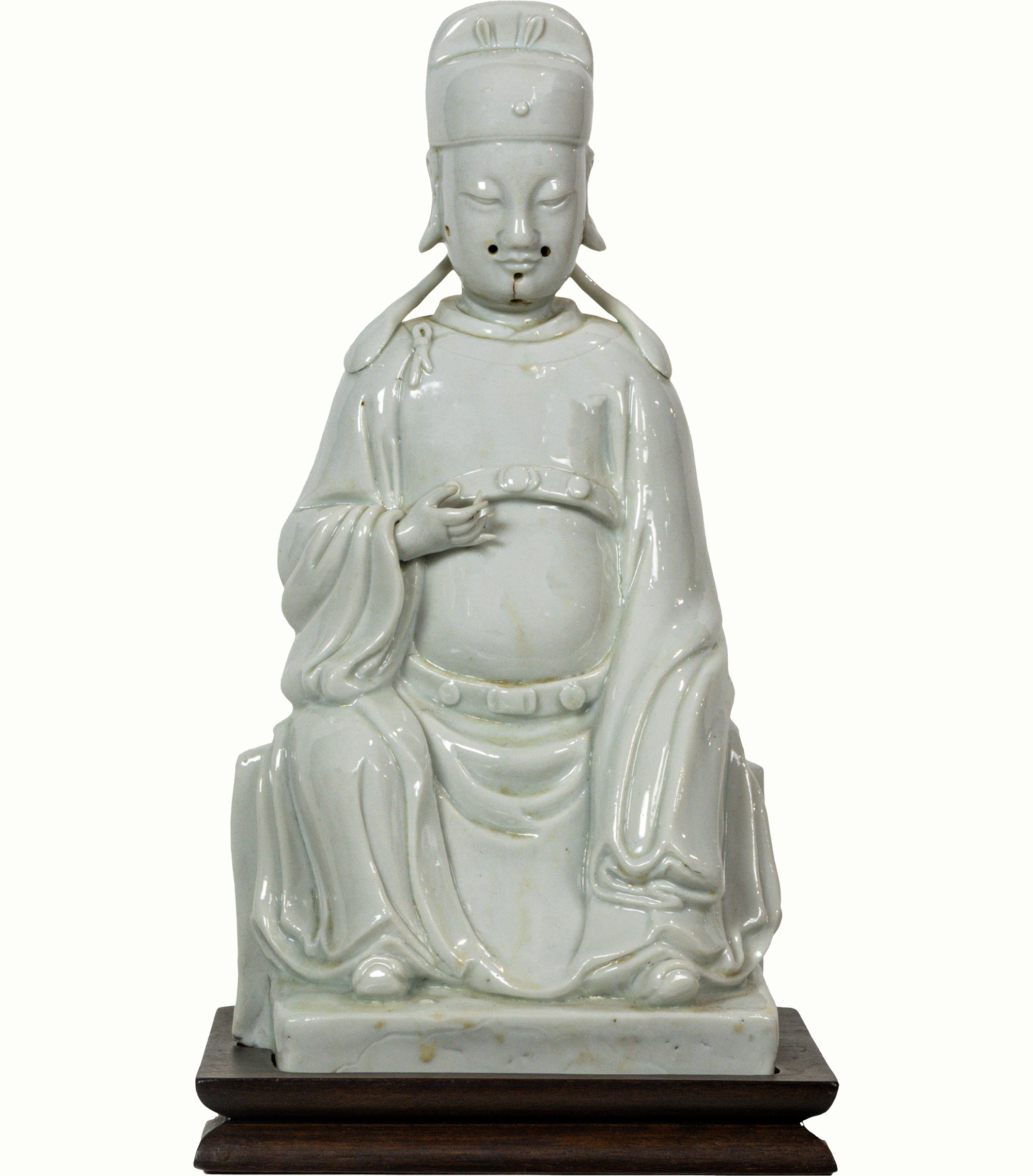
The auction also presents an important private San Francisco collection of Chinese ceramics and bronze sculptures spanning the Tang, Song, Ming, and Qing dynasties. Notable works include Ming dynasty Buddhist bronze figures of Guanyin and Akshobhya Buddha, a Wanli mark and period blue-and white ‘dragon’ box, a late Ming dynasty Dehua figure of Wenchang, and a rare Chinese ceremonial jade axe blade dating to the Western Zhou dynasty.
A Chinese bronze seated figure of Guanyin, Ming dynasty. Estimate: $2,000–$4,000
A Chinese bronze seated figure of Akshobhya, Ming dynasty. Estimate: $2,000–$4,000
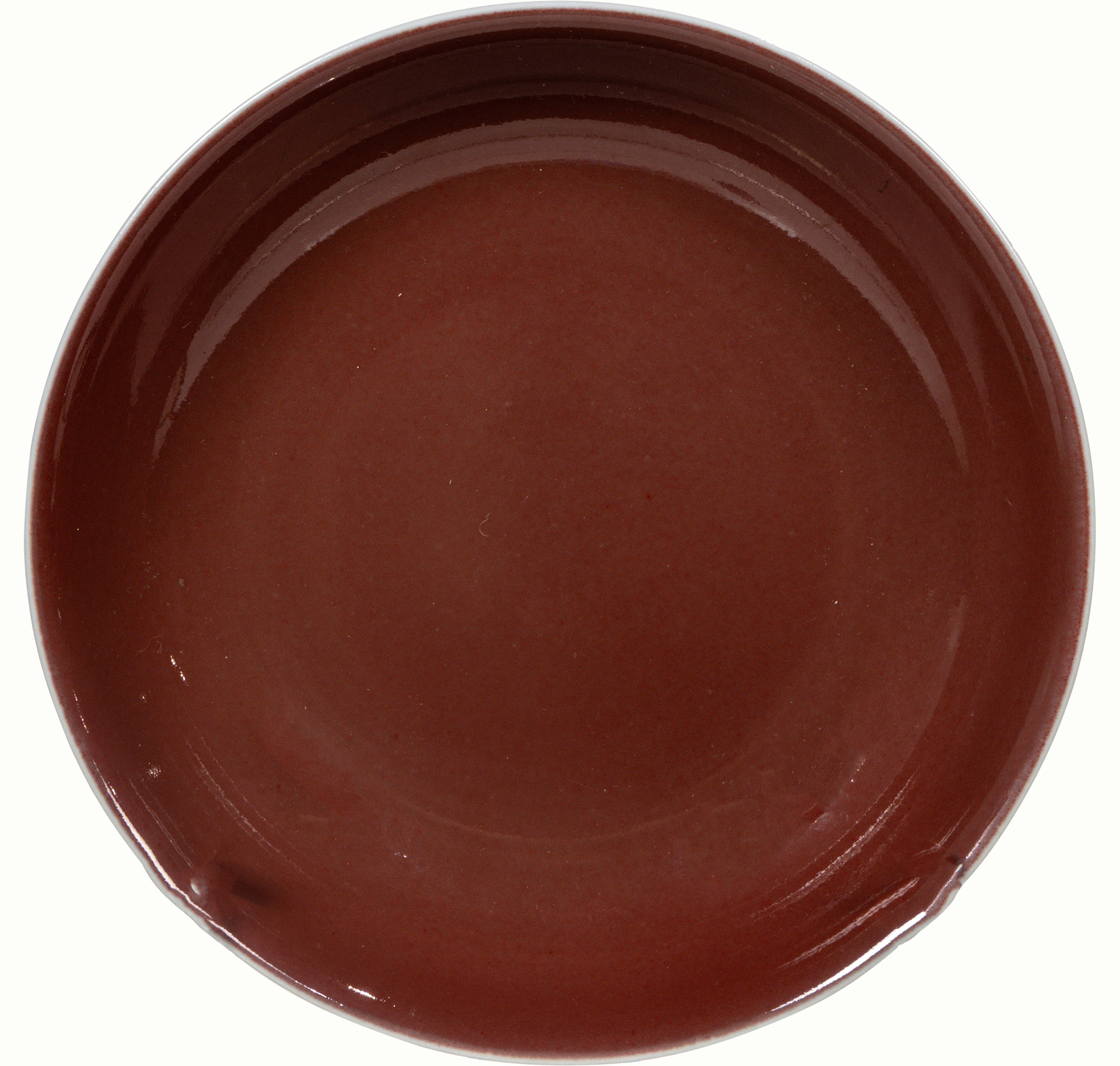
A Chinese copper-red glazed dish, Daoguang six-character mark and of the period. Estimate: $2,000–$4,000
A Chinese blue and white rectangular box and cover, Wanli mark and of the period. Estimate: $1,000–$1,500
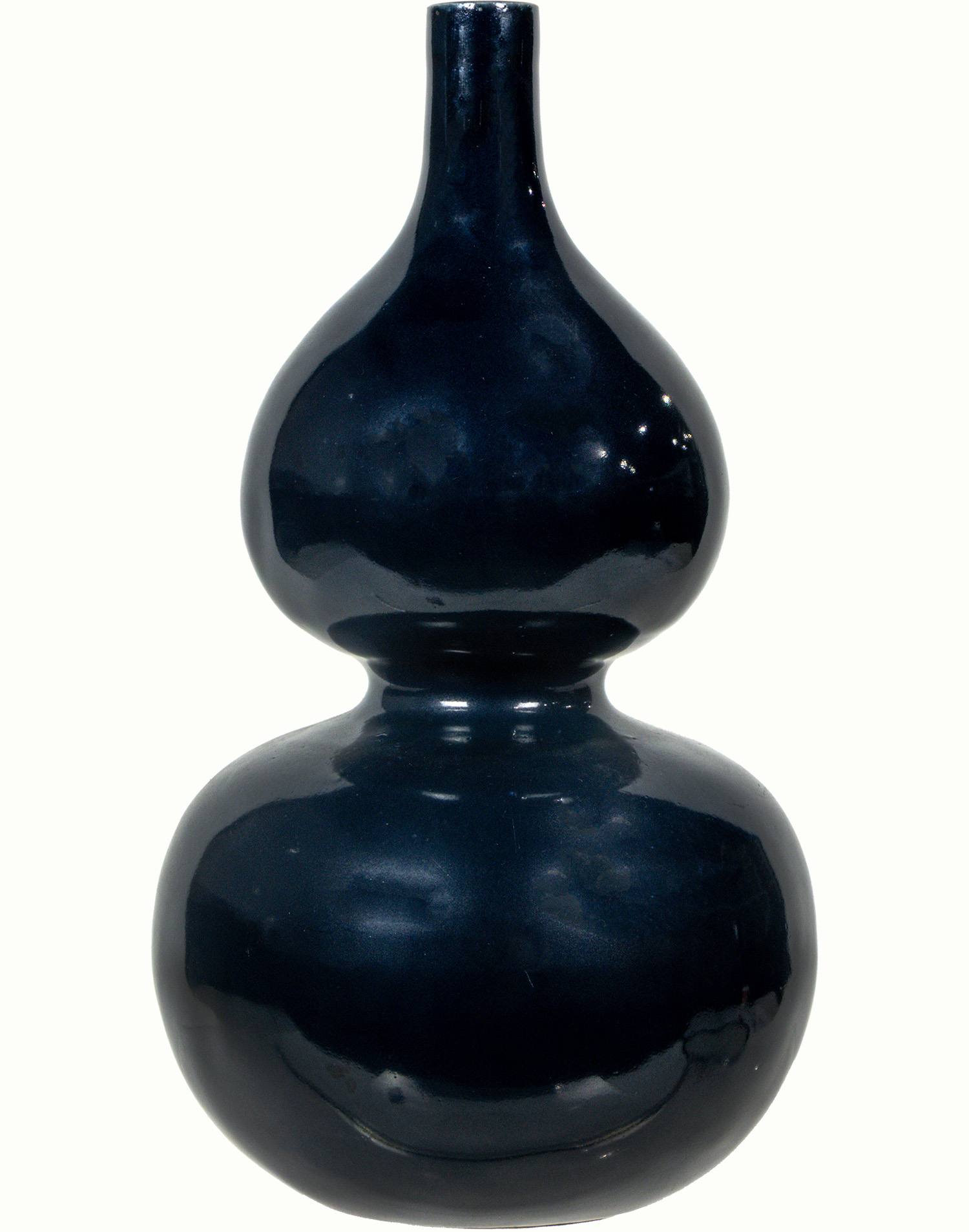
A Chinese blue glazed double gourd vase, Guangxu six-character mark and of the period. Estimate: $800–$1,200
A Chinese Dehua seated figure of Wenchang, late Ming dynasty. Estimate: $800–$1,200
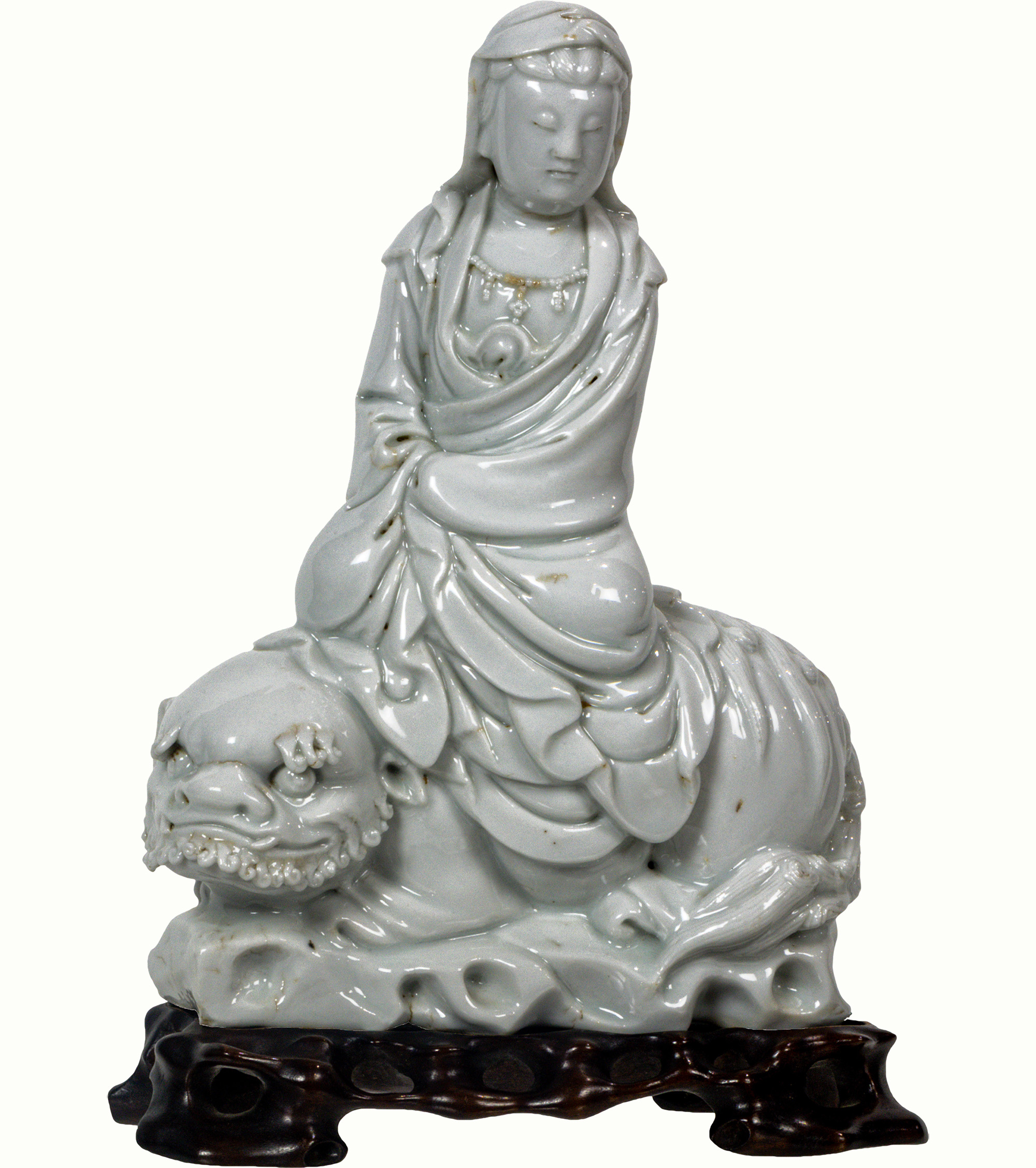
A Chinese Dehua seated figure of Guanyin, 19th century. Estimate: $600–$900
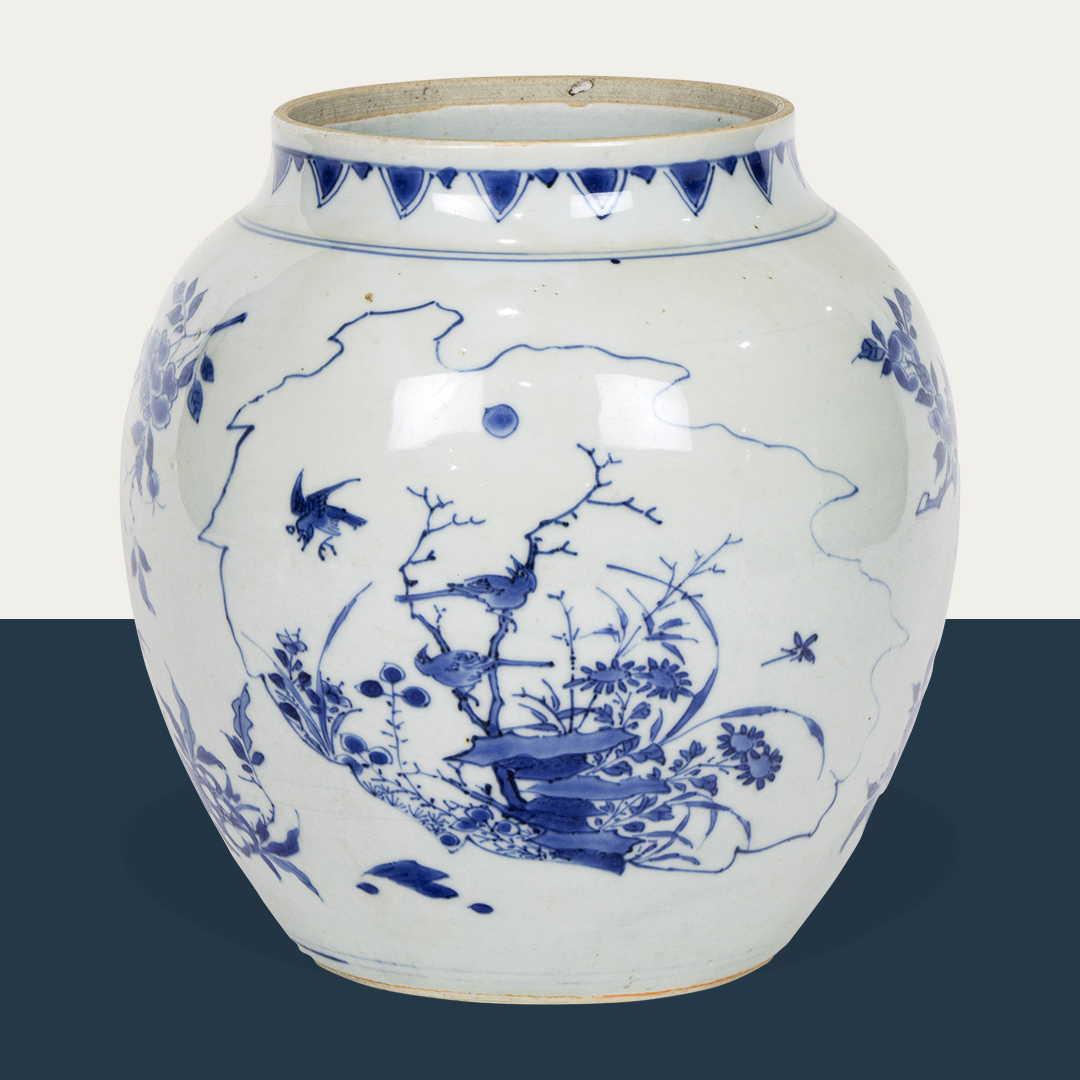
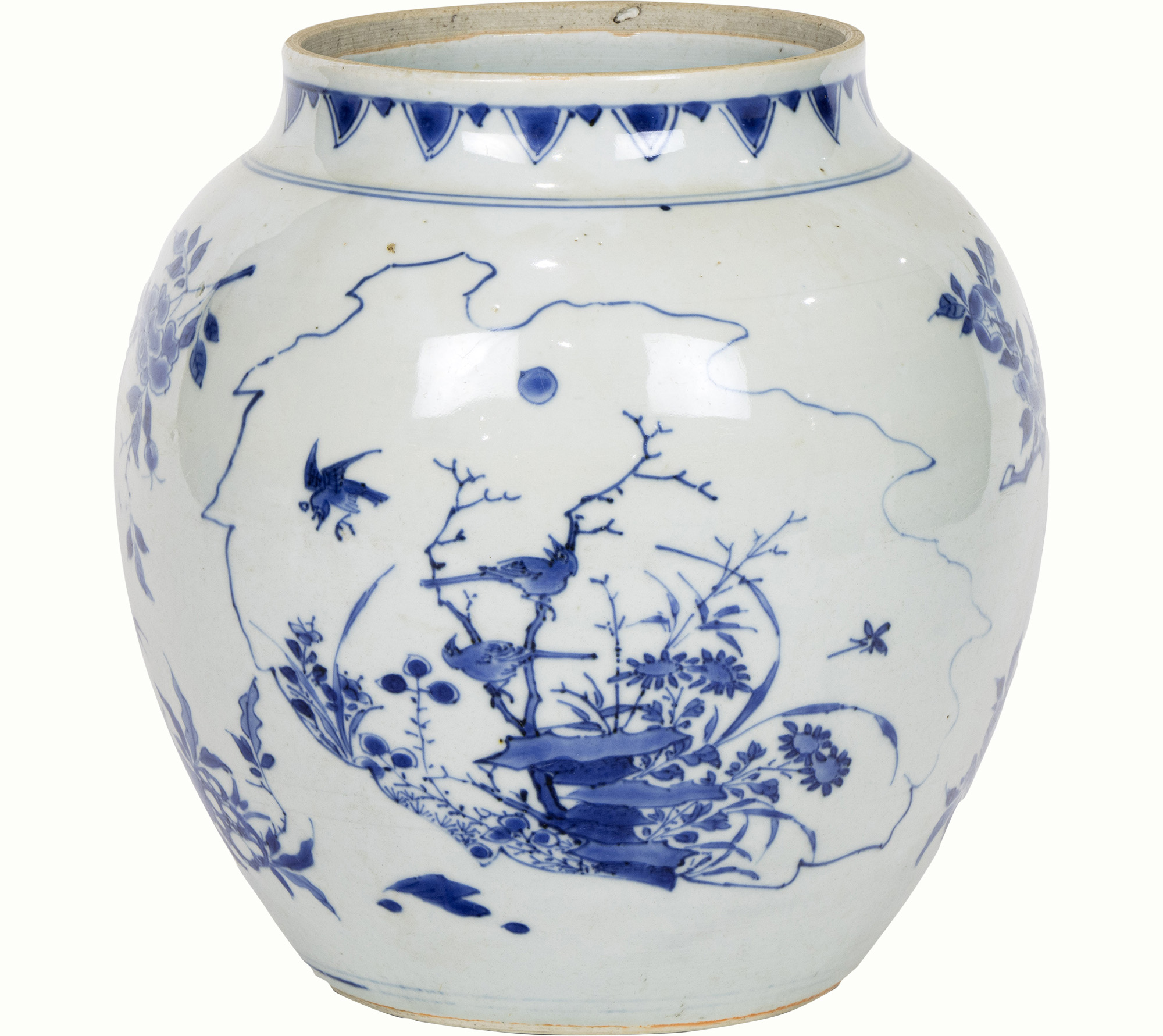
A Chinese blue and white jar, Transitional period. Estimate: $600–$900