The Asian Works of Art Auction, featuring a curated selection of Chinese and Japanese works, will take place at Clars Auctions on February 19th, 2PM PST.
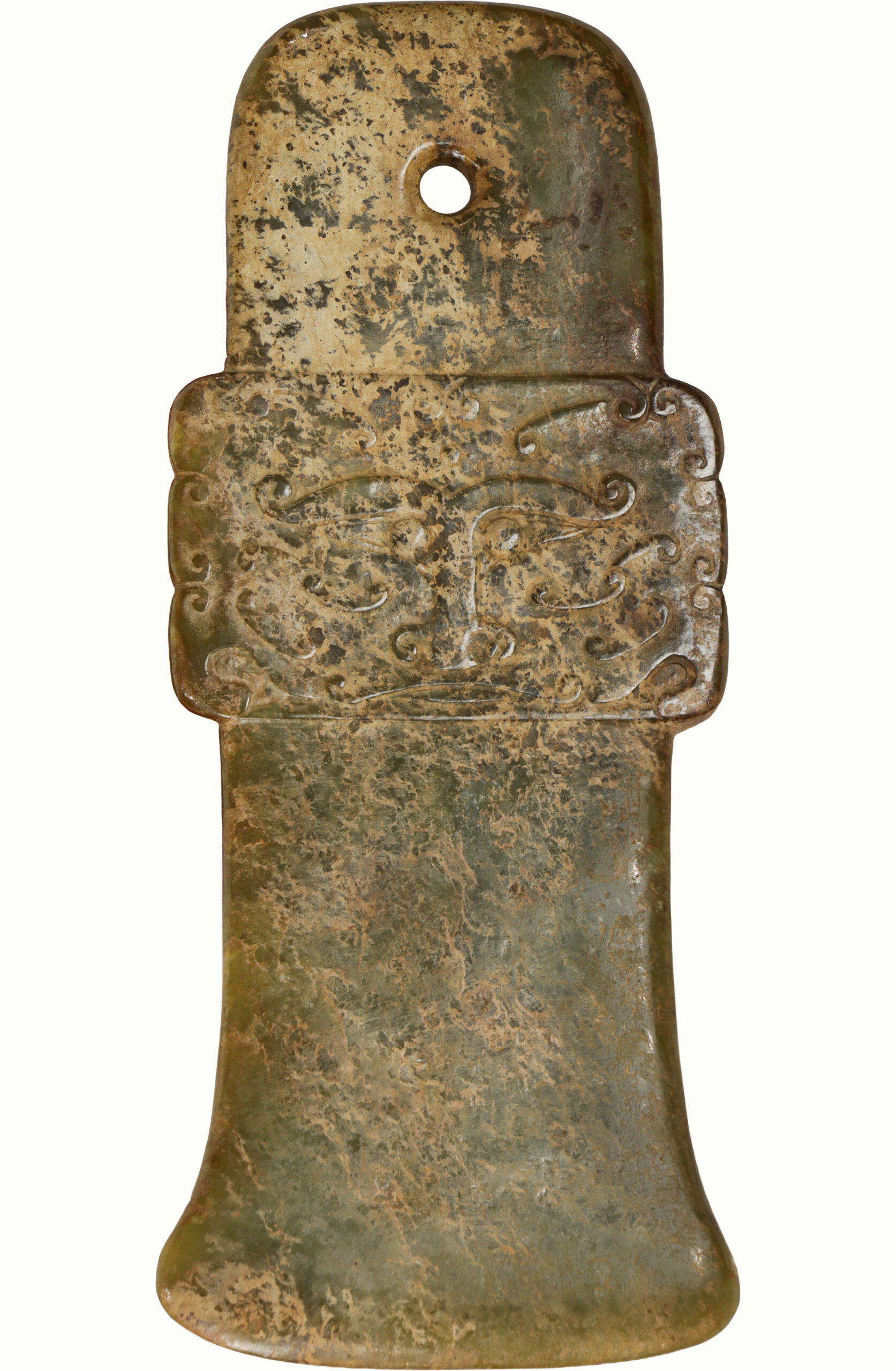
A Chinese sacrificial jade axe, Western Zhou dynasty. Estimate: $8,000–$12,000
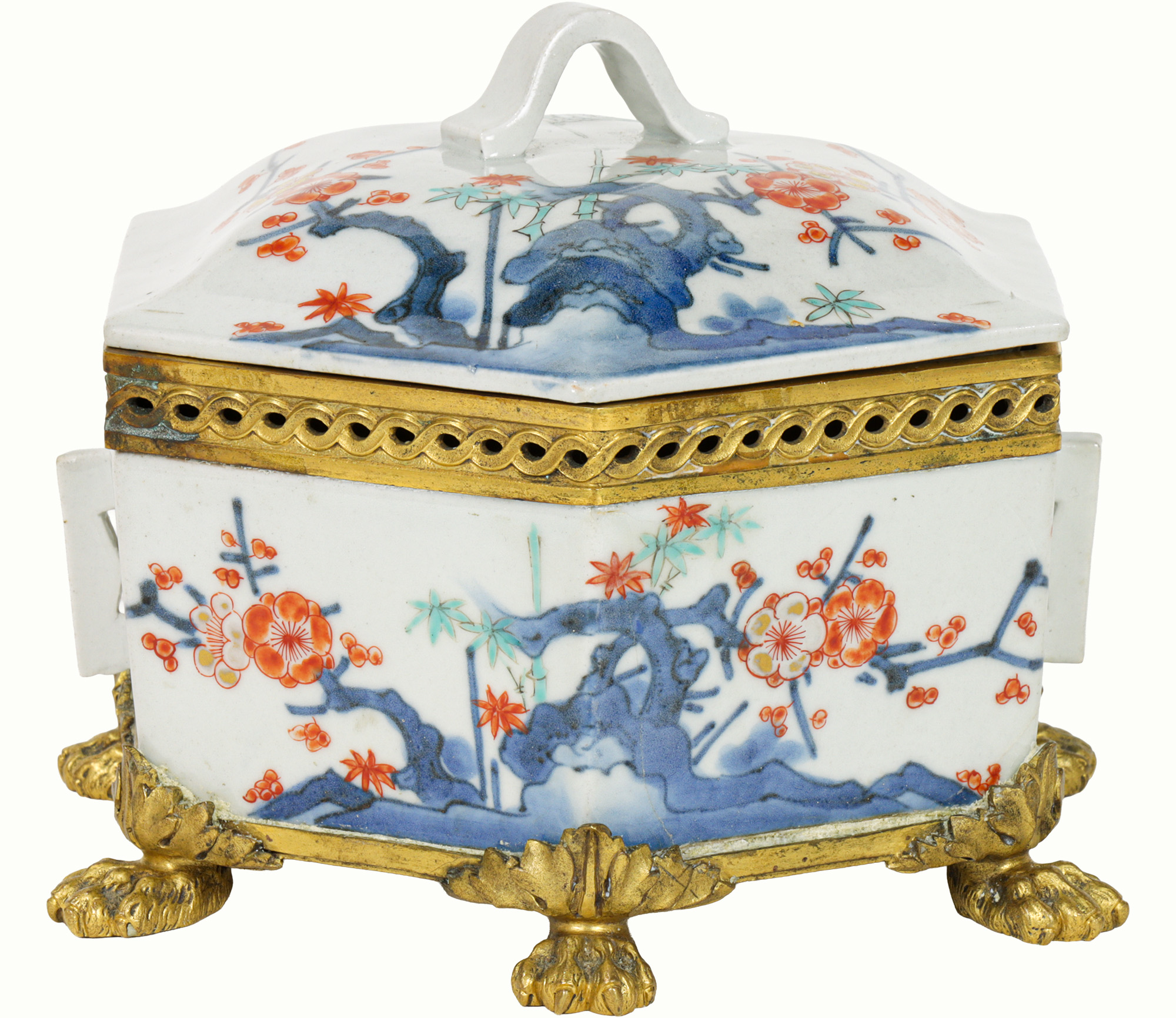
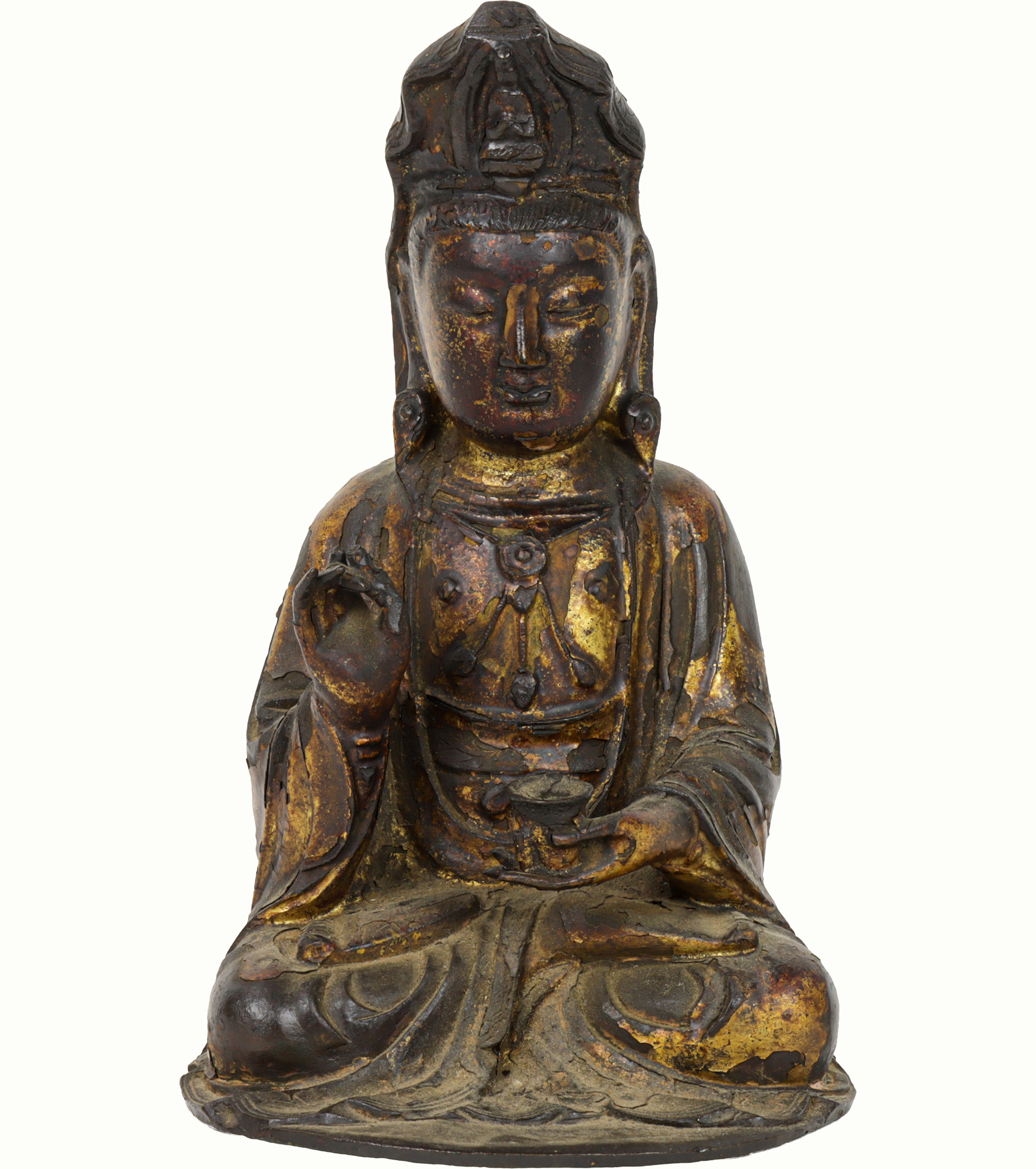
Highlights include an elegant 18th-century Japanese Kakiemon lidded potpourri vase estimated at $4,000–$6,000, and a Chinese Ming dynasty bronze seated figure of Guanyin estimated at $2,000–$4,000.
A Japanese Kakeimon lidded pot-pourri vase, 18th century. Estimate: $4,000–$6,000
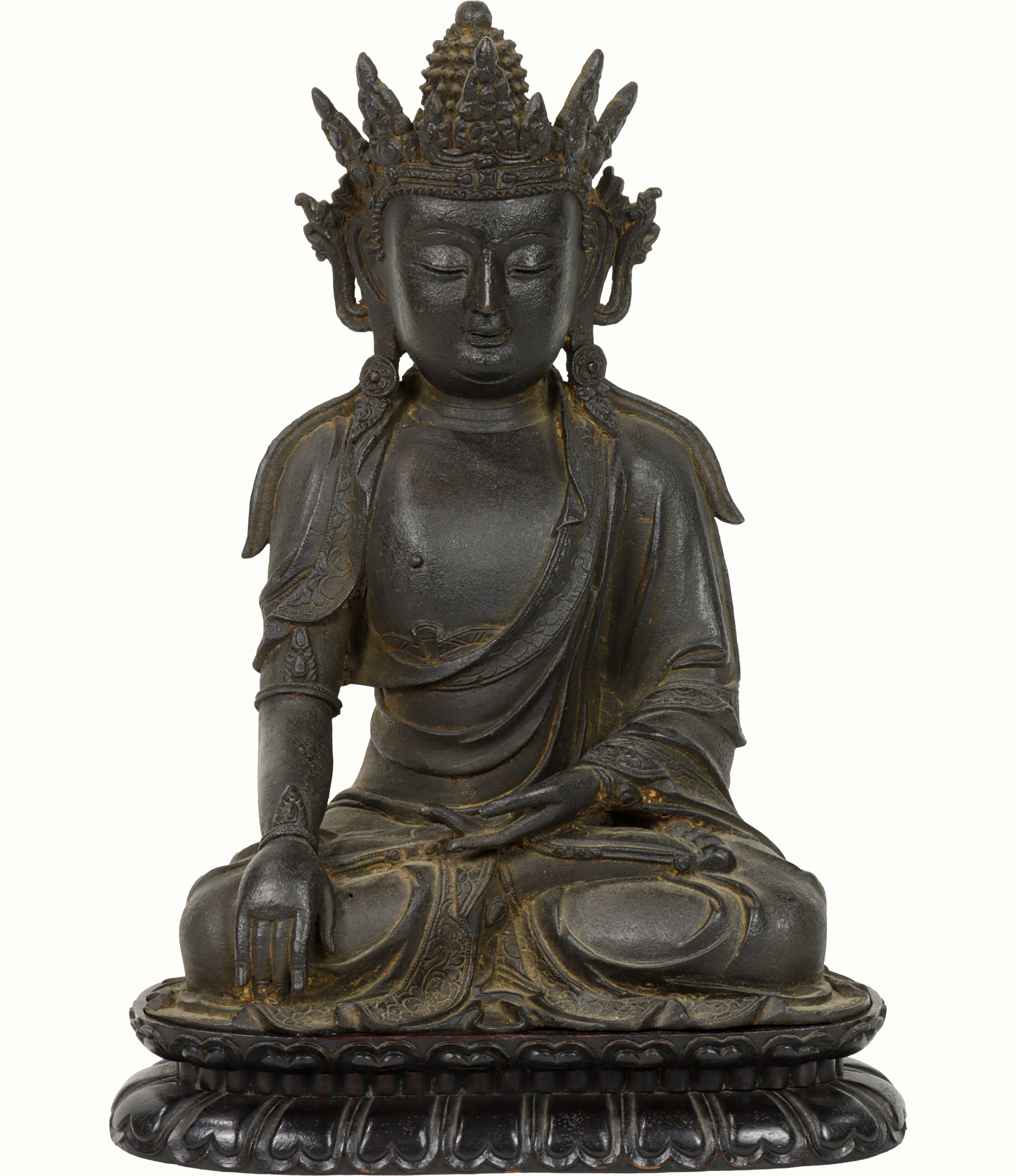
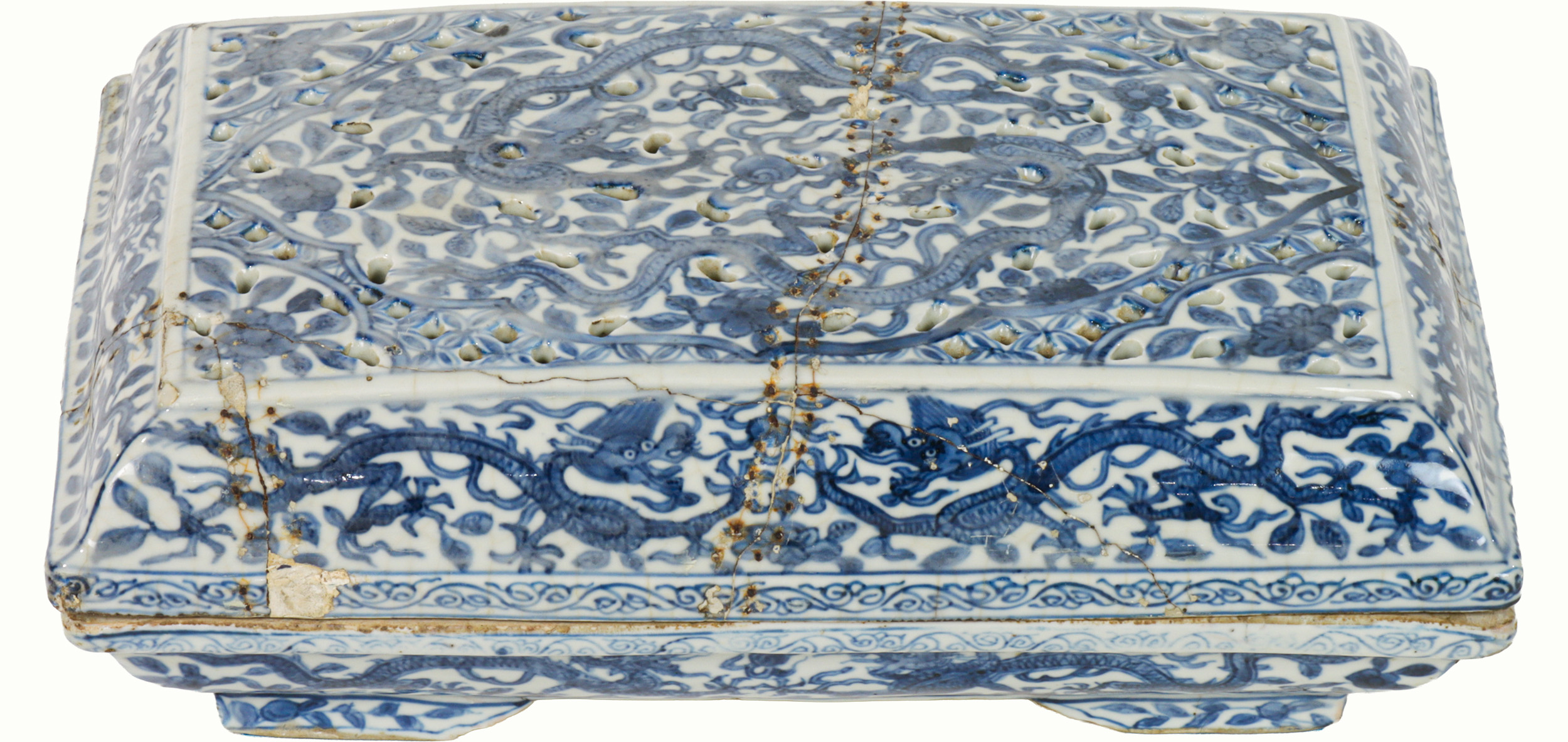
The auction also presents an important private San Francisco collection of Chinese ceramics and bronze sculptures spanning the Tang, Song, Ming, and Qing dynasties. Notable works include Ming dynasty Buddhist bronze figures of Guanyin and Akshobhya Buddha, a Wanli mark and period blue-and white ‘dragon’ box, a late Ming dynasty Dehua figure of Wenchang, and a rare Chinese ceremonial jade axe blade dating to the Western Zhou dynasty.
A Chinese bronze seated figure of Guanyin, Ming dynasty. Estimate: $2,000–$4,000
A Chinese bronze seated figure of Akshobhya, Ming dynasty. Estimate: $2,000–$4,000
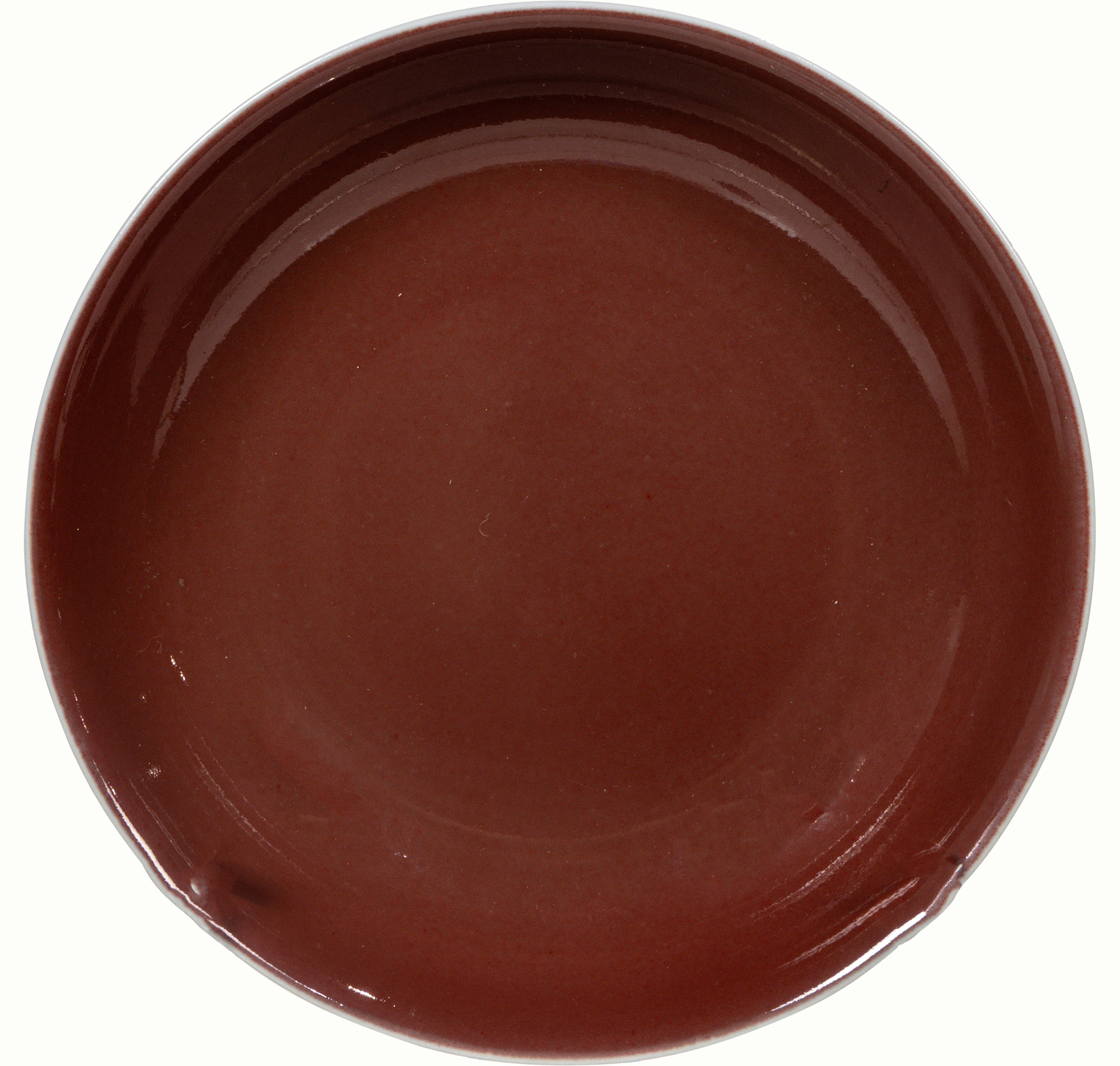
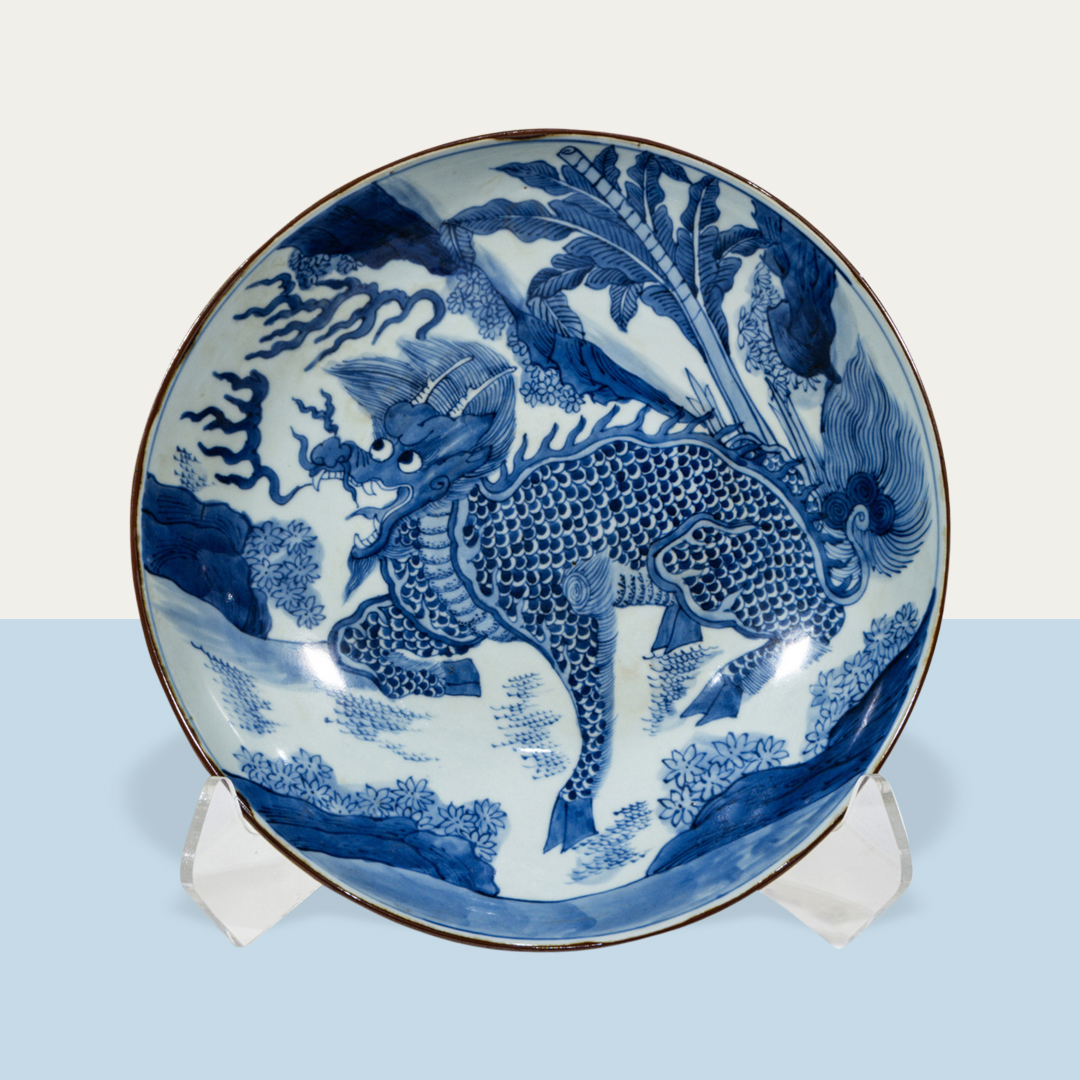
A Chinese copper-red glazed dish, Daoguang six-character mark and of the period. Estimate: $2,000–$4,000
A Chinese blue and white rectangular box and cover, Wanli mark and of the period. Estimate: $1,000–$1,500
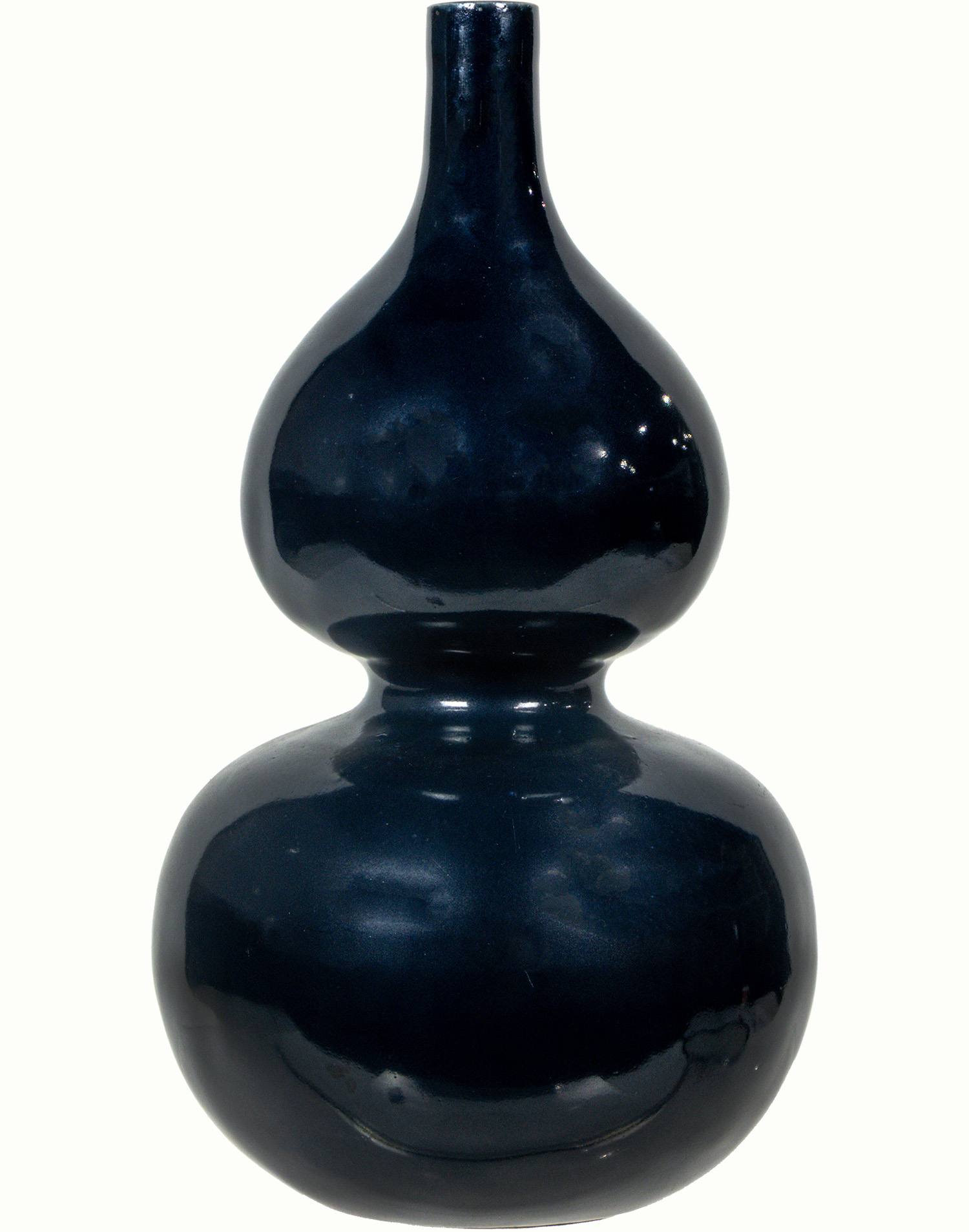
A Chinese blue glazed double gourd vase, Guangxu six-character mark and of the period. Estimate: $800–$1,200
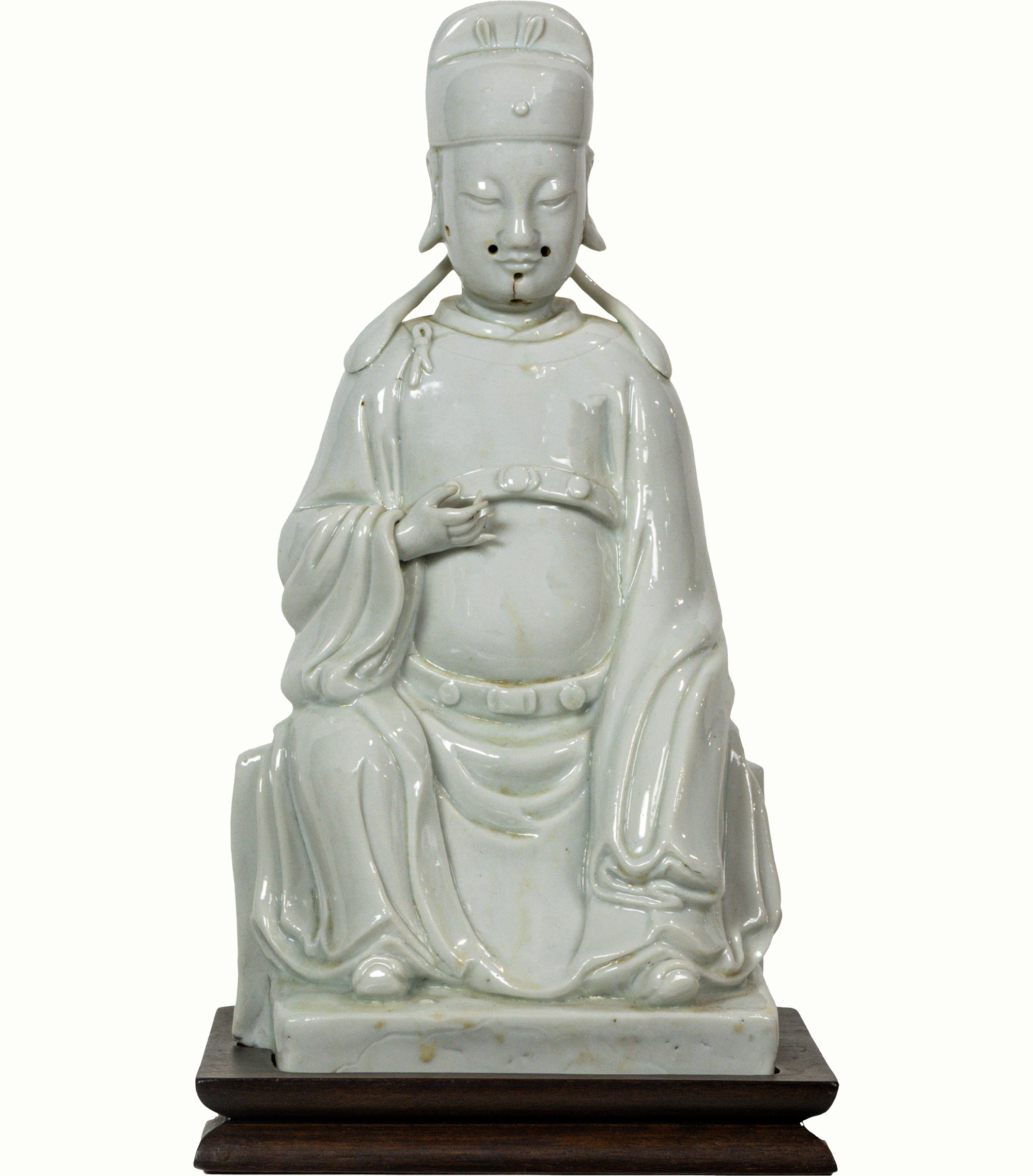
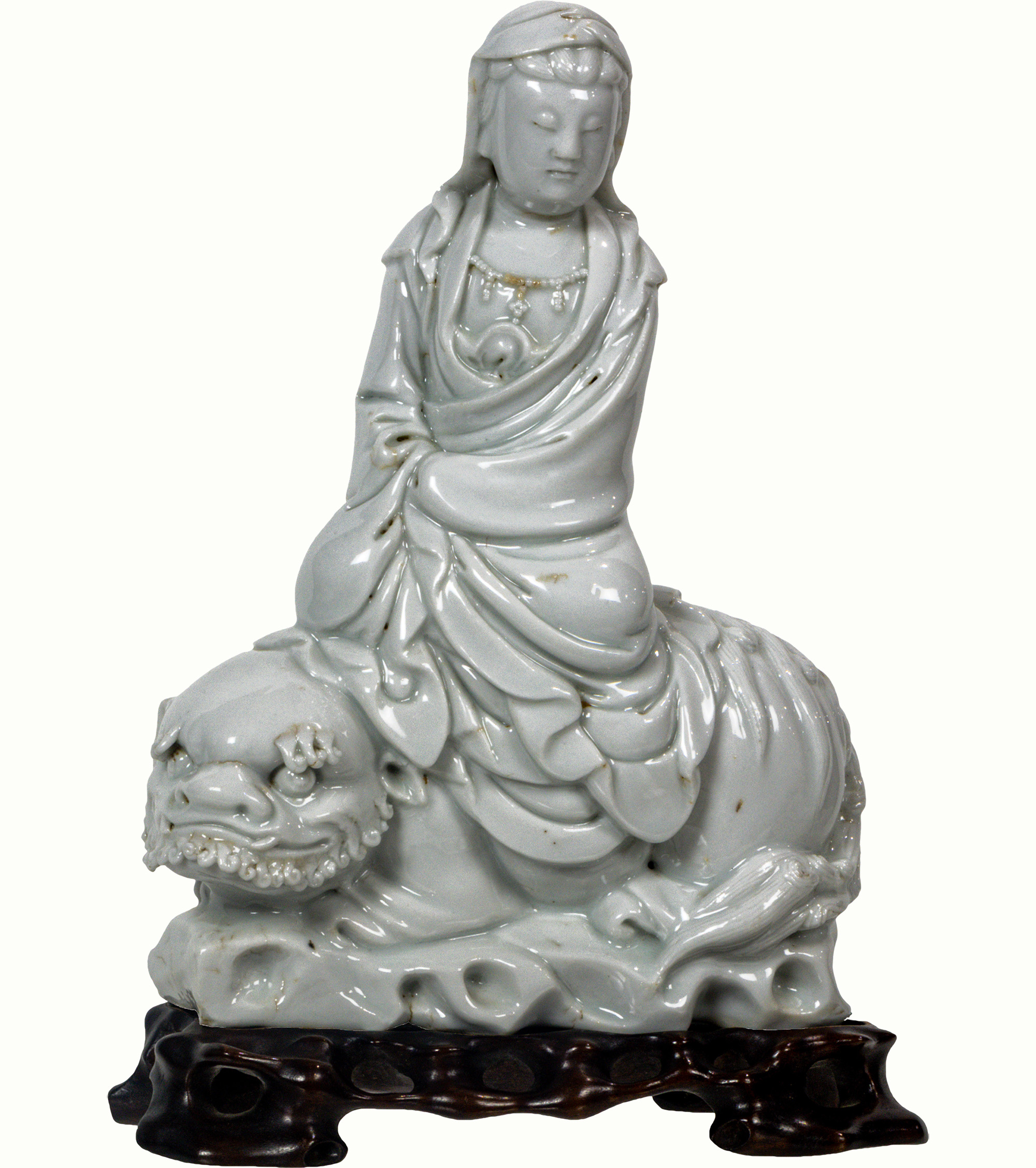
A Chinese Dehua seated figure of Wenchang, late Ming dynasty. Estimate: $800–$1,200
A Chinese Dehua seated figure of Guanyin, 19th century. Estimate: $600–$900
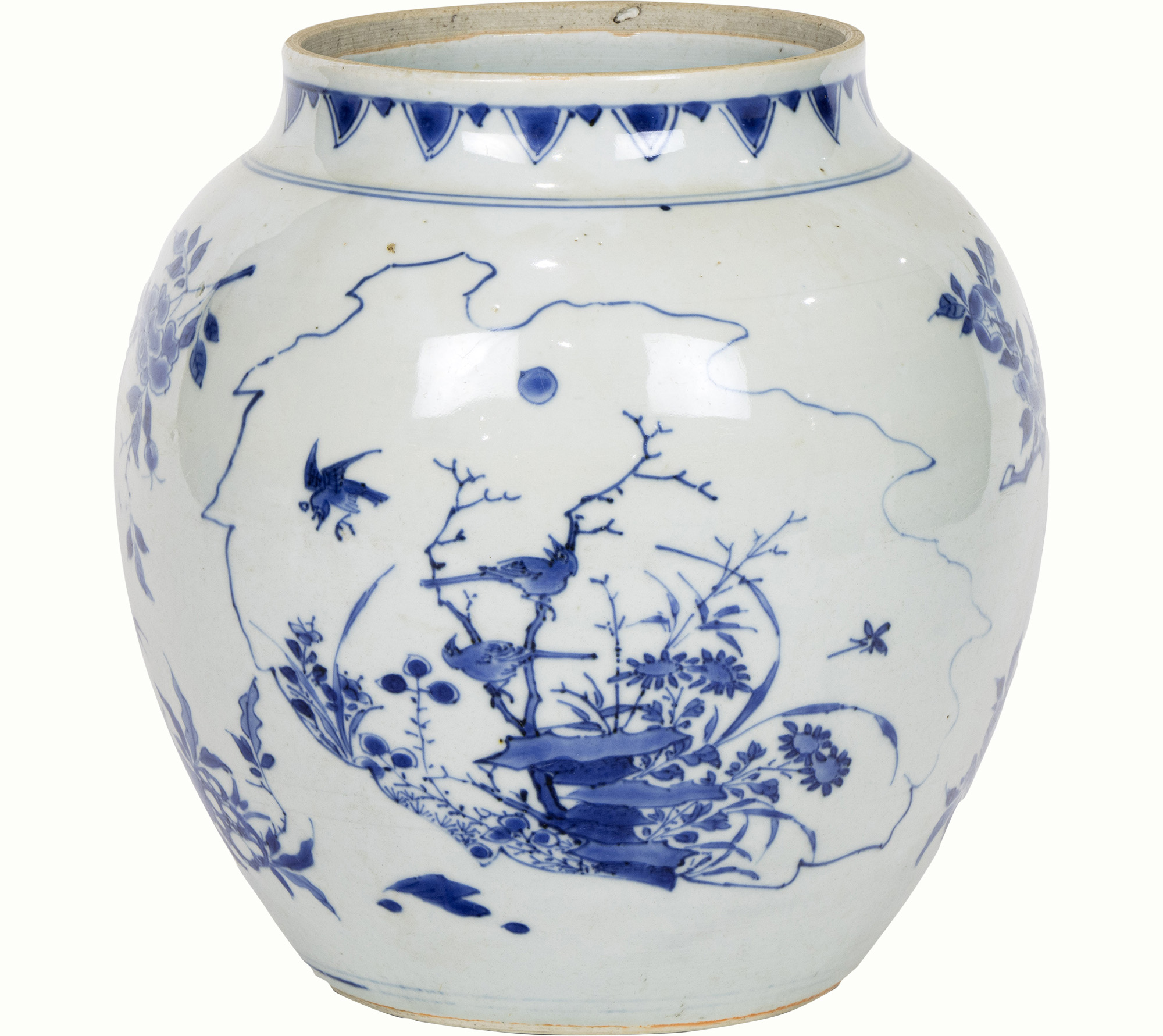
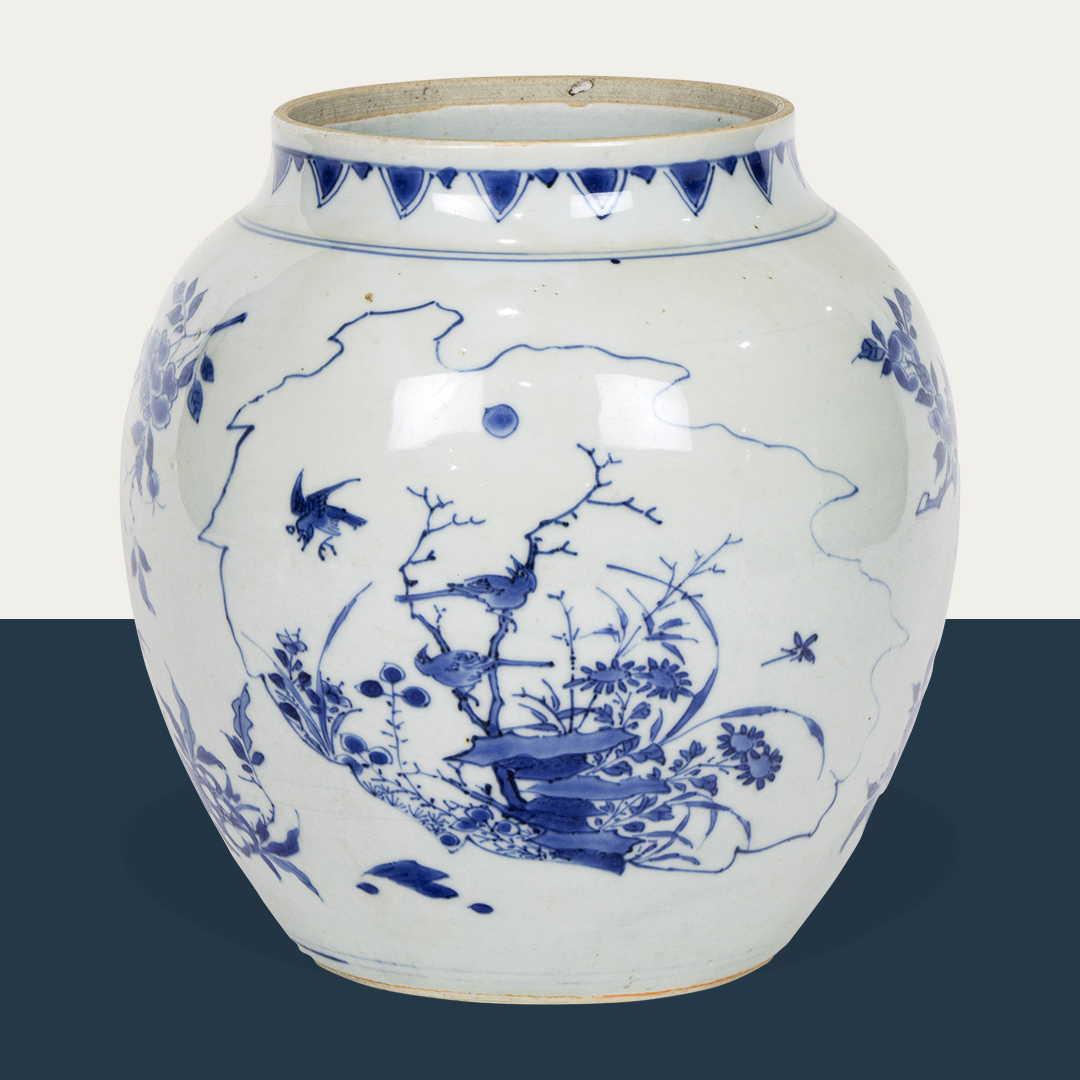
A Chinese blue and white jar, Transitional period. Estimate: $600–$900
Our May 15th auction will feature a diverse and compelling selection across multiple collecting categories.
Auction
Highlights
Jingdezhen – The Porcelain Capital
Asian Art
Stories & News
Historically, the highest quality of porcelain produced in Jingdezhen was shaped by the preferences of the imperial family. However, by the end of the Qing dynasty (1644–1912) and the Republic period (1912–1949), these constraints began to dissolve.
Amid internal conflicts and political struggles with the Western World in the 19th century, China’s porcelain commissions dwindled. To survive, artisans had to appeal to a broader audience, which now included not only the imperial court but also officials, scholars, and the rising merchant class.
Chinese underglaze blue porcelain brush pot, attributed to Wang Bu (Chinese, 1898–1968). Sold: $534,300
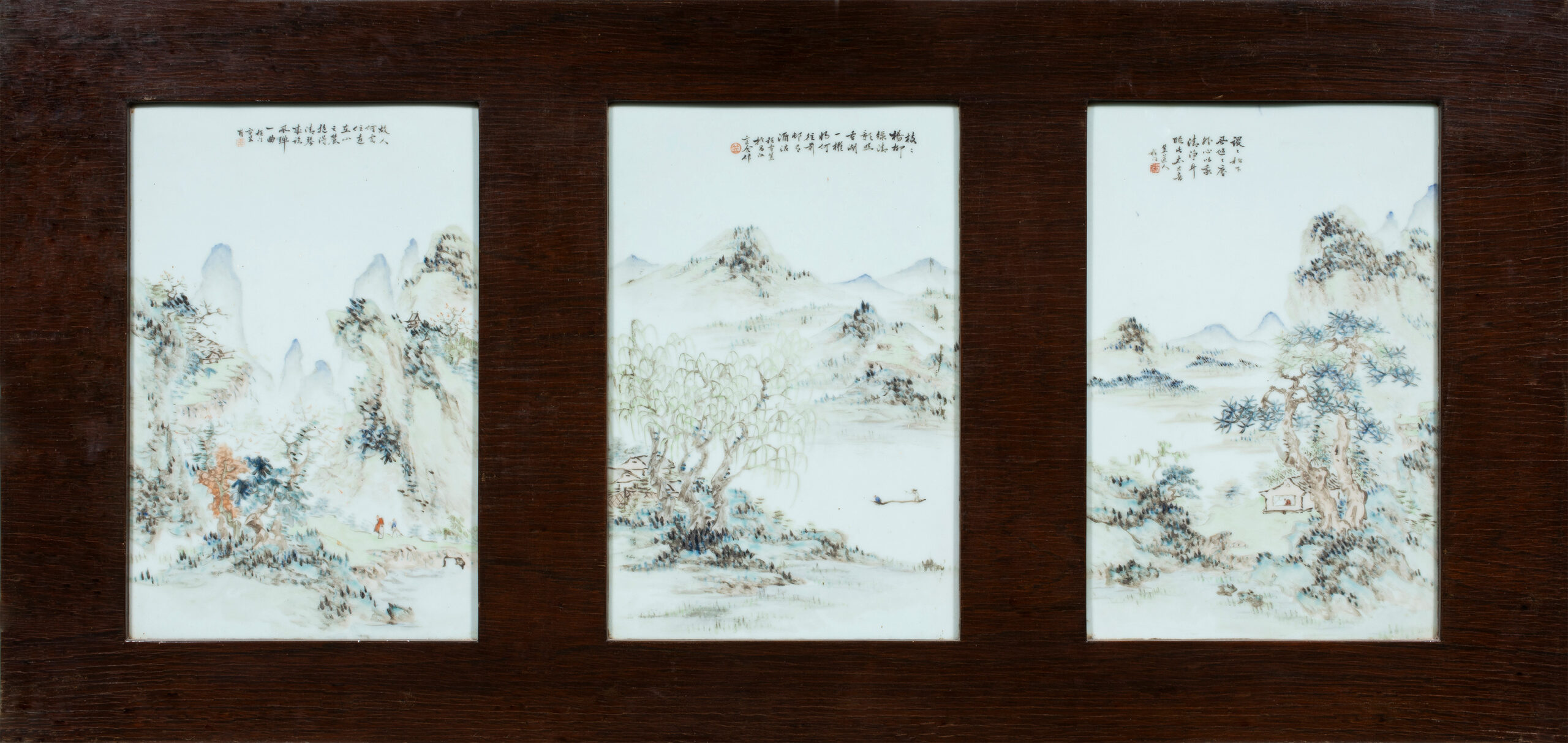
This period of upheaval gave rise to a new porcelain style. Known as ‘qianjiang cai,’ this aesthetic is distinguished by its soft, subtle hues, a stark contrast to the bold and opaque enamels that had been popular before. Translated as “light umber,” ‘qianjiang cai’ drew inspiration from the literati paintings of the Song and Yuan dynasties, which achieved a sense of atmosphere through the gradual blending of ink tones. To appeal to the scholarly class, artisans in Jingdezhen began to replicate these paintings on porcelain. These soft-colored enamels were used not only for landscape scenes but also for subjects like birds-and-flowers, still-life compositions featuring auspicious objects, and figures from history, mythology, or religion.
With such a talented community of artisans, creativity and innovation were essential for survival. Among the success stories from this era are the ‘Zhushan bayou’ (Eight Friends of Zhushan), a group of artists who gathered on the full moon of every lunar month. Each member of the group had their own area of expertise and unique aesthetic preferences. Wang Qi, widely regarded as the leader of the group, was known for his depictions of figures. His masterful use of graduated, soft tones, especially in delicate facial features, created striking and evocative images that continue to captivate viewers today.
(lot of 3) Chinese ‘qianjiang’ enameled ‘landscape’ porcelain plaques. Sold: $4,095
Another notable figure from this period is Wang Bu, who sought to create a more realistic style, though not in the muted tones of ‘qianjiang cai.’ Specializing in ceramics and trained in the blue-and-white art, Wang Bu revived the portrayal of birds and flowers with his innovative technique, employing lighter shades of cobalt to contrast with the traditionally dense and bold blue of the past.
The artists of Jingdezhen during the late 19th and early 20th centuries experienced significant changes, but their creativity and adaptability ensured their survival, leaving a lasting legacy.
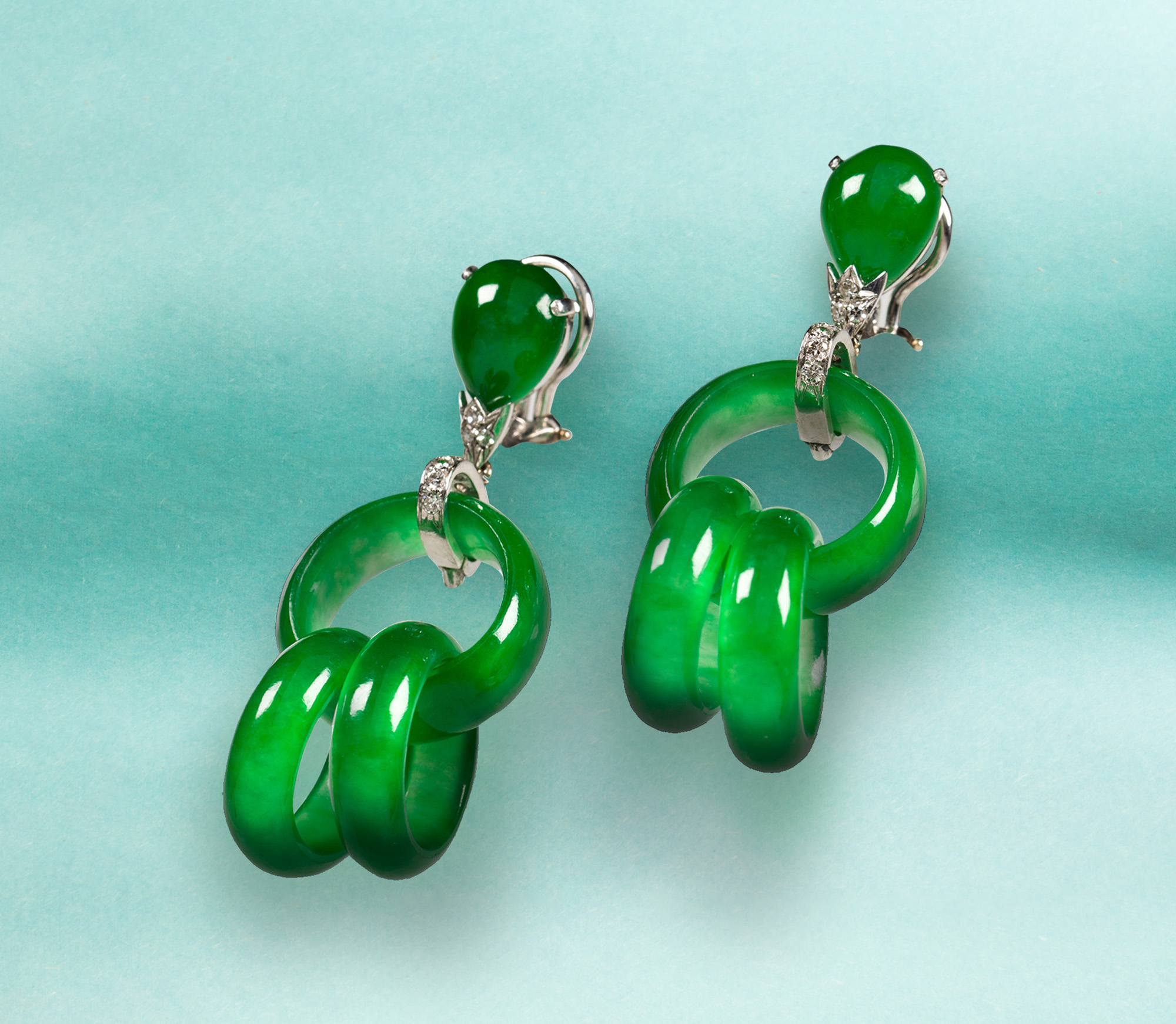
When a jade bangle bracelet or necklace fetches millions of dollars at auction, collectors worldwide wonder if their jade is also valuable. What is jade and where does it come from?
As we bid farewell to 2025, we take a moment to reflect on the remarkable moments and milestones we’ve shared with you throughout the year.
Highlights
Stories & News
Asian Art Spotlight: Dragon Skirt
Asian Art
Highlights
The Asian Art portion of the January 17th auction features important works from China, including a late 18th to early 19th century Chinese brocade blue-ground dragon skirt.
This skirt was commissioned by the Qing imperial court for exclusive use by the royal family. This regal textile represents the opulence and craftsmanship of the Qing dynasty.