Clars’ September Gallery Auction will provide an elevated experience, bringing together an Important Arts & Crafts Collection that features distinguished designers.
The Arts & Crafts section is led by a Dirk Van Erp hammered copper and mica rivet-base table lamp, featuring a vented shade, original mica, and closed-box mark with the ghost of D’Arcy Gaw. The 19-inch-high lamp is estimated at $8,000–$10,000.
A Dirk Van Erp hammered copper and mica rivet base table lamp, with vented shade, original mica, and closed box mark with ghost of D’Arcy Gaw. Estimate: $8,000–$10,000
A large collection of Arts and Crafts hammered copper including early Dirk Van Erp and Harry Dixon. Estimates vary
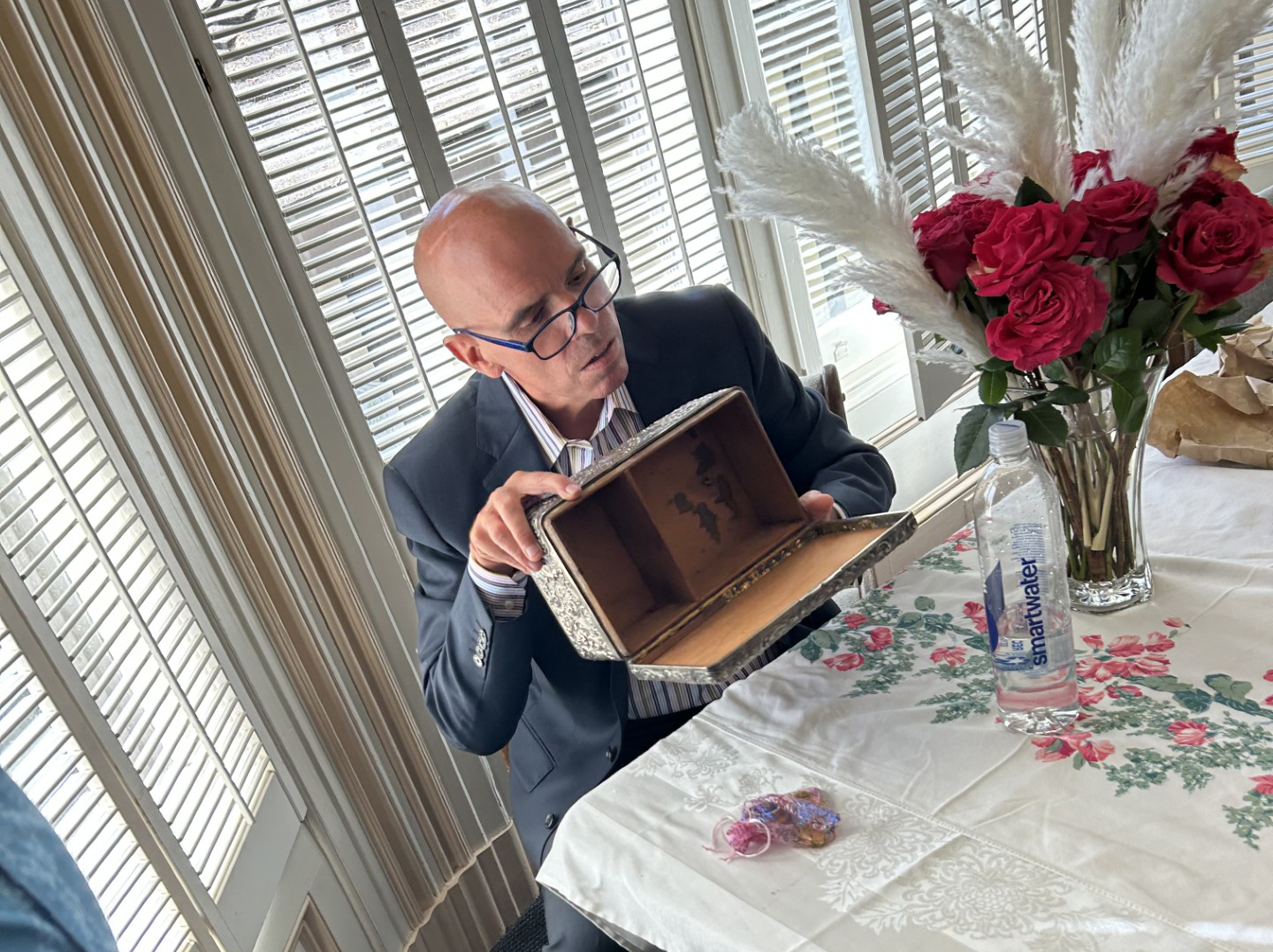
A Tiffany Studios Favrile lamp, measuring 17.5 inches high, carries an estimate of $5,000–$7,000. A fascinating piece of Panama-Pacific International Exposition history is represented by a cased presentation box of fitted Novagems, given to Edwin J. Symmes in 1915 in appreciation of his architectural contributions to the exhibition’s “Joy Zone.” The boxed set is expected to achieve $5,000–$7,000.
A Tiffany Studios Favrile lamp. Estimate: $5,000–$7,000
A cased presentation box of fitted Novagems, given to Edwin J. Symmes in 1915 in appreciation of his architectural contributions to the Panama Pacific International Exhibition’s Joy Zone. Estimate: $5,000–$7,000
An early L. & J.G. Stickley bookcase. Provenance: Isak Lindenauer, San Francisco Estimate: $4,000–$6,000
The collection continues with an early L. & J.G. Stickley three-door bookcase, #331½, Onondaga Shops, estimated at $4,000–$6,000, and a Gustav Stickley spindle Morris chair, estimated at $2,500–$3,500. Collectors will also find an impressive group of works associated with Dirk Van Erp and Elizabeth D’Arcy Gaw, including two hammered copper “warty” bowls, as well as an Arts and Crafts Wilder Bentley leaded glass door, original to the Frederickson House in Berkeley, California, estimated at $2,000–$4,000.
A Gustav Stickley model 369 spindle Morris chair. Estimate: $2,500–$3,500
A Dirk van Erp and Elizabeth D’Arcy Gaw warty bowl. Estimate: $2,000–$4,000
An Arts and Crafts Wilder Bentley leaded glass door, original to the Frederickson House, Berkeley, CA. Estimate: $2,000–$4,000
A Dirk van Erp and Elizabeth D’Arcy Gaw hammered copper warty bowl. Estimate: $1,500–$2,500
Furniture highlights include a Gustav Stickley nine-drawer chest, estimated at $2,000–$5,000; a Gustav Stickley Eastwood, New York, bookcase, estimated at $1,500–$2,500; a Gustav Stickley model 65 dining table, estimated at $1,500–$2,500; and a Gustav Stickley leather-top lamp table, also estimated at $1,500–$2,500. Several Stickley pieces carry provenance from Isak Lindenauer, San Francisco.
A Gustav Stickley nine-drawer chest. Provenance: Isak Lindenauer, San Francisco Estimate: $2,000–$5,000
A Gustav Stickley bookcase, Eastwood New York. Estimate: $1,500–$2,500
A Gustav Stickley dining table, model 65, with three leaves. Estimate: $1,500–$2,500
An Arts and Crafts Gustav Stickley leather-top lamp table. Provenance: Isak Lindenauer, San Francisco Estimate: $1,500–$2,500
Ceramics include a rare Rookwood Kataro Shirayamadani iris-decorated vase, estimated at $2,000–$3,000, and a rare and massive Teco Pottery floor vase with steel-blue matte glaze, estimated at $2,000–$4,000. A hand-hammered copper and mica floor lamp rounds out the lighting selection at $2,000–$4,000.
A rare Rookwood Kataro Shirayamadani iris-decorated vase. Estimate: $2,000–$3,000
A rare and massive Teco Pottery floor vase. Estimate: $2,000–$4,000
An Arequipa California pottery squeeze bag vase. Estimate: $800–$1,200
A hand hammered copper and mica floor lamp. Estimate: $2,000–$4,000
Our June 19th auction will feature important paintings, rare Asian objects, fine furnishings, and decorative pieces.
Auction
Highlights
Globe Trotting in Style: French Steamer Trunks
Designer Spotlight
Furniture & Decorative Arts
Designer French steamer trunks have been collected by both aficionados and novice collectors alike for decades, but what makes them so collectible?
In order to get a better understanding of steamer trunks and their popularity, it is necessary to learn more about their historical context. Following the Industrial Revolution, the invention of steam locomotives and ocean liners from the early to mid-19th century opened the door for intercontinental travel. This resulted in increased use of large trunks to transport traveler’s belongings.
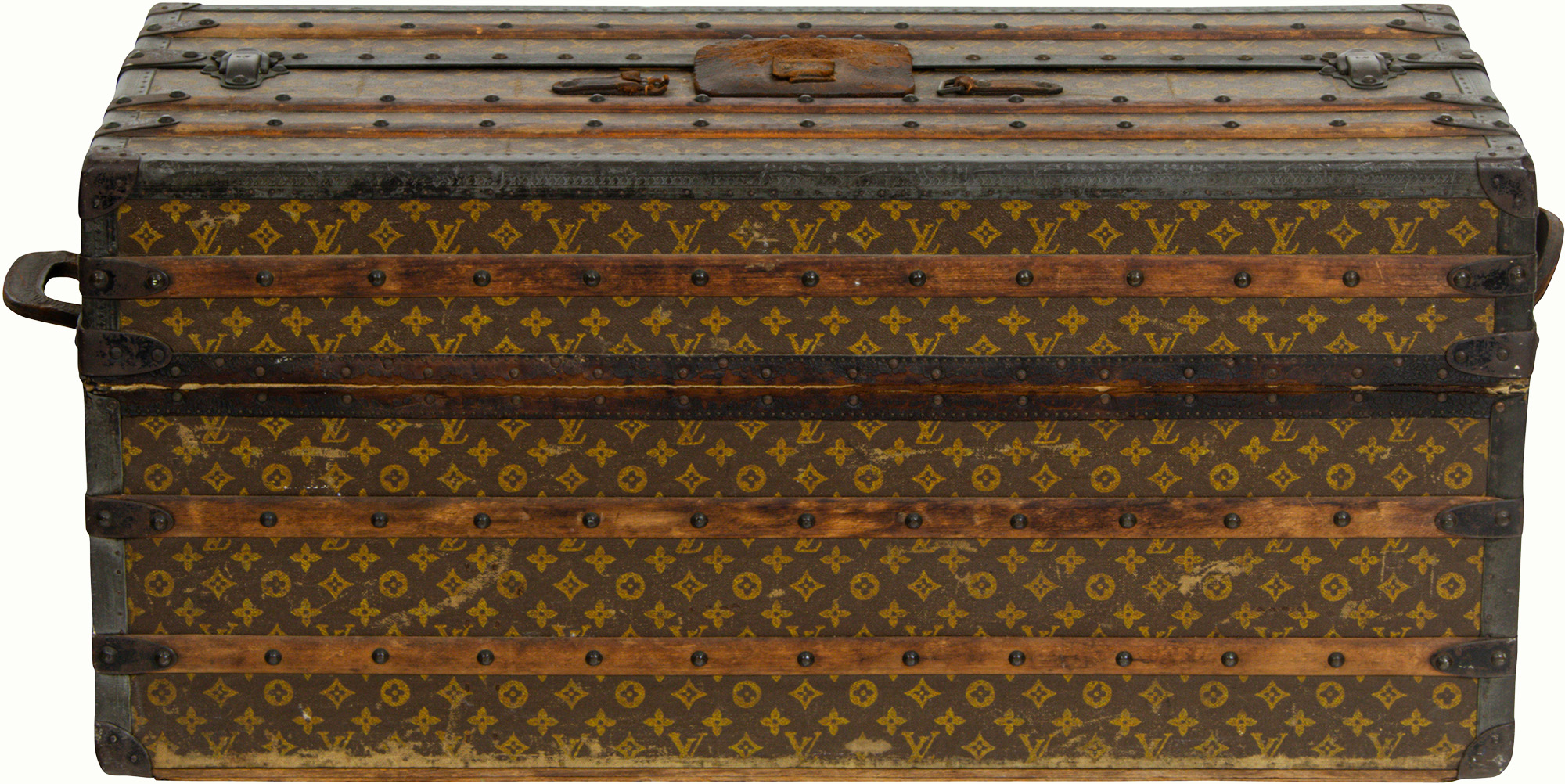
A Louis Vuitton monogram steamer trunk. Sold: $10,710
Originally, steamer trunks had a domed top that would protect fine clothing from the elements. However, with increased travel on large ocean liners and trains, how could locomotives and liners successfully store so many pieces of luggage? In response, Louis Vuitton established his company in 1854, fashioning high end steamer trunks with an innovative rectangular form.
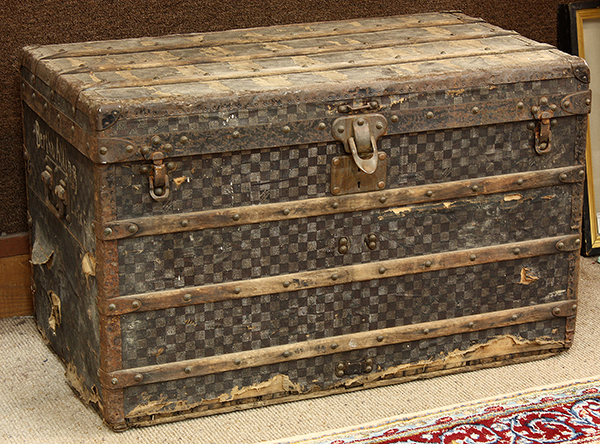
Damier checkerboard canvas trunk, circa 1895.
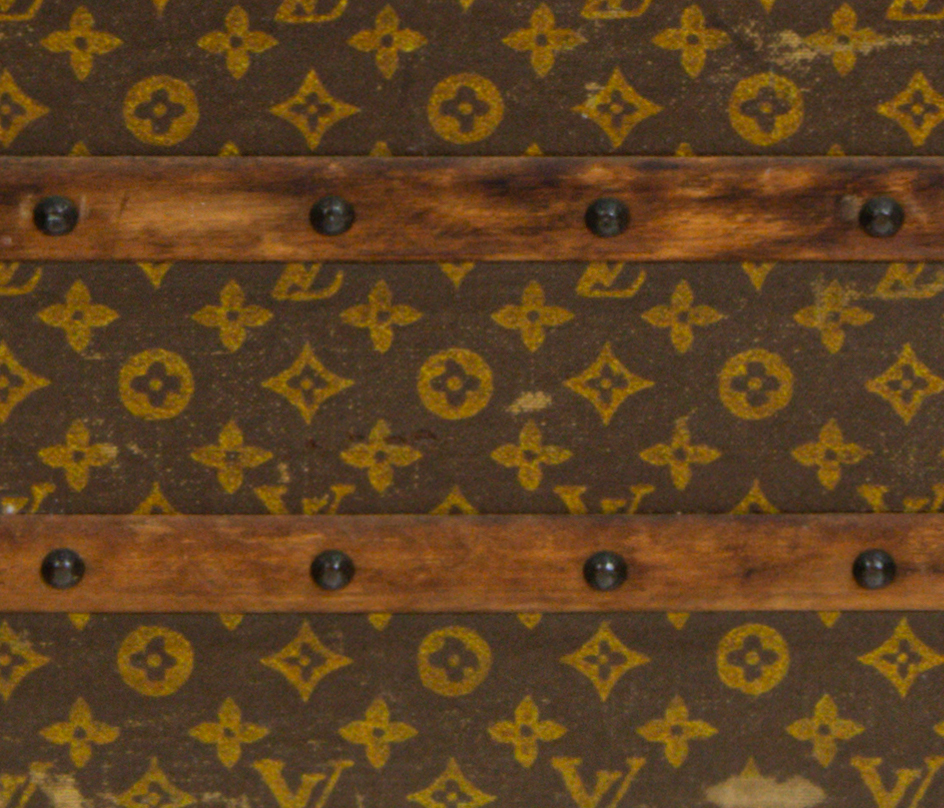
Surprisingly, the first Louis Vuitton trunks did not use the well-known monogram canvas. Early steamer trunks were made in grey canvas. Beginning in 1872, this changed to red and beige striped canvas, and in 1888, moved to a Damier checkerboard canvas. It was not until after Louis Vuitton’s death that the company began to produce trunks with the signature Louis Vuitton monogrammed pattern.
A Louis Vuitton Damier checkerboard canvas trunk, circa 1890.
How can you find the date of your Louis Vuitton steamer trunk?
The first clue lies with the label found on the interior. Generally, you should pay close attention to the store locations. The newer the trunk, the more store locations included on the label. Here are several images of labels on a variety of trunks offered at Clars.
Louis Vuitton labels. Top Left: circa 1895; Top Right: circa 1910; Middle: circa 1920; Bottom Left: circa 1920s; Bottom Right: circa 1960s.
Additionally, you will want to find a stamped or printed serial number. It is also important to take a look at the engravings on the hardware, as well as embroidery and stitching on the interior. Signatures will also appear on other elements, right down to the hangers. As antique Louis Vuitton trunks were not mechanically massed produced, there are many details to look for.
Louis Vuitton trunk detail.
What should I look for when purchasing a Louis Vuitton trunk?
There are several important factors to ask when buying a Louis Vuitton trunk, but it is most important to purchase your trunk from a reputable source. It is imperative is to request additional photographs, and ask the seller questions about the trunk. When in doubt, it is important to send photographs of your trunk and label to a reputable gallery.
Louis Vuitton trunk detail.
Steamer trunks are only one of many forms of luggage produced by Louis Vuitton. Clars has sold a variety of forms, including a train case, a cabin trunk, a wardrobe, as well as hardcase luggage. A form that is rarer can be more collectible, for example this exceptional vertical Louis Vuitton steamer trunk with basket insert that hammered for $13,000. For further reading, Louis Vuitton has produced a guide titled Louis Vuitton: 100 Legendary Trunks, which includes over eight hundred photographs of Louis Vuitton trunks and luggage.
A Louis Vuitton rare steamer trunk, circa 1920. Sold: $13,000
Are there other early 20th century French designers who manufactured steamer trunks?
Louis Vuitton was not the only French designer manufacturing steamer trunks at the turn of the 20th century. Another well-known and collectible French designer is Goyard. Goyard was established in 1853, just one year before Louis Vuitton opened his doors. While the company began under the leadership of Francois Goyard, many rectangular steamer trunks, circa 1900, were created under the authority of Edmond Goyard (1860–1937). Goyard is known for its signature chevron canvas. Similar to Louis Vuitton, it is important to take a look at the hardware and interior stitching. As Goyard was also a high end producer, the hardware should be engraved or embossed, and the interior should have the original stitched Goyard strapwork.
Goyard steamer trunk pattern.
Again, if you are unsure if your trunk is an authentic Louis Vuitton or Goyard example, it is advisable to send photographs to a knowledgeable gallery. It is also imperative that you purchase trunks from trustworthy galleries, and ask for additional photographs. A reliable gallery will be happy to address and questions or concerns you may have about a piece.
Tom and Gussie Lyon’s shared love of design, art, and architecture began soon after their wedding in the early 1950s.
Furniture & Decorative Arts
Highlights
Designer Spotlight: Tiffany Studios
Designer Spotlight
Modern + Contemporary
Louis Comfort Tiffany was a prolific American designer whose career spanned from the 1870s–1920s. While he was most well known for his stained glass, he produced pieces in a variety of mediums, including pottery, metalwork, and lighting.
At the close of the 19th century, Louis Comfort Tiffany first developed Favrile glass. Deeply impressed from a recent trip to Europe in the 1860s, Tiffany drew inspiration from Roman and Syrian glass making. After much experimenting, Tiffany’s technique of ingraining color within the glass set it apart from other types of iridescent glass, resulting in the beautiful distinctive hues of Favrile glass.
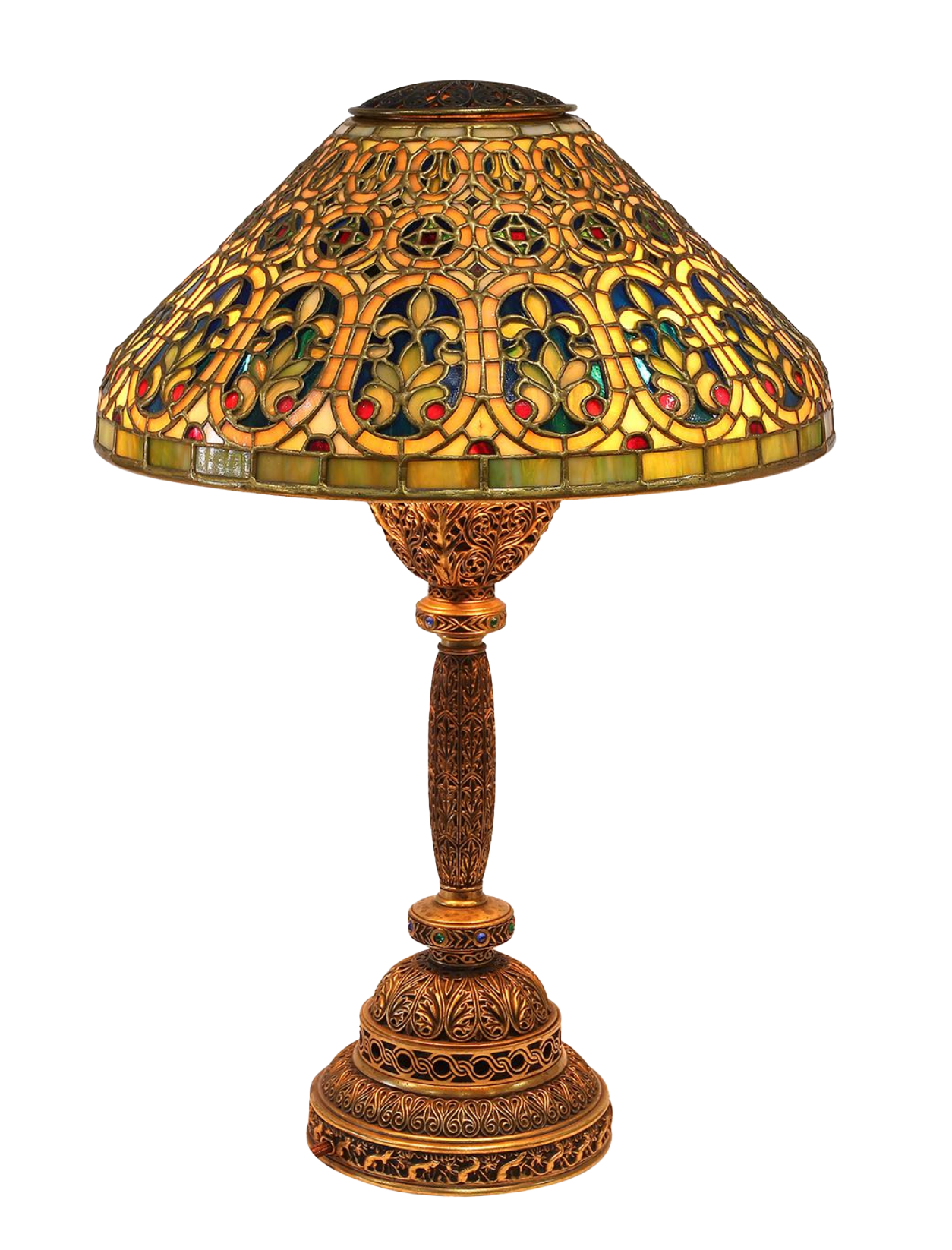
Tiffany Studios, New York, Venetian table lamp, circa 1910. Sold: $106,250
Tiffany was also largely inspired by nature – he was captivated by the array of lush colors of flowers and plants. This attraction to color also contributed to the brilliant shades featured in Favrile glass objects.
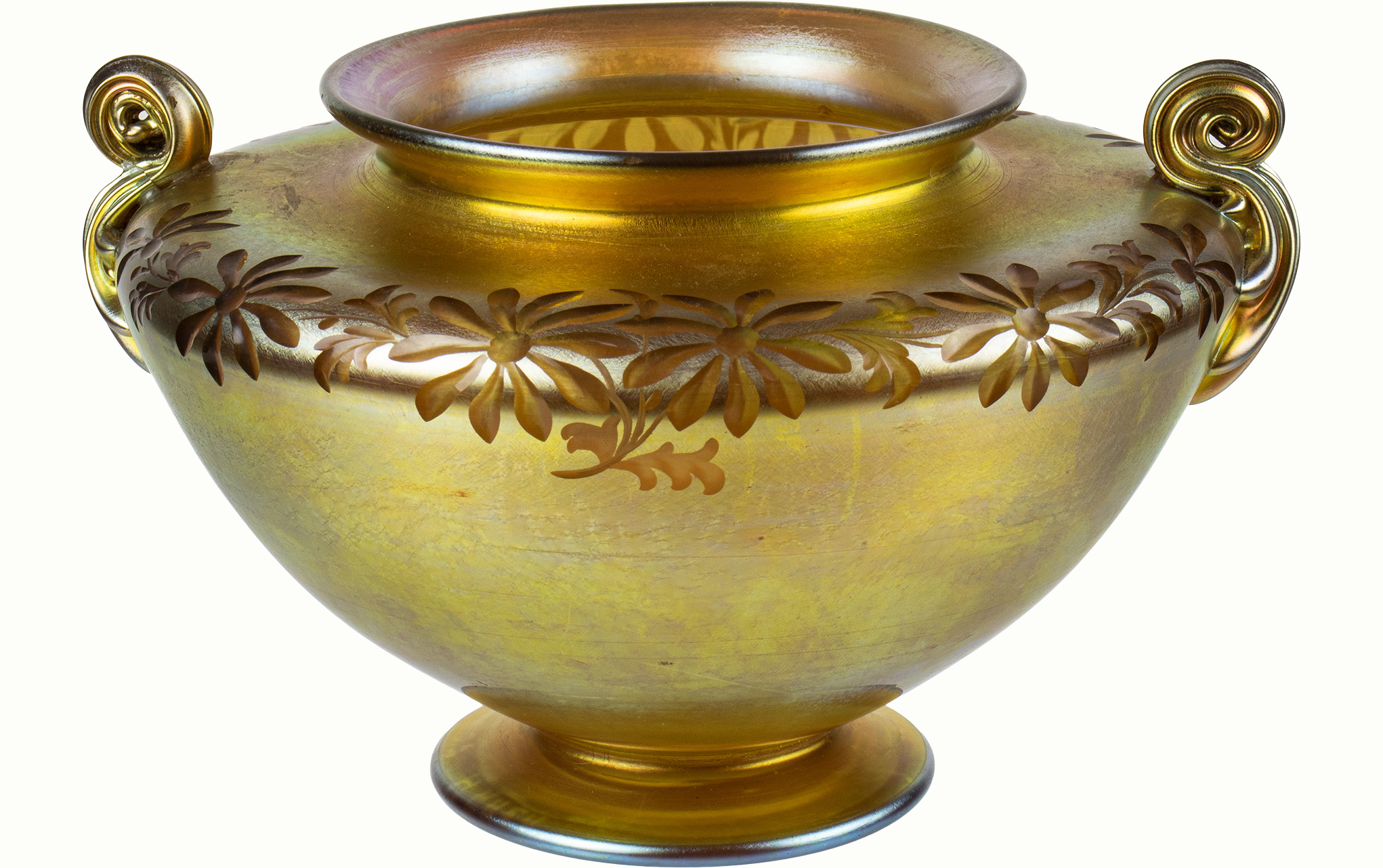
Tiffany Studios, New York, Favrile Urn. Sold: $504
Tiffany went on to win a grand prize at the 1900 Paris Exposition (the World’s Fair), for his Favrile glass. Later, he began producing lamps and large stained-glass Favrile pieces, cementing himself as one of the most influential figures in the Art Nouveau style through to the Arts and Crafts period.
Annie Leibovitz began her artistic career at the San Francisco Art Institute in the late 1960s, where she originally studied painting but was inspired to change her focus to photography.
Two of our modern and contemporary highlights this November come from American artists, Jim Dine and Brian Alfred, who draw inspiration from their surroundings in very different ways.
Clars in collaboration with exhibited.at is honored to host the discussion: Craftsmanship in the Realm of Analog and Digital on November 20th, 1 PM PST.
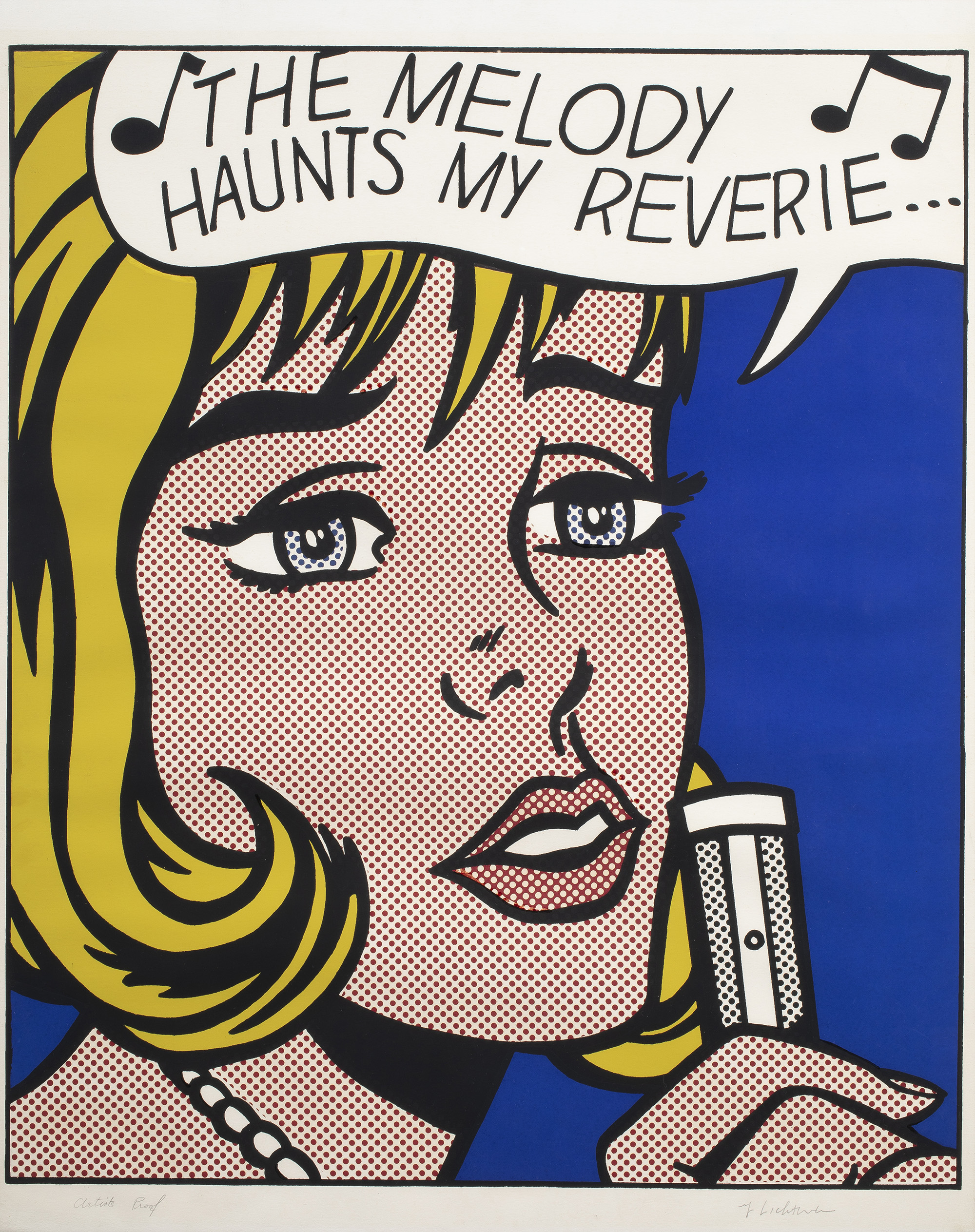
Lichtenstein was one of the most prominent figures of the Pop Art movement — most known for his comic strip-inspired paintings, prints, and sculptures.
Artist Spotlight
Modern + Contemporary
International Women’s Day
Designer Spotlight
Stories & News
Clars is celebrating International Women’s Day by highlighting the career of Greta Grossman, one of the leading female designers of the mid-20th Century.
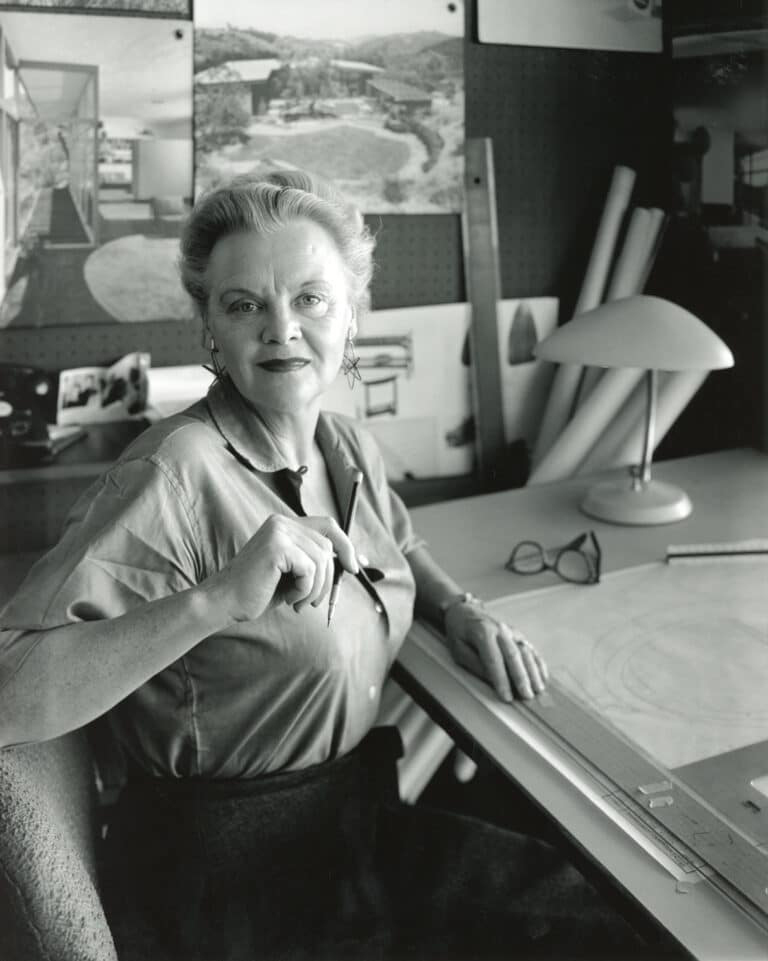
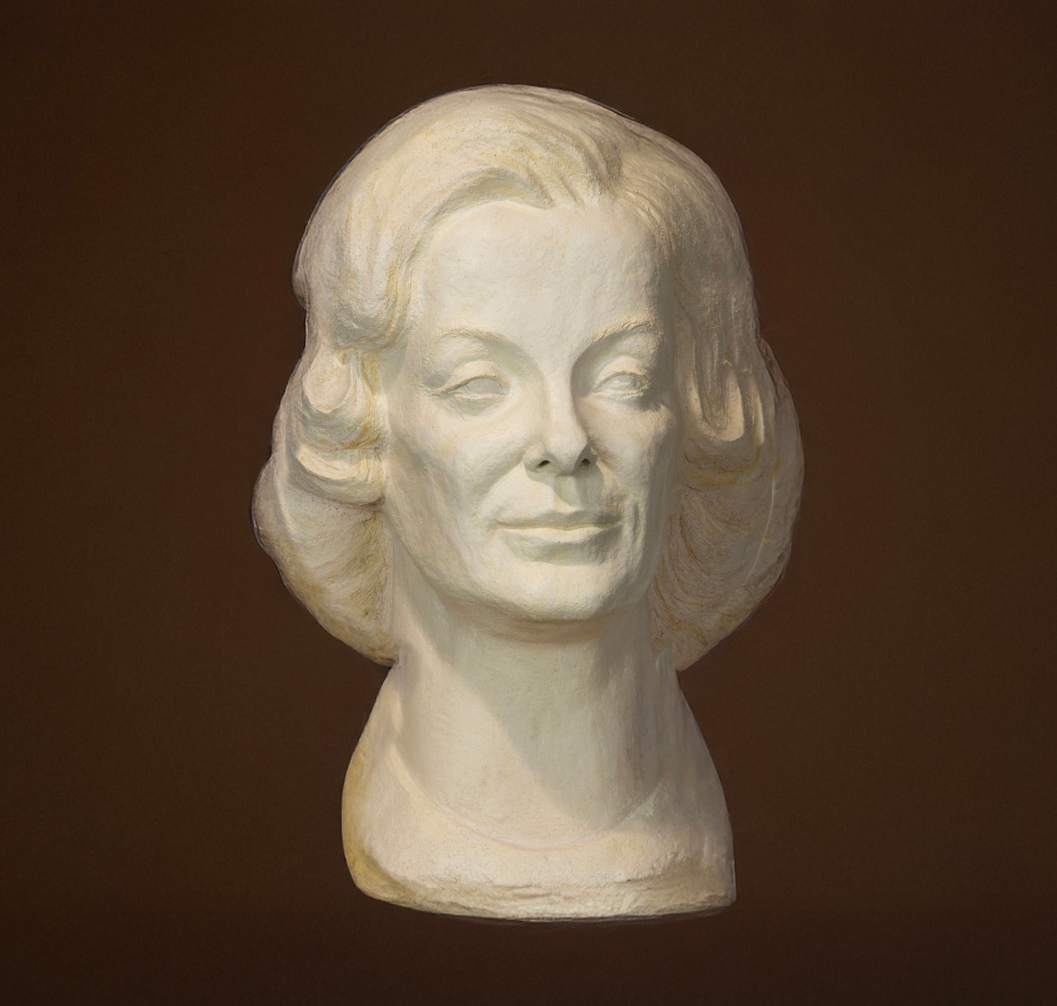
Greta Grossman.
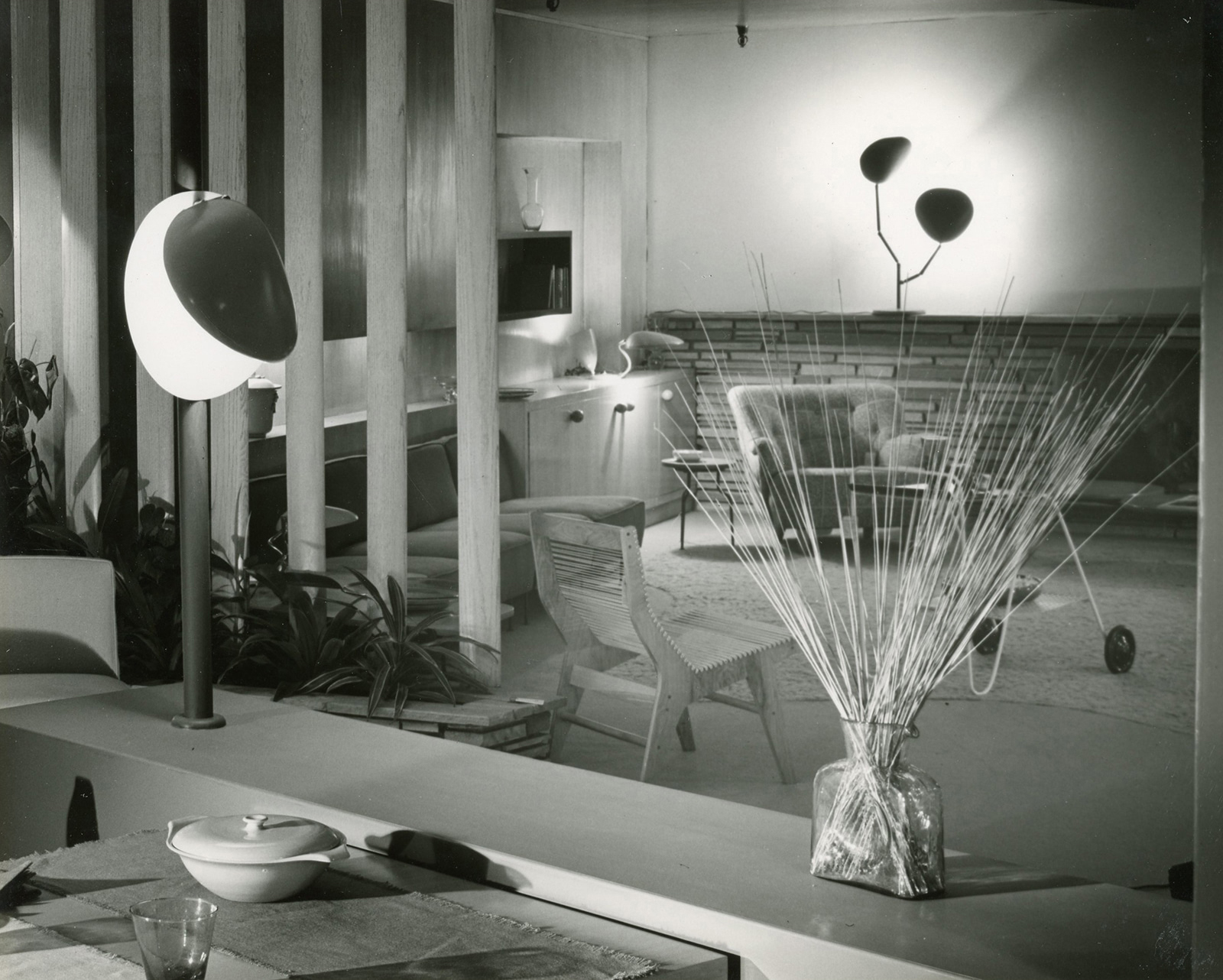
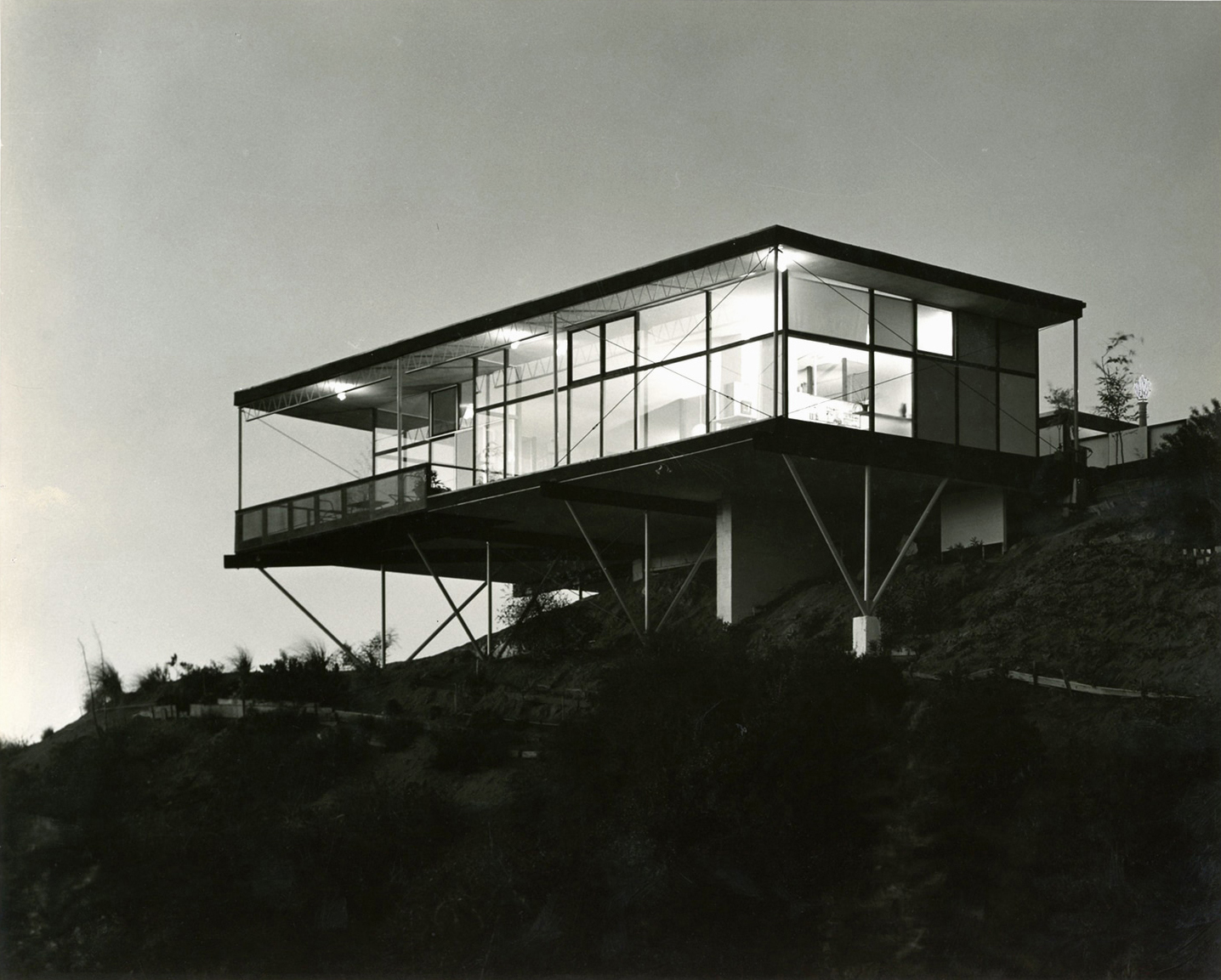
Not only was Grossman a furniture designer, but she was also an architect and interior designer. Her career spanned forty years and her reach was global. Although originally based in Sweden, Greta’s work became incredibly popular in the United States, and in the 1940s she opened a shop in Beverly Hills. It was there that she worked for celebrity clients, such as Greta Garbo.
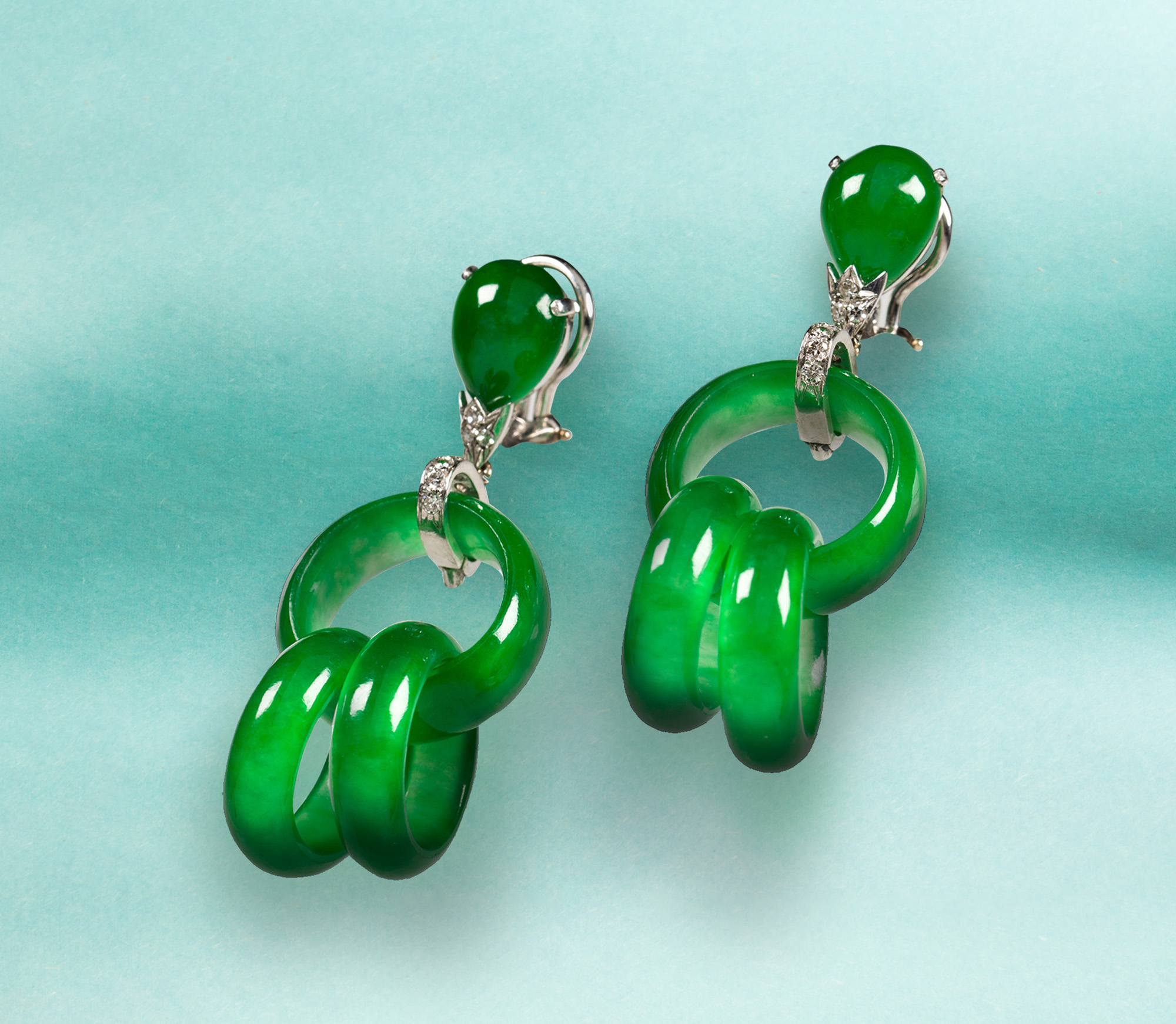
When a jade bangle bracelet or necklace fetches millions of dollars at auction, collectors worldwide wonder if their jade is also valuable. What is jade and where does it come from?