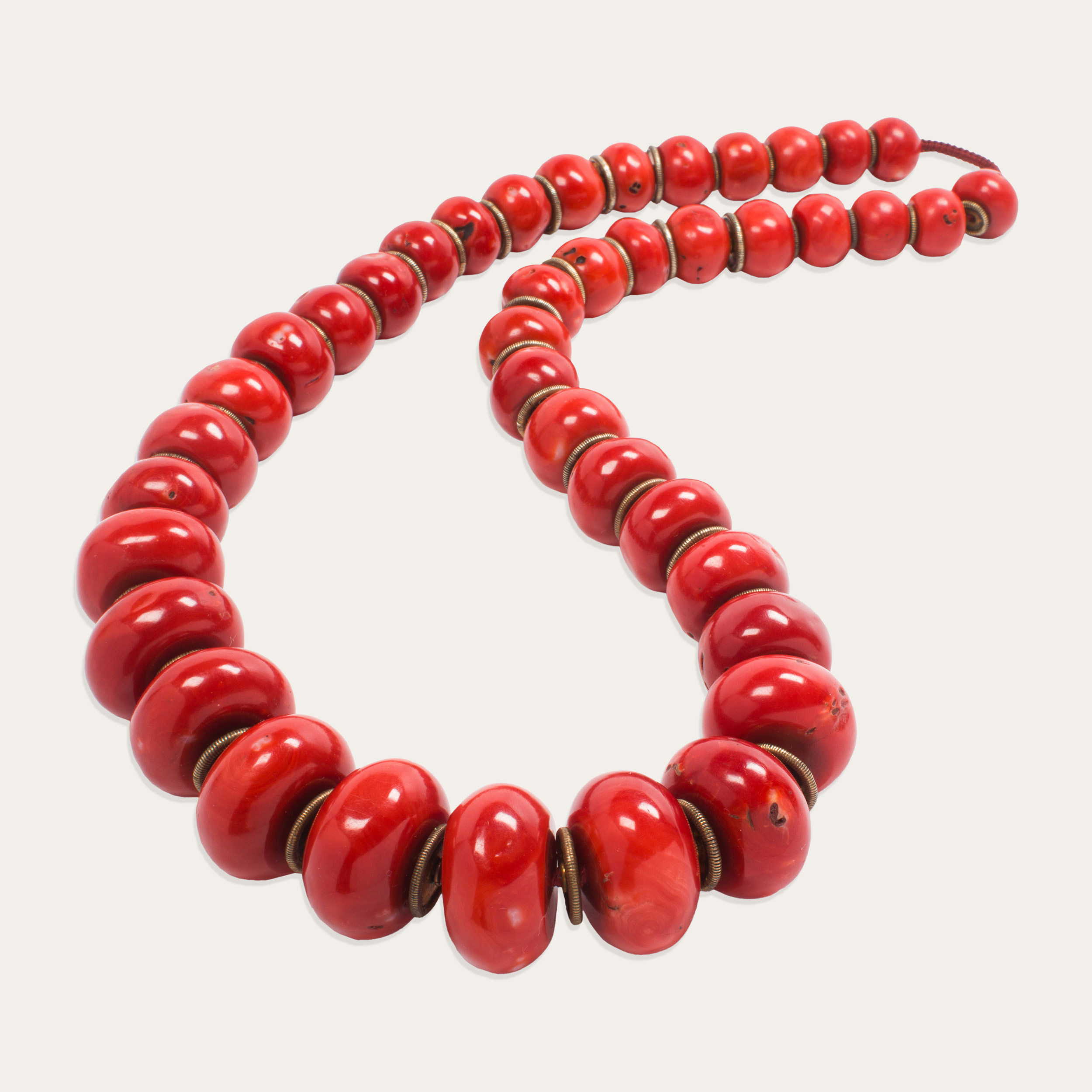
Antique Diamonds: A Collector’s Auction Highlights
Fine Jewelry & Watches
Highlights
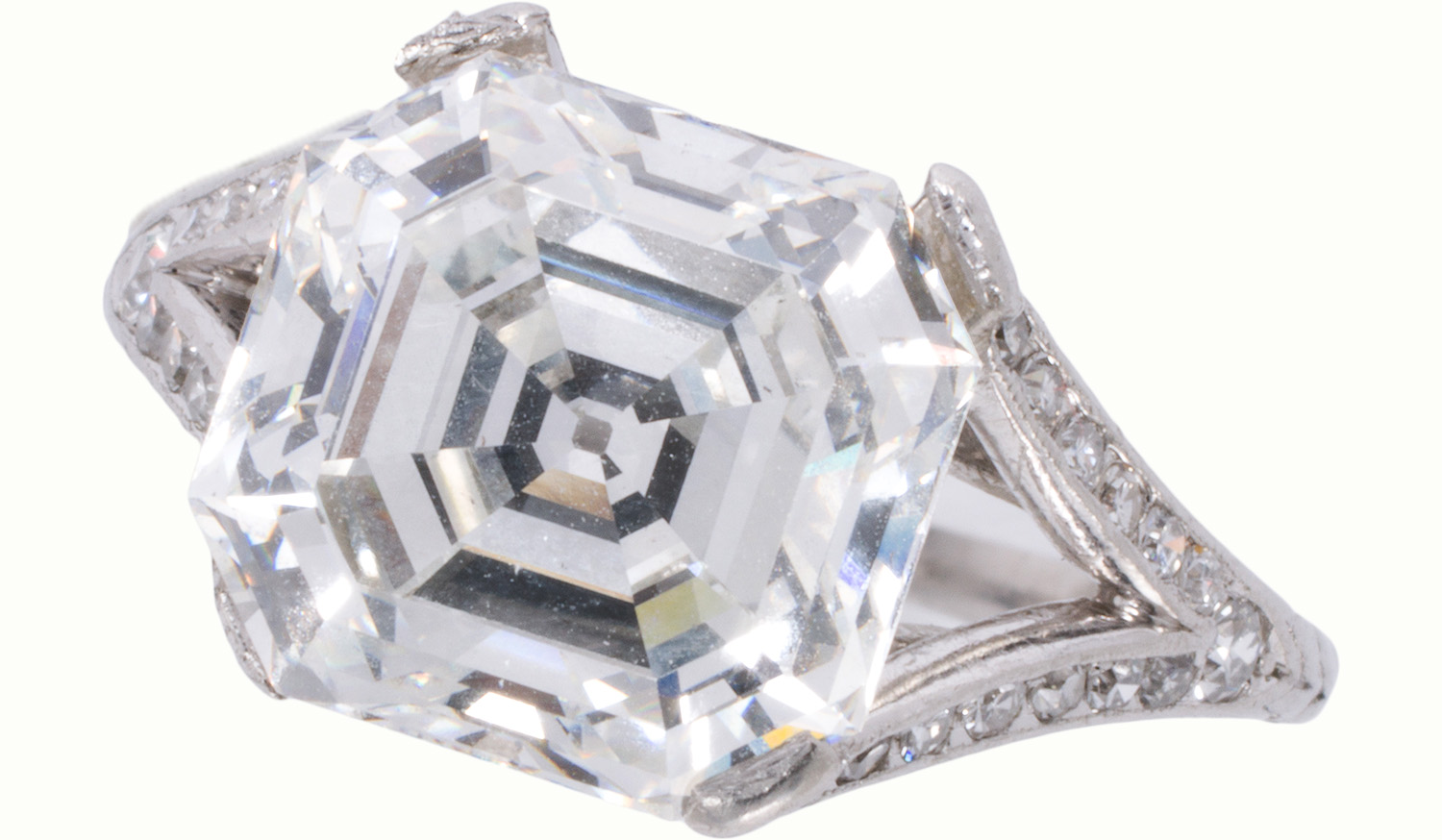
On March 19th at 2 PM PDT, Clars Auctions presents Antique Diamonds: A Collector’s Auction, led by an exceptional Art Deco platinum ring set with a 4.92-carat F color, VS2 clarity cut-cornered square step-cut diamond.
An Art Deco F, VS2 diamond and platinum ring. Estimate: $50,000–$70,000
The center stone is framed by 26 single-cut diamonds and delicate etched scrollwork, with an estimated total diamond weight of 5.20 carats and a gross weight of 4.85 grams — an elegant example of refined craftsmanship and design.
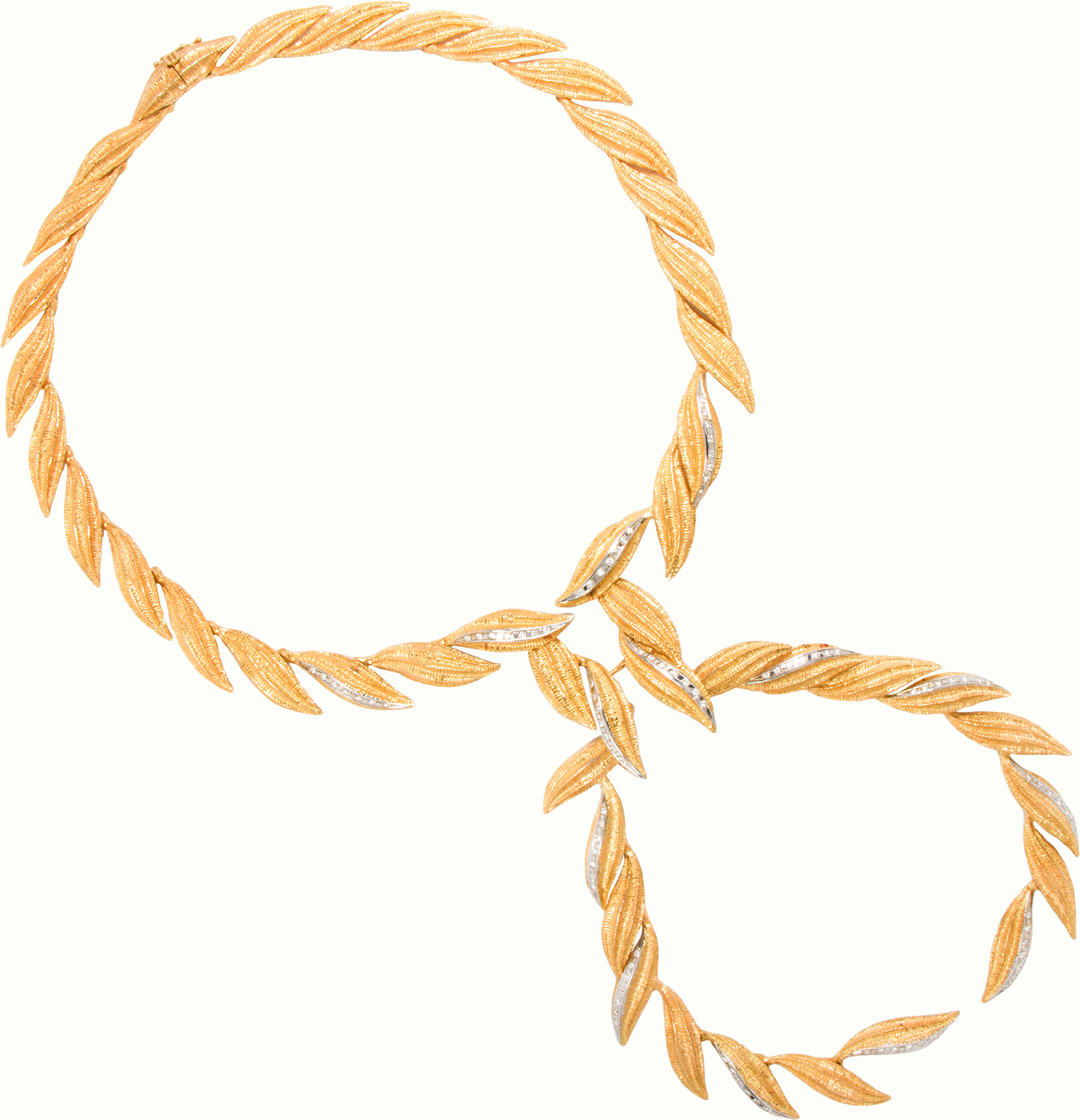
A Facadoro diamond and 18k gold opera necklace. Estimate: $25,000–$35,000
The sale also includes select Property from San Francisco Opera and a curated selection of antique and vintage jewelry. Highlights span the Georgian, Victorian, Art Deco, and Retro periods, featuring diamond solitaires, colored gemstone jewels, and finely crafted gold pieces that reflect the distinctive character of their eras.
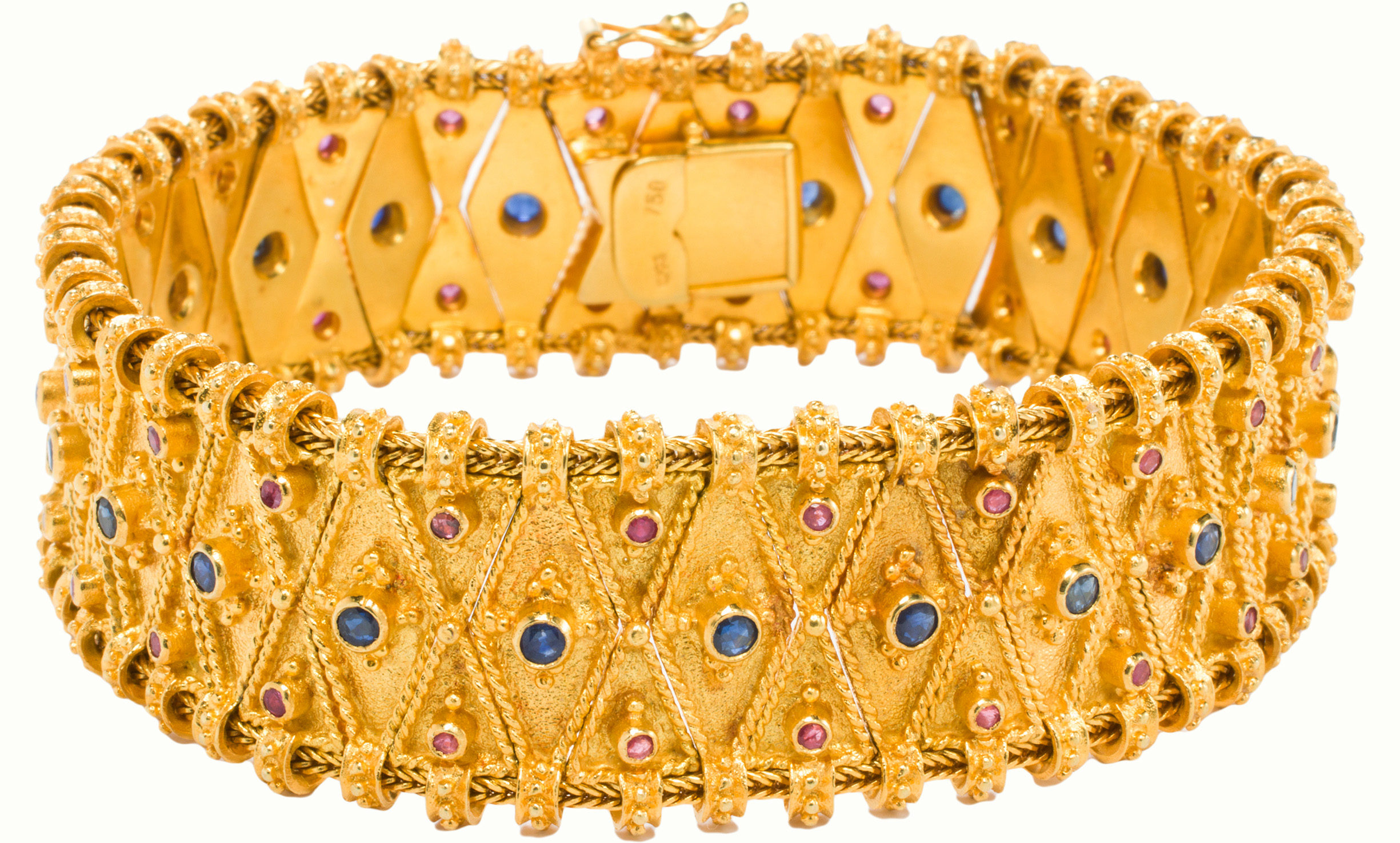
An Antique sapphire and 18k ankle bracelet. Estimate: $10,000–$15,000
Among the standout pieces is a dramatic Facadoro diamond and 18k gold opera-length necklace, notable for its scale and sophistication. From important antique diamonds to distinctive twentieth-century designs, this March auction offers collectors and new buyers alike the opportunity to acquire rare jewelry defined by quality, presence, and enduring appeal.
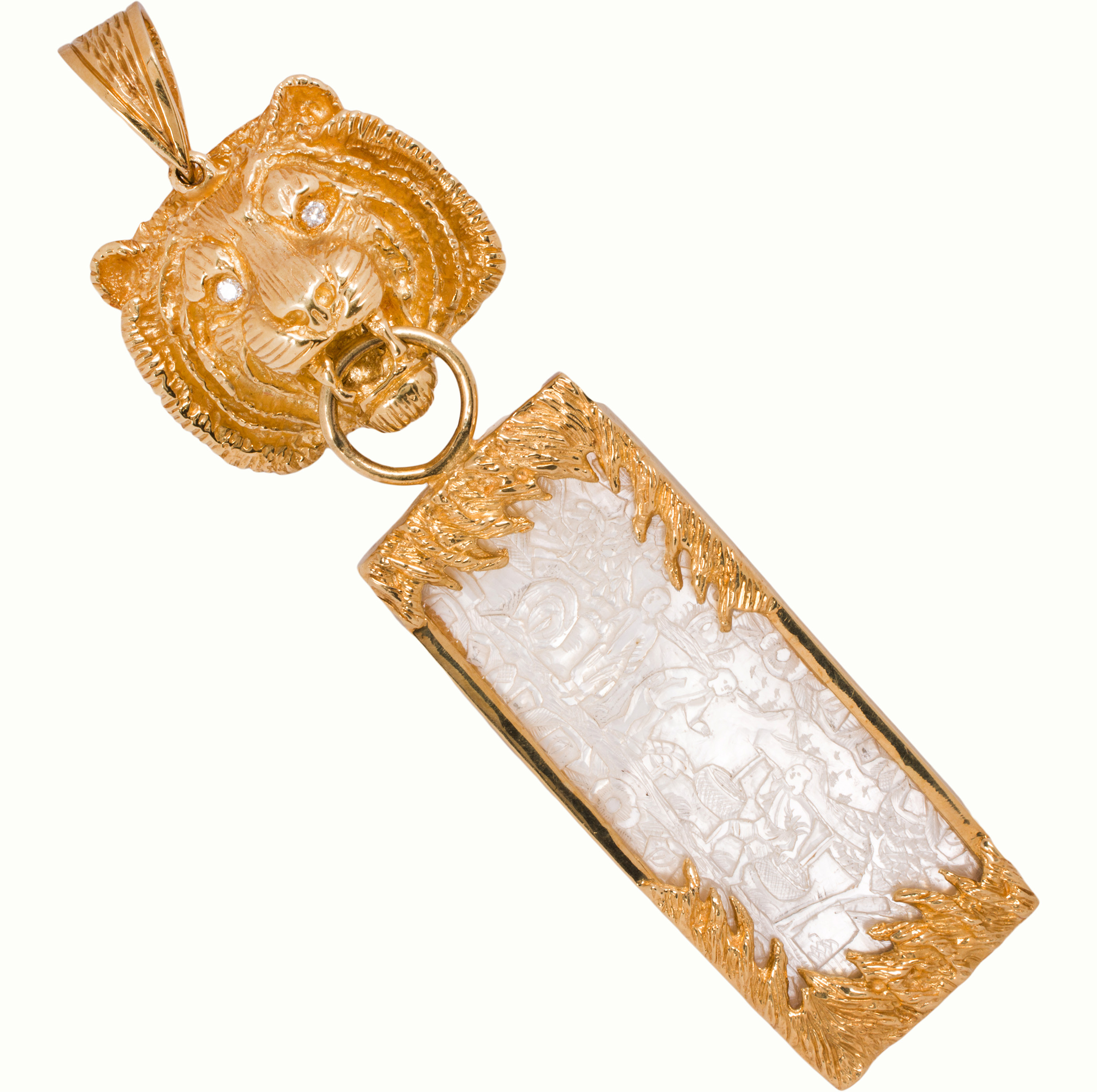
An 1840s Chinese mother of pearl gambling token and 18k gold pendant. Estimate: $8,000–$12,000
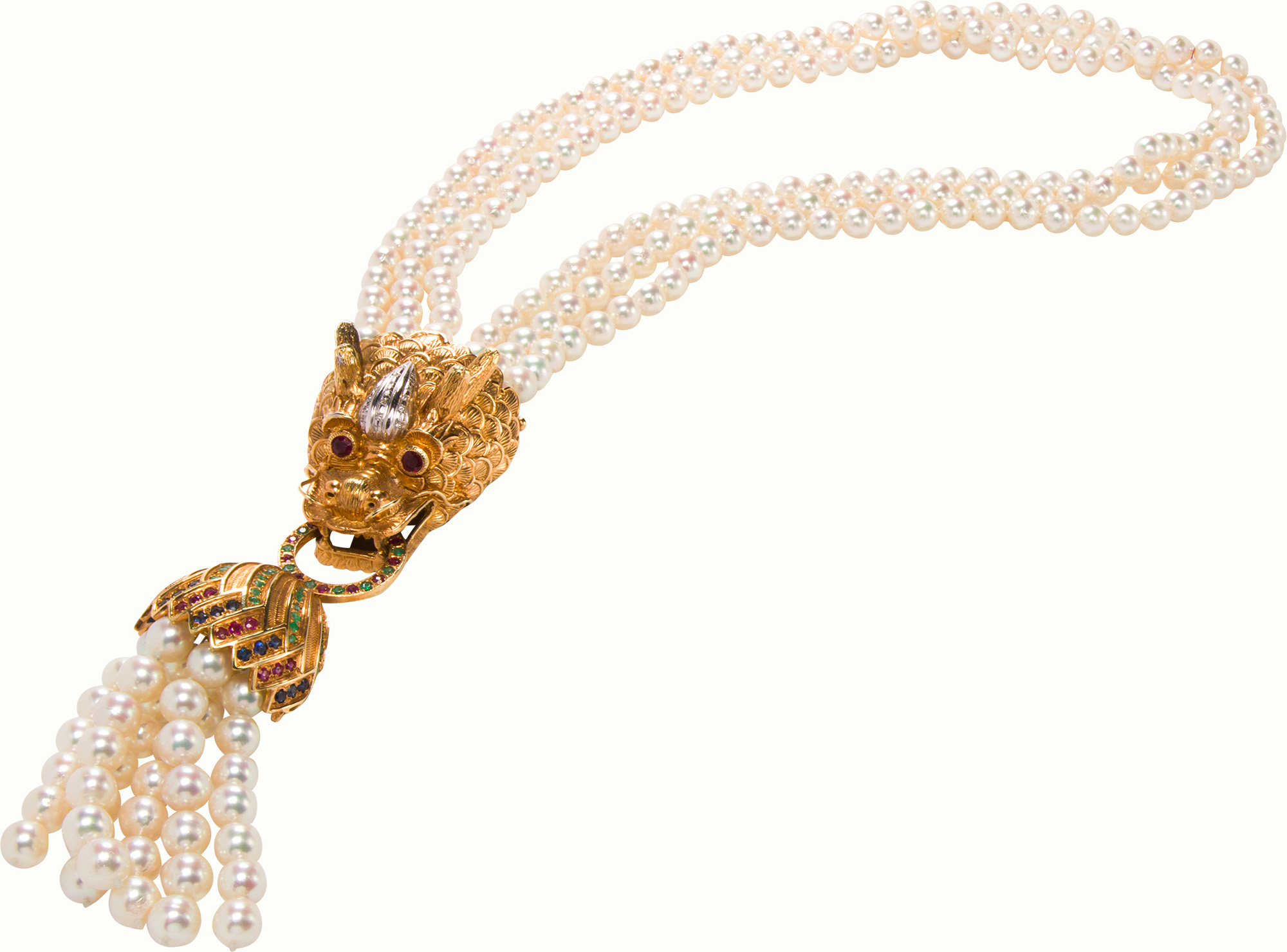
A gemstone, pearl and 14k gold dragon head necklace. Estimate: $5,000–$7,000
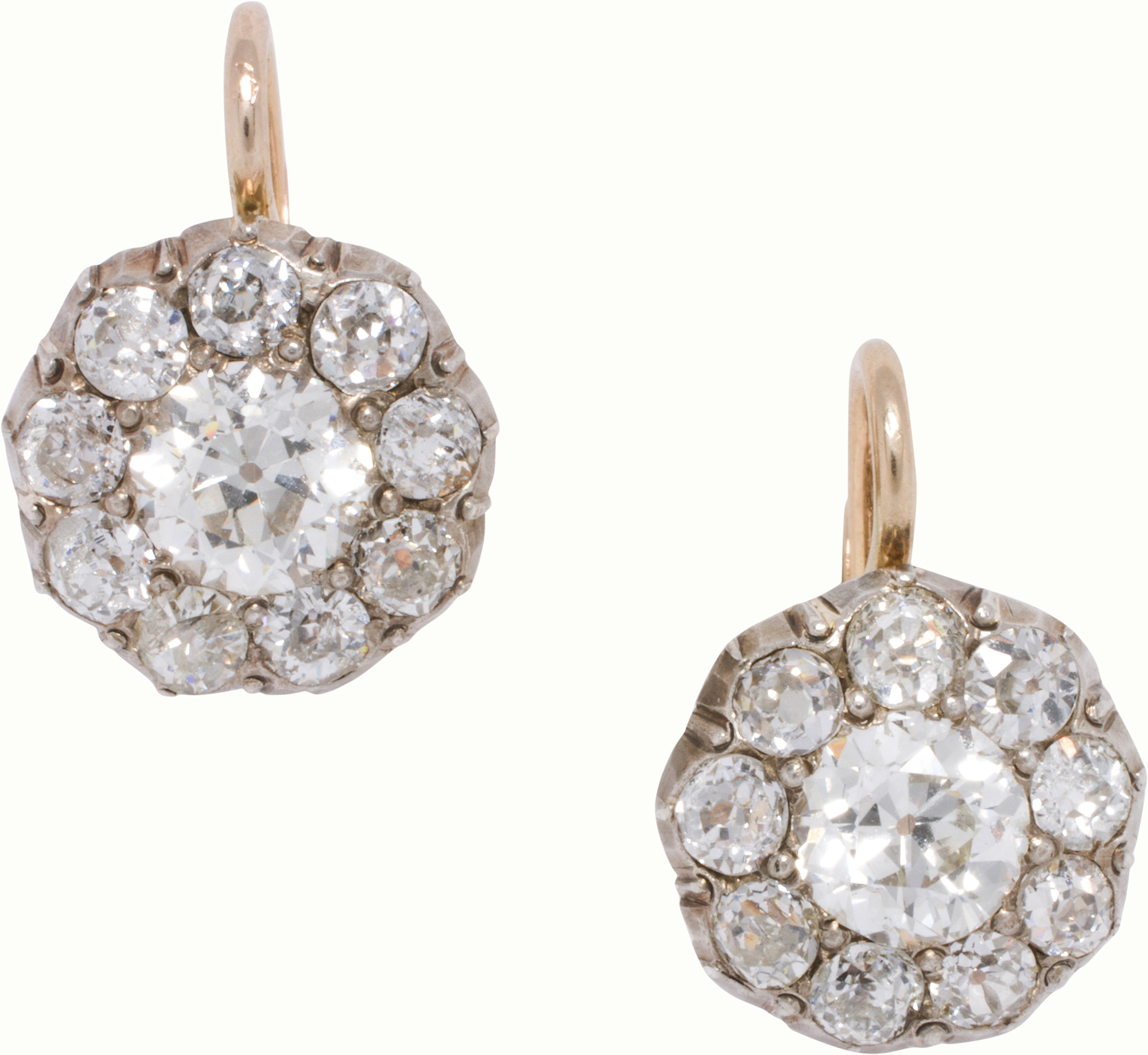
A pair of antique diamond and silver-topped 14k gold earrings. Estimate: $3,000–$5,000
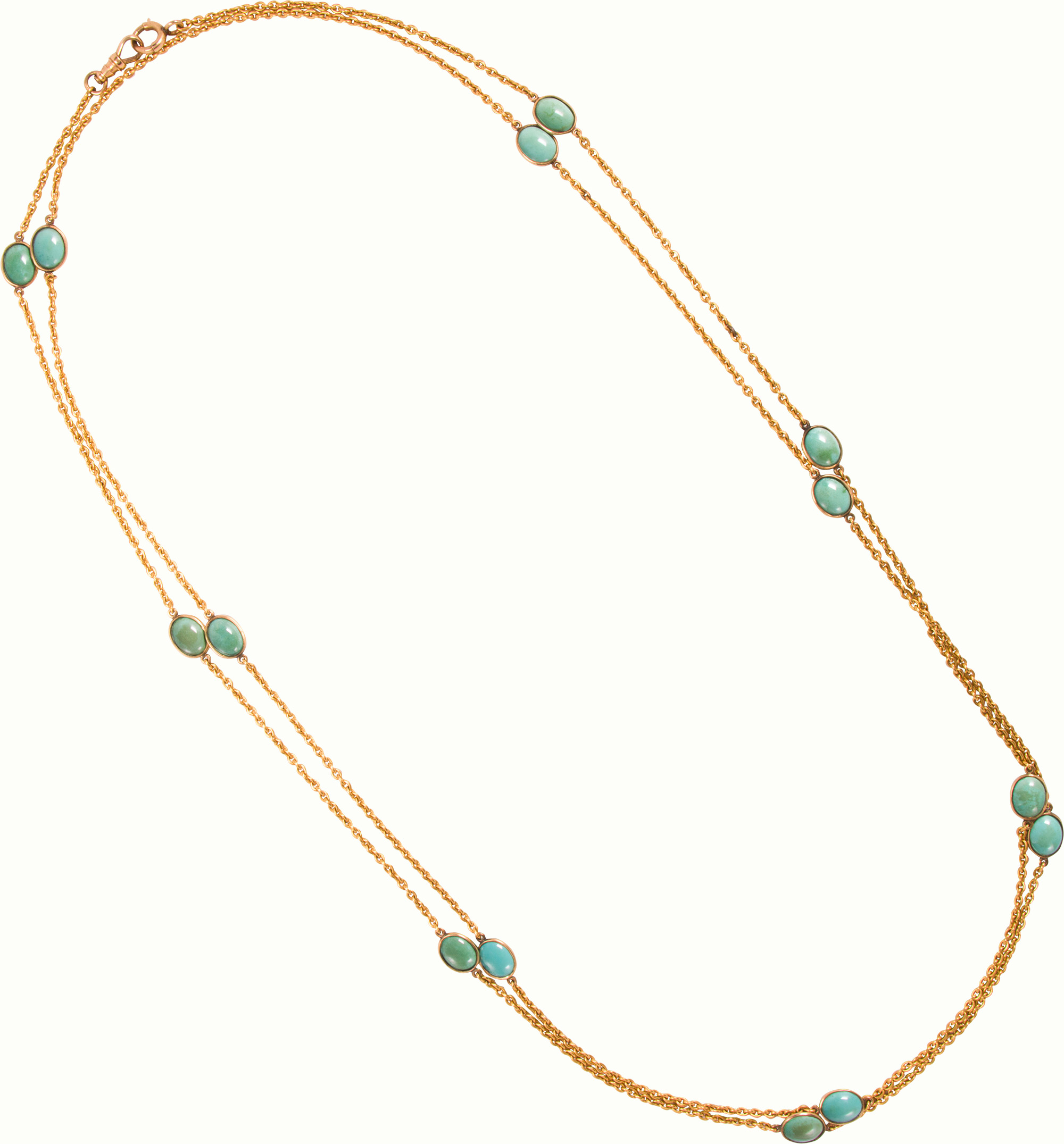
An antique turquoise and 14k gold longchain. Estimate: $2,500–$3,500
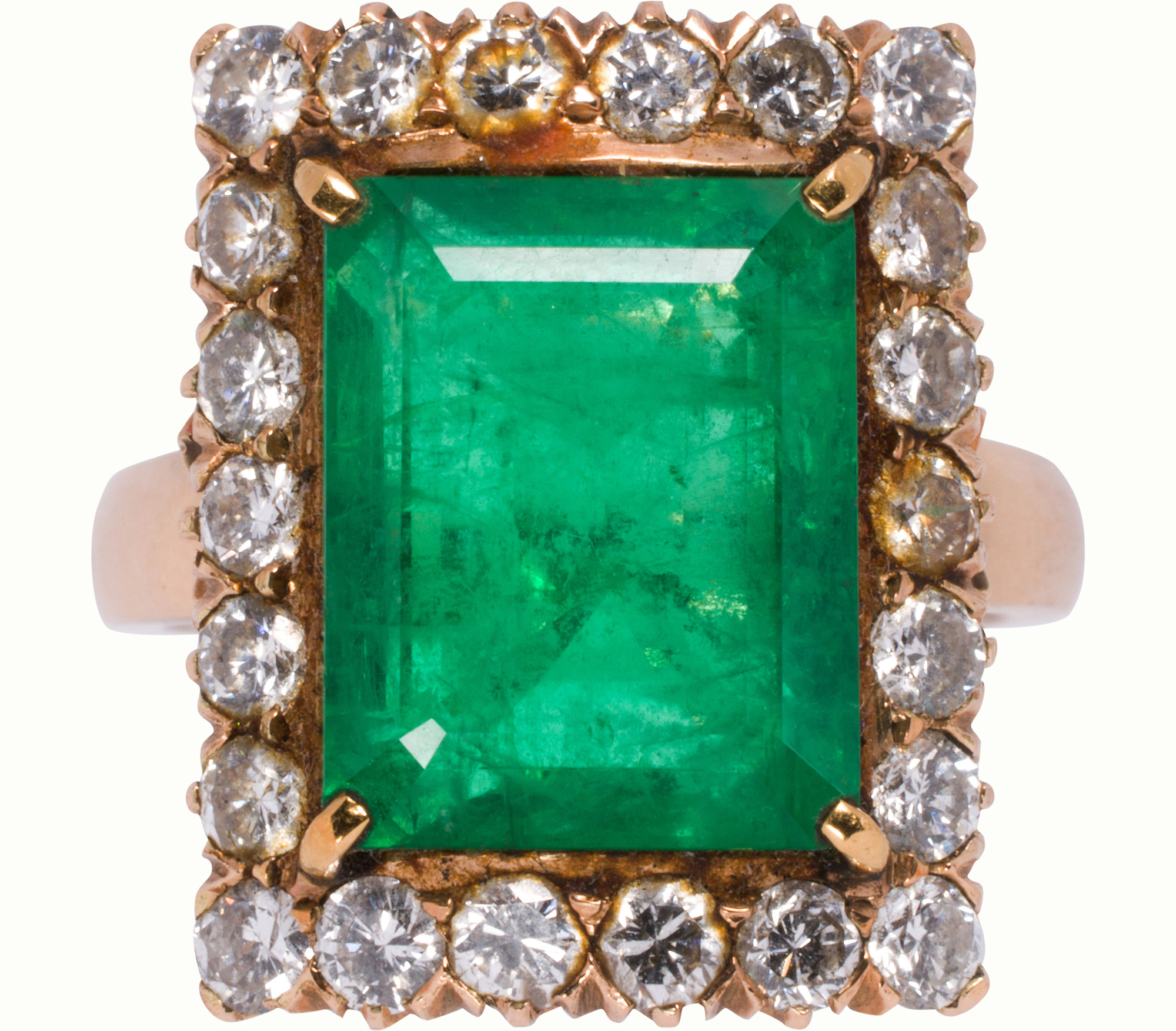
An emerald, diamond, and 14k gold ring. Estimate: $2,500–$3,500
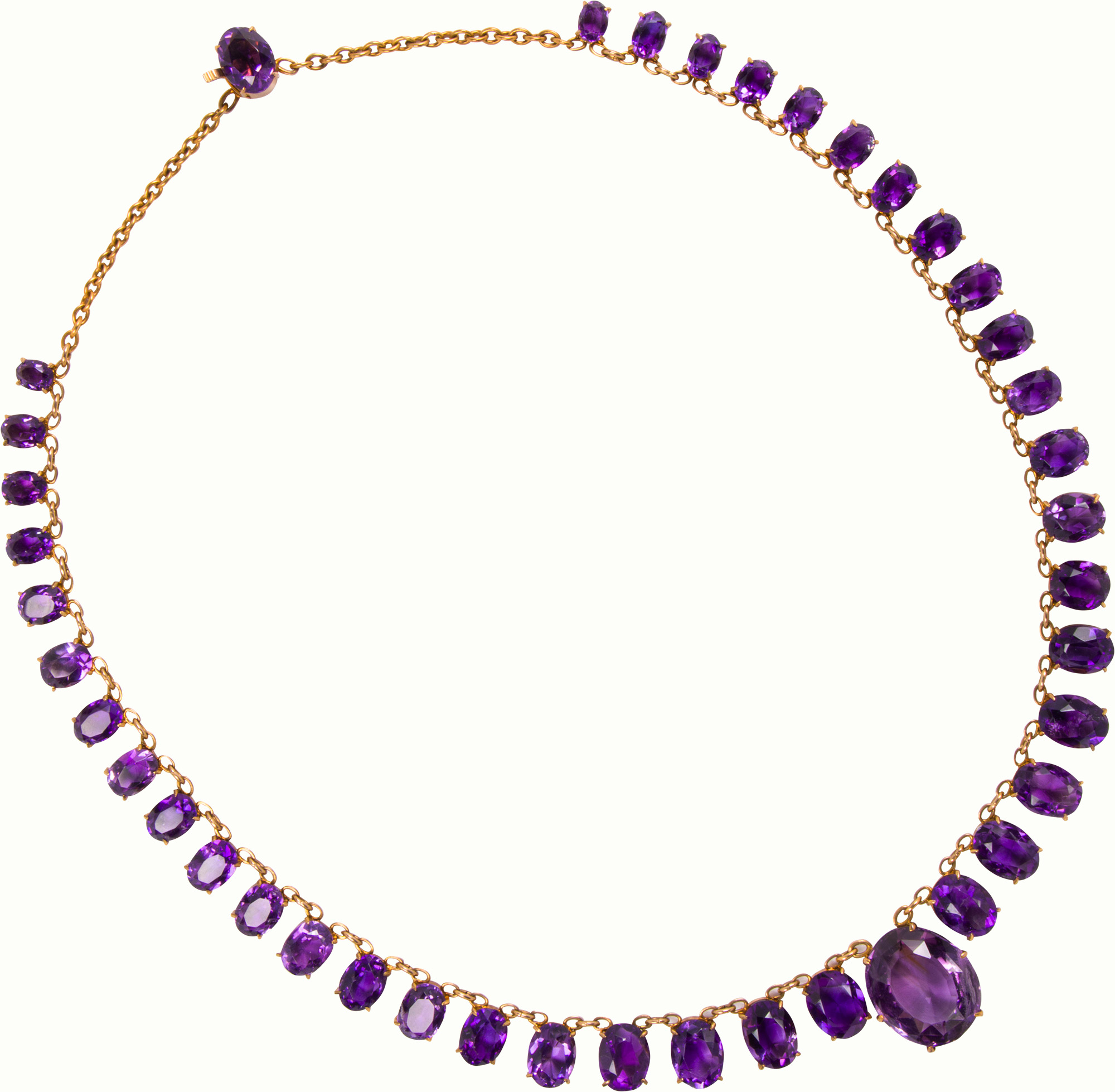
An antique amethyst and 10k gold necklace. Estimate: $2,000–$3,000
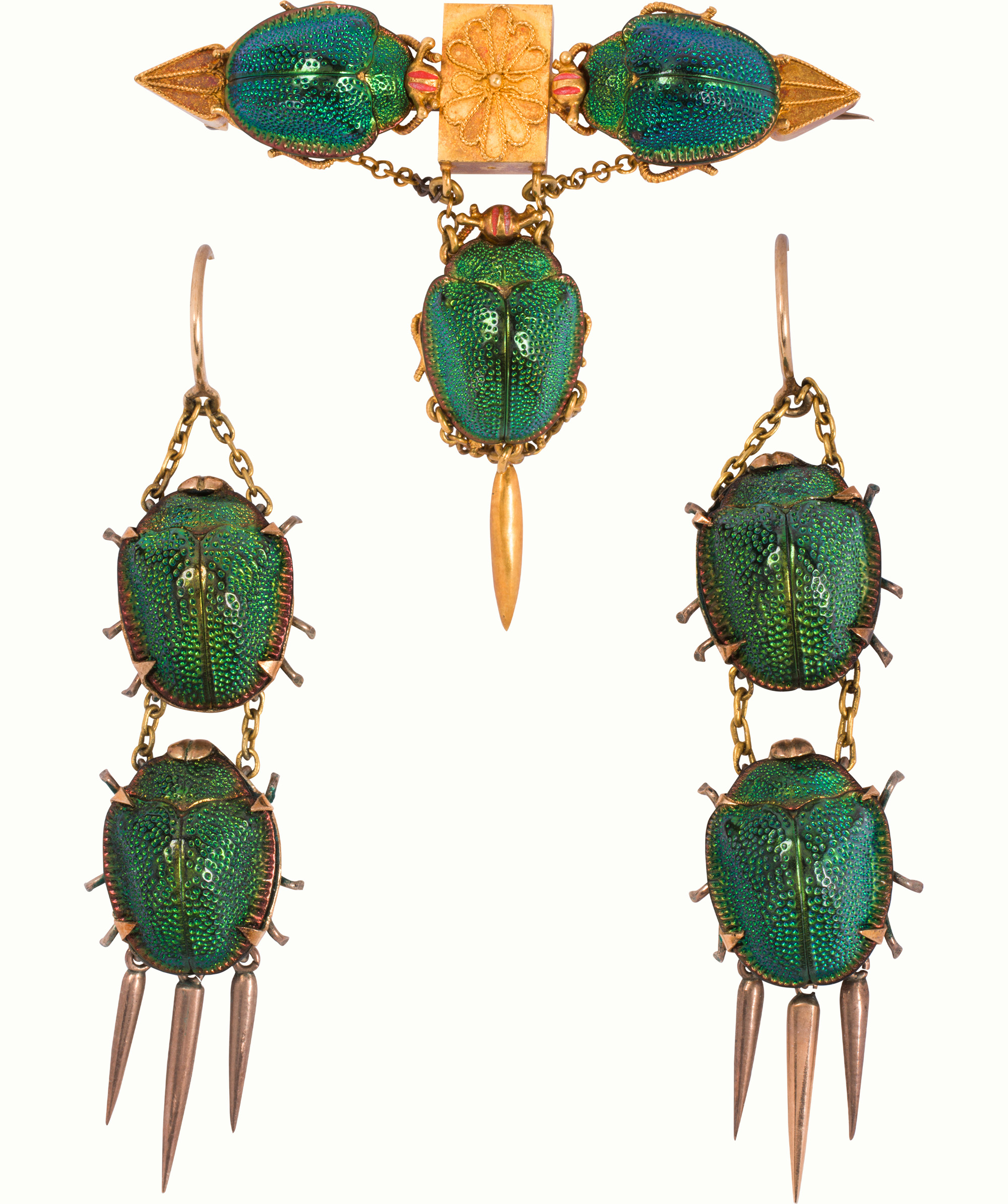
A Victorian scarab beetle and gold jewelry set. Estimate: $1,500–$2,500
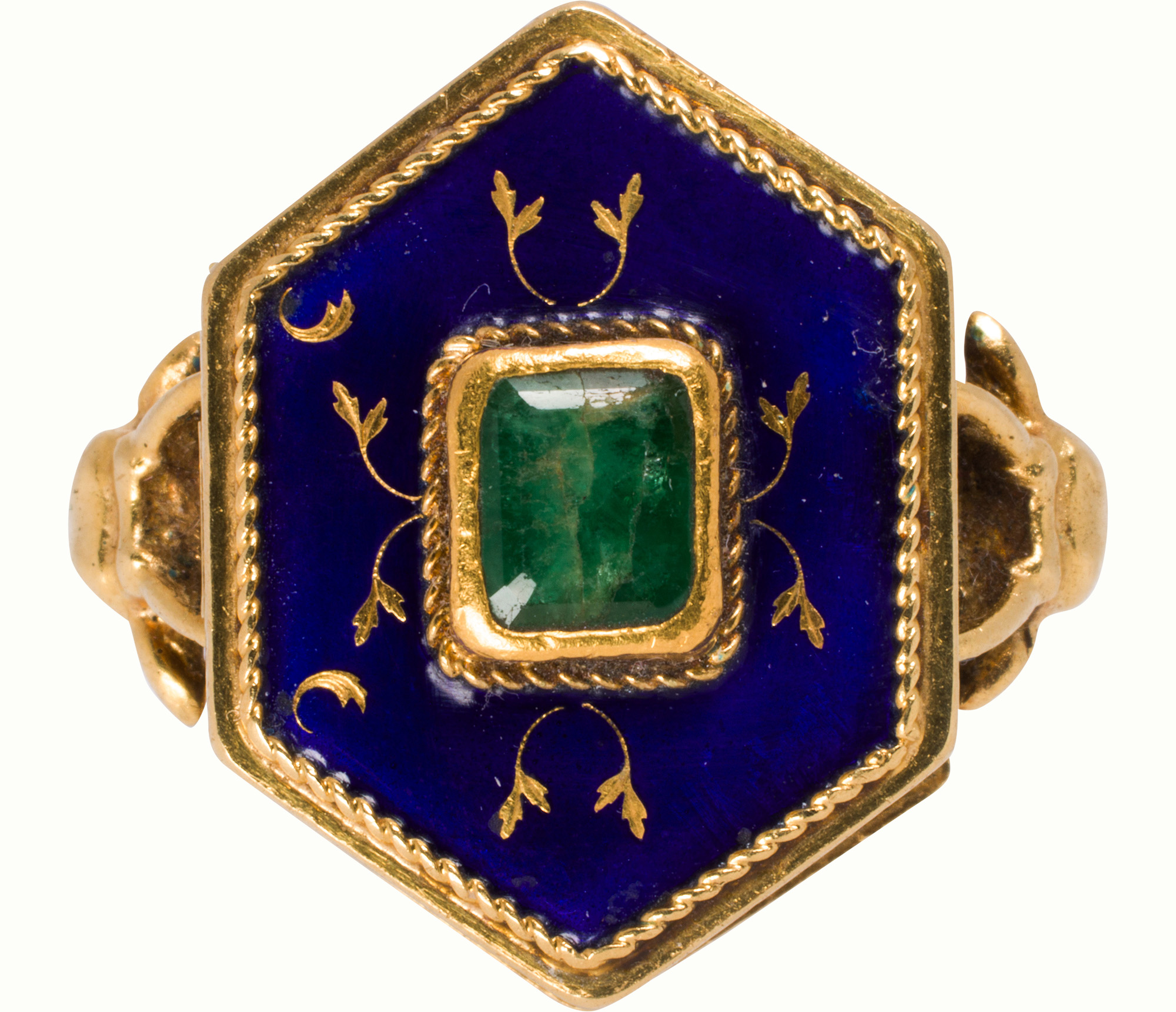
A Victorian emerald, enamel and 18k gold poison ring. Estimate: $1,500–$2,500
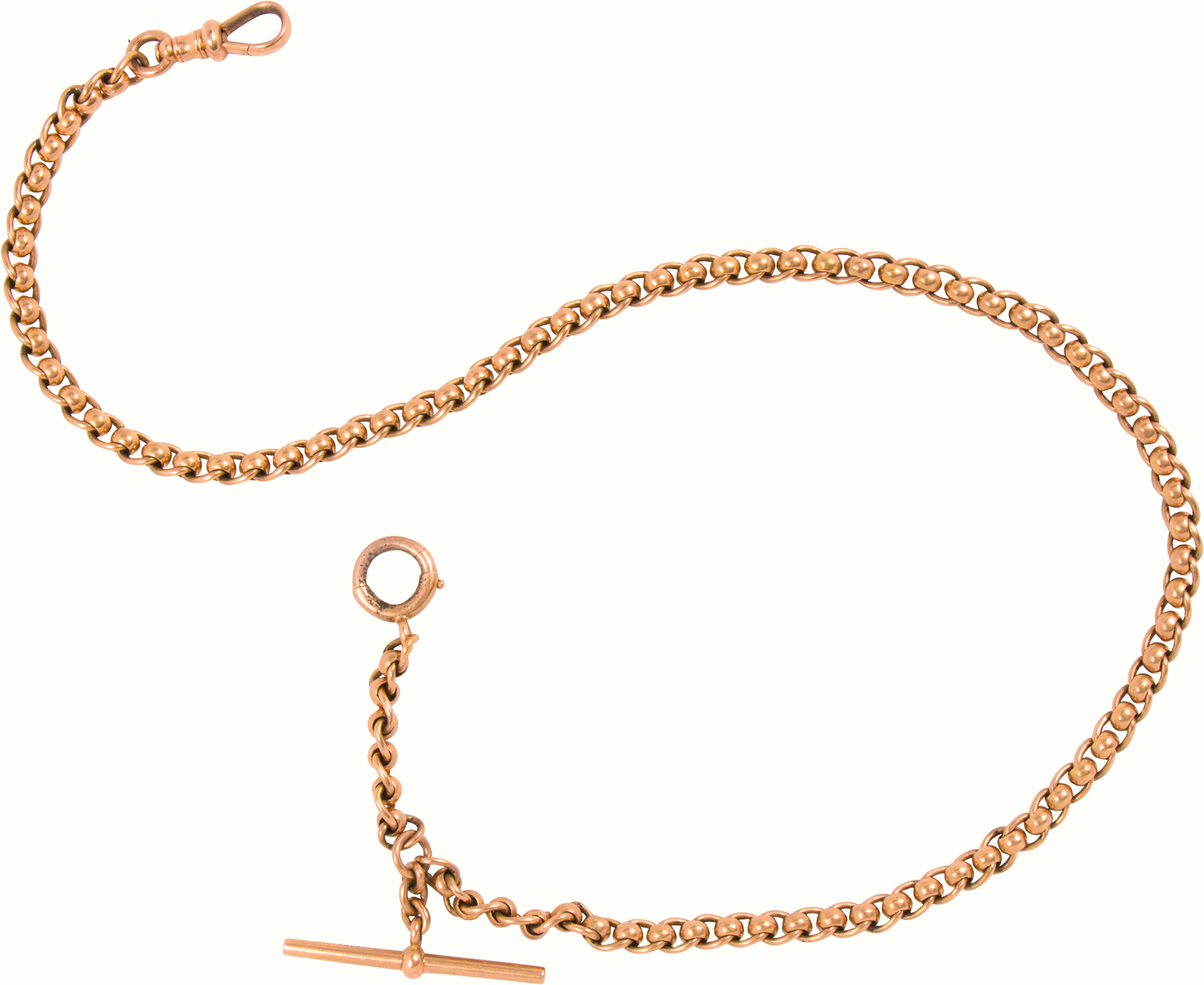
An antique 15k gold watch chain and fob. Estimate: $1,000–$2,000
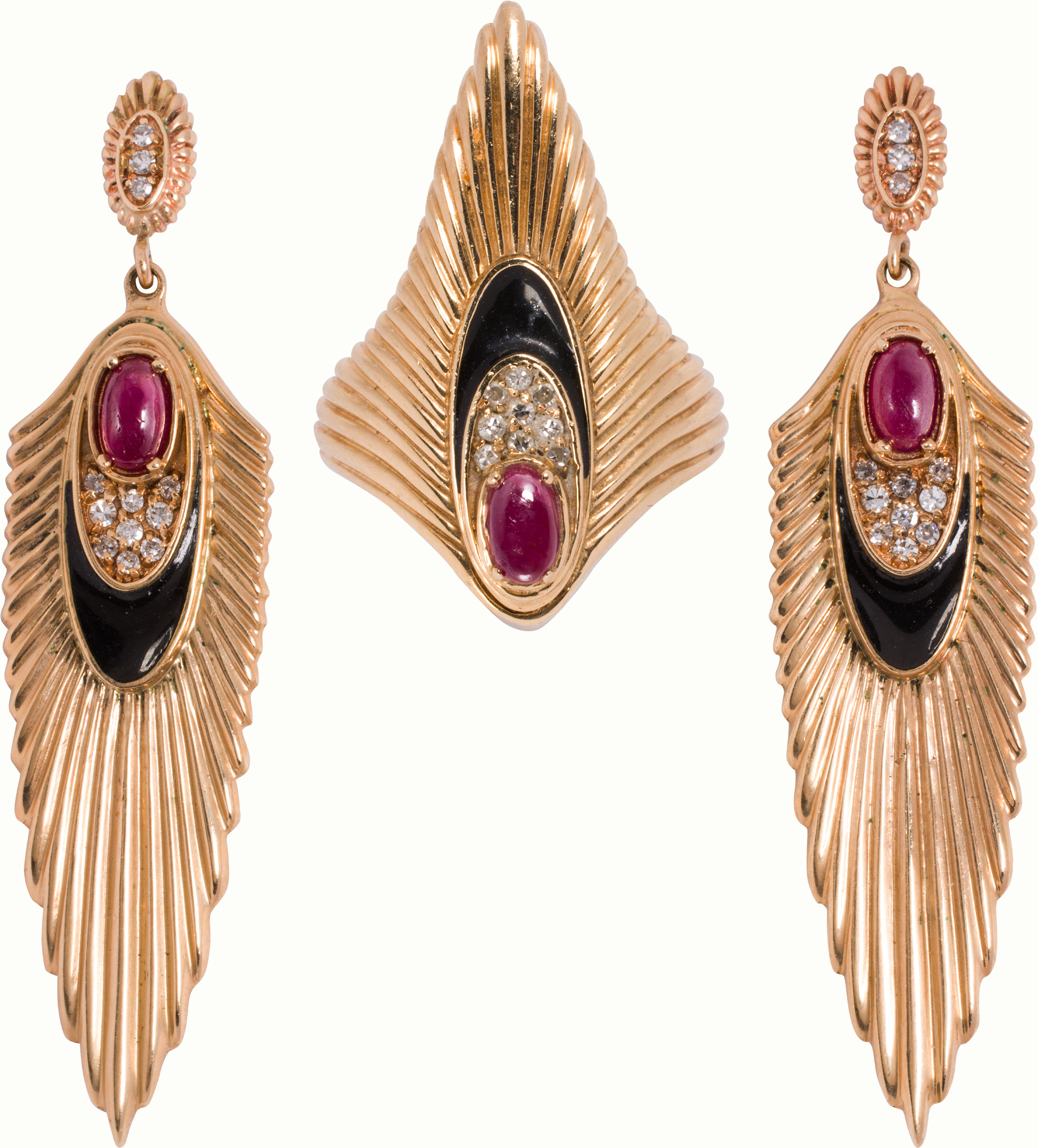
An Erte ruby, diamond and 14k gold Rayonnement ring and earring set. Estimate: $1,000–$2,000
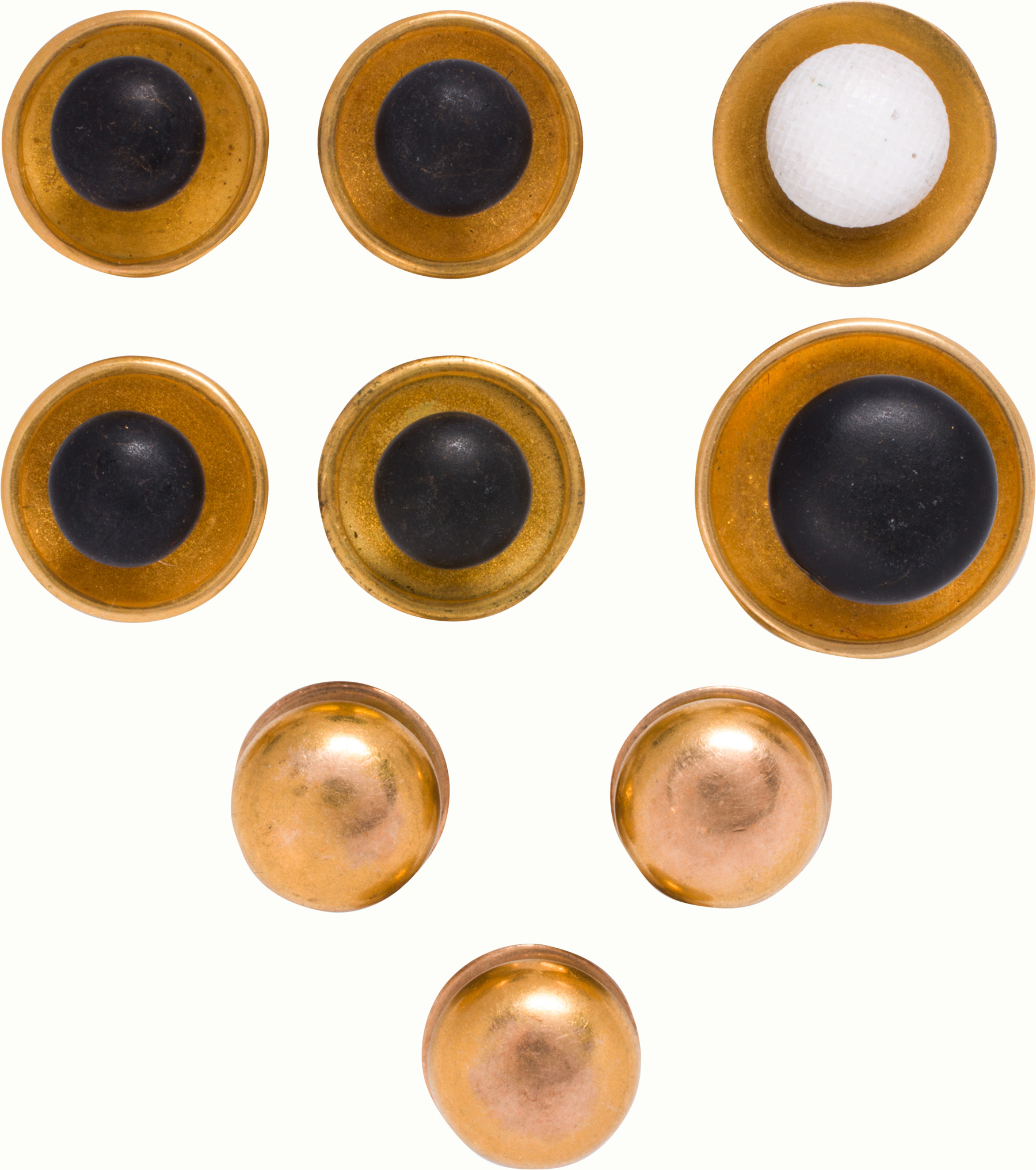
A group of Tiffany & Co. enamel and 18k gold studs. Estimate: $700–$1,000
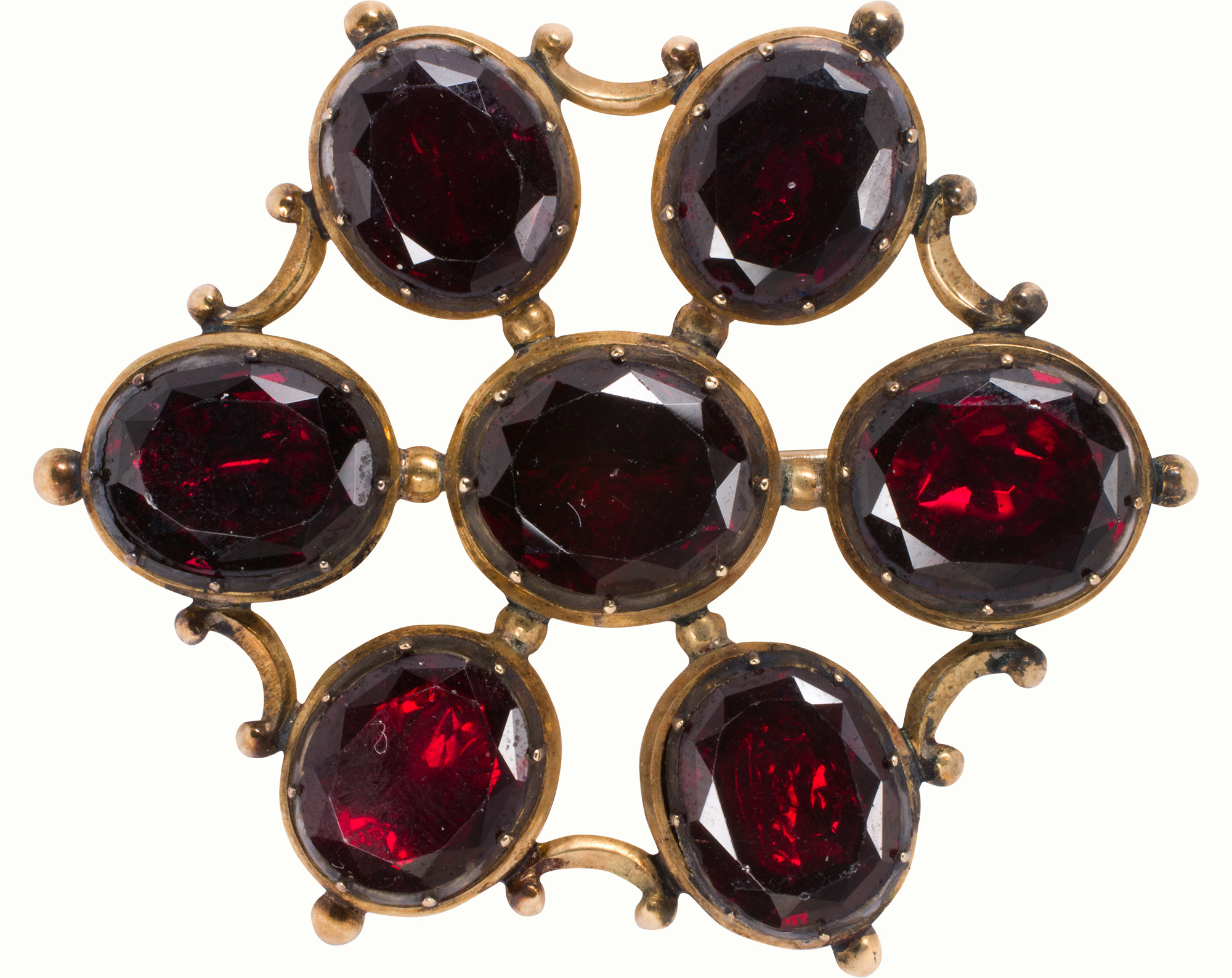
An antique garnet, 14k gold, and silver brooch. Estimate: $600–$800
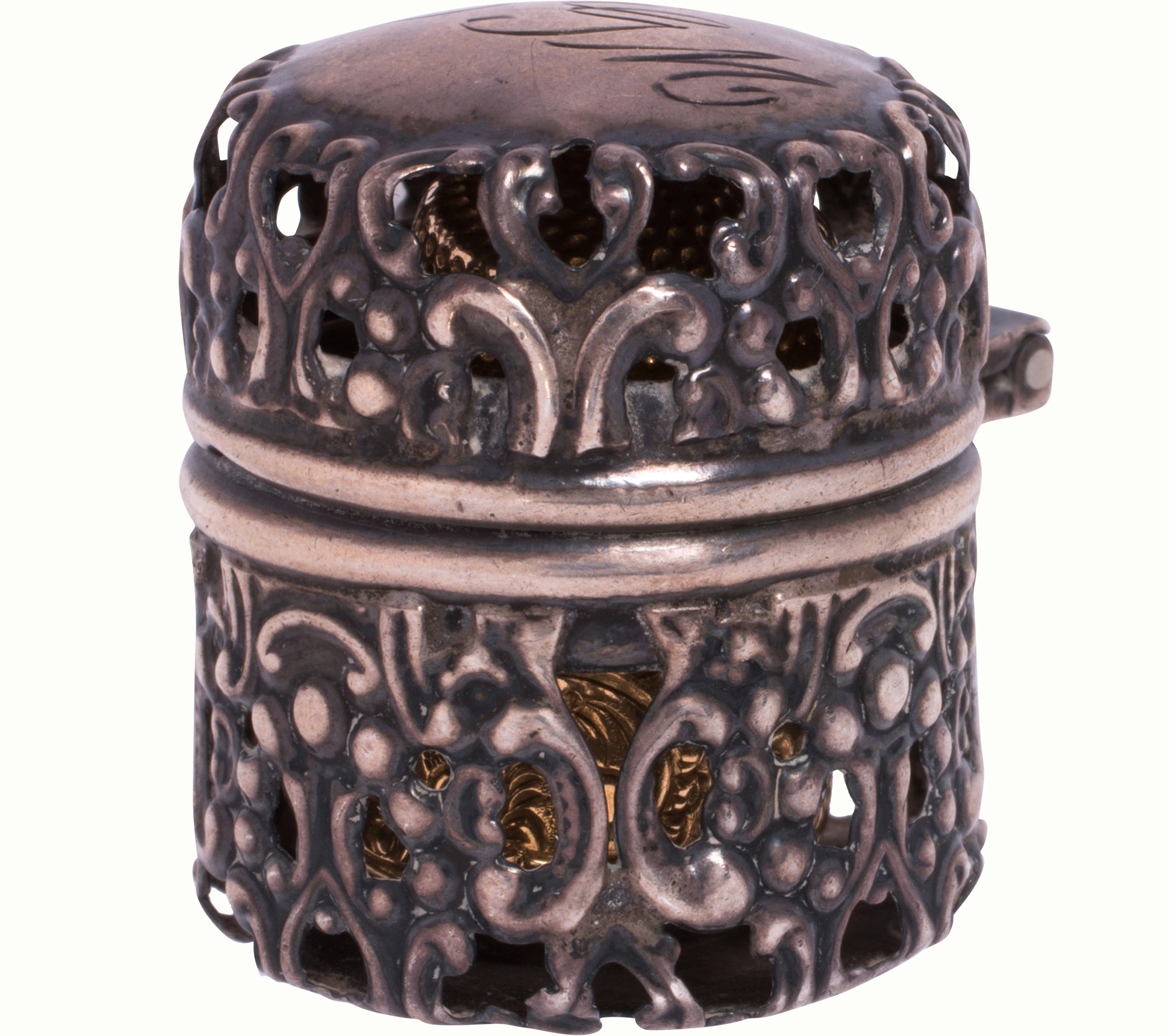
An antique sterling silver thimble holder with 14k gold thimble. Estimate: $300–$500
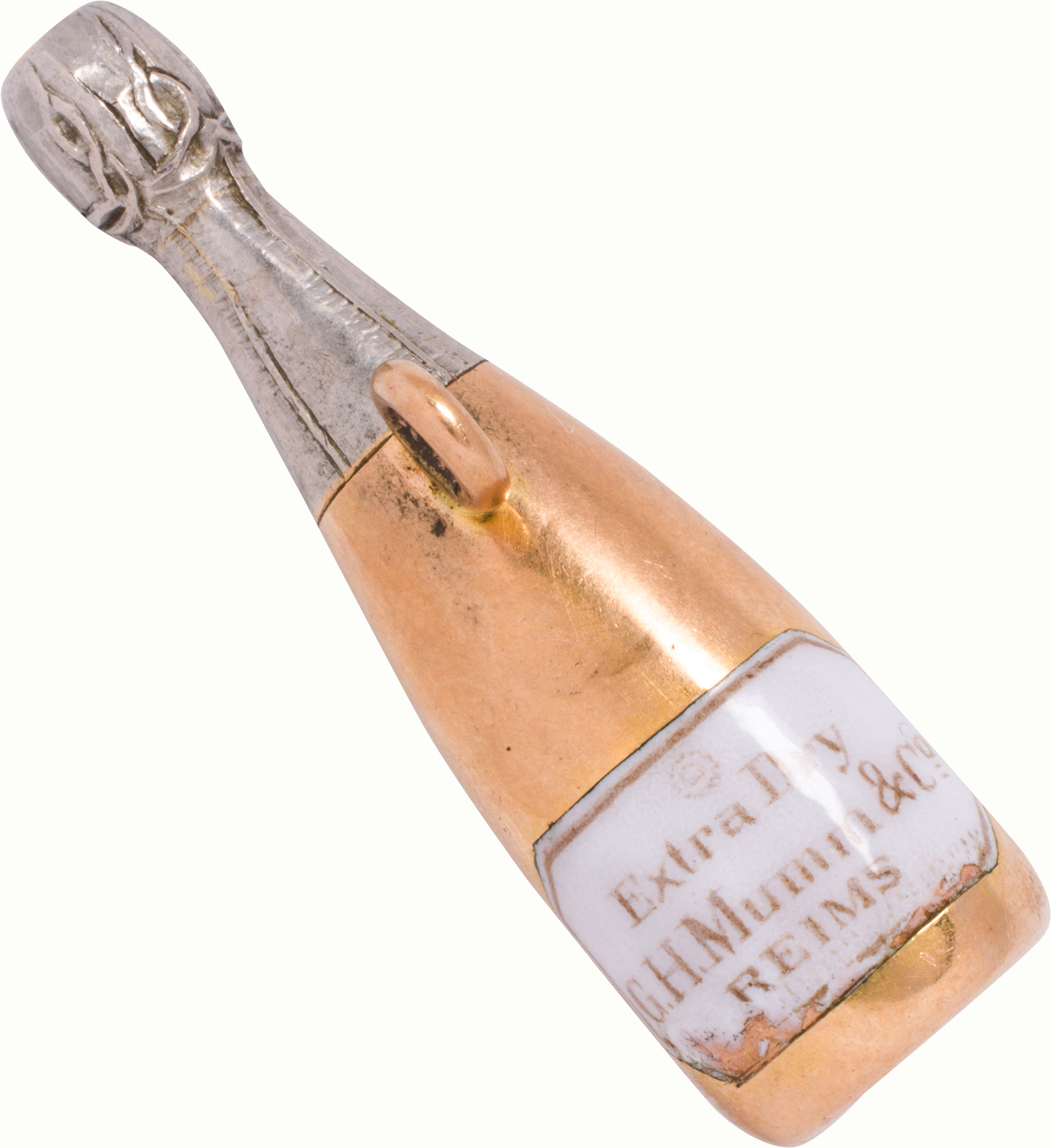
An antique enamel and 15k bi-color gold champagne bottle taxi whistle. Estimate: $300–$500
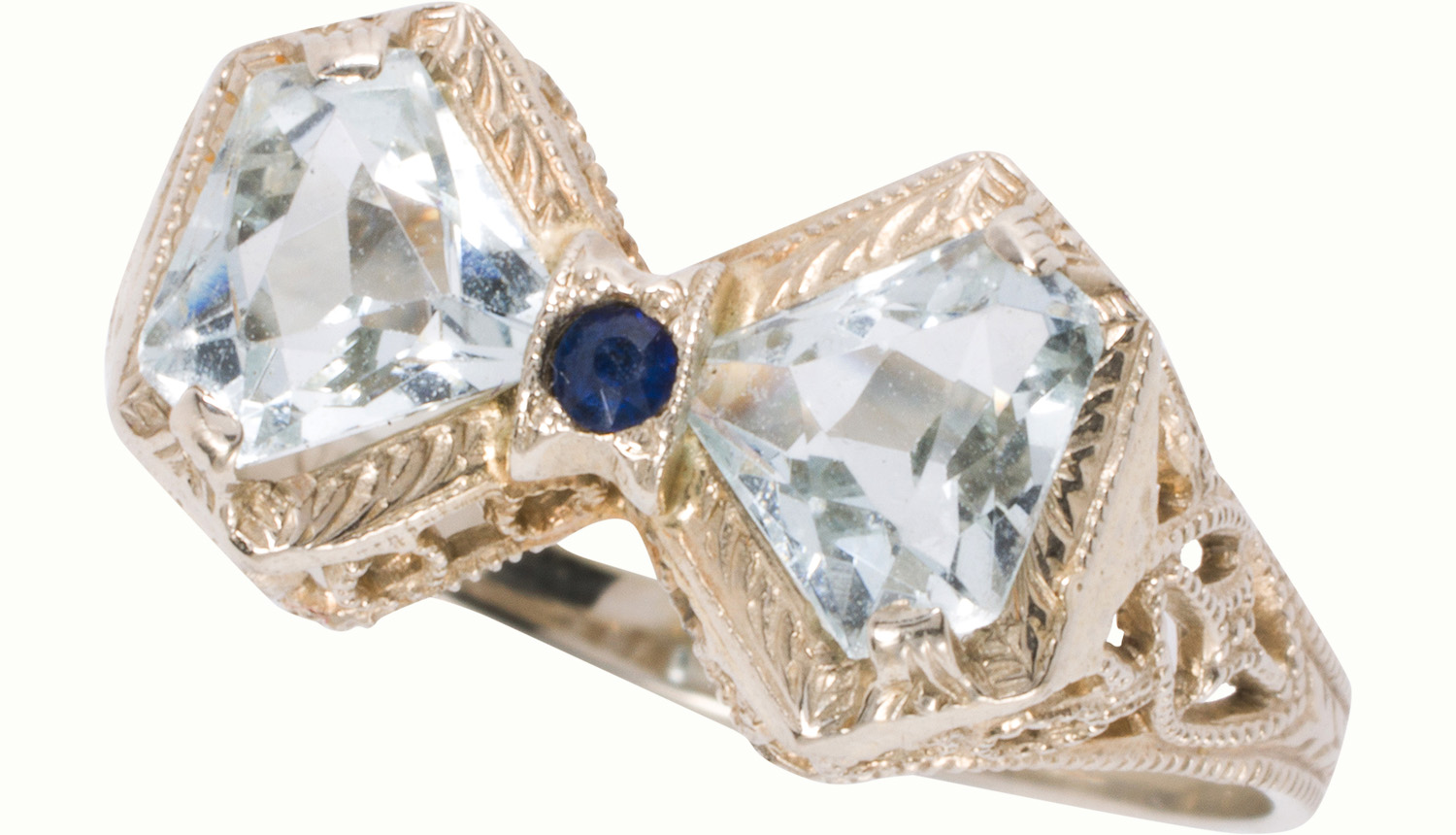
An Art Deco aquamarine, sapphire, and platinum bowtie ring. Estimate: $100–$200
Our auction on January 16th will feature distinguished design, fine craftsmanship, and notable works by artists and artisans across cultures and periods.
Clars’ Important Holiday Fine Art Auction on December 18th presents an exceptional selection of artworks by celebrated artists.
Fine Art
Highlights
Viewing Time Through a Loupe
Fine Jewelry
Stories & News
Jewelry often reflects the time period in which it was created. The history of jewelry spans as far back as humanity itself, with evidence of ancient beads made from shells, bones, and teeth dating back 80,000–110,000 years.
Jewelry typically referred to as “ancient” is around 5,000–7,000 years old. Early civilizations crafted jewelry from locally sourced gemstones and metals, often obtained through extensive trade networks. Some scholars believe that the first written language developed through bead trading, as beads were among the first items used for trade, and people valued them for both their beauty and significance.
An Ariadne ancient jasper cameo and 22k gold pendant, 9th Century AD. Sold: $630
As archaeological discoveries have unearthed ancient tombs and artifacts, jewelry designs from past civilizations have been revived or reinterpreted in new styles. For example, the Etruscan Revival, Architectural Revival, and Egyptian Revival occurred at distinct points in history, between 1820–1850, 1870–1900, and 1920–1935.
A Victorian Etruscan Revival almandine garnet, seed pearl and 14k yellow gold bracelet. Sold: $1,408
Egyptian-inspired jewelry is particularly iconic, featuring recurring symbols such as scarabs, Horus, ankhs, pharaohs, and cartouches. These pieces often incorporated enamel, faience, and specific gemstones like lapis lazuli and turquoise. Later revivals continued to embrace these themes, though materials and techniques evolved based on the period’s available resources.
A multi-stone, yellow gold Egyptian style necklace. Sold: $3,840
Jewelry periods are often categorized as Georgian, Victorian, Arts and Crafts, Edwardian, Belle Époque, Art Nouveau, Art Deco, Retro, and Mid-century Modern, with each period having its own distinct characteristics that jewelry specialists use to identify and date pieces. Additionally, terms like “antique,” “vintage,” “estate,” and “period” are frequently used, though sometimes incorrectly.
Ancient jewelry refers to items from long-extinct civilizations.
Antique jewelry is at least 100 years old.
Vintage jewelry falls between antique and contemporary, representing pieces from various past decades or eras.
Estate jewelry refers to previously owned jewelry, often acquired from estates or second-hand sources, and is typically antique or vintage.
Period jewelry refers to items that fit into a specific historical time frame (refer to the timeline).
Jewelry Period Timeline: In addition to these periods there are terms that are often used and misused such as antique, vintage, estate and period.
An antique foil-back quartz and 14k gold rivière necklace. Sold: $2,520
When assigning a period to a piece of jewelry, a specialist considers more than just its appearance. The materials, cutting styles, metalworking techniques, and equipment used during the period of its creation all play a role in its classification. It’s not uncommon for a single piece to show influences from multiple periods, reflecting the transition between styles or combining elements from different times.
Top: An Art Deco diamond, sapphire and platinum ring. Sold: $875 Bottom: An Edwardian diamond and platinum pendant brooch. Sold: $1,375
Conversely, a piece might have characteristics that suggest one period, but its materials or craftsmanship could align with another. These overlaps can result from factors like geography, war, resources, technological advancements, fashion trends, or even reproductions. Although we often categorize jewelry into specific periods, the timeline of history is always fluid, with styles blending and evolving. Ultimately, each civilization has sought ways to create and cherish adornments. One wonders: how will future historians view the jewelry of today?
A Retro diamond and fourteen karat gold ring. Sold: $2,812